10 Day Japan Itinerary for First-Time Visitors (2026)
Ten days in Japan sounds like a lot until you open a map and realize you’re trying to cover a country that stretches nearly 3,000 kilometers from north to south. The trick isn’t seeing everything — it’s picking the right spine for the trip and not wasting days on logistics.
This 10 Day Japan Itinerary runs Tokyo → Kyoto → Nara → Osaka → Hiroshima. It’s the classic route for good reason: the Shinkansen connects all of it, the cultural contrast between cities is sharp enough to keep things interesting, and you finish in Hiroshima with something genuinely meaningful rather than just another food market.
Table of Contents
No time to read the whole post?
Quick recap: Start in Tokyo with its wild energy and pop culture. Then, hop on the bullet train to the historic charms of Kyoto. Next, explore Osaka’s delicious street food and nightlife. Sprinkle in day trips to Nara and Hiroshima for culture and history. Use a JR Pass to save money on travel and remember to pack comfy shoes—Japan’s a walking country! This itinerary is your no-fail game plan for a 10 day japan itinerary.
Before You Go: Two Things That Matter
Get a JR Pass before you leave home. A 7-day JR Pass covers the Tokyo-to-Hiroshima Shinkansen leg and saves a significant amount over buying individual tickets. Order it online and activate it on arrival — you can’t buy it inside Japan at the same price.
Get a Suica card at the airport. It’s a reloadable IC card that works on trains, buses, and convenience store purchases across the entire country. Load ¥5,000 on it and top up as needed. Fumbling for exact change at ticket machines wastes time and patience.
Days 1–3: Tokyo
Tokyo is easier to navigate than it looks. The train system is extensive but logical once you understand that each line has a color and each station has a number. The app Hyperdia handles routing better than Google Maps for train connections.
Day 1 — East Tokyo Start at Senso-ji in Asakusa. It’s Tokyo’s oldest temple and genuinely impressive even with the tourist crowd — arrive before 8am if you want the atmosphere without the selfie sticks. Walk the Nakamise shopping street for breakfast snacks, then spend the afternoon in Ueno. The Tokyo National Museum is worth two hours if you have any interest in Japanese history. Skip the zoo.
Evening in Akihabara. It’s loud, chaotic, and unlike anything else — multi-floor electronics stores, gaming arcades, anime shops stacked on top of each other. You don’t need to buy anything to find it fascinating.
Day 2 — West Tokyo Meiji Shrine first thing in the morning. The forested walk to the main shrine is peaceful in a way that’s hard to find in central Tokyo, and it takes about 40 minutes to do properly. Immediately after, Takeshita Street in Harajuku is a five-minute walk and operates in a completely different universe — crepe stands, costume shops, teenagers in elaborate outfits.
Afternoon at Shibuya Crossing. The scramble intersection is worth experiencing once; stand on the second floor of the Starbucks on the corner for the overhead view before going down to cross it yourself. Spend the evening in nearby Shimokitazawa — a quieter neighborhood with vintage clothing shops, small live music venues, and better izakayas than the tourist areas.
Day 3 — Food and Neighborhoods Morning at Tsukiji Outer Market for breakfast. The inner market moved to Toyosu, but the outer market’s vendors still sell excellent tamagoyaki, fresh sushi, and grilled scallops from small stalls. Go hungry and eat as you walk.
Afternoon in Yanaka — one of the few Tokyo neighborhoods that survived WWII bombing and still looks like it did 80 years ago. Narrow lanes, old temples, a cemetery worth wandering through, and tiny shops selling handmade crafts. No particular rush, just walk.
Days 4–6: Kyoto
The Shinkansen from Tokyo to Kyoto takes 2 hours 15 minutes. It’s a smooth, quiet ride and on a clear day you get a clean view of Mount Fuji from the right side of the train around Shin-Fuji Station, about 40 minutes out of Tokyo.
Kyoto has over 1,600 temples. Most are minor. The ones below are not.
Day 4 — Southern Kyoto Fushimi Inari Shrine is the one with thousands of orange torii gates climbing the mountain. Every photo you’ve seen of it was taken in the lower section — walk up past the first two plateaus and the crowds thin out completely. The full hike to the summit takes about 90 minutes each way and is worth it.
Afternoon at Tofuku-ji. Less famous than Kinkaku-ji but architecturally more interesting, and rarely crowded. The Zen garden here is one of the best in Japan.
Day 5 — Central and Northern Kyoto Kinkaku-ji (the Golden Pavilion) in the morning before the tour buses arrive. Yes it’s famous, yes it’s worth seeing — the gold leaf exterior reflecting in the pond is genuinely striking even if you’ve seen a hundred photos of it.
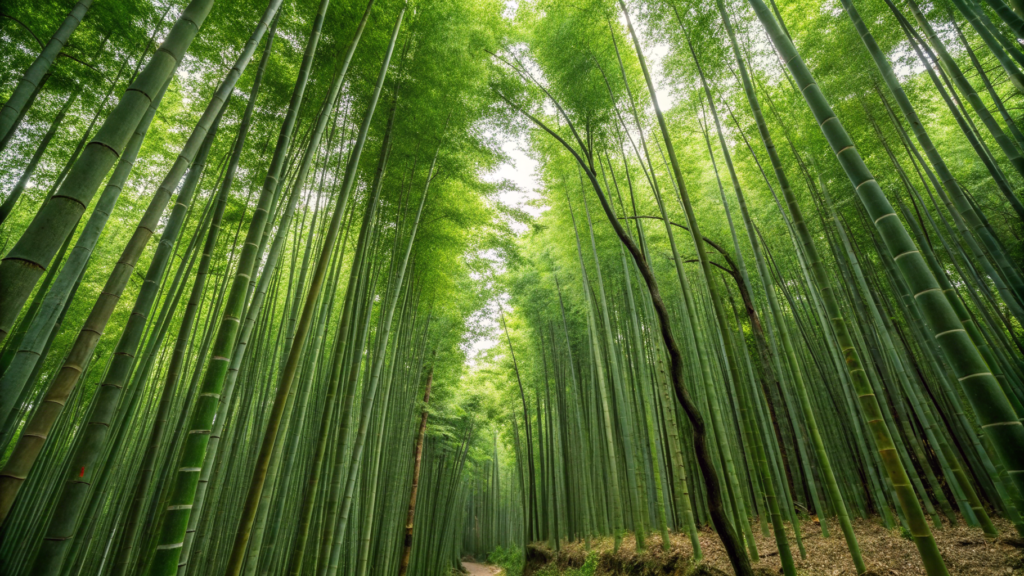
Arashiyama in the afternoon. The bamboo grove is short — maybe 200 meters of walkable path — but the surrounding area has good food stalls and the Tenryu-ji garden, which is excellent. Rent a bicycle from one of the shops near Arashiyama station rather than taking the crowded tram.
Day 6 — Gion and Nishiki Spend the morning in Gion, Kyoto’s geisha district. Early morning is the best time — before 8am the narrow lanes of Hanamikoji Street are quiet and the wooden machiya townhouses look exactly as they should. The chance of seeing a geisha or maiko (apprentice geisha) is higher in the early morning when they’re walking to appointments.
Nishiki Market in the afternoon — a covered arcade of food vendors stretching five blocks. Try the pickled vegetables, grilled skewers, and fresh yuba (tofu skin). It gets crowded by noon but moves quickly.
Day 7: Nara Day Trip
Nara is 45 minutes from Kyoto by express train. The main attraction is Nara Park, where around 1,200 wild deer roam freely among temples and tourists. They’re used to people and approach confidently — especially if you’re holding the deer crackers (shika senbei) sold at stalls around the park for ¥200.
The deer will headbutt you for crackers if you’re not quick. This is charming for the first few minutes and slightly alarming after that.
Todai-ji Temple houses Japan’s largest bronze Buddha statue — 15 meters tall inside a wooden hall that’s itself the largest wooden building in the world. The scale of both the hall and the statue is difficult to grasp until you’re standing in front of them.
Return to Kyoto for the night or check out early and head directly to Osaka.
Days 8–9: Osaka
Osaka has a reputation for being friendlier and more direct than Tokyo, and that reputation is accurate. The food culture here is its own thing — Osaka people have a saying, “kuidaore,” meaning to eat oneself into ruin, and they take it as a lifestyle goal rather than a warning.
Dotonbori is the main tourist strip — neon signs, giant mechanical crabs and blowfish on restaurant facades, and dense crowds every evening. Walk it once for the spectacle and eat takoyaki (octopus balls) from one of the standing stalls. Eat it immediately; they’re best hot.
Kuromon Ichiba Market is the local alternative to Nishiki — a covered market with over 150 vendors selling everything from fresh bluefin tuna to grilled wagyu on sticks. Better for eating than shopping.
Osaka Castle is worth a morning. The surrounding park is free and pleasant; the castle itself has a museum inside covering the Toyotomi clan’s history. Not essential, but good if you have spare time on Day 9.
Day 10: Hiroshima and Miyajima
Take the Shinkansen from Osaka to Hiroshima — about 45 minutes. This is the day that changes the tone of the trip.
Peace Memorial Park and Museum should take most of the morning. The museum is thoroughly researched and unflinching about what happened on August 6, 1945. It’s not easy to get through, but it’s important. The A-Bomb Dome — the bombed-out Prefectural Industrial Promotion Hall left standing as a memorial — is just outside the museum.
Hiroshima-style okonomiyaki for lunch. It’s structurally different from the Osaka version — layered rather than mixed, with noodles inside — and significantly better in the city that invented it. The Okonomimura building near Hondori has three floors of okonomiyaki restaurants.
Miyajima Island in the afternoon — 30 minutes by train and ferry from central Hiroshima. The floating torii gate of Itsukushima Shrine sits in the water at high tide and on the sandbar at low tide; check the tide schedule before you go because the two views are completely different. More deer here, also friendly, also interested in your food.
Practical Notes
Cash: Japan is shifting toward card payments in major cities, but rural areas, many temples, and small restaurants still prefer cash. Keep ¥10,000–20,000 on you at all times. ATMs at 7-Eleven and Japan Post always work with foreign cards.
Shoes: You will walk 15–20km per day on this itinerary. Bring footwear you’ve already broken in. Blisters on day two will make the rest of the trip miserable.
Luggage forwarding: If you’re moving between cities with heavy bags, Japan’s takuhaibin (luggage forwarding) service lets you send bags ahead to your next hotel for around ¥1,500–2,000 per bag. Most hotels handle the arrangement.
Food budget: Eating well in Japan doesn’t require spending much. A bowl of ramen at a standing counter costs ¥800–1,200. Convenience store onigiri and sandwiches are genuinely good and cost ¥150–200. The expensive meals are worth having once or twice, not every night.
The 10-day route above covers the highlights without feeling rushed. If you have two extra days, adding a night in Hakone between Tokyo and Kyoto gives you a ryokan experience with views of Mount Fuji — worth it if the budget allows. If you’re short on time, cut Nara to a half-day and combine it with your last morning in Kyoto before heading to Osaka.