Things to Do in Okinawa: An Honest Guide to Japan’s Tropical South
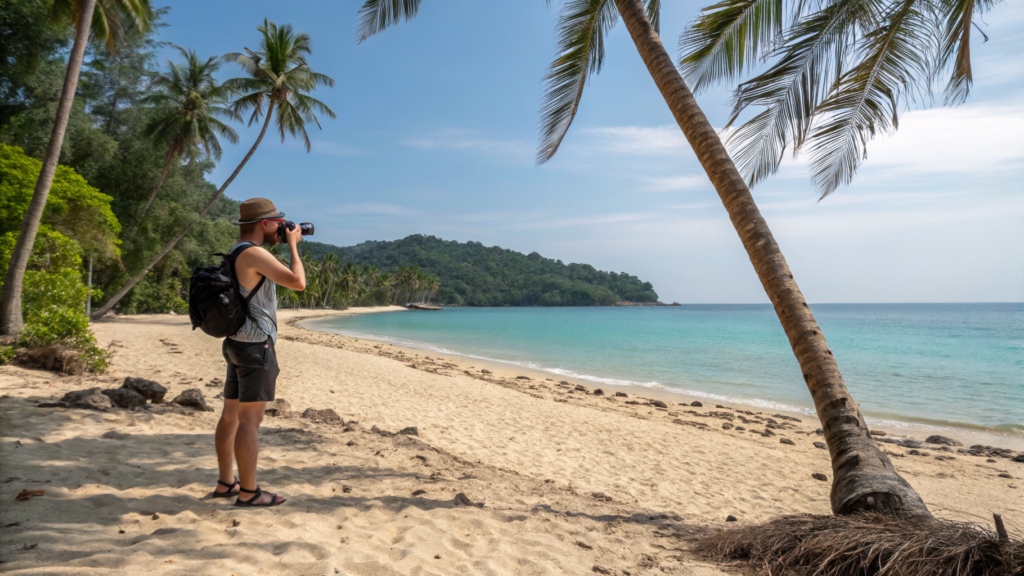
The first thing that surprised me about Okinawa wasn’t the water color — though that neon blue genuinely looks fake in photos and even more unreal in person. It was how different everything felt from mainland Japan. The food is different. The history is different. The pace is completely different. Coming from Tokyo, it felt less like a domestic flight and more like arriving in a separate country that happens to use the same currency.
This guide covers the best things to do in okinawa, and some honest notes on getting around, because transportation here works nothing like the rest of Japan.
Table of Contents
Getting Around: Rent a Car or Miss Half the Island
There’s one short monorail in Naha, and after that, you’re on buses or wheels. Buses cover the main routes but run slowly and infrequently once you get north of the city. A rental car changes everything — you can chase empty beaches, drive up to the northern forest, and stop whenever something looks interesting.
You’ll need an International Driving Permit from your home country before you arrive. Rental agencies won’t flex on this. Japan drives on the left, which takes about 30 minutes to stop feeling wrong.
If you’re not up for driving, the main southern sights are reachable by bus and taxi. But honestly, half of what makes Okinawa interesting is the stuff between the famous spots.
The Blue Cave at Cape Maeda
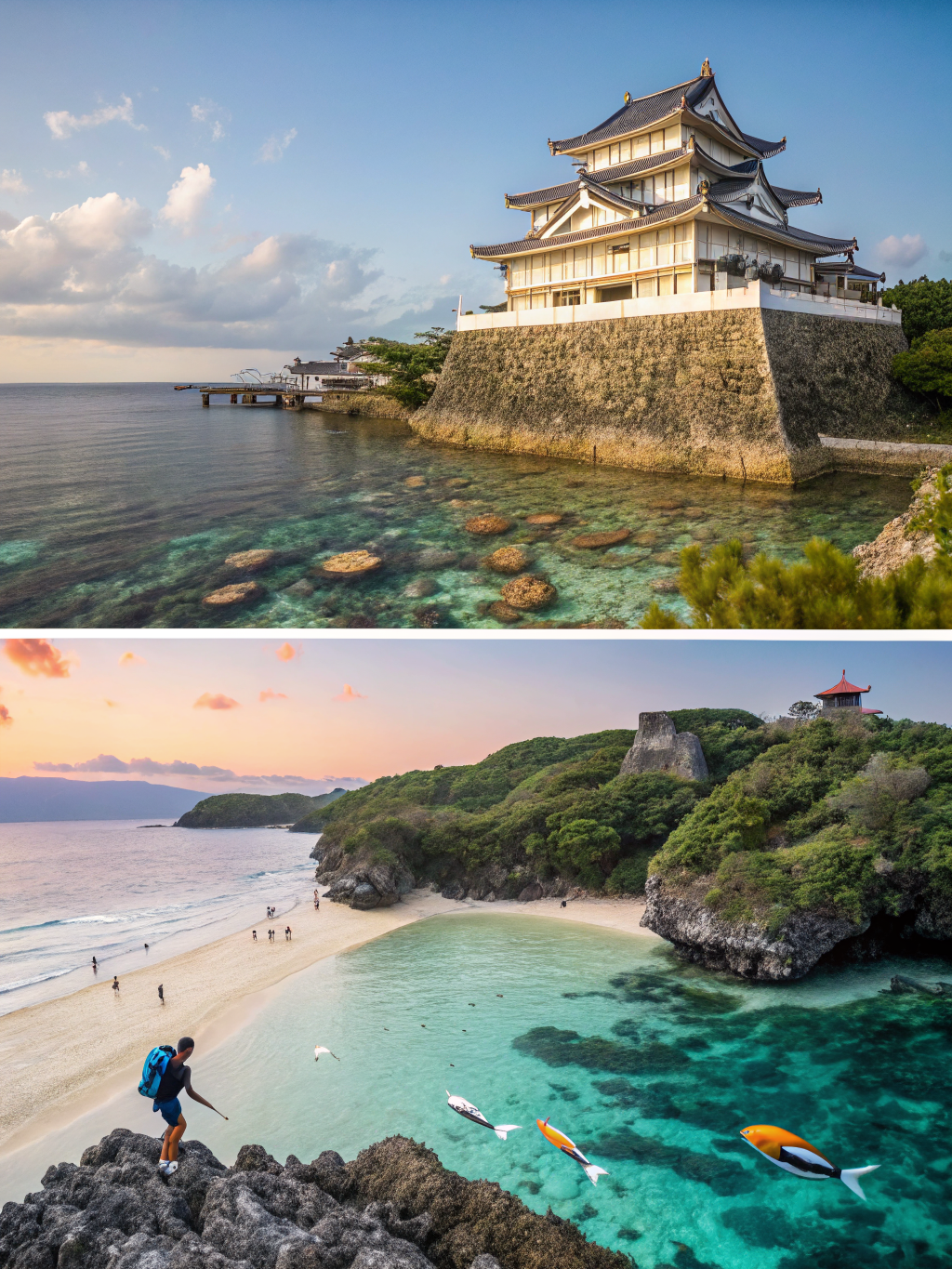
Every Okinawa itinerary mentions this, and it earns the attention. The cave entrance sits underwater just off Cape Maeda, and when morning sunlight hits the opening at the right angle, the whole cavern fills with this deep cobalt blue that lights up the fish around you.
Go early. By 10am, tour boats are stacking up and the water around the entrance gets crowded. An 8am entry is a different experience entirely — calmer water, better light, fewer elbows. Most dive shops in the area run early morning snorkel tours for around ¥3,000–4,000.
One practical note: the path down to the water is steep and rocky. Flip-flops are a bad idea. Water shoes with grip make the whole thing less stressful.
Furuzamami Beach, Kerama Islands
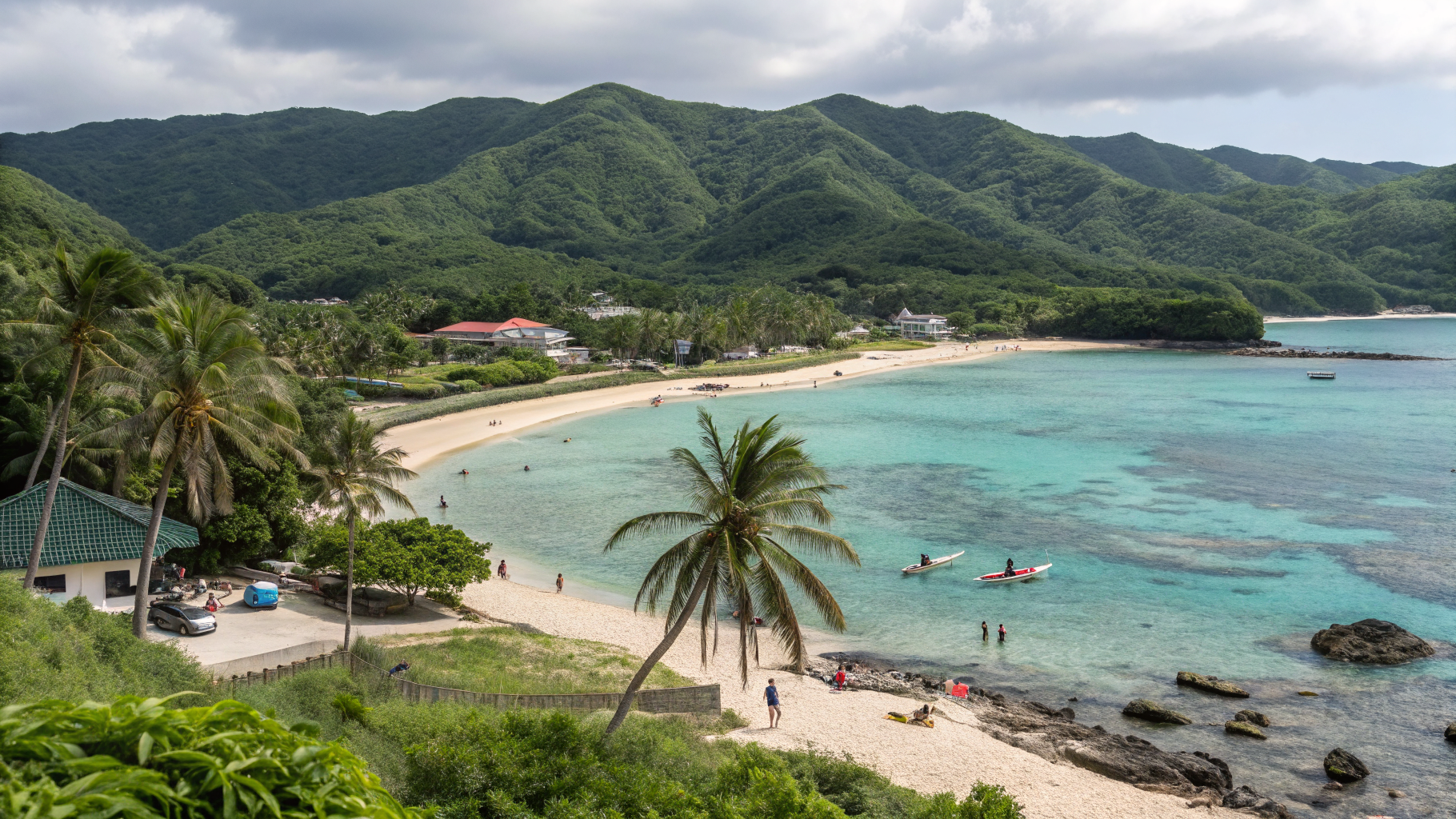
A 50-minute ferry from Tomari Port in Naha gets you to the Kerama Islands, and Furuzamami Beach on Zamami Island is worth every minute of that crossing. The water clarity here is some of the best in Japan — visibility runs deep and the coral is healthy in ways that beaches on the main island can’t always claim.
Sea turtles feed in the seagrass beds in the shallow water close to shore. They’re used to snorkelers and don’t bolt. I spent an hour just drifting alongside one while it grazed, which felt surreal in the best way.
Pack reef-safe mineral sunscreen. The Kerama Islands enforce this — vendors at the beach check. Bring more water than you think you need; the island shop sells drinks but at ferry-terminal prices.
Shuri Castle
In 2019, a fire gutted the main halls of Shuri Castle. Restoration is ongoing and will be for years. Some visitors feel short-changed by the scaffolding and tarps. I’d argue the opposite, watching master craftsmen reconstruct a 14th-century Ryukyuan palace using traditional joinery techniques is genuinely interesting, maybe more interesting than a finished building would be.
The stone walls and outer grounds are untouched and give you a clear sense of the scale. The hilltop position means good views of Naha stretching down to the water. Budget about two hours and go in the morning before tour groups arrive from the cruise ships.
Okinawa Soba
Mainland Japanese soba is thin buckwheat noodles in a delicate broth. Okinawan soba shares only the name. The noodles are thick wheat, the broth is built from pork and bonito and runs rich and savory, and the bowl comes topped with braised pork belly that’s been cooked long enough to fall apart when you look at it.
Kishimoto Shokudo in Motobu has been making the same bowl since 1905. It’s a long drive north from Naha but worth combining with a day up at the aquarium. Get there when they open, the queue builds fast and they close when the soup runs out, sometimes before 2pm.
In Naha, the covered market streets around Makishi are full of good options. Wander off Kokusai Dori, look for somewhere with plastic food models in the window and locals eating inside, and order whatever bowl is on the chalkboard.
Churaumi Aquarium: Worth It, With Conditions
The Kuroshio Sea tank at Churaumi is legitimately one of the most impressive things I’ve seen in any aquarium. A single tank holds whale sharks, manta rays, and thousands of smaller fish behind an acrylic panel so large it takes a minute to register the scale. Whale sharks are big. In person, they reframe your sense of big.
The conditions: it’s a 90-minute drive from Naha, the surrounding Ocean Expo Park is free and genuinely lovely, and the crowds by noon are bad enough to significantly reduce the experience. Arrive at opening (8:30am) and do the aquarium first, park later. Don’t plan it as a half-day trip — make it a full northern Okinawa day and combine it with the Bise Fukugi Tree Road and Daisekirinzan on the same run.
Bise Fukugi Tree Road
A few kilometers from the aquarium, the village of Bise has one of those things that doesn’t photograph well but stays with you. Centuries-old Fukugi trees line the narrow lanes so densely that the canopy almost closes overhead, filtering the light into something green and quiet. The village planted them originally as typhoon windbreaks.
Rent a bicycle from the small shop near the entrance and take an hour to wander. Most aquarium visitors skip it entirely. It costs almost nothing and is one of the better 90 minutes you’ll spend on the island.
Cape Manzamo
The western cliffs at Cape Manzamo drop straight into the ocean, and the limestone at one point has been carved by waves into a shape locals compare to an elephant’s trunk. It’s a short stop, 20 minutes on foot around the viewing path — but the cliff views looking north up the coast are striking, especially in late afternoon light.
Arrive an hour before sunset if the timing works. The sky here goes vivid orange over the water in a way that makes the drive worthwhile.
American Village and Taco Rice
The US military presence in Okinawa has shaped a distinct local culture that shows up most visibly at Mihama American Village — a commercial complex near Chatan with burger joints, vintage clothing shops, and an atmosphere that feels genuinely different from anything else in Japan.
Taco rice is the thing to eat here: seasoned taco-style ground beef, shredded cheese, salsa, and lettuce served over Japanese rice. It sounds like a food court accident. It works well and costs around ¥700 at most spots. Eat it at one of the outdoor tables by the seawall if the weather cooperates.
Awamori
Okinawa’s local spirit is distilled from long-grain indica rice using black koji mold, and it tastes nothing like sake. Younger awamori is sharp. Aged awamori — anything labeled kuusu that’s been in a clay pot for three years or more — softens into something complex and worth taking seriously.
Most izakayas in Naha carry a good selection. Ask for recommendations rather than ordering blind; bartenders here take the local spirit personally.
Some shops and distilleries sell Habushu — awamori with a habu pit viper sealed inside the bottle. The snake is real. The claim that it boosts vitality is local mythology. Worth buying as a gift for someone with a sense of humor.
When to Go
March through May is the right answer for most travelers: good weather, manageable crowds, low humidity, water warm enough for snorkeling. June through August is hot and humid and peak season in the wrong direction — crowded and expensive.
September has typhoons. Not “might rain a bit” typhoons, serious storms that shut airports and cancel ferries. October is better once the season clears. December through February is too cold for beach swimming but dramatically cheaper on flights and hotels, and humpback whales migrate through the waters offshore between January and March.
What to Pack
The list is short: reef-safe mineral sunscreen (non-negotiable at the Keramas), water shoes for rocky beach entries, a light layer for evenings when the trade winds pick up, and your International Driving Permit if you’re renting a car.
Leave the heavy hiking boots at home. The trails here don’t require them and you’ll spend most of your time in sandals anyway.
I’ve been back to Okinawa twice and am already planning a third trip focused entirely on the outer islands, Miyako and Ishigaki further southwest, which have a reputation for even better diving and significantly fewer tourists. Whether that’s worth the extra logistics is something I’m still working out.