The Best Street Food in Thailand: What to Eat and Where to Find It
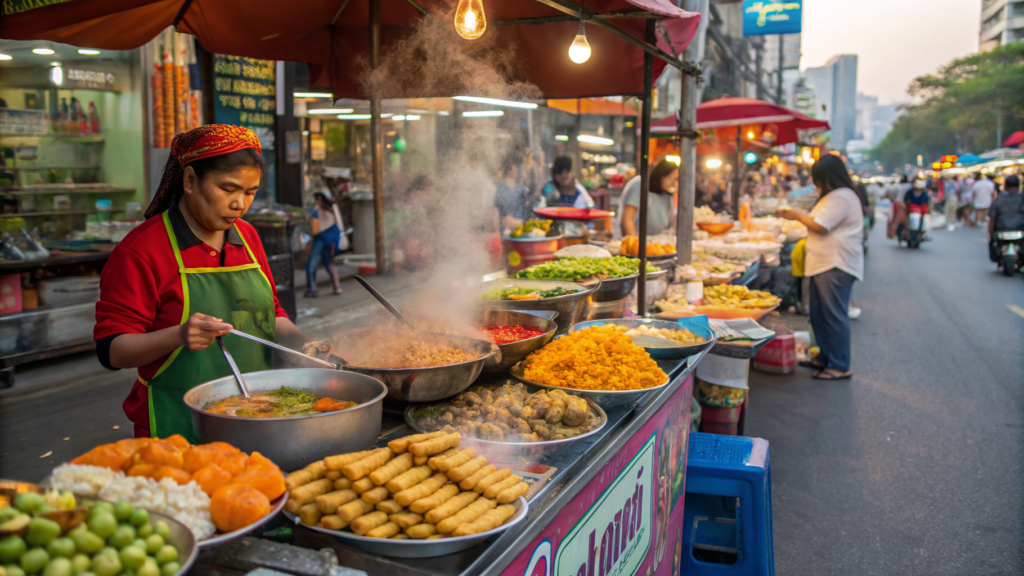
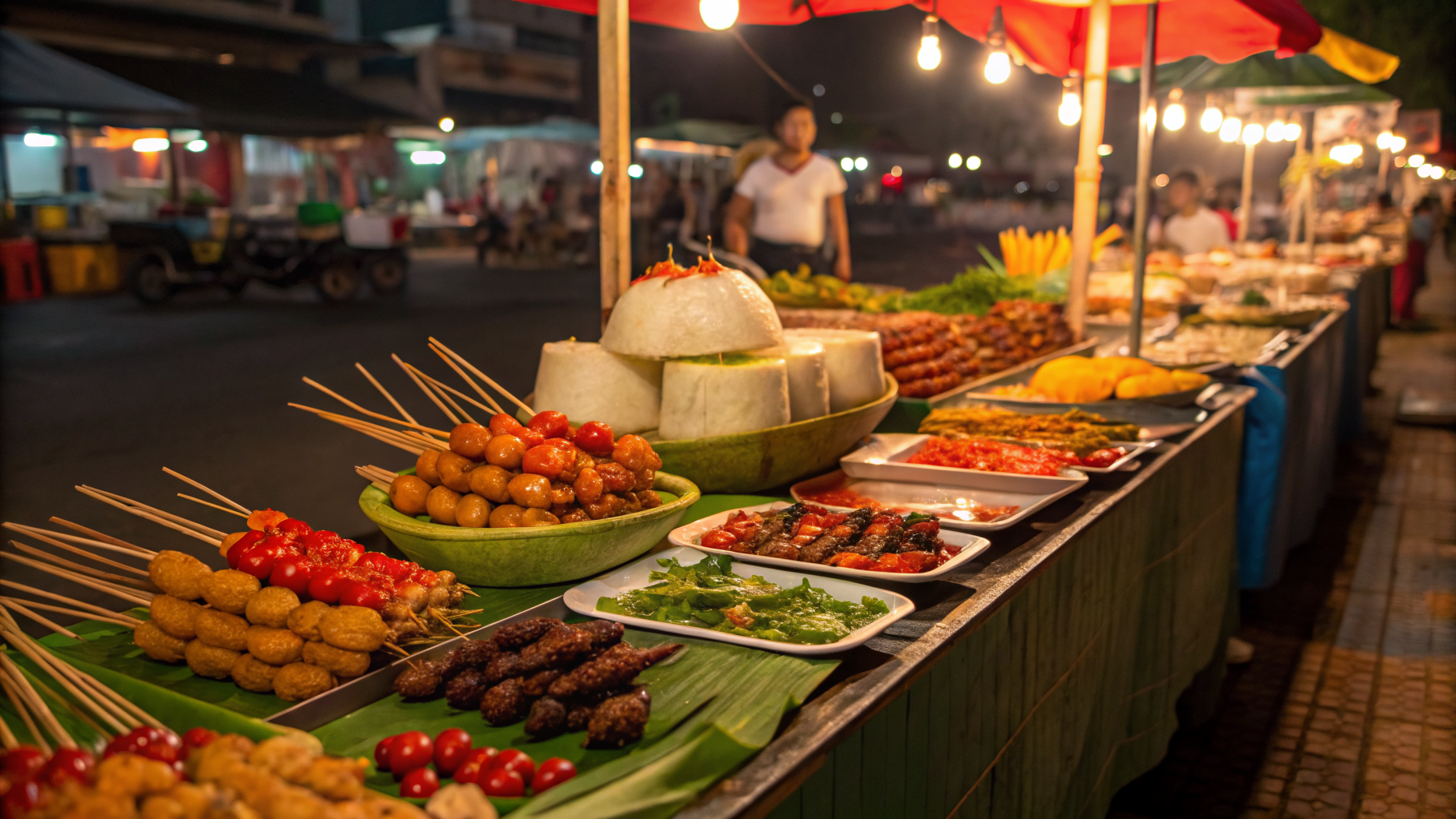
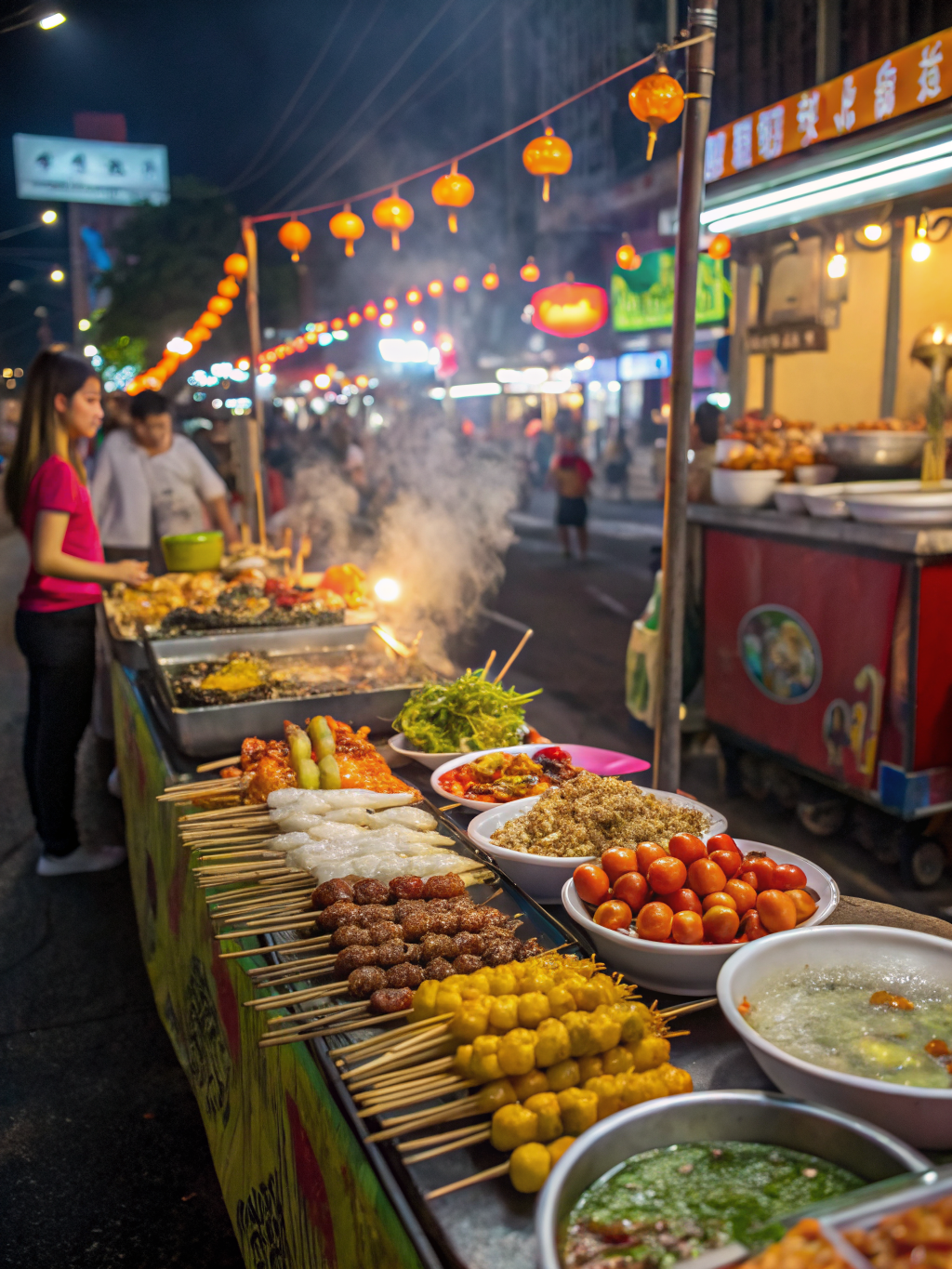
It was 11pm on Sukhumvit Soi 38 (before the developers tore most of it down), and I was standing in front of a woman who’d been grilling pork skewers at the same spot for thirty-one years. She handed me four sticks, a bag of sticky rice, and a small plastic cup of jaew sauce. Total cost: 60 baht. I’ve eaten at Michelin-starred restaurants in Bangkok since. None of them touched that night.
If you’re trying to decide where to base your next food-focused trip in Asia, the case for street food in Thailand is hard to argue with. But it’s worth comparing it honestly against the alternatives before you book.
Table of Contents
Why Thailand Still Wins the Street Food Argument
I’ve eaten my way through Hanoi, Penang, Ho Chi Minh City, Yogyakarta, and Taipei. Each has something special. But Thailand operates on a different scale — there’s a density of vendors, a depth of regional variation, and a price point that nowhere else quite matches.
Vietnam’s street food is sharper and herb-forward, but the menu narrows after a few weeks. Malaysia’s hawker culture is incredible but increasingly indoor and increasingly expensive. Bali’s warungs are charming but never aspired to the same volume. When you measure Thailand vs other destinations on sheer variety per square block, Bangkok specifically pulls ahead.
I also think most travelers underestimate how much of Thailand’s food is regional. The boat noodles in Ayutthaya don’t taste like the ones in Bangkok. Khao soi in Chiang Mai is a different animal from the version served in Mae Hong Son.
What to Actually Eat (Beyond Pad Thai)
Pad Thai is fine. It’s also the dish that vendors make for tourists who don’t know what else to order. Here’s what I’d put on a real first-week list:
- Khao kha moo — slow-braised pork leg over rice with pickled mustard greens. Look for the vendors with a giant metal pot and a pink apron uniform.
- Boat noodles (kuay teow ruea) — small bowls, dark broth, intensely savory. Eat four or five in a row.
- Som tam pu pla ra — green papaya salad with salted crab and fermented fish. The version foreigners usually order is the watered-down one.
- Moo ping with khao niao — grilled pork skewers and sticky rice. Breakfast of choice in most of the country.
- Hoy tod — crispy mussel and egg pancake. Best after midnight.
- Khanom buang — tiny crispy tacos with sweet or savory fillings.
The mistake I made on my first trip was ordering one thing per vendor and moving on. The locals around me were sharing four or five dishes across a table. The food is designed for that.
Bangkok: Where I’d Actually Send a First-Timer
Yaowarat (Chinatown) is the obvious answer, and it deserves the hype on a Friday or Saturday night. But it’s chaotic and you’ll wait 40 minutes for the famous mango sticky rice place that, honestly, isn’t even the best in the city.
I’d send a first-timer to Charoen Krung Road during the day instead. There’s a stretch near the old post office where you can eat across four or five vendors in under an hour. Then hit Yaowarat after 9pm for the seafood and the dessert stalls.
Ratchawat Market in the morning is another underrated pick. It’s where Bangkok’s chefs actually eat. The kuay jab (rolled rice noodle soup with crispy pork belly) at the corner stall is the version I keep comparing every other bowl to.
Avoid Khao San Road for food. I know it’s convenient. The pad thai there costs three times what it should and tastes like ketchup.
Chiang Mai and the North
The north plays a different game. The food is herbal, smoky, less sweet, and more dependent on fermented elements. Khao soi is the headline dish — egg noodles in a coconut curry broth with crispy noodles on top — but I think sai ua (northern Thai sausage) is what gets people hooked.
Go to Chang Phueak Gate night market in the evening. The famous “cowboy hat lady” makes the khao kha moo that everyone photographs. It’s actually as good as the queue suggests, which is rare.
For breakfast, find a khao soi shop attached to a mosque. Halal khao soi tends to use better beef and a less sweet broth. Khao Soi Islam on Charoen Prathet Road has been doing it since 1955.
Where Thailand Loses Points (Being Honest)
I’m not going to pretend everything is perfect. The Bangkok street food scene has shrunk over the last decade. The military government’s cleanup campaigns starting around 2017 removed thousands of vendors from major roads. Soi 38, where I had that life-changing meal, is mostly condos now.
Sanitation also varies more than guidebooks admit. I got food poisoning once from a som tam stall in Pai that looked completely fine. I now stick to vendors with high turnover — if the food sits, skip it.
Prices have crept up too. A bowl of noodles that cost 30 baht in 2015 is now 60–70 baht. Still cheap by global standards, but the “everything is a dollar” era is gone in tourist zones.
Practical Things I Wish Someone Had Told Me
Carry small bills. A 1,000 baht note at a 40 baht noodle stall will make the vendor visibly annoyed and might mean they can’t serve you.
Learn three phrases: mai phet (not spicy), phet nit noi (a little spicy), and aroi mak (very delicious). The last one will get you free extras more often than you’d expect.
Eat where you see monks, taxi drivers, and office workers — in that order of reliability. Tourists are a poor signal. Local uniformed workers on lunch break are the gold standard.
Don’t drink the tap water but the ice at established stalls is almost always factory-made and safe. The cylindrical ice with the hole in the middle is the giveaway.
How It Compares If You’re Choosing Between Countries
If you have two weeks and you’re picking one country specifically for food, Thailand gives you the most variety. Vietnam is a closer second than people admit — Hue alone could justify a trip. Malaysia’s Penang is the single best food city in Southeast Asia in my opinion, but it’s one city, not a country-wide experience.
Indonesia is wildly underrated but harder to navigate without local knowledge. Bali’s food scene is more about cafes than street stalls, which is fine, just different.
For a first Asia trip focused on eating, Thailand is the safer call. For a third or fourth trip when you want something less mapped, I’d point you toward central Vietnam or Sumatra.
I’m heading back to Thailand in February, and this time I’m skipping Bangkok entirely. Two weeks in Isaan — Udon Thani, Khon Kaen, and a few smaller towns where the som tam comes with whatever the vendor felt like fermenting that week. The food I’m most curious about isn’t in any guidebook I’ve read, which is exactly why I’m going. If it turns out I was wrong about the north being the best food region in the country, I’ll be glad to find out.