Bali vs Thailand: Which One Should You Visit First?
The first time I landed in Denpasar, I’d just come off a six-week trip through northern Thailand and was convinced nothing could beat the night markets of Chiang Mai. Three days later, sitting on a beach in Amed eating grilled snapper for the equivalent of four dollars, I started questioning everything I thought I knew about Southeast Asia.
If you’re trying to decide between Bali vs Thailand — or throwing Vietnam into the mix — the honest answer is that they’re three completely different trips disguised as the same kind of vacation. I’ve been to all three multiple times, and I still get the question wrong half the time when friends ask me where they should go first.
Table of Contents
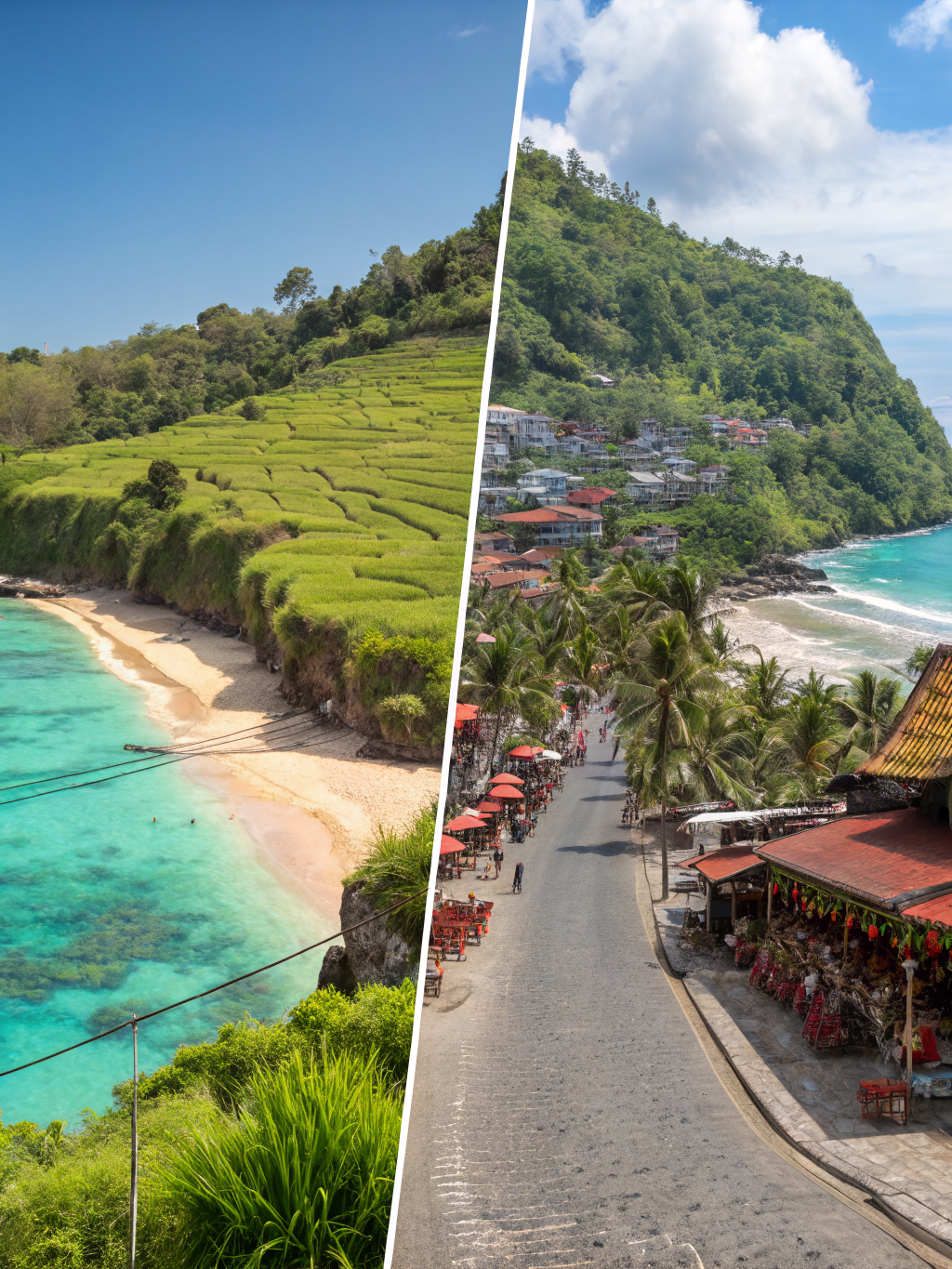
What Each Place Actually Feels Like on Arrival
Thailand hits you with infrastructure. The BTS in Bangkok works. The 7-Elevens are everywhere. You can land at Suvarnabhumi at midnight, grab a metered taxi, and be eating pad kra pao on Sukhumvit Soi 38 within an hour without thinking too hard about anything.
Bali is messier. Ngurah Rai airport spits you into a chaos of Grab drivers, scooter horns, and offerings on the sidewalk. The island runs on a slower clock, and the traffic between Canggu and Ubud — which looks like 40 minutes on Google Maps — will routinely take you 90.
Vietnam is the one that surprises people. Hanoi feels denser than both. The Old Quarter is a sensory overload of motorbikes weaving around pho carts, and the country stretches 1,650 kilometers north to south, which means you’re committing to internal flights or long sleeper trains. It’s not a one-island trip.
Cost Breakdown From My Last Three Visits
I keep a notes app log of what I actually spend, and the numbers don’t lie. On my last Thailand trip in February, I averaged $48 a day in Chiang Mai including a nice guesthouse, two meals out, coffee, and a scooter rental. Bangkok pushed that closer to $70.
Bali was the most variable. In Ubud I stayed at a family-run homestay near Penestanan for $18 a night and lived on $35 a day total. In Canggu the same lifestyle ran me $90 daily — Western cafés on Batu Bolong charge Melbourne prices now.
Vietnam was the cheapest by a clear margin. Hoi An ran me about $32 a day including a tailored shirt I didn’t need. Street pho in Hanoi is still 40,000 VND, which is about $1.60. If your budget is tight, Vietnam wins this round without much debate.
Food: Where I’ll Die On a Hill
Thai food is the best of the three. I’ll fight anyone on this. The balance of sour, sweet, salty, and spicy in a proper boat noodle soup at Victory Monument isn’t something Bali or Vietnam can match across the board.
But Vietnamese food has more depth than people give it credit for. Bún chả in Hanoi, cao lầu in Hoi An, bánh xèo in the south — these aren’t just regional variations, they’re almost different cuisines. I spent ten days in Hue just eating, and I’d do it again tomorrow.
Bali is the weakest on food, and I say that as someone who loves babi guling. Outside of Ubud and a few warungs in Sanur, the local Balinese food scene is harder to find than you’d think. Most restaurants in Canggu and Seminyak cater to tourists with poke bowls and acai. You have to actively hunt for the good stuff.
Beaches, Mountains, and What You Came For
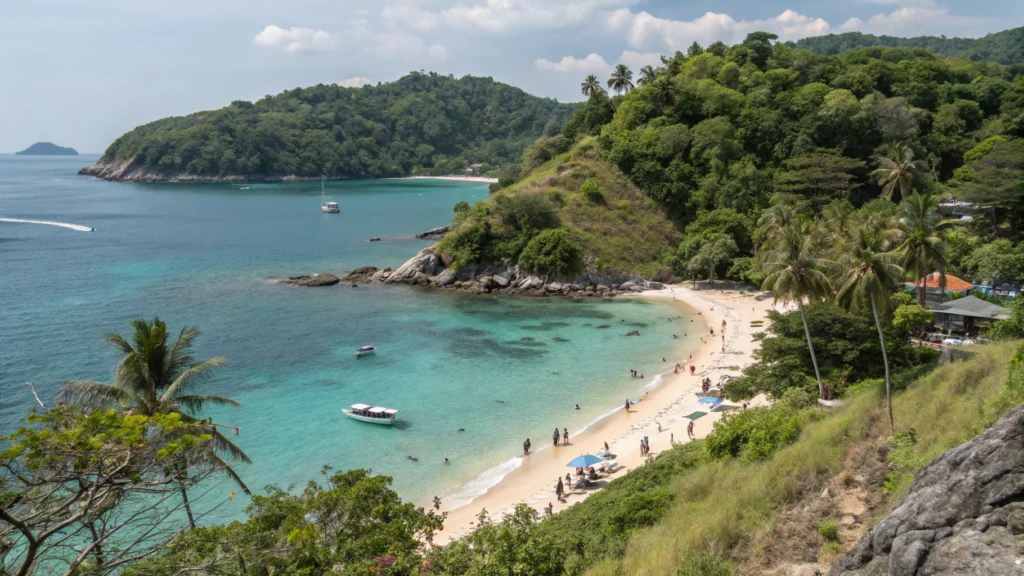
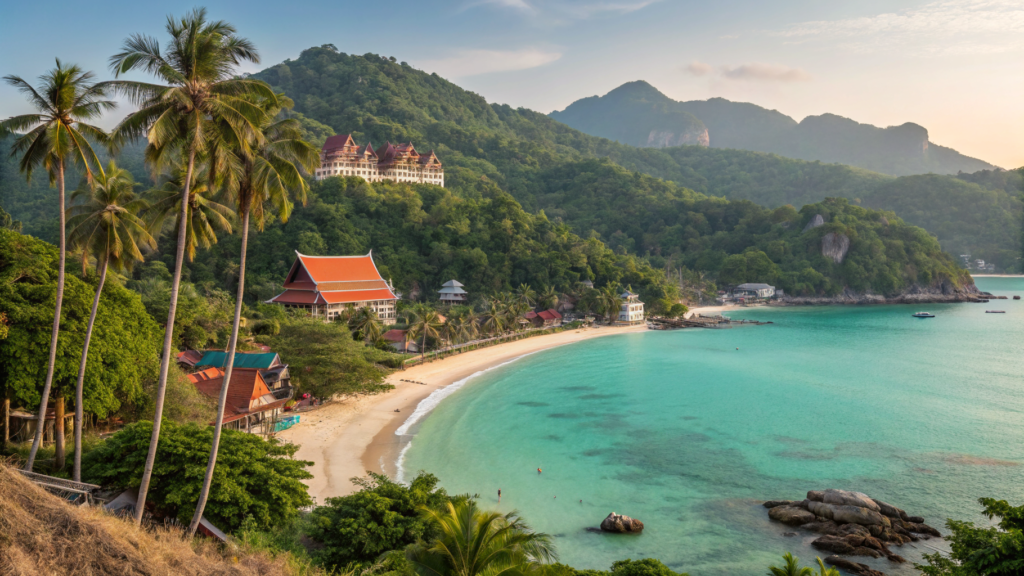
If beaches are the priority, this isn’t really a contest. The Thai islands — Koh Lanta, Koh Tao, the Similans — beat almost anything Bali has, full stop. Bali’s beaches outside of the Bukit Peninsula are dark sand, often littered, and the surf is brutal for swimmers.
Bali wins on volcanoes and rice terraces. Climbing Mount Batur at 4 AM to watch the sunrise over Agung is the kind of experience that sticks with you, even though the trail is now crowded enough that I’d probably skip it and do Sirung on Pantar instead next time.
Vietnam has the most varied geography. Ha Giang loop on a motorbike, the karsts of Halong Bay, the dunes around Mui Ne, the Mekong Delta — you could spend three months and not repeat a landscape. For a fuller breakdown of how these three stack up across regions, the comparison at Thailand vs Vietnam vs Bali goes deeper into the route logistics than I have room for here.
The Mistake I Made That You Shouldn’t
The first time I went to Bali, I booked nine nights in Seminyak because every Instagram post I saw made it look like paradise. It was loud, the beach club scene wasn’t my thing, and I spent most evenings stuck in traffic going to dinners that cost more than my flight.
The lesson: don’t plan these trips based on the place names you’ve heard of. Seminyak is the Phuket Patong of Bali. Canggu is fun if you’re 24 and want to surf and party. The Bali people fall in love with is usually Ubud, Sidemen, Munduk, or the east coast around Amed — places that don’t show up on the average two-week itinerary.
I made a similar mistake in Thailand by skipping Isaan for years because the guidebooks barely covered it. The food in Udon Thani and the temples in Nakhon Phanom were better than half of what I’d seen in the south.
Visas, Logistics, and the Boring Stuff That Matters
Thailand gives most Western passports 60 days visa-exempt on arrival as of late 2024, which is a meaningful upgrade from the old 30-day rule. Vietnam offers a 90-day e-visa for $25 that you apply for online — takes about three business days.
Bali requires a Visa on Arrival for most travelers, currently 500,000 IDR (around $35), extendable once for another 30 days. The extension process is annoying and usually requires an agent if you don’t want to spend two days at immigration in Denpasar.
For getting around: Thailand has the best domestic flight network and night trains that actually run on time. Vietnam’s open-bus tickets and Reunification Express train are slower but charming. Bali is one island, and you’ll spend more time in scooter traffic than you expect.
Who Each Place Is Actually For
Thailand is for first-timers in Asia and for people who want variety in a single country without logistical headaches. You can do beaches, mountains, cities, and ancient ruins in one trip and nothing will feel forced.
Vietnam is for travelers who want substance over polish. The country rewards slow travel and punishes people trying to cram it into ten days. If you can do three weeks minimum, go to Vietnam.
Bali is for people who want a base, not a tour. It works best when you pick one or two areas, settle in, and let the island happen to you. Treating it like a checklist trip is how you end up writing those “Bali is overrated” Reddit posts.
A Few Things Worth Knowing Before You Book
- Rainy season in Bali runs roughly November through March — and Ubud rain is a different beast than coastal rain
- Northern Thailand burns its fields from February to April, and the air quality in Chiang Mai during that window is genuinely unhealthy
- Vietnam’s weather is regional — the north can be cold and grey in January while Phu Quoc is sunny
- Bali’s Nyepi (Day of Silence) in March shuts down the entire island including the airport, which surprises a lot of travelers
If I had to pick one for someone going to Asia for the first time, I’d send them to Thailand. It’s forgiving in ways the other two aren’t. But if you’ve already done the well-trodden Southeast Asia loop and want something that’s going to challenge you a little more, Vietnam will give you more to chew on for the same money.
I’m going back to the Mekong Delta in March and I still haven’t decided whether to skip Saigon entirely or spend a week there. That’s the kind of decision these trips force on you, and honestly, it’s the part I like most.