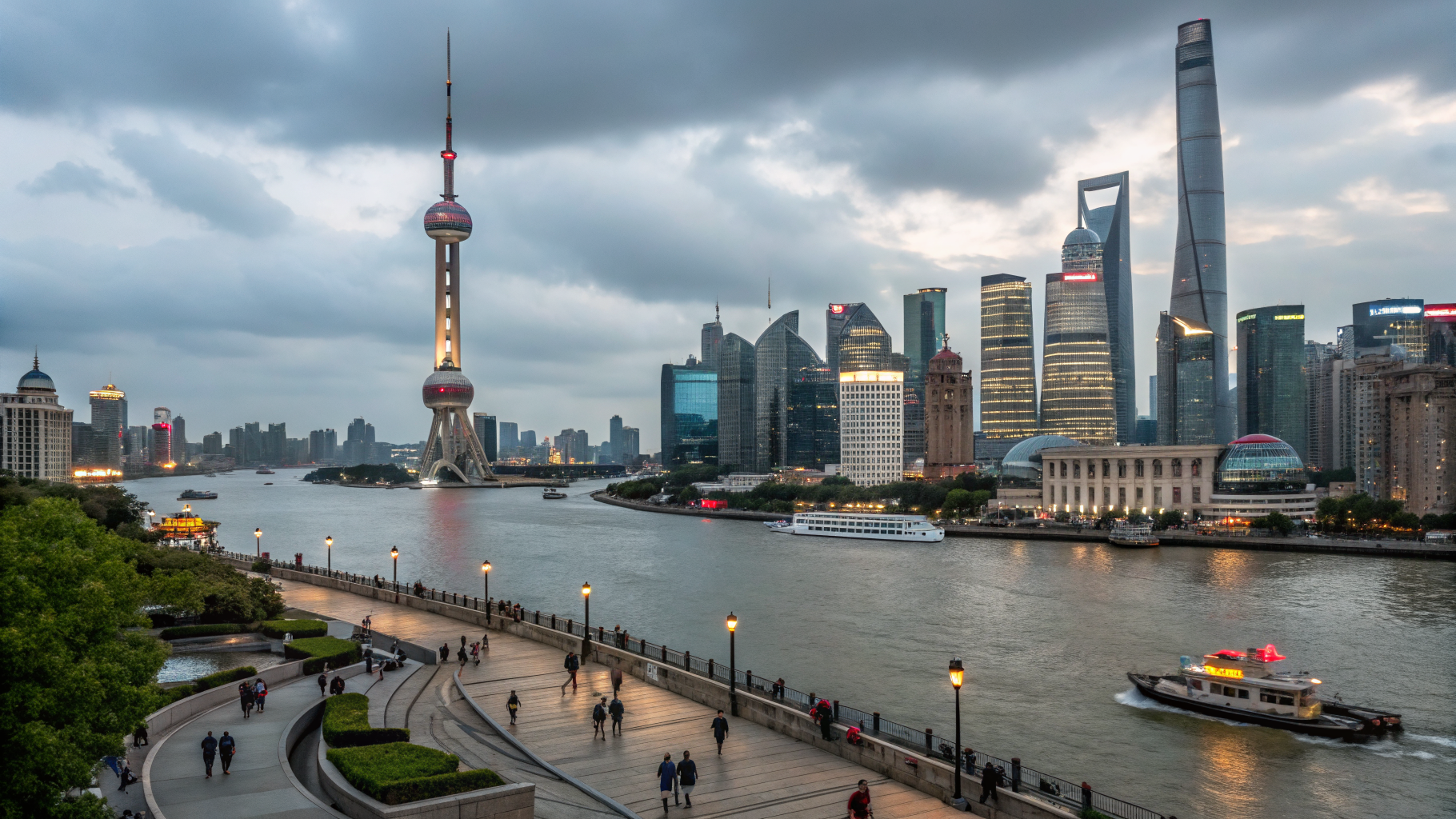
The Ultimate Shanghai Travel Guide: Tips, Itinerary & Food
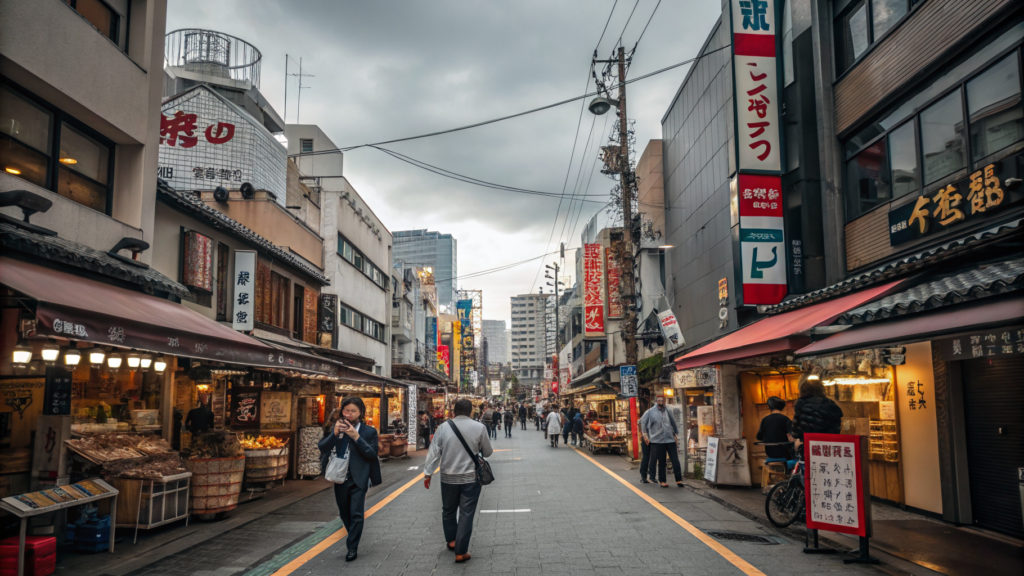
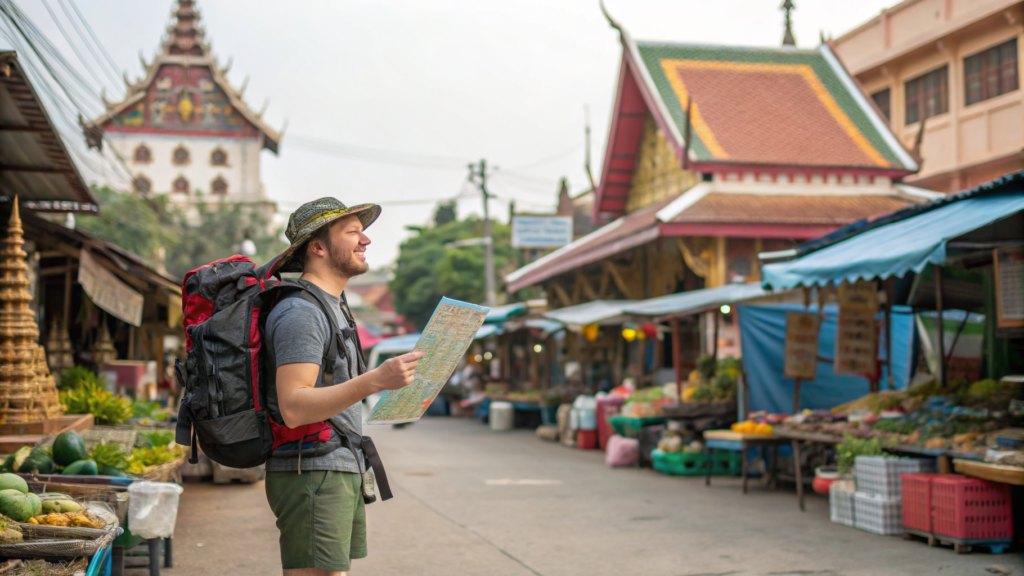
The first time I stepped out of Longyang Road station after the maglev ride from Pudong Airport, I stood frozen on the sidewalk holding a useless paper map. A woman pushing a cart of steaming baozi nearly ran me over. Behind her, the skyline glittered like something out of a sci-fi film, but at street level, an old man in pajamas was walking his bird in a cage. That contrast — futuristic and stubbornly local in the same breath — is what Shanghai actually feels like.
This Shanghai travel guide is everything I wish someone had told me before my first visit. Where to eat, how to get around without burning money, and which “must-see” spots are actually worth your morning.
Table of Contents
Getting Into the City Without Losing Your Mind
Pudong Airport is far. Like, genuinely far — about 45 km from People’s Square. The maglev is the famous option, hitting 300 km/h and costing 50 RMB one way (40 if you show a same-day boarding pass). It’s fun for the novelty, but it dumps you at Longyang Road, where you’ll still need a metro or taxi to your hotel.
Honestly? I now skip the maglev. Line 2 of the metro goes straight from Pudong Airport into the city for 8 RMB. It takes longer — about 70 minutes to People’s Square — but you avoid the awkward transfer with luggage.
Didi (China’s Uber) works if you have a Chinese SIM and Alipay set up. Cabs will run you around 200 RMB into central Puxi.
A note on payments
Cash is basically dead here. Set up Alipay or WeChat Pay with your foreign card before you land. I learned this the hard way at a noodle shop on Yunnan Road where the owner stared at my 100 RMB note like I’d handed her a fossil.
Where to Stay for a Shanghai Trip That Actually Makes Sense
Neighborhood choice matters more than hotel stars here. I’ve stayed in five different parts of the city, and the location can make or break your Shanghai trip.
- The Former French Concession — leafy streets, plane trees, cafes, indie shops. My favorite. Stay near Wukang Road if you can.
- The Bund / Nanjing Road — central, touristy, good for first-timers who want to walk to the riverfront.
- Jing’an — business district with the temple and excellent food. Good metro access.
- Pudong — skyline views, but soulless at street level. Skip unless you have a layover.
I made the mistake of booking a tower hotel in Lujiazui my first time because the photos looked incredible. The view was great. The 20-minute walk to anything resembling a neighborhood was not.
Building a 4-Day Itinerary That Doesn’t Exhaust You
Shanghai rewards slow walking. Cramming five districts into one day means you’ll see everything and remember nothing.
Day 1: The Bund and Old City
Start early at the Bund — like 7 AM early. The light is better, the selfie crowds haven’t arrived, and the riverside breeze hasn’t turned humid yet. Walk south toward Yuyuan Garden. The garden itself costs 40 RMB and takes about an hour. The surrounding bazaar is a tourist trap, but the xiaolongbao at Nanxiang Mantou Dian is genuinely good if you’re willing to queue.
Day 2: French Concession Wandering
No agenda. Walk from Anfu Road to Wukang Mansion, drop into Ferguson Lane, eat somewhere with a chalkboard menu. Tianzifang is on every list but it’s become a kitsch souvenir maze. I prefer the quieter lanes around Xinle Road.
Day 3: Museums and Modern Shanghai
The Shanghai Museum on People’s Square is free but requires online booking 24 hours ahead. The new Pudong branch is bigger and less crowded. Afternoon: Power Station of Art for contemporary exhibitions.
Day 4: A Day Trip
Zhujiajiao water town is 50 minutes by bus from People’s Square. Go on a weekday. The canals, stone bridges, and zongzi vendors feel like a different century, even with the tour groups.
What to Actually Eat in Shanghai
Forget what you’ve read about “Shanghai cuisine” being sweet. That’s true for braised pork belly (hongshao rou), but the city’s food scene is massive and varied.
The dishes I’d put on a non-negotiable list — sorry, the dishes I’d put on a list I refuse to compromise on:
- Shengjianbao at Yang’s Fry Dumpling — pan-fried pork buns, crispy bottom, soup inside. 8 RMB for four.
- Xiaolongbao at Jia Jia Tang Bao on Huanghe Road, not the famous chain. The skin is thinner.
- Cong you ban mian — scallion oil noodles. Simple, devastating. Try it at A Niang Mian.
- Hairy crab if you’re visiting October–November. Expensive, ritualistic, worth it once.
- Drunken chicken — cold dish, marinated in Shaoxing wine. Found at most old-school restaurants.
The mistake I made on my second trip was eating only at famous places. The best meal I had was at a hole-in-the-wall on Dagu Road where I pointed at what the man next to me was eating. Forty RMB for noodles, pickles, and a beer.
Getting Around the City
The metro is excellent. Fourteen lines, English signage, clean trains. Buy a transit card (Shanghai Public Transportation Card) at any station for 20 RMB deposit and load it up. It works on buses, ferries, and most taxis.
Walking the French Concession is the point of being there. Don’t metro between stops that are 1 km apart. Bikes via Hellobike or Meituan work if you can register with a Chinese number.
One thing I underestimated: distances on the map look small but Shanghai is massive. People’s Square to Xintiandi looks like a stroll. It’s 30 minutes if you walk fast.
The Mistake I Made That Cost Me Two Days
On my first Shanghai trip, I didn’t set up a VPN before arriving. Google, WhatsApp, Instagram, Gmail — all blocked. I spent the first 48 hours unable to access my Airbnb instructions, my flight info, or message anyone back home.
Install a VPN before you land. ExpressVPN and Astrill are the two that consistently work, though performance changes month to month. Download offline maps in Maps.me or Apple Maps as backup. Get an eSIM with international roaming if you can — China Mobile roaming sometimes bypasses the firewall.
Money, Weather, and Small Things That Add Up
October and November are the best months. Clear skies, mild temperatures, hairy crab season. Summer is brutal humidity. Winter is grey and damp but flights are cheap.
Budget-wise, I spend around 600–800 RMB per day mid-range — that includes a decent hotel, three meals out, attractions, and metro. You can do it on 300 if you’re staying in hostels and eating at street stalls. You can also drop 3,000 in a single evening at a Bund rooftop bar without trying.
Tipping isn’t a thing. Service charge is sometimes added at upscale places. Bargaining is expected in markets, not in shops with price tags.
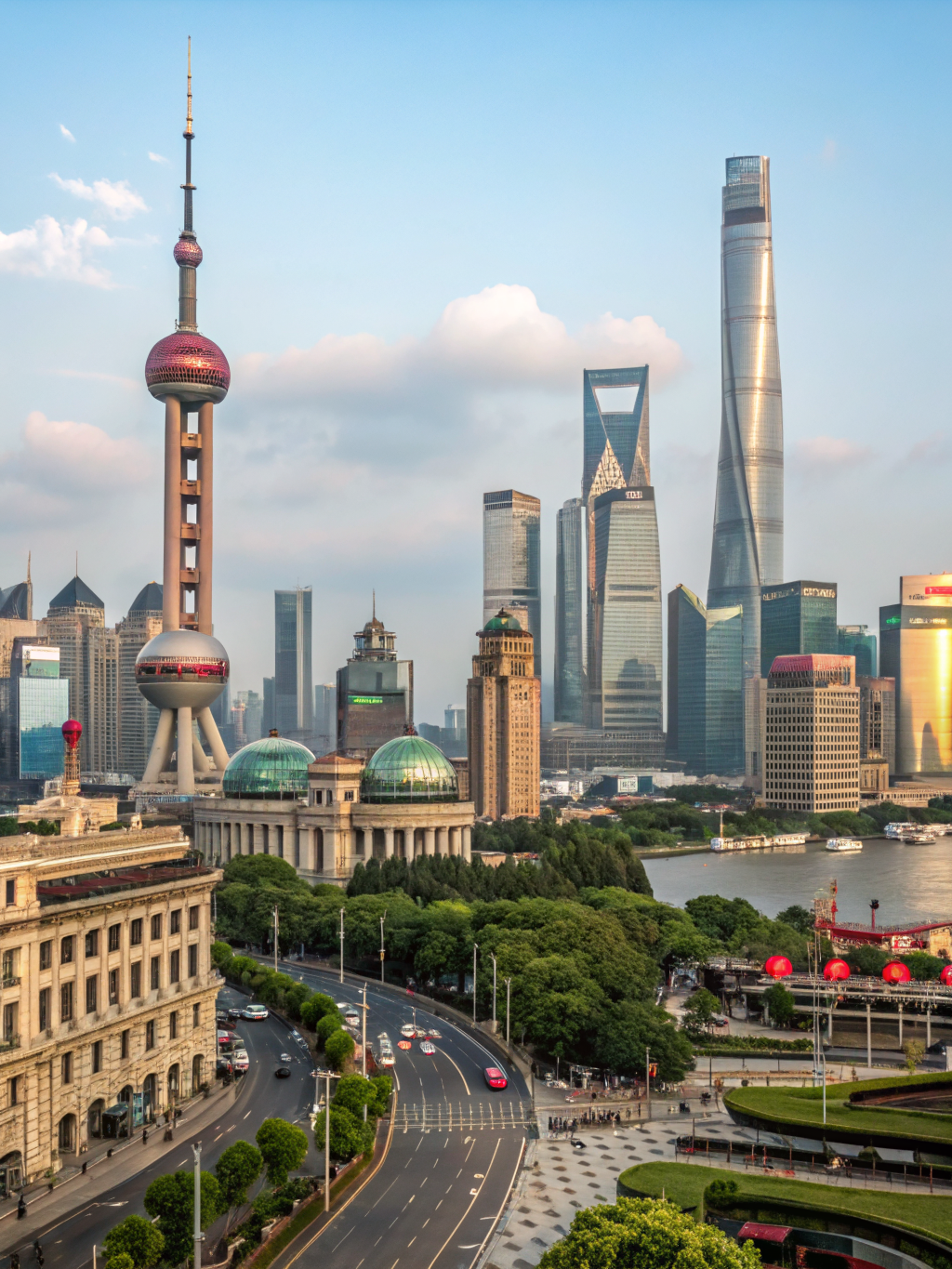
If I were going back next month — and I might be, depending on whether I can wrangle the visa — I’d skip the Pearl Tower entirely and spend an extra day in the western suburbs around Qingpu. The places I keep returning to in Shanghai aren’t the postcard ones. They’re the noodle shops where the owner remembers your face on the second visit, and the quiet lanes where someone’s grandmother is doing tai chi at 6 AM while the city sleeps off another night. That’s the version of Shanghai I’m still chasing.