Visiting Kyoto Bamboo Forest in Summer: Best Time to Beat the Crowds
The first time I walked into Arashiyama at 6:47 in the morning, there were exactly four other people on the path. By 9 AM, it looked like a Tokyo train platform. That gap, those two hours, is basically the whole secret of this place, and nobody tells you about it properly.
I’ve been to Kyoto three times now, twice in summer, and I still think the bamboo grove is worth the hype. But only if you play it right. This guide is what I wish someone had handed me before my first visit, when I showed up at 11 AM in July wearing jeans and wondering why I couldn’t get a single decent photo.
Table of Contents
Why Summer Is Actually the Best Time to Visit (If You Plan It Right)
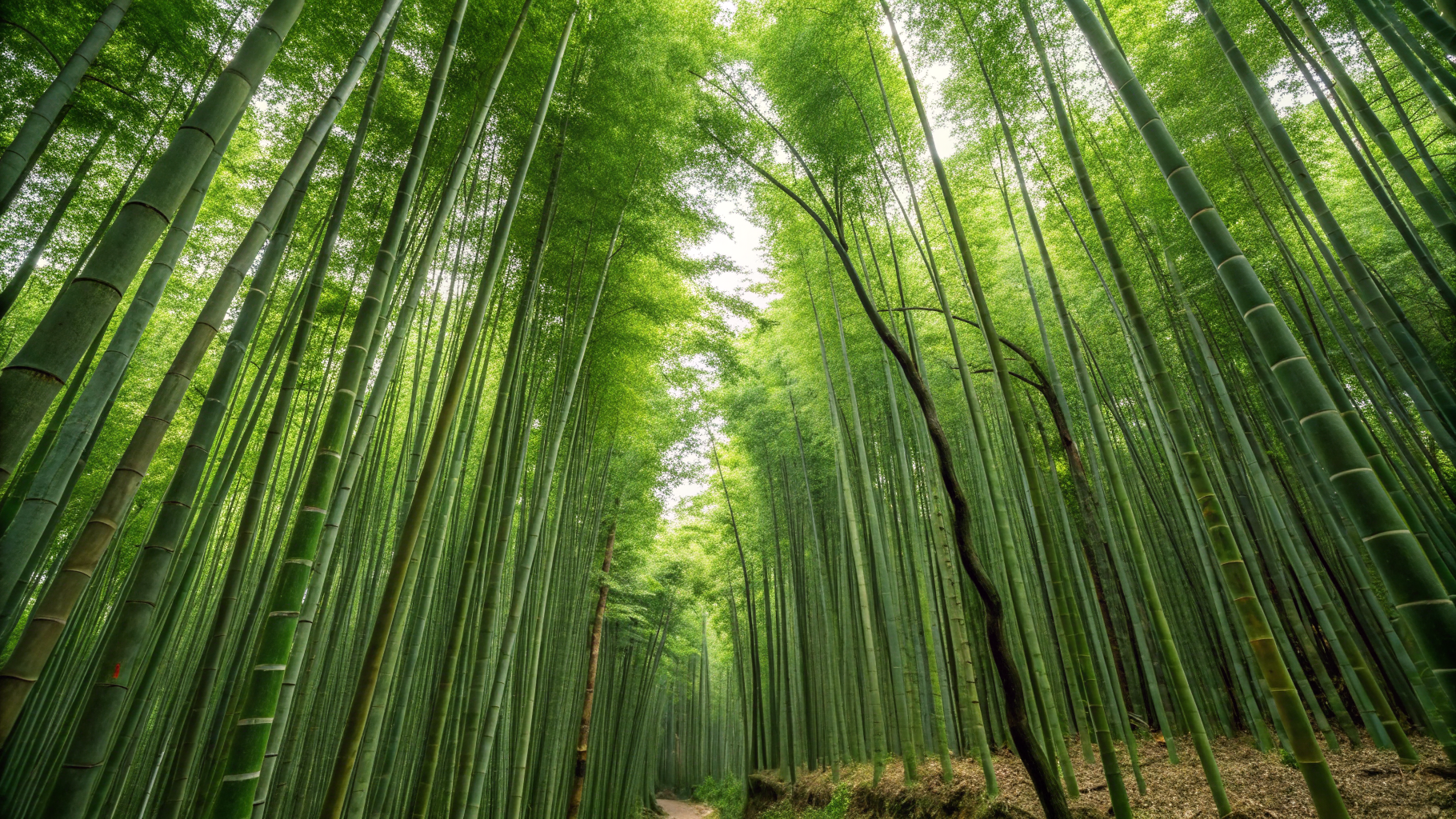
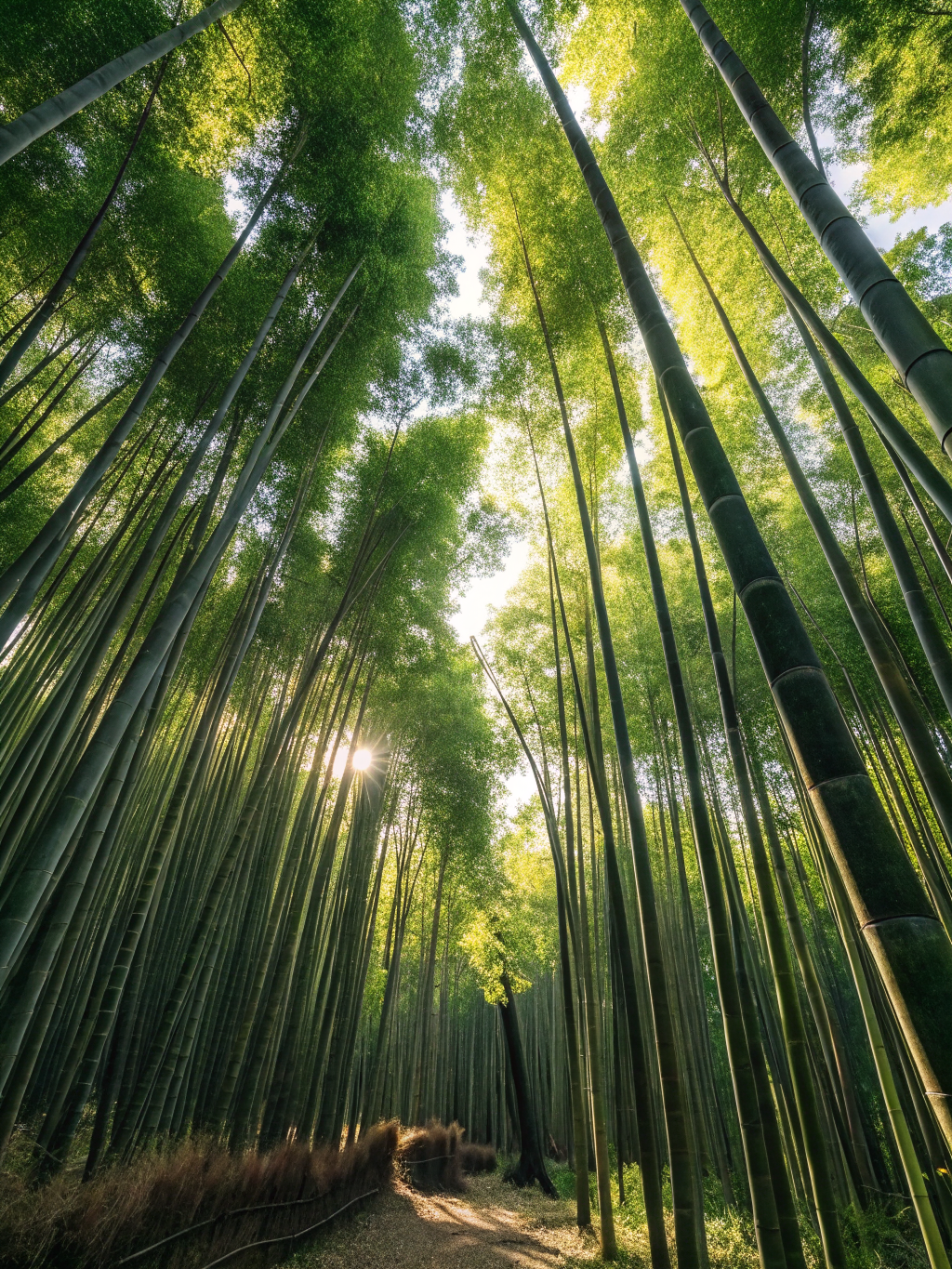
Everyone tells you to visit Kyoto in cherry blossom season or autumn. I disagree. Visiting the kyoto bamboo forest summer season means fewer tour buses, greener bamboo, and that specific quality of filtered green light you don’t get any other time of year.
Yes, it’s humid. Yes, you’ll sweat through your shirt by 8 AM. But the light hitting the bamboo canopy in July creates this underwater cathedral effect that photos never quite capture. Autumn crowds are brutal, I watched a woman in November literally get shoved off the path near Nonomiya Shrine.
Summer temperatures in Kyoto hover between 27–35°C with humidity that feels personal. Bring more water than you think.
The Only Timing That Works
Here’s the deal with the arashiyama bamboo grove: it’s not ticketed, not gated, and never closes. Which means the timing game is entirely on you.
I’ve tried three windows and only one works:
- 5:30–7:00 AM: Empty, cool, magical. The path from the Nonomiya Shrine entrance to the Okochi Sanso villa feels like a private tour.
- After 5:30 PM: Crowds thin but the light gets flat and the bugs come out.
- Midday: Don’t. Just don’t.
The first JR train from Kyoto Station to Saga-Arashiyama runs around 5:45 AM. Cost me 240 yen. I stayed in a guesthouse near Nishioji-Oike specifically to make this run easier, and it was worth every early alarm.
The Mistake I Made My First Visit
Here’s the honest confession. On my first trip, I read a blog that said “the bamboo grove is overrated, skip it.” So I went in the afternoon on my way to the monkey park, expecting to be underwhelmed and prove the blogger right.
I hated it. It was suffocating, loud, and I couldn’t get more than two meters of empty path in any direction. I left thinking the writer had been correct.
Then a Japanese friend told me I’d basically visited a subway station at rush hour and called it a temple. She dragged me back on my second trip at sunrise. Completely different place. Completely different experience. The lesson: half the “overrated” travel takes online are just people who visited at the wrong time.
What to Actually Do Around the Grove
The bamboo path itself is short. Maybe 500 meters of the truly iconic section. If that’s all you do, you’ll be back at the station in 20 minutes wondering if that was it.
Build the day out properly:
- Tenryu-ji Temple: The garden here is a UNESCO site and connects directly to the north end of the bamboo path. 500 yen entry. Go early, it opens at 8:30 AM.
- Okochi Sanso Villa: Former home of a silent film actor. 1,000 yen includes matcha and a view over Kyoto that almost nobody talks about.
- Katsura River boat rides: I paid about 1,500 yen for a small traditional boat ride in July. Cooler on the water and gets you away from the crowds entirely.
- Yudofu lunch at Shoraian: Tofu cuisine sounds boring until you eat it in a wooden restaurant hanging over the river. Around 3,800 yen for the set.
Skip the rickshaw rides unless you genuinely enjoy being photographed by strangers. They cost 9,000 yen for 30 minutes and the runners have to work through the exact same crowds you’re trying to escape.
Getting There Without Losing Half Your Day
Two options from central Kyoto, and one is clearly better.
The JR Sagano Line from Kyoto Station to Saga-Arashiyama takes 15 minutes and costs 240 yen. This is what I use every time. The Randen Tram from Shijo-Omiya is more scenic but takes 25 minutes and involves a transfer that confused me twice.
If you’re staying near Gion, you can also grab bus 28. Takes about 45 minutes in summer traffic though, and I’ve been on that bus when it was so packed I couldn’t reach the fare box.
Walking from Saga-Arashiyama Station to the bamboo grove entrance is about 10 minutes. There’s a Lawson convenience store on the way — grab a cold barley tea and an onigiri. That combination got me through three summer mornings.
The Photo Situation
Everyone wants the shot. The empty path stretching into infinite green. Here’s what actually works.
Face north when you enter from the Nonomiya Shrine side. The morning light comes through the east side of the grove and creates that specific glow. Don’t use flash, the bamboo eats it and your photo looks flat.
The best 30-meter stretch is between the small stone lantern about halfway through and the wooden fence near the Okochi Sanso entrance. I stood there for 20 minutes at 6:15 AM and got maybe eight usable shots. Even at that hour, you’re waiting for gaps.
Phone cameras handle this better than you’d think. The bamboo is so dense that dynamic range is actually forgiving. Where phones struggle is the wind, the bamboo moves constantly and you’ll get motion blur if your shutter speed drops.
What to Wear and Bring in Summer
Kyoto in July and August is brutal in a way that surprises Western visitors. I’ve watched people in jeans nearly collapse near the Togetsukyo Bridge.
Bring:
- A hand towel (Japanese convenience stores sell them for 300 yen, locals carry these constantly for a reason)
- Salt tablets or salty snacks
- More water than you think, or a plan for where to refill
- Actual sun protection, not a baseball cap you bought at the airport
- Shoes you can walk 15,000 steps in
Skip the umbrella unless it’s actually raining. Parasol umbrellas are common among Japanese women but as a foreign tourist swinging one through crowds you’ll take somebody’s eye out.
Is It Worth It?
Honestly? Only if you commit to doing it right. If you show up at 11 AM in a group of six people expecting a peaceful nature experience, you’re going to leave angry and 400 yen poorer from vending machine drinks.
But at 6 AM, with the light coming through and the sound of the bamboo creaking above you, that’s one of the moments I remember most clearly from all my Japan trips. It’s not the longest walk or the most dramatic landscape in Kyoto. It’s just a very particular kind of beautiful that requires a very particular kind of effort to actually see.
I’m going back next year, probably in late June this time to catch the tail end of rainy season. There’s a specific green the bamboo turns after a morning shower that I’ve only seen once and want to photograph properly. Whether that’s a good idea or a mistake, I’ll find out then.