Best Tourist Places in Asia: An Honest Country-by-Country Guide
Asia pulls in more international tourists than any other region on earth, which means the travel advice is also more cluttered than anywhere else. Most “best places in Asia” articles recycle the same five destinations with the same five superlatives. This one tries to do something more useful: give you an honest read on what each country actually delivers, who it suits, and what most guides leave out.
Five countries covered in depth: Japan, Thailand, Indonesia, Vietnam, and Singapore. Plus a comparison table and honest notes on the others worth knowing about.
Table of Contents
Quick Article Summary
- Focus: The best tourist places in Asia—real talk, honest pros/cons, and can’t-miss spots.
- Countries Covered: Japan, Thailand, Indonesia, Vietnam, Singapore—plus sneaky mentions of other cool cities.
- What You’ll Get: A side-by-side look at each country’s highlights, travel vibes, food, and culture.
- Why It Matters: Vacation time = rare. Don’t waste it in generic tourist traps!
- FYI: I’ve actually roamed most of these places IRL (and survived). Expect hot takes mixed with solid data.
Why Asia’s the Ultimate Adventure Playground
Let’s be real: Asia absolutely crushes it when it comes to travel variety. Think neon-lit megacities, backpacker beaches, mist-shrouded mountains, and street food scenes that would make Gordon Ramsay weep tears of joy (or maybe just sweat through his chef’s whites).
Asia pulls in over 360 million international tourists a year (UNWTO, 2023). Why? Here’s the deal:
- You get mind-blowing cultural depth (temples! traditions! K-pop flash mobs!).
- Food scenes are next-level. Goodbye sad sandwiches, hello pad Thai, sushi, and satay!
- Budget? Luxe? Solo? Family? Asia welcomes all budgets and travel styles—no judgment.
- Safety: Most places are generally safe, with a bit of street smarts and common sense.
And IMO, nothing beats the value for your money—Asia is where you can live like royalty on a ramen budget (especially outside Singapore, but we’ll talk about that).
Japan: Tradition, Tech, and the World’s Best Ramen
Japan is the most logistically seamless country I’ve traveled in Asia. Trains run to the second. Streets are clean. People go out of their way to help even when there’s a language barrier. The combination of ancient temples, modern cities, extraordinary food, and a culture that rewards slow exploration makes it the destination that most travelers say changed how they think about travel.
Top Cities
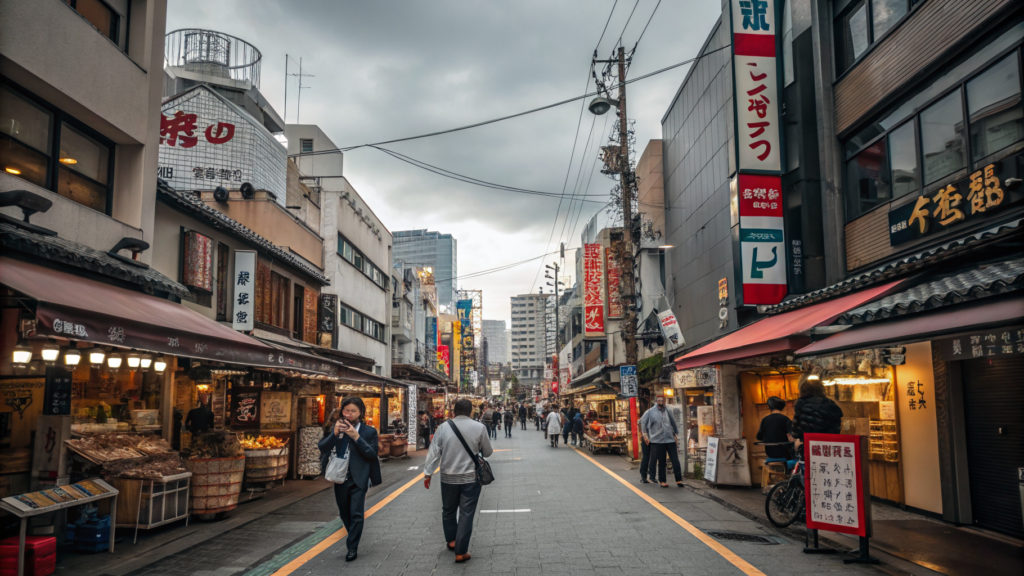
- Tokyo: The city that never sleeps (except during a power nap on the train). Shibuya Crossing, Akihabara arcades, mouthwatering sushi counters, and the ancient Meiji Shrine.
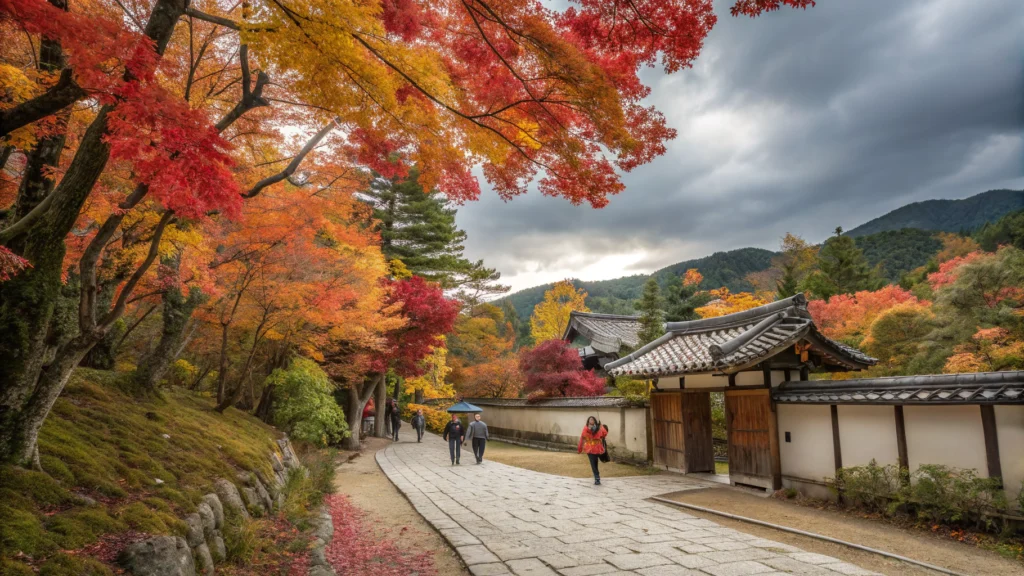
- Kyoto: 2,000+ temples, elusive geishas, and cherry blossoms that’ll make you cry if you miss peak season (usually late March–early April).
- Osaka: Street food heaven (takoyaki, anyone?), neon madness, and the friendliest locals you’ll ever meet in Japan.
Pros:
- Super clean and safe—even the toilets might outsmart you.
- Mind-blowing public transport—trains so punctual, you could set your watch by them.
- Rich mix of old + new (think centuries-old shrines next to Pokémon Centers).
Cons:
- Can be pricey—especially city hotels and transport.
- Some English language barriers (just learn “Sumimasen!” and grin a lot—works wonders).
Can’t-Miss Experiences
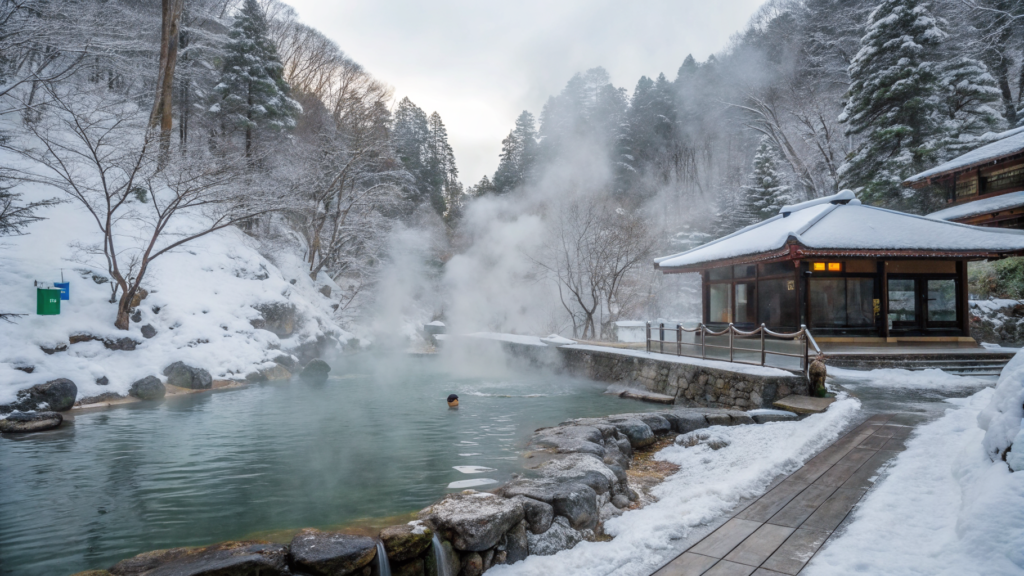
- Sleep in a ryokan (traditional inn): Tatami mats, kaiseki meals, and hot springs.
- Snag limited-edition KitKats—yes, wasabi is a thing.
- Explore Nara’s deer park—try not to get mugged by the deer for rice crackers. I learned that the hard way!
Thailand: Beaches, Temples, and the Ultimate Street Food
Thailand is the entry point for most first-time Southeast Asia travelers, and it earns that status. The infrastructure for tourism is mature — transport links are good, English is widely spoken in tourist areas, and the range of experiences is broad enough to satisfy beach seekers, temple enthusiasts, and food obsessives simultaneously.
Top Cities & Islands
- Bangkok: Temples galore (Wat Arun!), floating markets, rooftop bars with insane city views.
- Chiang Mai: Laid-back northern vibe, elephant sanctuaries, bustling night markets.
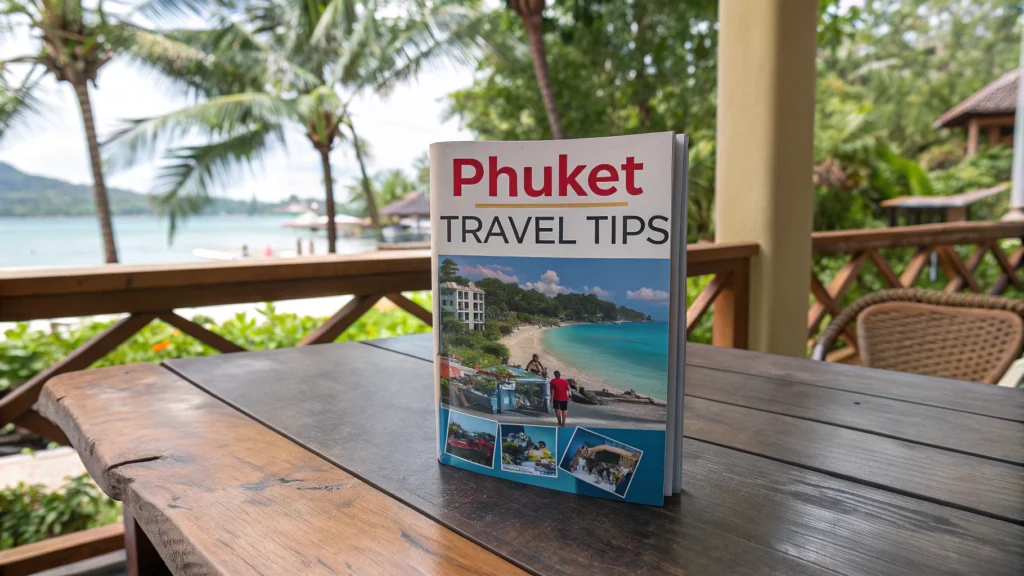
- Phuket & Krabi: White-sand beaches, turquoise waters, and James Bond Island (yep, it’s real).
Pros:
- Insanely affordable—from hotels to hawker stalls.
- Food. Is. Life. (Pad Thai, mango sticky rice, spicy Tom Yum soup—need I go on?)
- Welcoming to first-time travelers—easy to get around, friendly English speakers.
Cons:
- Some spots (looking at you, Phuket) can feel super touristy.
- Pollution and over-tourism in places—pick your spots to avoid the crowds.
Can’t-Miss Experiences
- Go island-hopping by longtail boat
- Eat your way through a Bangkok night market
- Take a cooking class in Chiang Mai—I set off a small fire, but learned to make killer curry.
Indonesia: Islands, Volcanoes, and Culture (Yes, Bali—But Way More)
Indonesia has 17,000 islands, which means “going to Indonesia” covers more geographic and cultural variety than visiting several European countries combined. Most international visitors go to Bali, which is reasonable — Bali is genuinely beautiful — but limiting.
Top Destinations
- Bali: Rice terraces, beach clubs, temples, surfing, smoothie bowls… Paradise, period.
- Jakarta: Massive, chaotic capital, foodie central, modern malls.
- Yogyakarta: Center of Javanese culture, gateway to Borobudur and Prambanan temples.
- Komodo Island: Pink beaches and (yep) Komodo dragons.
Pros:
- Stunning diversity—beaches, mountains, jungles, and crazy wildlife.
- Friendly, genuinely curious locals
- Epic adventures for all budgets—from backpacker to baller.
Cons:
- Bali can get hella crowded in high season—pick lesser-known islands if you want chill.
- Infrastructure can be a challenge (think bumpy roads and “relaxed” time schedules).
Can’t-Miss Experiences
- Dive or snorkel at Raja Ampat—they say it’s the best in the world.
- Visit Borobudur at sunrise—seriously, I still get goosebumps thinking about it.
- Go volcano trekking on Mount Bromo
Vietnam: History, Street Eats, and Breathtaking Landscapes
Vietnam has one of the most varied landscapes in Southeast Asia packed into a narrow country — rice terraces and mountain roads in the north, limestone karst seascapes in the northeast, ancient trading towns in the center, Mekong Delta in the south. A single trip from Hanoi to Ho Chi Minh City covers more visual variety than most month-long trips elsewhere.
Top Cities
- Hanoi: Messy streets, French colonial vibes, epic egg coffee.
- Ho Chi Minh City (Saigon): Non-stop traffic, sky bars, war museums, and endless pho.
- Hoi An: Lantern-lit ancient town that floods your Insta with likes.
Pros:
- Insanely good value—seriously, you can eat a “Michelin-level” meal for under $5.
- Epic street food culture—Banh mi, fresh spring rolls, bun cha… Bring stretchy pants.
- Stunning scenery: Halong Bay, Sapa rice terraces, Ha Giang’s crazy roads.
Cons:
- Crossing the street is a contact sport. Just walk confidently—they’ll swerve (most of the time).
- Some tourist scams and aggressive vendors—just smile and walk away.
Can’t-Miss Experiences
- Motorbike the Hai Van Pass—I never felt more alive (or terrified).
- Cruise through Halong Bay
- Take a street food tour in Hanoi (trust the locals for the best spots).
Singapore: Futuristic, Food-Famous, and Clean Enough to Eat Off the Street
Singapore is the outlier on this list — a city-state of 5.5 million people with no rural hinterland, no beaches of its own, and prices that approach Western Europe. It belongs here because it’s one of the most genuinely impressive cities in the world and because it works as a stopover hub that repays a 2–3 day stay rather than just a transit.
Highlights
- Marina Bay Sands: That boat-shaped rooftop is the ultimate city view.
- Gardens by the Bay: Supertree Grove lights = literal magic.
- Orchard Road & Haji Lane: Shopping, street art, indie boutiques.
Pros:
- Squeaky clean (with strict rules)—chewing gum, not so much.
- Foodie heaven—mix of Malay, Chinese, Indian, Peranakan, and more at every hawker center.
- Super safe and super modern—MRT system for the win!
Cons:
- Pricey: Even a hostel can run more than a three-star hotel in Vietnam. (But hey, you can drink the tap water—seriously rare in Asia!)
- Can feel a bit sanitized or “orderly” for thrill-seekers.
Can’t-Miss Experiences
- Eat chili crab and Hainanese chicken rice
- Night Safari at Singapore Zoo
- Sip a Singapore Sling at Raffles (if your bank account can handle it)
Quick Comparison Table: The Best Tourist Places in Asia at a Glance
| Country | Vibe | Can’t-Miss Experience | Avg Daily Budget (USD) | Top City/Island |
|---|---|---|---|---|
| Japan | Futuristic, serene | Temple hopping, sushi splurge | $80–$200+ | Tokyo, Kyoto |
| Thailand | Easygoing, lively | Eat-all-you-can street food tour | $40–$80 | Bangkok, Phuket |
| Indonesia | Laid-back, spiritual | Surfing, volcano treks | $35–$90 | Bali, Yogyakarta |
| Vietnam | Energetic, wild | Motorbiking, egg coffee | $25–$70 | Hanoi, Hoi An |
| Singapore | Modern, polished | Hawker feasting, Gardens by Bay | $80–$150+ | Singapore |
Other Destinations Worth Knowing
South Korea — Seoul is one of the most underrated cities in Asia for food, nightlife, and design. Jeju Island to the south has genuinely beautiful coastline.
Malaysia — Penang has the best street food in Southeast Asia by many measures. The Borneo states of Sabah and Sarawak have wildlife — orangutans, pygmy elephants, proboscis monkeys — that justifies the trip alone.
Philippines — Palawan and El Nido specifically have some of the most dramatic island scenery in the world. Logistics are harder than most of Southeast Asia but the payoff is significant.
The honest answer to “where should I go first” depends entirely on what you’re after. Japan if you want a country that rewards careful attention. Thailand if it’s your first time in the region and you want something forgiving. Vietnam if you want maximum landscape variety on a tight budget. Indonesia if islands and diving are the priority. None of them are wrong choices.