How to exchange money and use ATMs in Asia safely
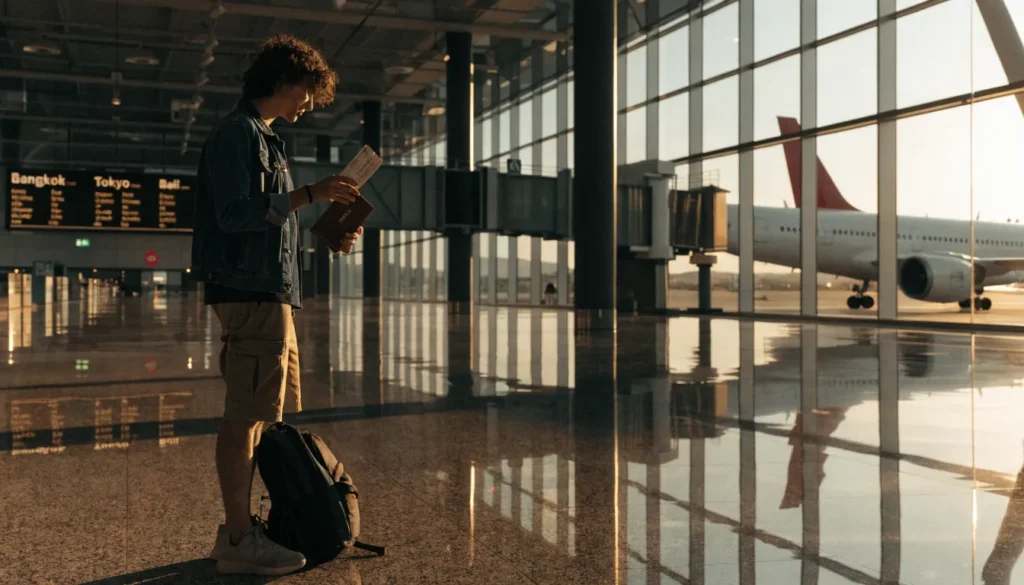
Stepping off a 15-hour flight into the chaotic humidity of Bangkok or Manila feels amazing. You instantly want to grab a steaming bowl of spicy noodles or hail a cheap tuk-tuk to your hotel. But first, you need local cash. Exchanging money at those glowing airport counters ruins your travel budget instantly because they offer terrible rates.
I learned the hard way that finding the Best ATMs in Southeast Asia takes actual strategy. You probably want to figure out how to exchange money and use ATMs in Asia safely so you dodge those shocking foreign transaction hits.
Table of Contents
During my first few backpacking trips, I carelessly inserted my main bank card into every random machine I saw. I checked my bank statement weeks later and almost cried at the sea of $5 withdrawal hits and hidden 3% conversion markups. Predatory banks steal hundreds of dollars from unaware travelers every single minute. I wrote this guide to stop that from happening to you. Keep your hard-earned money strictly for incredible street food, island boat tours, and cheap beach front massages.
Stop Using Airport Exchange Counters
Those bright currency windows at baggage claim prey on exhausted tourists. They practically scream convenience, but they hide terrible exchange margins under the guise of “zero commission.” You lose roughly 10% to 15% of your total value just by handing over your crisp home currency. I only use them if I absolutely need $20 for a quick local taxi ride into the city center.
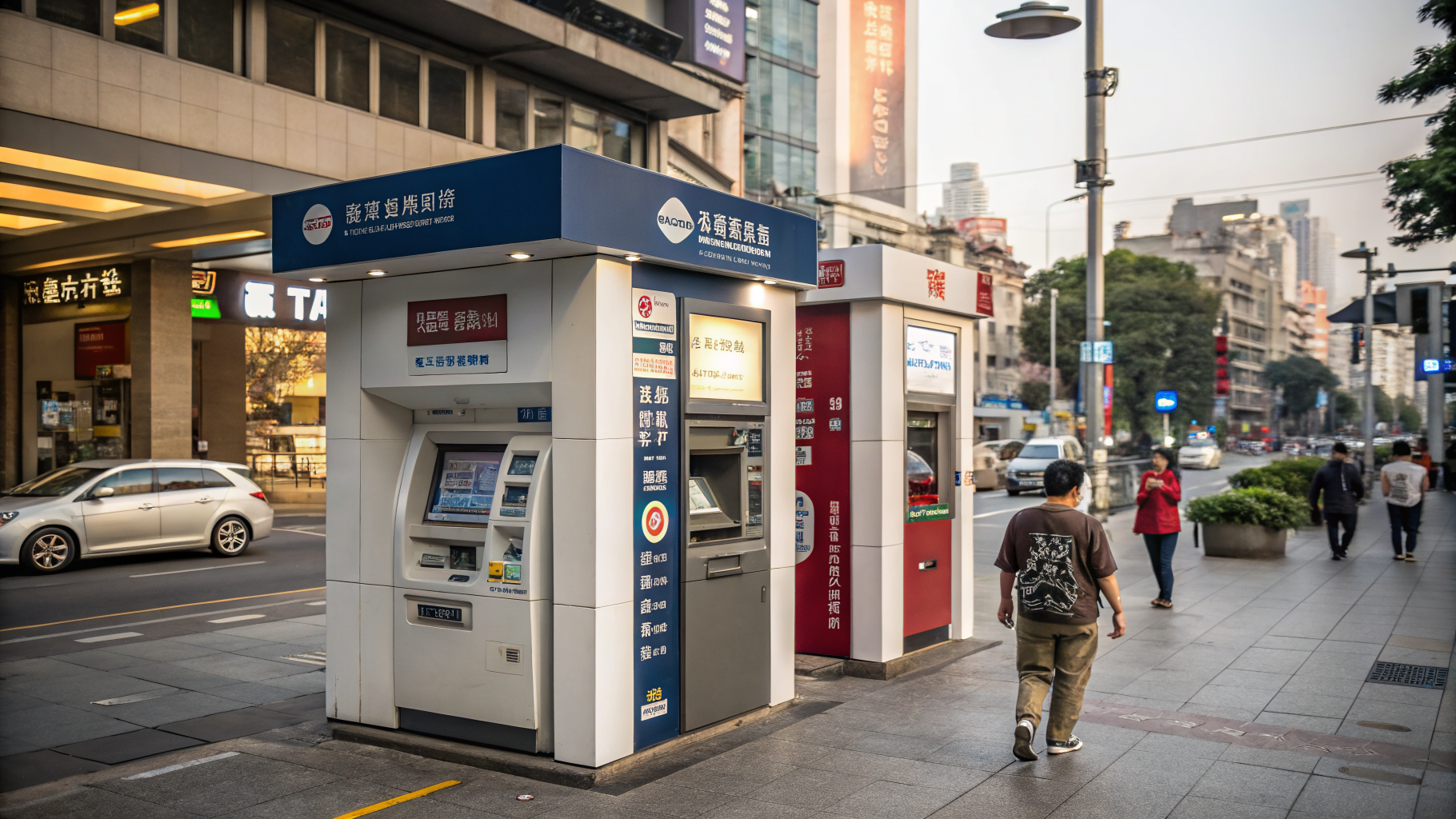
Instead of relying on these rip-off counters, simply walk past them and locate a branded cash machine inside the terminal. You always get a much closer match to the real mid-market internet rate when you withdraw directly from your checking account. Of course, you need a smart withdrawal strategy before you insert your plastic. Every country handles banking differently, and fees vary wildly across borders.
Country Guide to Finding The Best ATMs in Asia
Thailand: Maximizing Huge Flat Fees
Thailand punishes foreign debit cards relentlessly. Every single local bank charges a mandatory 220 THB (around $6) fee for every international withdrawal. You absolutely cannot dodge this fee unless you carry a specialized travel card that refunds you later. Because of this fixed penalty, you must maximize every single visit to the machine.
Never withdraw small amounts like 1,000 Baht just to buy lunch or a few beers. Search out the bright yellow Krungsri Bank machines because they usually allow you to pull 30,000 THB in one go. Other bank brands cap your pull at 20,000 THB. Pulling the maximum amount dilutes that nasty flat fee across a much larger chunk of cash.
Vietnam: Hunting for Fee-Free Options
Vietnam actually offers a breath of fresh air for your wallet. You can find completely free withdrawals if you know where to look. VP Bank and TP Bank stand out as the actual heroes here. They regularly allow international cards to pull cash without tacking on a local access fee. I always pin these banks on my Google Maps before I explore a new town.
If you cannot find these specific banks, Agribank charges an incredibly tiny fee compared to its competitors. Vietnamese machines dispense cash in the millions, so prepare yourself for some intense mental math. Keep in mind that most machines cap individual transactions between two to three million Dong. You might need to swipe twice to pay for a higher-end hotel room.
Indonesia (Bali): Dodging Island Scams
Bali brings stunning rice terraces, great surf, and a shockingly high rate of card skimming. Organized criminals attach fake card readers over the real slots to steal your data unseen. I strongly advise you to avoid standalone machines located inside dark minimarts or random street corners. IMO, the risk simply isn’t worth the convenience.
Stick strictly to BCA, Mandiri, or BNI machines physically attached to a bank branch with a security guard. Indonesian machines also display a specific sticker indicating the bill denomination. Look for the “100,000” sticker if you want fewer, larger bills crowding your wallet. Machines carrying the “50,000” sticker give you a comical stack of paper if you withdraw the maximum limit.
Philippines: Planning Around Tiny Limits
Traveling through the Philippines requires immense patience when managing your finances. Almost every single bank charges a mandatory 250 PHP access fee. The real pain point comes from their frustratingly small withdrawal limits. BPI and BDO generally limit foreign transactions to 10,000 PHP per swipe. You end up paying that access fee multiple times if you need to pay for a major scuba diving course.
Cash machines also frequently run empty outside of major hubs like Manila or Cebu. Island towns like El Nido or Siargao regularly experience power outages and empty cash trays. Plan ahead and stuff your hidden money belt with plenty of pesos before you board that ferry. You do not want a simple cash shortage delaying your island-hopping adventures.
Malaysia and Singapore: Modern and Simple
Malaysia and Singapore deliver an easy, modern banking experience. Maybank, Public Bank, and CIMB dominate the streets in Kuala Lumpur and Penang. These major players rarely slap foreign cards with extra usage fees, which feels incredible after traveling through heavy-fee countries. You simply tap your card, enter your PIN, and grab your Ringgit hassle-free.
Singapore operates almost entirely cashless anyway, so you barely need an extra stop for funds. You tap your smartphone everywhere from luxury shopping malls to tiny hawker center food stalls. I usually pull out about $50 SGD strictly for emergency tipping or tiny mom-and-pop shops. UOB and OCBC provide excellent, reliable cash access without frustrating tourist markups.
Crucial Safety Rules for Your Cash Operations
Safety matters just as much as saving money. Losing access to your funds ruins a vacation faster than a monsoon rainstorm. Skimmers copy your card numbers, and thieves steal your PIN by watching over your shoulder. You must proactively defend your bank account every time you approach a screen. I highly recommend following these strict rules:
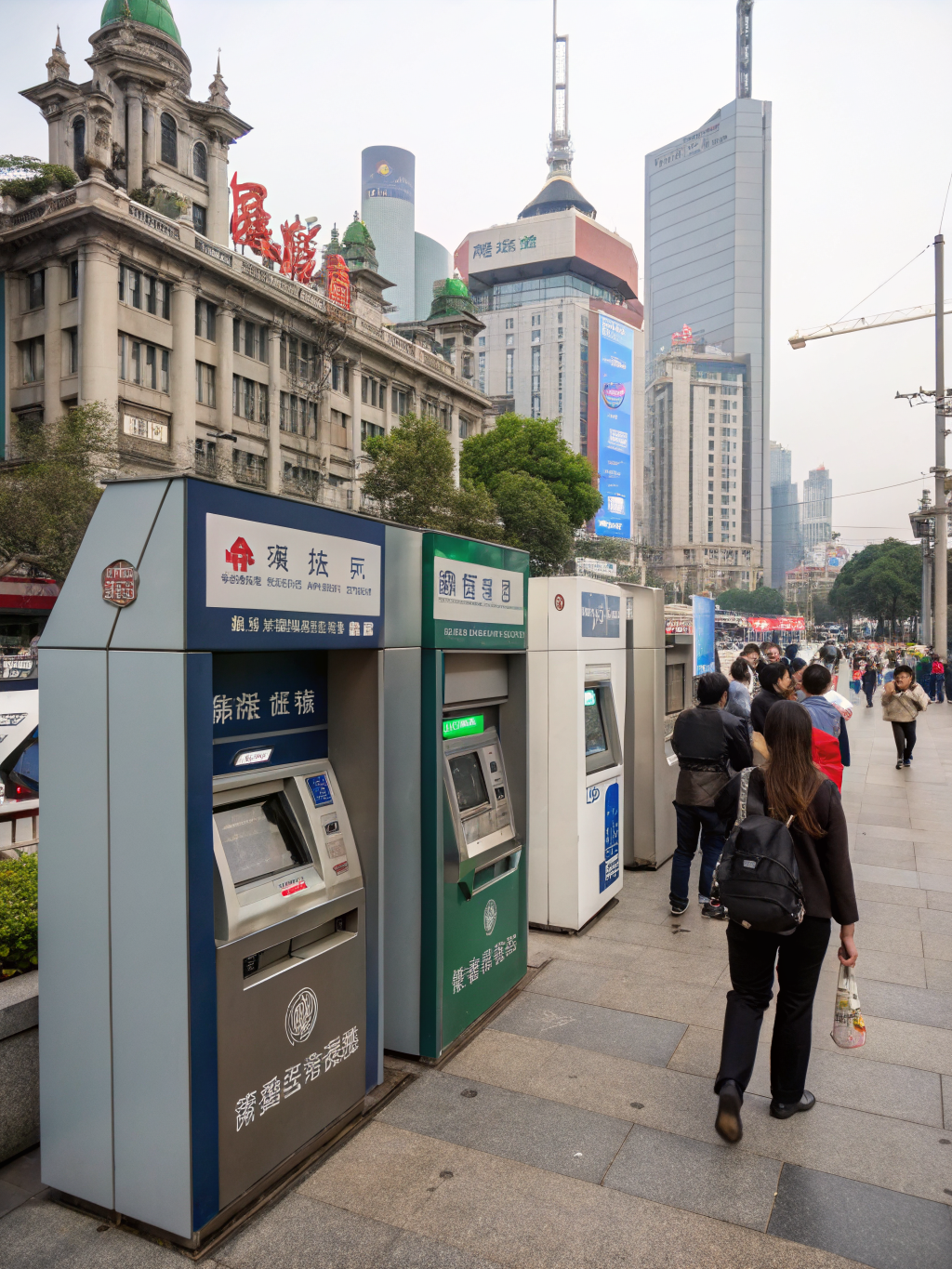
- Wiggle the card reader boldly. Grab the green or plastic slot where you insert your card and pull it firmly. Criminals glue fake plastic readers right over the legitimate slots. Real bank hardware does not budge an inch. If the slot feels loose, bulky, or wobbly, walk away immediately.
- Hide the keypad completely. Thieves hide tiny micro-cameras right above the screen to record your fingers entering your passcode. Someone can duplicate your magnetic stripe data, but they cannot access your cash without those four secret digits. Treating your PIN like a national secret protects your entire travel fund.
- Never pull cash while intoxicated. Walking home from a lively night out in Phuket and visiting a street corner machine sets you up for disaster. You forget to check for skimmers, you leave your card in the slot, or someone spots you stuffing a wad of cash in your pocket. Handle your budget during bright daylight.
Avoiding the “Dynamic Currency Conversion” Trap
I hate Dynamic Currency Conversion (DCC) with a burning passion. This shady banking practice legally allows foreign banks to trick tourists. When you request your cash, the screen inevitably flashes a helpful-looking message. It asks if you want to be charged in your home currency instead of the local money.
The screen usually says something alarming like, “Lock in this exchange rate now to guarantee your rate!” Do not fall for this sneaky psychological trick. If you accept their conversion rate, the local bank legally creates its own terrible exchange rate and pockets the difference. They essentially tax you heavily for the “convenience” of doing the basic math for you.
Always choose the local currency with confidence. Hit the “Withdraw in Baht,” “Withdraw in Dong,” or “Decline Conversion” button. This forces your home bank to handle the currency math at the real wholesale exchange rate. Declining DCC saves you roughly 5% to 7% every single time you tap your card.
The Best Travel Debit Cards to Pack
Your regular local credit union debit card absolutely sucks for international travel. Standard domestic cards charge 3% foreign transaction fees, out-of-network fees, and terrible conversion rates. You need specialized plastic designed specifically for aggressive globe-trotting.
- Charles Schwab Debit Card: American travelers, grab this card immediately. Schwab reimburses every single ATM fee worldwide at the end of the month. I pulled cash daily in Thailand and watched Schwab refund nearly $100 back into my account at month’s end.
- Wise Card: My European and Australian friends absolutely swear by the Wise ecosystem. Wise allows you to hold dozens of different currencies right inside its sleek mobile app. They give you the actual mid-market exchange rate without hidden inflations, plus free monthly withdrawals limits.
- Revolut Card: Revolut functions beautifully and offers spectacular mobile banking. They let you freeze and unfreeze your physical card directly in the app. I leave my card frozen permanently until the exact moment I stand in front of a cash point.
Why You Need Hidden Backups
Carrying exactly one debit card guarantees eventual disaster. Machines eat cards randomly due to connection timeouts, software bugs, or sudden power grid failures. Imagine standing in a rural Lao village watching the screen turn black abruptly while your only lifeline sits trapped inside the machine.
I pack a minimum of two separate debit cards tied to two entirely different banking institutions. One card stays hidden in a secret pocket inside my main backpack. The other travels with me in my daily sling bag. If I lose my daypack on a bumpy bus ride, I still access my emergency funds without calling my parents in a panic. :/
Never rely on a credit card to pull physical cash out of a terminal. Banks call this a “cash advance” and punish you brutally for the privilege. They charge massive immediate fees and start charging 25% daily interest the millisecond the bills pop out of the slot. Keep credit cards strictly for booking flights, paying nice restaurant bills, and covering hotel nights.
What to Do When the Machine Eats Your Card
Stay perfectly calm when the slot firmly grabs your plastic and refuses to release it. Panic accomplishes nothing. First, look around for a local security guard or a bank employee. If you followed my advice and used a machine attached directly to a branch, walk inside with your passport and politely explain the situation.
If the branch closed for the day, document everything instantly. Take a photo of the unit, the exact street intersection, and the error code flashing on the screen. Call the hotline printed on the front of the machine. Honestly, retrieving a swallowed card takes days and sometimes fails entirely.
This scenario proves exactly why you must activate instant phone notifications. Open your banking app and hit the ‘freeze card’ toggle immediately. Locking the card prevents thieves from accessing your funds if the machine decides to spit it back out five minutes after you walk away. Grab your backup card from your hotel safe and continue enjoying your vacation.
Final Thoughts on Securing Your Cash Flow
Managing money across different Asian borders feels slightly intimidating at first. You encounter wild exchange rates, aggressive flat fees, and confusing million-dollar denominations depending on the country. But handling your travel budget smoothly boils down to total common sense and simple preparation. Find the Best ATMs in Southeast Asia , cover your PIN aggressively, and never let the machine dictate your conversion rates.
Pack the exact right travel card, and you instantly save enough on bank fees to pay for your daily pad thai and fresh mango smoothies. Keep your wits sharp, stash emergency USD deep in your socks, and focus mostly on exploring these incredible destinations. Have you discovered any secret fee-free machines during your own travels? Drop your best budget advice in the comments below and stay safe out there! 🙂