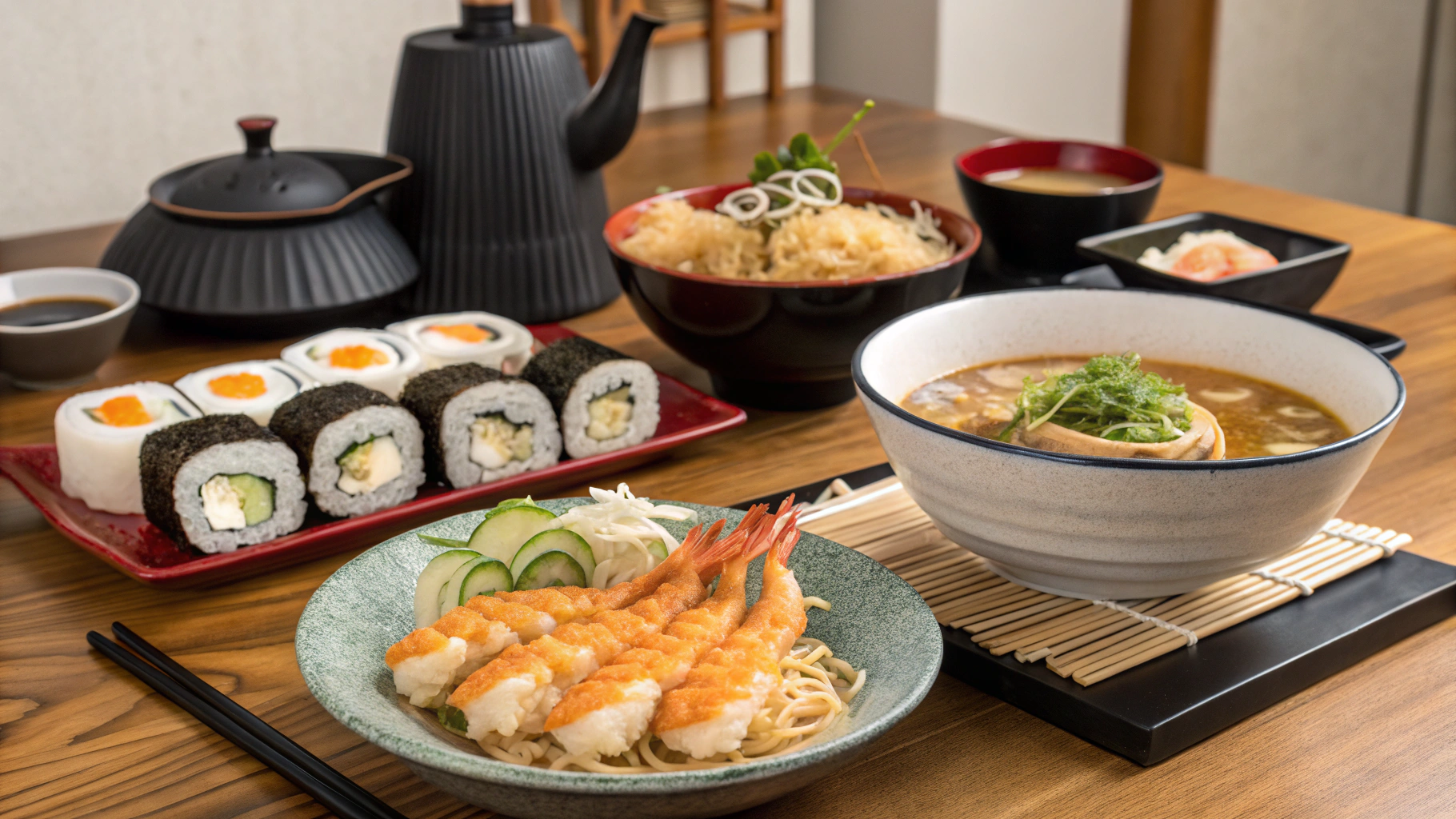
10 Authentic Japanese Recipes for True Flavors at Home
Ever find yourself craving those incredible flavors from your favorite Japanese restaurant but feel totally lost trying to recreate them at home? Yeah, me too. There’s something magical about Japanese cuisine—the delicate balance of umami, the artful presentation, and those textures that just hit differently. But here’s the good news: you don’t need a culinary degree from Tokyo to nail these dishes in your own kitchen.
I’m about to walk you through some seriously delicious Authentic Japanese recipes that’ll transport your taste buds straight to the streets of Osaka or a cozy izakaya in Kyoto. These aren’t watered-down versions—we’re talking the real deal, made accessible for home cooks like us. Whether you’re a complete newbie or someone who’s dabbled in Asian recipes before, I’ve got you covered.
Table of Contents
Why Japanese Recipes Deserves a Spot in Your Kitchen
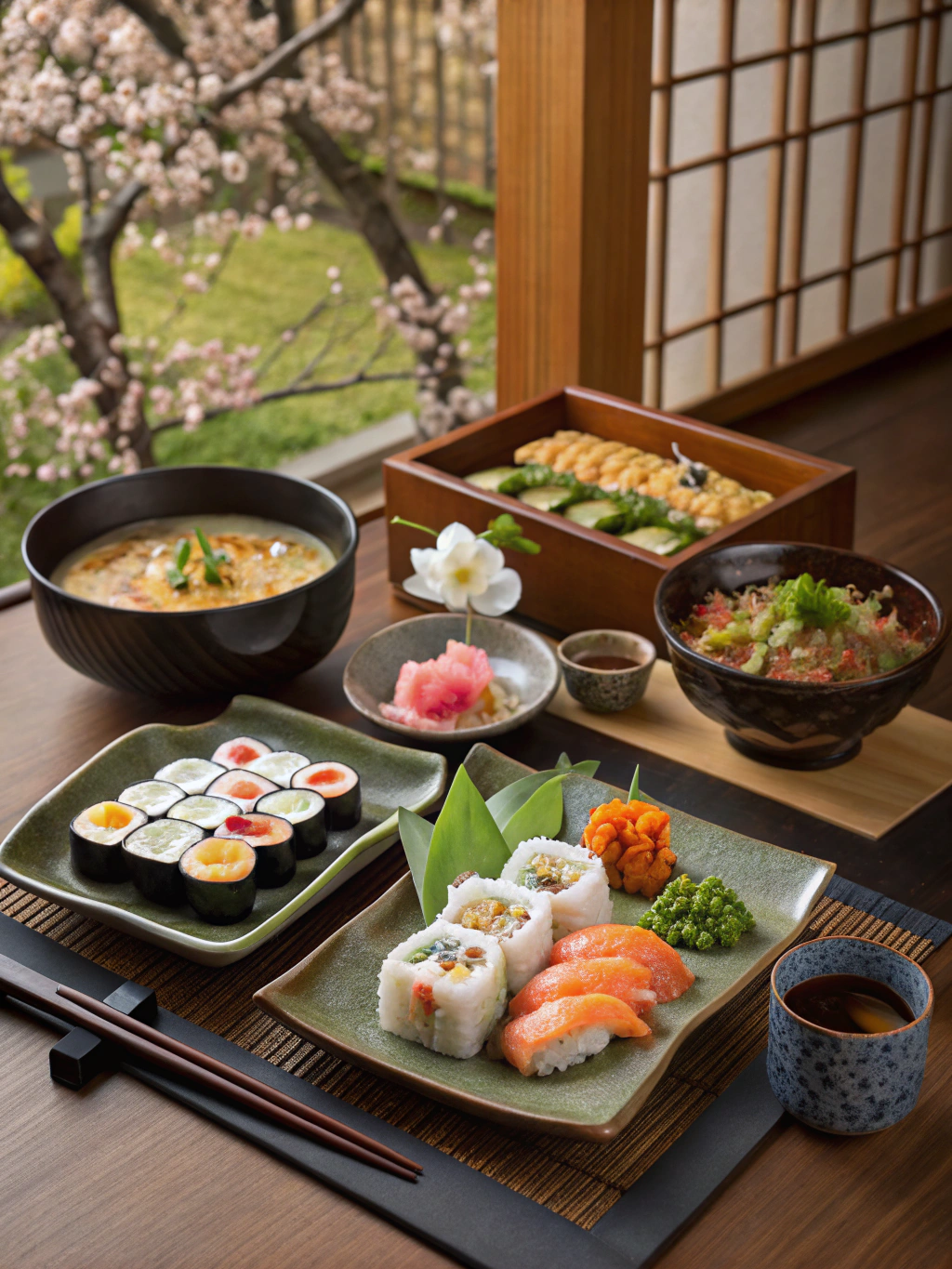
Look, I get it. Japanese cooking can seem intimidating at first glance. But once you understand the fundamentals, it’s actually way more approachable than you’d think. The beauty of Authentic Japanese recipes lies in their simplicity—quality ingredients prepared with care and minimal fuss.
Japanese food culture emphasizes seasonality, freshness, and respect for ingredients. You’re not drowning everything in heavy sauces or overcomplicating flavors. Instead, you’re letting each component shine while creating harmony on the plate. That’s what makes these dishes so special and, honestly, pretty healthy too.
The techniques you’ll pick up from mastering these Japanese recipes will completely level up your overall cooking game. We’re talking knife skills, flavor layering, and understanding how different cooking methods affect texture and taste. These aren’t just meals—they’re lessons that’ll make you a more confident cook across all cuisines.
Essential Ingredients for Your Japanese Recipes
Before we check our Japanese recipes, let’s talk about stocking your pantry. I made the mistake early on of trying to wing it with substitutes, and trust me—it just doesn’t hit the same. But don’t stress! Most of these staples last forever and you’ll use them repeatedly.
Soy sauce (shoyu) is your non-negotiable foundation. Go for naturally brewed varieties—they taste miles better than the cheap stuff. Mirin adds that subtle sweetness that balances salty and savory notes perfectly. Rice vinegar brings brightness without harsh acidity. Dashi (Japanese stock) forms the backbone of countless dishes—you can buy instant dashi powder that works great for beginners.
Sake for cooking (don’t use the fancy drinking stuff), miso paste (start with white or red), sesame oil, panko breadcrumbs, and short-grain Japanese rice round out your basics. For noodle dishes, grab some dried ramen noodles, udon, or soba. Most Asian grocery stores carry all this, and honestly, Amazon has pretty much everything nowadays if you don’t have a local shop.
Mastering Ramen at Home
Real talk: homemade ramen is a game-changer. Yeah, it takes some time, but the payoff is absolutely worth it. The soul of great ramen lives in the broth—whether you go with tonkotsu (pork bone), shoyu (soy sauce), miso, or shio (salt) as your base.
For a solid tonkotsu broth, you’ll simmer pork bones for hours until they release that creamy, milky collagen. I know that sounds intense, but most of it’s just waiting around. The active work is minimal. If you’re short on time, a pressure cooker cuts hours off the process and delivers similar results.
Toppings make or break your bowl. Think soft-boiled eggs with jammy yolks (marinated in soy and mirin—trust me), chashu pork, crispy nori, fresh scallions, bamboo shoots, and maybe some corn if you’re feeling it. The noodles should have that perfect chewy bite, which you get from cooking them al dente and shocking them in cold water.
Layer your bowl strategically: noodles first, then hot broth, followed by your toppings arranged beautifully. Presentation matters in Japanese Recipes—you eat with your eyes first 🙂
Tempura That’s Actually Crispy
Nobody wants soggy tempura. The secret to achieving that impossibly light, crispy coating comes down to three things: ice-cold batter, proper oil temperature, and not overmixing.
Mix your tempura batter right before frying using ice-cold water or even add an ice cube to keep it frigid. The temperature shock when cold batter hits hot oil (around 340-360°F) creates those gorgeous, lacy textures. Use a mix of all-purpose flour and cornstarch or potato starch for extra crispiness.
Don’t overwork the batter—lumps are totally fine and actually preferred. Overmixing develops gluten, which makes things tough and heavy instead of delicate and crispy. Dip your veggies or shrimp in the batter quickly and let excess drip off before sliding them gently into the oil.
Vegetables like sweet potato, kabocha squash, eggplant, bell peppers, and shiso leaves work beautifully. Shrimp is the classic protein choice. Serve immediately with tentsuyu dipping sauce (dashi, mirin, and soy sauce) and grated daikon radish. Tempura waits for no one—it’s best consumed the second it comes out of the oil.
Teriyaki Chicken Done Right
Forget that sticky-sweet bottled stuff. Real teriyaki sauce involves just four ingredients: soy sauce, mirin, sake, and sugar. The term “teriyaki” actually refers to the cooking technique—”teri” means luster or shine, and “yaki” means grilled or broiled.
Pan-fry your chicken (thighs work way better than breasts—more flavor, harder to overcook) skin-side down until golden and crispy. Flip and cook through, then add your sauce mixture to the pan. The sauce reduces and caramelizes, coating the chicken in that signature glossy sheen.
The key is achieving the right consistency—not too thick, not too watery. It should coat the back of a spoon nicely. Some people add a cornstarch slurry if they want it thicker, but I prefer letting it reduce naturally for cleaner flavors.
Slice and serve over steamed rice with stir-fried vegetables on the side. Garnish with sesame seeds and sliced scallions. Boom—you’ve got a weeknight dinner that tastes like you ordered takeout but feels way more satisfying because you made it yourself.
Sushi Rolls for Beginners
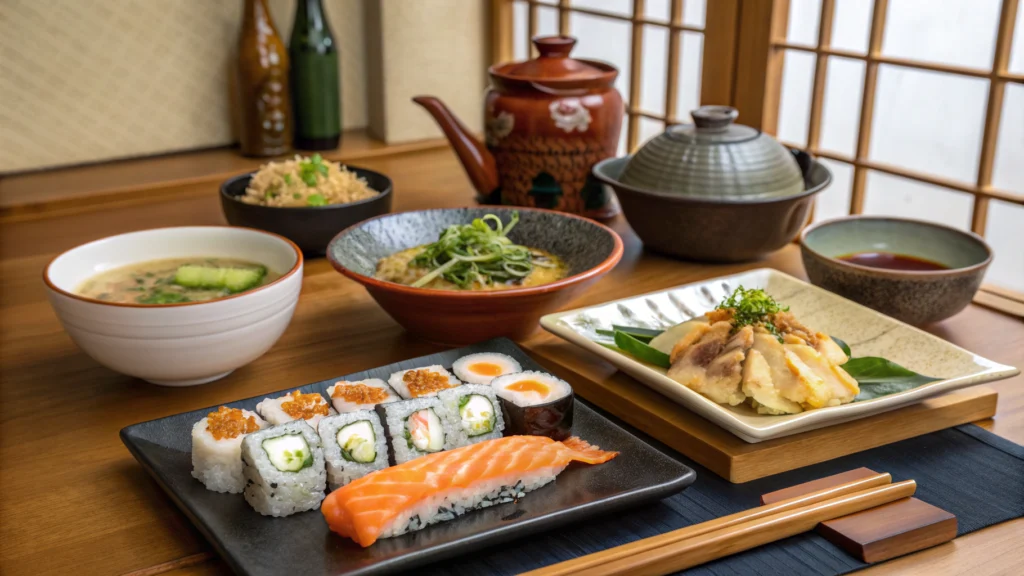
Making sushi at home isn’t as scary as you think. Start with simple maki rolls before you attempt fancy nigiri—nobody’s expecting you to be Jiro on your first try.
Sushi rice is everything. Cook short-grain Japanese rice, then while it’s hot, fold in a mixture of rice vinegar, sugar, and salt. Spread it on a bamboo mat covered with plastic wrap, leaving space at the top edge. The rice should be warm but not hot when you roll.
Place your nori sheet shiny-side down on the mat. Spread rice evenly, leaving about an inch at the top bare. Add your fillings in a line across the lower third—cucumber, avocado, imitation crab, cooked shrimp, or smoked salmon are beginner-friendly options. Raw fish requires knowledge about sourcing sushi-grade seafood, so maybe save that for when you’re more confident.
Roll firmly but not too tight—you want it compact without squishing everything out the sides. Use the bare edge of nori with a little water to seal it. Slice with a sharp, wet knife, wiping it clean between cuts. Serve with soy sauce, wasabi, and pickled ginger.
Miso Soup That Warms Your Soul
Miso soup might seem basic, but a good bowl hits different. It’s all about building layers of flavor starting with quality dashi stock. You can make dashi from scratch using kombu (dried kelp) and bonito flakes, or use instant dashi powder—both work.
Heat your dashi and add ingredients that need cooking first, like cubed tofu, wakame seaweed (rehydrated), sliced mushrooms, or green onions. Right before serving, turn off the heat and whisk in miso paste. Never boil miso—high heat destroys the beneficial probiotics and ruins the delicate flavor.
The type of miso you choose changes the character of your soup. White miso (shiro) is mild and slightly sweet. Red miso (aka) is stronger and more robust. Yellow miso (shinshu) falls somewhere in between. Start with less than you think you need and taste as you go—you can always add more but you can’t take it back.
Every Japanese meal includes miso soup as a comforting staple. It takes literally five minutes to make and works as a side dish, starter, or even light meal on its own. I drink it straight from the bowl like tea when I’m feeling under the weather.
Yakitori: Grilled Perfection on a Stick
Yakitori brings me straight back to late-night food stalls in Tokyo. These grilled chicken skewers are ridiculously simple but absolutely addictive. You marinate chunks of chicken (thighs again—are you sensing a pattern?) and thread them onto bamboo skewers.
The tare (sauce) makes it yakitori. Combine soy sauce, mirin, sake, and sugar in a pan and reduce it until it’s thick and glossy. Brush this on your skewers as they grill, creating layers of caramelized flavor with each application.
Traditionally, different parts of the chicken get used—thigh meat (momo), breast (mune), skin (kawa), liver (reba), and even cartilage (nankotsu). At home, I mostly stick with thigh meat because it’s accessible and stays juicy. Alternate with scallion pieces (negima style) for textural contrast.
Grill over high heat to get those charred bits without drying out the meat. The combination of smokiness, savory-sweet glaze, and tender chicken is pretty much impossible to resist. Serve with cold beer and you’ve got yourself an authentic izakaya experience without leaving home.
Okonomiyaki: The Ultimate Savory Pancake
Okonomiyaki literally translates to “grilled as you like it,” which pretty much sums up its flexible, customizable nature. Think of it as a savory pancake meets omelet meets pizza—loaded with cabbage, your choice of protein, and topped with a symphony of sauces.
The batter combines flour, dashi, eggs, and shredded cabbage—and I mean a LOT of cabbage. The ratio tips heavily toward vegetables, making this way healthier than it looks. Add your mix-ins: sliced pork belly, shrimp, squid, cheese, mochi—seriously, anything goes.
Pour onto a hot griddle and let it cook undisturbed until the bottom sets and browns. Flip carefully (this takes practice) and cook the other side. Traditionally you’d cook it on a teppan (flat iron griddle), but a large nonstick pan works perfectly fine.
Topping game is crucial: okonomiyaki sauce (similar to Worcestershire but sweeter), Japanese mayo drizzled in a crosshatch pattern, bonito flakes that dance from the heat, and aonori (green seaweed powder). It’s messy, it’s fun, and it tastes incredible. Osaka and Hiroshima both claim to have the best versions, but honestly, homemade might beat them both 😉
Japanese Curry: Comfort in a Bowl
Japanese curry differs wildly from Indian or Thai curries—it’s milder, sweeter, and thicker, with a gravy-like consistency. Kids love it, adults crave it, and it’s probably the most popular home-cooked dish in Japan.
You can absolutely make curry roux from scratch, but store-bought curry blocks are what most Japanese families use, and there’s zero shame in that. Brands like Golden Curry, Java Curry, and Vermont Curry come in mild, medium, and hot varieties. They’re designed for home cooks and deliver consistent, delicious results.
Sauté onions, carrots, and potatoes in a large pot. Add your protein—chicken, pork, or beef work great. Pour in water or stock and simmer until everything’s tender. Add curry roux blocks and stir until dissolved and thickened. That’s literally it.
Serve over white rice (some people make it into an adorable mountain shape) with fukujinzuke (pickled vegetables) on the side. The sweetness, subtle spice, and hearty vegetables create ultimate comfort food that’s perfect for meal prep too. It somehow tastes even better the next day.
Sweet Endings: Simple Mochi Desserts
Mochi deserves its own moment because it’s having such a cultural moment right now, and for good reason. These chewy rice cakes made from glutinous rice can be sweet or savory, but the sweet versions are where I lose all self-control.
Daifuku are mochi balls filled with sweet red bean paste (anko) and sometimes a whole strawberry—the contrast of textures and flavors is perfection. You can make mochi from scratch using mochiko (sweet rice flour), sugar, and water steamed together, then pounded until smooth and stretchy.
Dust your work surface with cornstarch or potato starch (mochi is crazy sticky), flatten small portions, add your filling, and pinch the edges to seal. Boom—you’ve made daifuku.
Mochi ice cream is another obsession-worthy treat. Small scoops of ice cream wrapped in mochi create handheld frozen desserts that are dangerously easy to eat too many of. Green tea, strawberry, mango, and black sesame flavors keep things interesting.
Bringing It All Together
So yeah, if you’ve been sleeping on Japanese home cooking, now’s the time to wake up and give it a shot. These Authentic Japanese recipes aren’t just about following instructions—they’re about understanding a different approach to food that values simplicity, quality, and balance.
Start with one or two Japanese recipes that excite you most. Maybe it’s the ramen because you’re a noodle fiend, or perhaps the teriyaki chicken because you need easy weeknight wins. Build your pantry gradually, practice your techniques, and don’t stress about perfection. Japanese cooking is forgiving once you understand the basics.
The beauty of diving into these Asian recipes is that they expand your entire culinary worldview. You’ll start noticing umami in everything, appreciating minimalist plating, and understanding how different cultures approach similar ingredients in totally unique ways.
What recipe are you trying first? Drop a comment and let me know—I’d love to hear about your Japanese cooking adventures. Trust me, once you nail that first dish and taste those true flavors at home, you’ll be hooked for life. Happy cooking! 🍜