10 Easy Filipino Recipes You Can Make at Home
Ever wondered why Filipino food isn’t as mainstream as Thai or Vietnamese cuisine, even though it’s just as delicious—if not more? Trust me, once you try these dishes, you’ll be hooked. Filipino cooking brings together sweet, savory, and tangy flavors in ways that’ll make your taste buds do a happy dance. And here’s the best part: you don’t need to be a pro chef or hunt down crazy ingredients to nail these recipes.
Whether you’re craving comfort food on a rainy day or want to impress your friends with something new, these Easy Filipino recipes will become your go-to meals. I’m talking about dishes that warm your soul, feed a crowd, and taste like they took hours—even when they didn’t. Ready to dive into the delicious world of Filipino recipes? Let’s get cooking!
Table of Contents
No time to read the whole post?
Here’s the quick version: Filipino food is flavorful, comforting, and way easier to make than you’d think. This guide covers 10 classic dishes—from Adobo to Halo-Halo—that you can whip up at home with simple ingredients. You’ll learn what makes each dish special, get cooking tips, and discover why Filipino cuisine deserves a spot in your weekly meal rotation. Whether you’re a beginner or a seasoned cook, these recipes will level up your kitchen game.
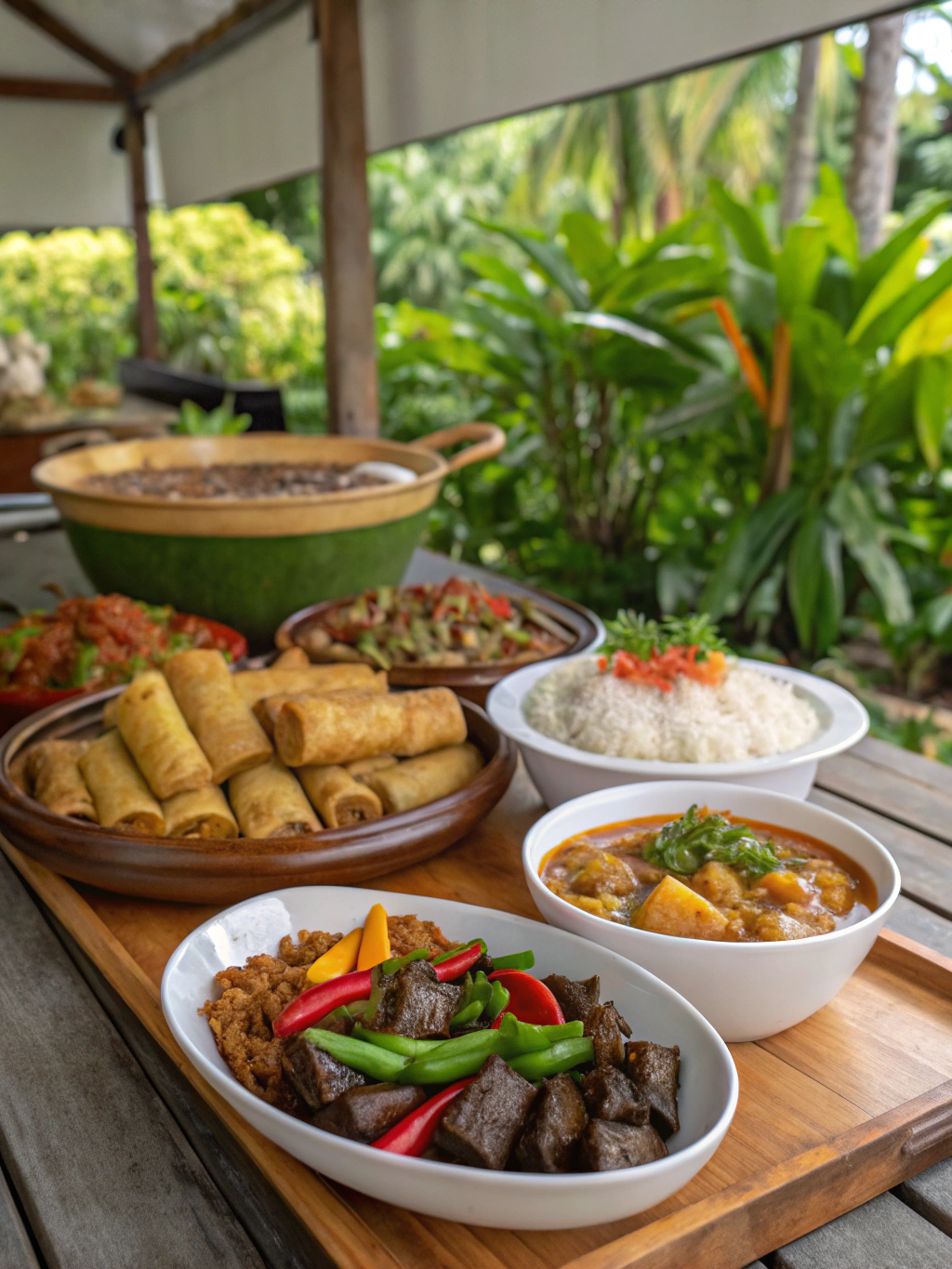
Why Filipino Food Deserves More Love
Seriously, Filipino cuisine doesn’t get enough credit. It’s this amazing mashup of Spanish, Chinese, and indigenous flavors that creates something totally unique. The food tells stories of history, family gatherings, and celebrations that span generations.
What makes these dishes special? They’re designed to bring people together. Most Filipino meals are meant for sharing—big platters of rice, savory stews, grilled meats, and sweet desserts that everyone digs into family-style. Plus, the flavor profiles hit different. You get that perfect balance of sweet, salty, sour, and umami that keeps you coming back for more.
The best part about these Easy Filipino recipes? They’re forgiving. Unlike French cooking where everything needs to be precise, Filipino dishes work with what you’ve got. Missing one ingredient? Substitute it. Cooking times flexible? Absolutely. This cooking style fits perfectly with busy lives and home kitchens.
The Essential Filipino Pantry
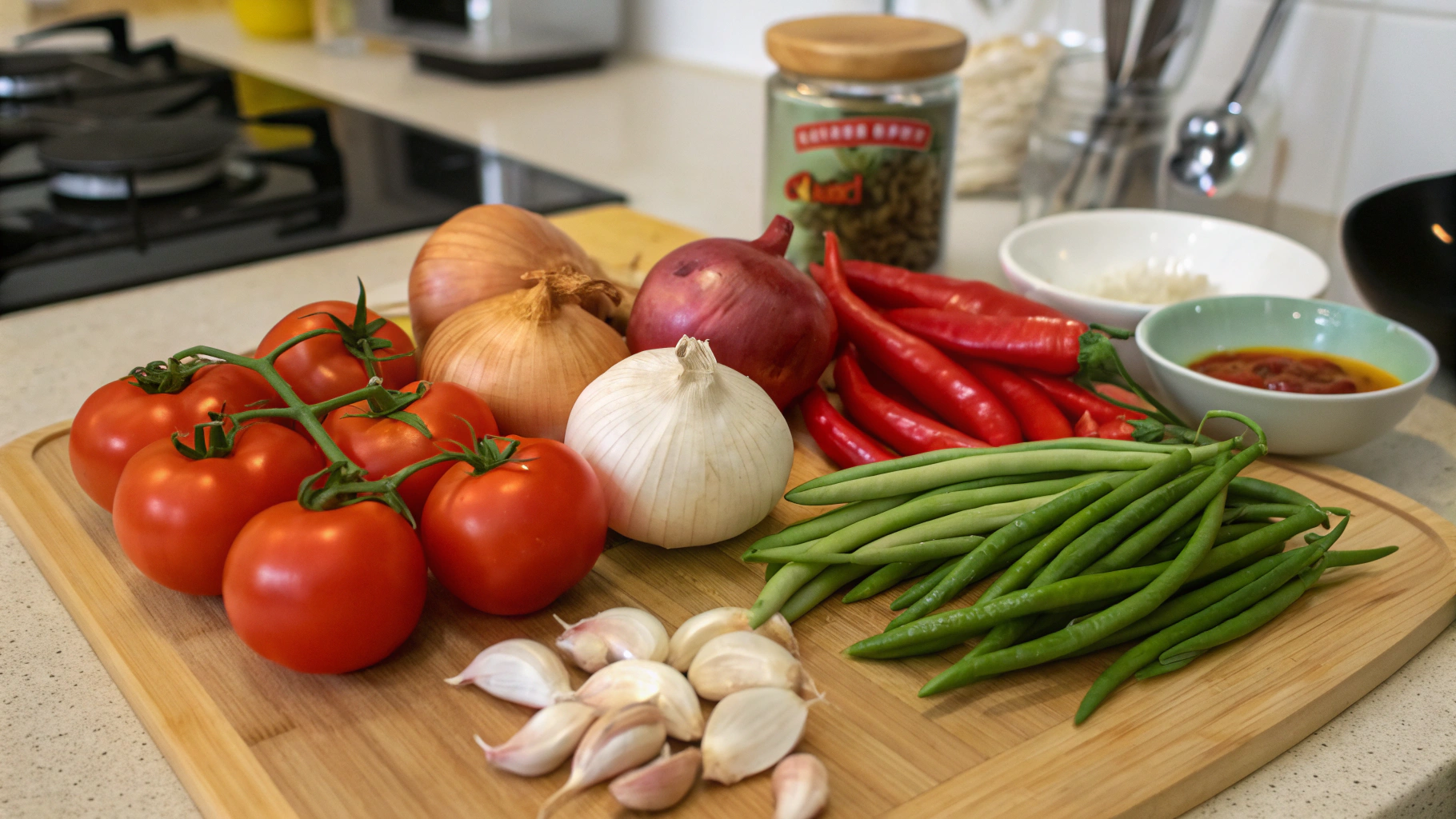
Before we jump into recipes, let’s talk ingredients. You don’t need a million things, but having these staples on hand makes cooking Filipino food super easy:
Soy sauce – The backbone of many dishes. Get a good quality one; it makes a difference.
Vinegar – White vinegar or cane vinegar works great. Filipinos use this like Italians use olive oil—liberally!
Garlic – Buy it by the bulb, not the clove. You’ll need lots.
Fish sauce (patis) – This adds that umami punch that makes everything taste more complex.
Calamansi or lime juice – For that citrusy brightness.
Bay leaves – These show up in almost every stew.
Black pepper – Freshly ground is best, but whatever you have works.
Most of these you can find at regular grocery stores. For specialty items, Asian markets have everything you need, and they’re usually cheaper too. Once you stock up, you’re ready to make authentic Filipino dishes whenever the craving hits.
10 Must-Try Easy Filipino Recipes
1. Chicken Adobo – The National Dish
If Filipino food had a mascot, Adobo would be it. This dish is basically chicken (or pork) braised in soy sauce, vinegar, garlic, and bay leaves until it’s fall-apart tender. The sauce reduces down into this glossy, flavorful goodness that you’ll want to pour over everything.
The beauty of Adobo? It’s almost impossible to mess up. The vinegar acts as a preservative, so leftovers actually taste better the next day. Some families add sugar for sweetness, others keep it savory. There’s no “wrong” way to make it, which is why every Filipino household has their own version.
Start with about 2 pounds of chicken, half a cup each of soy sauce and vinegar, a whole head of garlic (told you!), bay leaves, and black pepper. Throw it all in a pot, simmer for 40 minutes, and boom—dinner is served. Pair it with white rice and you’ve got a complete meal that’ll have everyone asking for seconds.
2. Sinigang – The Ultimate Comfort Soup
Imagine a soup that’s sour, savory, and packed with vegetables and tender meat. That’s Sinigang. This tamarind-based soup is what Filipinos reach for when they need comfort or when they’re feeling under the weather.
The sourness comes from tamarind, though you can find instant Sinigang mix at Asian stores that makes it ridiculously easy. Add pork ribs or shrimp, throw in vegetables like radish, tomatoes, green beans, and leafy greens, and simmer until everything’s tender.
What I love about Sinigang is how the flavors wake up your palate. It’s tangy without being overwhelming, and the vegetables soak up all that delicious broth. On a cold day or when you’re fighting off a cold, nothing hits quite like a bowl of hot Sinigang. FYI, you can adjust the sourness to your taste—start with less tamarind and add more if needed.
3. Pancit Canton – Filipino Stir-Fried Noodles
Pancit shows up at every Filipino celebration—birthdays, holidays, family reunions. The noodles symbolize long life, which is why they’re a party staple. Pancit Canton uses thick egg noodles stir-fried with vegetables, chicken, and shrimp.
This recipe comes together in about 20 minutes, making it perfect for weeknight dinners. You sauté garlic and onions, add your proteins, toss in shredded cabbage and carrots, then mix in the noodles with soy sauce and broth. The noodles soak up all the flavors and get slightly crispy on the edges—that’s the good stuff right there.
Pro tip: Don’t overcook the noodles. They’ll continue absorbing liquid even after you turn off the heat. Keep them slightly al dente while cooking, and they’ll be perfect by the time you serve them.
4. Lumpia – Filipino Spring Rolls
Think of Lumpia as the Filipino cousin of egg rolls. These crispy, golden rolls are filled with ground pork, vegetables, and sometimes shrimp, then fried until crunchy. They’re dangerously addictive—you can’t eat just one.
Making Lumpia is kind of therapeutic, actually. You set up your filling, your wrappers (find these in the freezer section of Asian markets), and an assembly line. Fill, roll, seal with a bit of water, and either fry immediately or freeze for later. Having a stash of frozen Lumpia means you always have an appetizer ready when friends drop by.
Serve them with a sweet and sour dipping sauce or banana ketchup (yes, that’s a thing, and yes, it’s amazing). These little guys disappear fast at parties, so make extra. Trust me on this one.
5. Bistek Tagalog – Filipino Beef Steak
Bistek is Filipino-style beef steak that’s nothing like the steaks you’re thinking of. Thin slices of beef get marinated in soy sauce and calamansi juice, then pan-fried with tons of onions. The result is tender, flavorful meat with a slightly sweet and tangy sauce.
The key to good Bistek is slicing the beef thin—almost like for stir-fry. This lets the marinade penetrate quickly and keeps the meat tender. After marinating for at least 30 minutes (longer is better), you quickly sear the beef, then add the marinade and onions to create a sauce.
Those caramelized onions on top? They’re not just garnish—they’re an essential part of the dish. The slight sweetness balances the salty-sour sauce perfectly. Serve this over rice and you’ll understand why it’s a Filipino favorite.
6. Kare-Kare – Peanut Stew with Oxtail
Kare-Kare looks intimidating but it’s actually pretty straightforward. This rich, peanut-based stew traditionally uses oxtail, though you can use beef or tripe. The sauce gets its distinctive flavor from ground peanuts or peanut butter, and it’s loaded with vegetables like eggplant, bok choy, and green beans.
What makes Kare-Kare special is the texture—thick, almost gravy-like, coating everything in nutty goodness. You traditionally serve it with bagoong (fermented shrimp paste) on the side. A little dab of bagoong mixed into each bite adds this salty, funky element that contrasts beautifully with the mild, creamy stew.
This dish takes time—the oxtail needs to simmer for hours until it’s tender—but it’s mostly hands-off cooking. Perfect for lazy Sundays when you want something special without too much active work.
7. Lechon Kawali – Crispy Pork Belly
Okay, if you love crispy pork belly, you need Lechon Kawali in your life. This is boiled, then deep-fried pork belly that comes out with the crispiest skin you’ve ever experienced and melt-in-your-mouth fat underneath.
The process is simple but requires patience. You boil the pork belly with aromatics until tender, let it dry completely (this is crucial for crispiness), then deep fry it until golden. The skin shatters when you bite into it, giving way to succulent, flavorful meat.
Serve it with a liver-based sauce or vinegar with garlic and chili. It’s ridiculously indulgent and absolutely worth the calories. IMO, this is the ultimate treat-yourself meal.
8. Ginataang Gulay – Vegetables in Coconut Milk
Not all Filipino food is meat-heavy! Ginataang Gulay is a creamy vegetable dish cooked in coconut milk with shrimp or fish. It’s comforting, slightly sweet from the coconut, and packed with nutrients.
Common vegetables include squash, green beans, eggplant, and leafy greens. Everything simmers together in coconut milk seasoned with fish sauce, garlic, and ginger. The coconut milk creates this luscious sauce that makes even picky eaters enjoy their vegetables.
This dish comes together in about 30 minutes and works great as a vegetarian meal if you skip the seafood. The coconut milk makes it filling enough to be a main dish, not just a side.
9. Arroz Caldo – Filipino Rice Porridge
When you’re feeling under the weather or need something warm and comforting, Arroz Caldo is your answer. This ginger-flavored rice porridge with chicken is like a warm hug in a bowl.
The rice breaks down as it simmers with chicken, ginger, garlic, and fish sauce, creating a thick, creamy consistency. Top it with hard-boiled eggs, scallions, and crispy fried garlic for texture and extra flavor.
What I love about Arroz Caldo is how customizable it is. Want it thicker? Cook it longer. Prefer more ginger kick? Add extra. It’s one of those recipes that adapts to what you need on any given day.
10. Halo-Halo – The Legendary Dessert
Let’s end on something sweet! Halo-Halo literally means “mix-mix,” and that’s exactly what you do. This dessert is a wild combination of shaved ice, evaporated milk, sweet beans, jellies, fruits, leche flan, and purple yam ice cream, all layered in a tall glass.
It sounds chaotic, but somehow it all works together. The idea is to mix everything up and experience different textures and flavors in every spoonful. You get creamy, crunchy, chewy, and icy all at once.
Making Halo-Halo at home is fun because you can customize it with your favorite ingredients. Can’t find all the traditional components? Use what you have—fresh fruits, ice cream, sweetened condensed milk. The beauty of this dessert is its flexibility. 🙂
Tips for Filipino Cooking Success
Don’t be afraid of garlic. Filipino recipes call for what might seem like excessive amounts. It’s not a typo—use it all.
Taste as you go. Filipino cooking is about balancing flavors. Adjust soy sauce, vinegar, and sugar to match your preferences.
Make extra. These dishes often taste even better the next day as flavors meld together. Plus, leftovers mean less cooking during the week.
Rice is essential. Almost every Filipino meal is served with steamed white rice. It’s not just a side—it’s what completes the meal.
Cook with love. I know that sounds cheesy, but Filipino cooking is all about feeding people you care about. That intention somehow makes everything taste better.
Why You Should Start Cooking Filipino Food Today
Look, I get it—trying new cuisines can feel intimidating. But Filipino food is approachable, forgiving, and incredibly rewarding to make. The ingredients are mostly available at regular stores, the techniques are straightforward, and the results are always impressive.
These recipes connect you to a rich culinary tradition that’s been perfected over generations. Every dish tells a story and brings people together around the table. In a world where we’re always rushing, cooking and sharing these meals creates moments that actually matter.
Plus, let’s be real—the food is just delicious. Once you nail that first batch of Adobo or master crispy Lumpia, you’ll want to keep exploring. Filipino cuisine has so much depth and variety that you could cook it for years without getting bored.
So yeah, if you’ve been curious about Filipino food but haven’t taken the plunge yet, now’s your chance. Pick one of these Easy Filipino recipes, grab your ingredients, and give it a shot. Your taste buds will thank you, and who knows—you might just find your new favorite cuisine. What are you waiting for? Get cooking! 😉