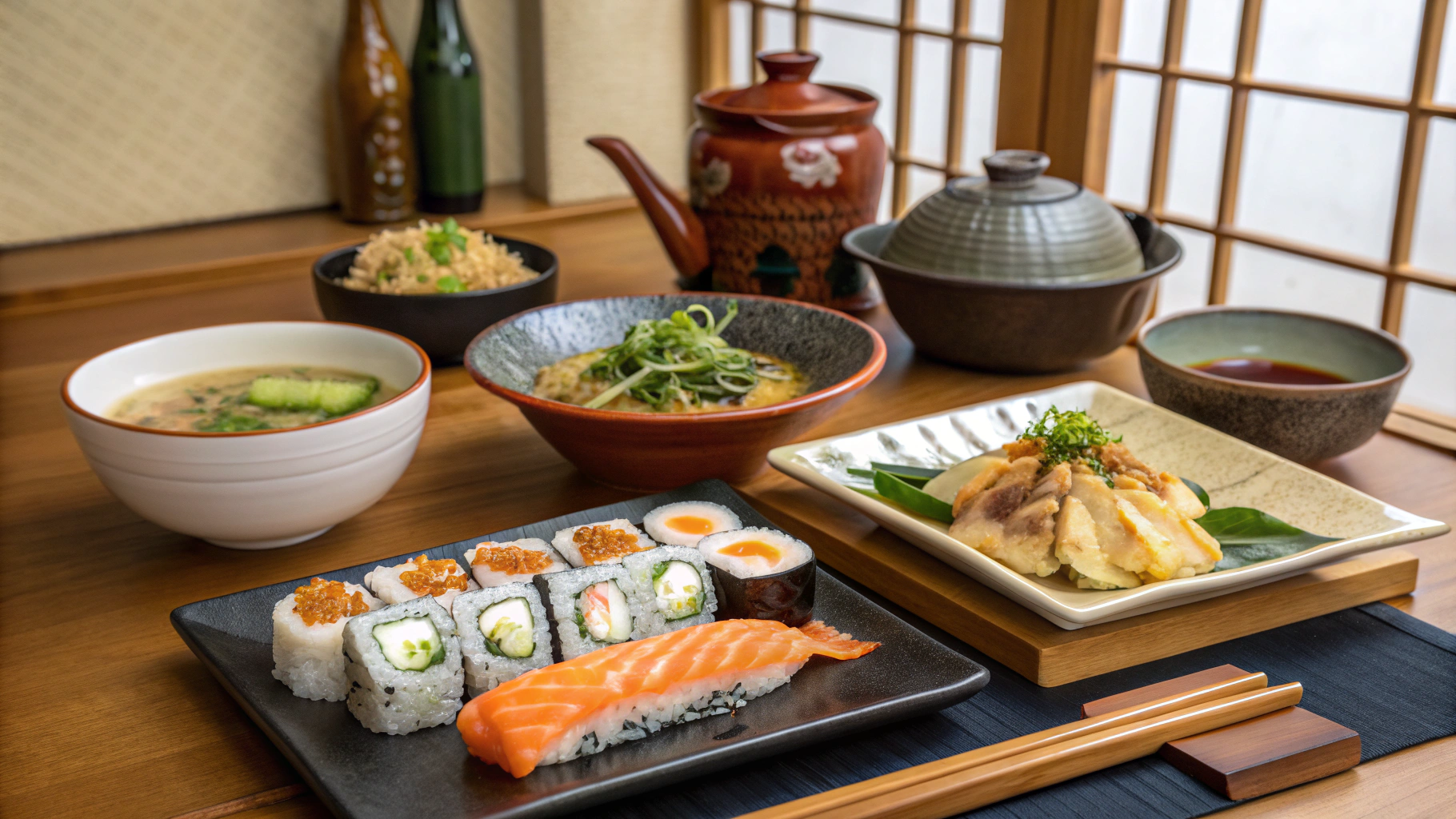
9 Easy Japanese Recipes You Can Make in 30 Minutes
You know that feeling when you’re hungry for something really delicious but don’t have hours to spend in the kitchen? I totally get it. Between work, errands, and trying to have some semblance of a social life, cooking often ends up feeling like just another thing on the to-do list.
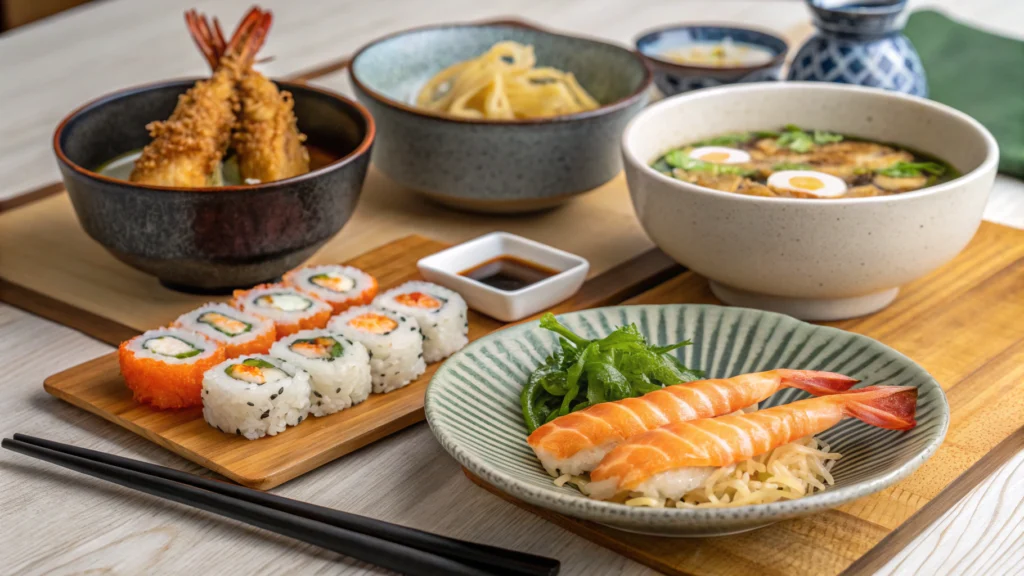
But here’s what I’ve learned: Japanese Recipes doesn’t have to be complicated or time-consuming. In fact, some of the most beloved Easy Japanese recipes can be whipped up in just 30 minutes or less. Whether you’re a beginner in the kitchen or just looking to expand your repertoire of Asian recipes, this guide is going to show you how to create restaurant-quality dishes without the stress.
Table of Contents
Why Japanese Cooking Is Perfect for Busy People
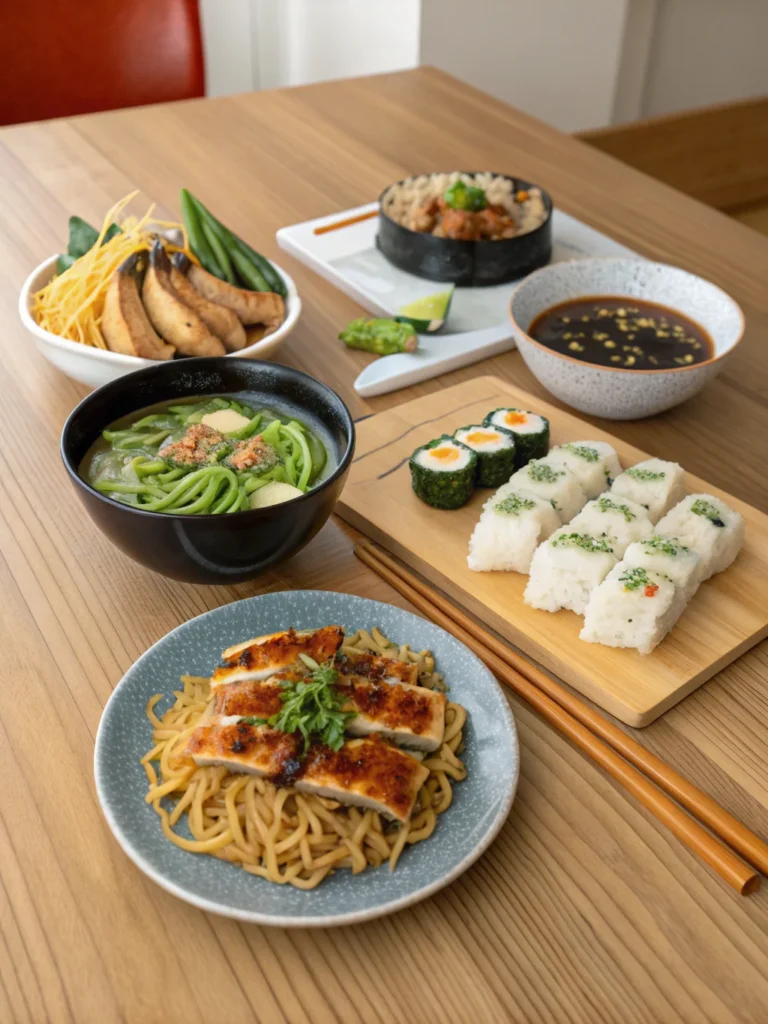
Japanese food has this reputation for being super intricate and requiring years of training to master. Sure, sushi chefs spend decades perfecting their craft, but everyday Japanese home cooking? That’s a whole different story. The beauty of Easy Japanese recipes lies in their simplicity and balance. You’re working with fresh ingredients, minimal seasonings, and straightforward techniques that anyone can nail.
Most Japanese dishes rely on a handful of staple ingredients you probably already have or can easily grab from any grocery store. We’re talking soy sauce, mirin, rice vinegar, sesame oil, and dashi (a simple fish stock). Once you’ve got these basics in your pantry, you’re basically halfway to dinner. The cooking methods are usually quick too—stir-frying, simmering, or grilling. No fancy equipment needed, just a good pan and some enthusiasm 🙂
Essential Ingredients for Your Japanese Kitchen
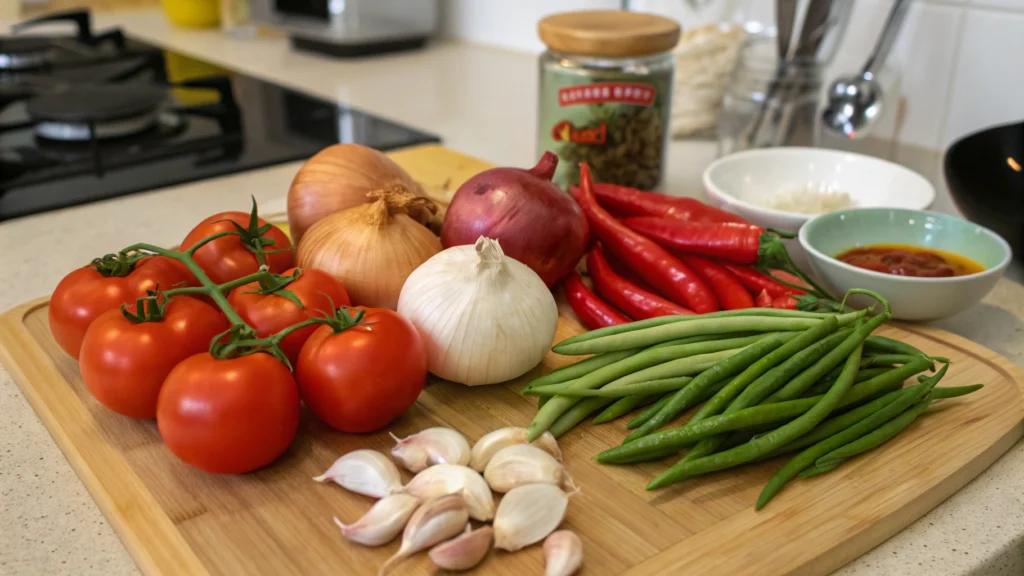
Before we jump into the recipes, let’s talk ingredients. You don’t need to buy out the entire Asian aisle, but having these essentials on hand will make your life so much easier.
- Soy sauce is your bread and butter (or should I say rice and fish sauce?). It adds that savory umami flavor that makes Japanese food so addictive. Get a good quality one—it makes a difference.
- Mirin is a sweet rice wine that balances out the saltiness of soy sauce. It’s used in tons of Japanese dishes and honestly, once you start cooking with it, you’ll wonder how you lived without it.
- Rice vinegar brings that gentle tanginess to dressings and sushi rice. It’s milder than regular vinegar, so don’t substitute with white vinegar unless you want your taste buds to stage a protest.
- Dashi is the foundation of many Japanese soups and broths. You can buy instant dashi powder or granules, which dissolve in hot water in seconds. Total game-changer for making authentic-tasting miso soup.
- Sesame oil adds a nutty, aromatic finish to stir-fries and salads. A little goes a long way, so use it sparingly.
Stock up on these, and you’re golden. Everything else is just fresh produce, protein, and noodles or rice.
10 Quick Japanese Recipes You’ll Actually Make
1. Teriyaki Chicken
Ingredients:
- Chicken thighs
- Soy sauce
- Mirin
- Sugar
- Fresh ginger
Step-By-Step
This is probably the most popular gateway into Japanese cooking, and for good reason. Teriyaki chicken is sweet, savory, and ridiculously easy to make. You just need chicken thighs (they’re juicier than breasts, trust me), soy sauce, mirin, sugar, and a bit of ginger.
Pan-fry the chicken until it’s golden and cooked through, then pour in your teriyaki sauce and let it bubble and thicken. The whole thing takes about 20 minutes, and you’ll have glossy, caramelized chicken that tastes better than takeout. Serve it over rice with some steamed broccoli, and boom—dinner is served.
2. Miso Soup
Ingredients:
- Water
- Dashi powder
- Miso paste
- Firm tofu
- Green onions
- Wakame seaweed (optional)
Step-By-Step
If you’ve ever been to a Japanese restaurant, you’ve probably started your meal with a bowl of miso soup. It’s warm, comforting, and packed with umami. The best part? It takes like 10 minutes to make.
Heat up some water, stir in dashi powder, then whisk in miso paste. Add cubed tofu, sliced green onions, and maybe some wakame seaweed if you’re feeling fancy. That’s it. The key is not to boil the miso paste—just dissolve it gently or it’ll lose its flavor. This soup is perfect as a starter or even as a light meal with some rice on the side.
3. Yakisoba (Stir-Fried Noodles)
Ingredients:
- Yakisoba noodles
- Cabbage
- Carrots
- Onion
- Protein (chicken, shrimp, or tofu)
- Yakisoba sauce
Step-By-Step
Yakisoba is Japanese comfort food at its finest. It’s a stir-fried noodle dish loaded with veggies and protein, all tossed in a tangy, slightly sweet sauce. You can use chicken, shrimp, or keep it vegetarian—totally up to you.
Cook your noodles according to the package, then stir-fry them with cabbage, carrots, onions, and your protein of choice. Toss in yakisoba sauce (you can buy it pre-made or make your own with Worcestershire sauce, soy sauce, and ketchup—yeah, ketchup). The whole thing comes together in under 20 minutes and tastes like a Japanese street fair in a bowl.
4. Japanese Curry
Ingredients:
- Curry roux blocks
- Onion
- Carrots
- Potatoes
- Protein (chicken, beef, or tofu)
- Water
Step-By-Step
Japanese curry is different from Indian or Thai curry—it’s milder, sweeter, and thicker. It’s also stupid easy to make because you can buy curry roux blocks that do all the heavy lifting for you.
Sauté some onions, carrots, and potatoes, add your protein (chicken, beef, or tofu), then pour in water and drop in the curry roux. Simmer until everything’s tender and the sauce has thickened. Serve over rice. It’s cozy, filling, and the kind of meal that makes you feel like everything’s going to be okay.
5. Onigiri (Rice Balls)
Ingredients:
- Short-grain Japanese rice
- Nori sheets
Fillings (choose one):
- Salted salmon
- Umeboshi (pickled plum)
- Tuna
- Mayonnaise
Step-By-Step
Onigiri are basically Japan’s answer to the sandwich—portable, customizable, and super satisfying. You just need cooked rice (preferably short-grain Japanese rice), a filling, and some nori (seaweed).
Popular fillings include salted salmon, pickled plum (umeboshi), or tuna mayo. Shape the rice into a triangle or ball with damp hands, tuck the filling inside, and wrap with a strip of nori. They’re perfect for lunch boxes or a quick snack, and you can make a bunch ahead of time.
6. Tamagoyaki (Japanese Rolled Omelette)
Ingredients:
- Eggs
- Soy sauce
- Mirin
- Sugar
Step-By-Step
This sweet and savory rolled omelette is a staple in Japanese breakfasts and bento boxes. It looks fancy, but it’s actually pretty forgiving once you get the hang of it.
Beat eggs with a bit of soy sauce, mirin, and sugar. Pour a thin layer into a hot pan, let it set slightly, then roll it up. Push the roll to one side, pour in more egg mixture, and roll again. Keep going until you’ve used all the egg. Slice it up and you’ve got these beautiful golden spirals that taste amazing warm or cold.
7. Edamame
Ingredients:
- Edamame pods
- Salt
Step-By-Step
Okay, this one’s almost too easy to count as a recipe, but edamame deserves a shout-out. Boil the pods in salted water for about 5 minutes, drain, and sprinkle with coarse sea salt. That’s it. They’re the perfect appetizer or snack, and they’re packed with protein. Plus, there’s something oddly satisfying about popping the beans out of the pods.
8. Soba Noodles with Dipping Sauce
Ingredients:
- Soba noodles
- Soy sauce
- Mirin
- Dashi
- Green onions
- Wasabi (optional)
Step-By-Step
Soba noodles are made from buckwheat and have this earthy, nutty flavor that’s really unique. You can serve them hot or cold, but I’m partial to cold soba with a dipping sauce (called tsuyu).
Cook the soba according to the package, rinse under cold water, and drain. Make the dipping sauce by mixing soy sauce, mirin, and dashi. Serve the noodles on a plate with the sauce on the side, and garnish with sliced green onions and wasabi if you like. It’s light, refreshing, and perfect for warm days.
9. Okonomiyaki (Savory Pancake)
Ingredients:
- All-purpose flour
- Eggs
- Dashi
- Cabbage
Toppings / fillings:
- shrimp
- Okonomiyaki sauce
- Japanese mayonnaise
- Bonito flakes
- Aonori (seaweed flakes)
Step-By-Step
Think of okonomiyaki as a Japanese pizza-pancake hybrid. The base is a simple batter made from flour, eggs, and dashi, mixed with shredded cabbage. You can add whatever you want, shrimp, cheese, kimchi. The possibilities are endless.
Cook it like a pancake on both sides until it’s crispy and golden, then top with okonomiyaki sauce (kind of like Worcestershire sauce), Japanese mayo, bonito flakes, and seaweed. It’s fun to make, fun to eat, and tastes way more impressive than the effort required.
Tips for Mastering Easy Japanese Recipes
- Start with quality ingredients. Fresh produce and good soy sauce make all the difference. You don’t need expensive stuff, just fresh and flavorful.
- Don’t skip the rice. Japanese meals are built around rice, and using the right kind (short-grain Japanese rice) will elevate your dishes. It’s stickier and has a better texture than long-grain varieties.
- Taste as you go. Japanese recipes are all about balance—sweet, salty, umami. Adjust seasonings to your preference. If something tastes flat, a splash of soy sauce or mirin usually fixes it.
- Prep everything before you start cooking. Japanese Recipes moves fast. Having your ingredients chopped and ready (mise en place, as the fancy chefs say) will make the whole process smoother and less stressful.
- Experiment and have fun. These recipes are super forgiving. If you don’t have a specific ingredient, swap it out. Japanese home cooks improvise all the time, so don’t stress about getting everything “perfect.”
Wrapping It Up
So yeah, if you’ve been thinking Japanese recipes is too complicated or time-consuming, I hope this post changed your mind. These Easy Japanese recipes prove that you can create delicious, authentic-tasting dishes without spending hours in the kitchen or hunting down obscure ingredients. Whether you’re making teriyaki chicken for a weeknight dinner or trying your hand at gyoza for the first time, Japanese cooking is way more accessible than you think.
Grab a few staple ingredients, pick a recipe that sounds good, and just go for it. You might surprise yourself with how natural it feels. And honestly, there’s something really satisfying about making food that looks and tastes like it came from a restaurant. Give it a shot—you’ll thank yourself later. 😉