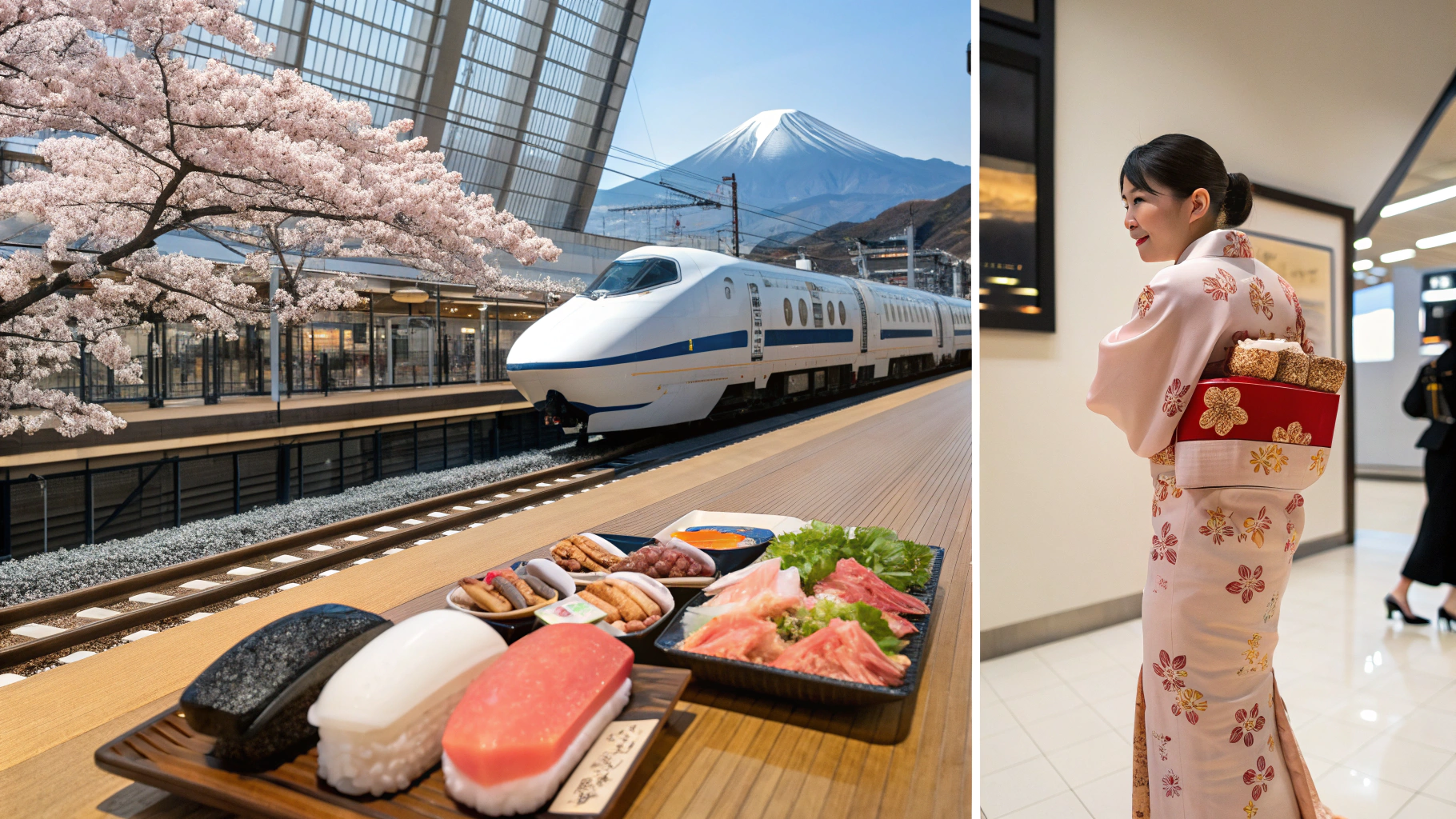
How Much Is a Trip to Japan? Complete Easy Guide
So you’re dreaming about sushi, cherry blossoms, and neon-lit streets, huh? I totally get it. Japan has this magnetic pull that makes you want to drop everything and book a flight ASAP. But here’s the thing—before you start packing your bags, you’re probably wondering: how much is a trip to japan really gonna cost me?
Look, I’ve been there. I spent weeks researching, calculating, and second-guessing my budget before my first japan trip. And honestly? The answer isn’t as scary as you might think. Sure, Japan has a reputation for being pricey, but with smart planning, you can experience this incredible country without selling a kidney.
In this guide, I’m breaking down every single cost you need to know—flights, accommodation, food, transport, and all those little extras that add up. By the end, you’ll have a clear picture of what to expect and how to make your budget work for you.
No time to read the whole post?
Here’s the quick version: A basic 10-day trip to Japan typically costs between $2,500-$4,000 per person, including flights from the US. Budget travelers can do it for around $2,000-$2,500, while mid-range travelers should expect $3,000-$4,500, and luxury seekers will easily spend $5,000+. Your biggest expenses will be flights ($600-$1,500), accommodation ($30-$200 per night), and daily spending ($50-$150). The Japan Rail Pass saves you money if you’re traveling between cities, and eating at local spots instead of tourist traps cuts your food budget in half. Bottom line? Japan is totally doable on various budgets—you just need to plan smart.
Table of Contents
Breaking Down Flight Costs to Japan
Let’s tackle the elephant in the room first—getting there. Your flight is probably going to be your biggest single expense, so let’s talk numbers.
From the US, round-trip tickets to Tokyo typically run between $600 and $1,500, depending on where you’re flying from and when you book. West Coast folks (LA, San Francisco, Seattle) usually snag the better deals, sometimes finding tickets for $500-$700 if they’re flexible with dates. East Coast travelers? You’re looking at closer to $900-$1,200 on average.
Pro tip: Book at least 2-3 months in advance and fly mid-week. Tuesday and Wednesday flights are almost always cheaper. Also, avoid Japanese holiday periods like Golden Week (late April-early May) and Obon (mid-August) unless you enjoy paying double for everything.
Budget airlines like AirAsia X, Scoot, and Zipair can save you serious cash, but they’re no-frills experiences. We’re talking basic seats, paid baggage, and zero free meals. Still, if you’re cool with that, you might find tickets for $400-$600 round-trip.
Accommodation Choices and What They’ll Cost You
Alright, where are you gonna sleep? This is where your budget can really flex or shrink.
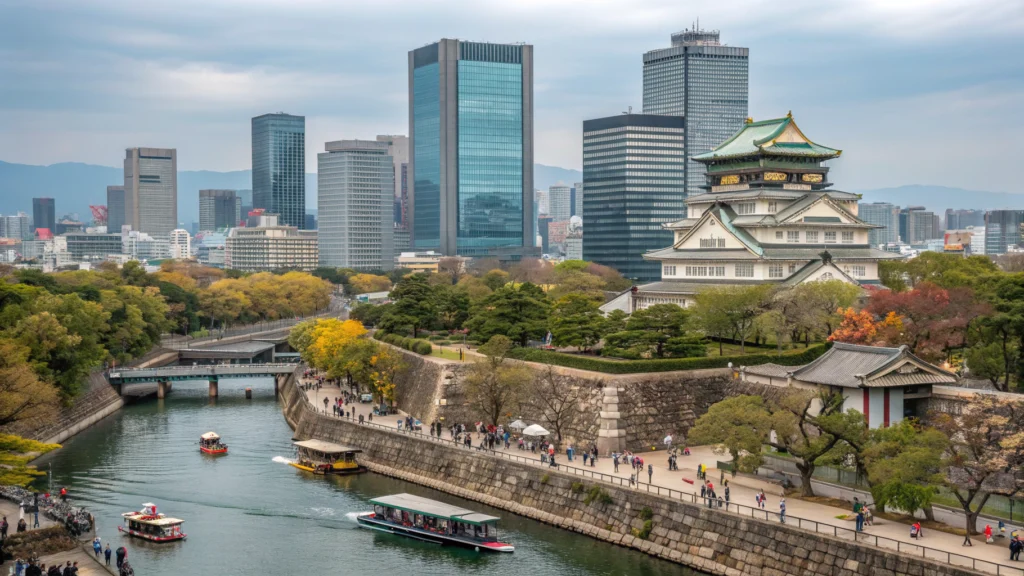
Hostels are your cheapest option at $20-$40 per night for a dorm bed. Japanese capsule hotels offer a unique experience for $25-$50 per night—super clean, super efficient, but definitely cozy (read: tiny). I stayed in one in Osaka and honestly loved it for a night or two.
Budget hotels and business hotels run $50-$90 per night. These are perfect if you want privacy without breaking the bank. Rooms are small but immaculate, and they’re everywhere in major cities.
Mid-range hotels cost $100-$180 per night and offer more space, better locations, and English-speaking staff. Think your standard Western hotel experience.
Ryokans (traditional Japanese inns) are an experience you shouldn’t miss, but they’re pricier at $150-$400+ per night. This usually includes dinner and breakfast though, and sleeping on tatami mats is genuinely cool.
Airbnb can be hit or miss in Japan. You’ll find apartments for $60-$150 per night, but make sure they’re legally registered—Japan cracked down on illegal listings a few years back.
For a 10-day trip, budget $300-$600 for hostels/capsules, $500-$900 for budget hotels, or $1,000-$1,800 for mid-range accommodations.
Daily Food Expenses That Won’t Break You
Here’s some good news—eating in Japan doesn’t have to drain your wallet, and the food is ridiculously good at every price point.
Convenience store meals (7-Eleven, FamilyMart, Lawson) are legit delicious and cost $3-$8. I’m talking onigiri, bento boxes, and sandwiches that taste way better than they have any right to. You could honestly survive on konbini food and be happy.
Casual restaurants and ramen shops charge $6-$12 per meal. Standing sushi bars, curry houses, and izakayas (Japanese pubs) fall into this range too. This is where most locals eat, and it’s where you should eat too.
Mid-range restaurants run $15-$30 per person. You’re getting table service, nicer atmosphere, and multiple courses.
Fine dining starts at $50 and goes up to… well, the sky’s the limit. Michelin-starred spots in Tokyo can easily hit $200-$500 per person.
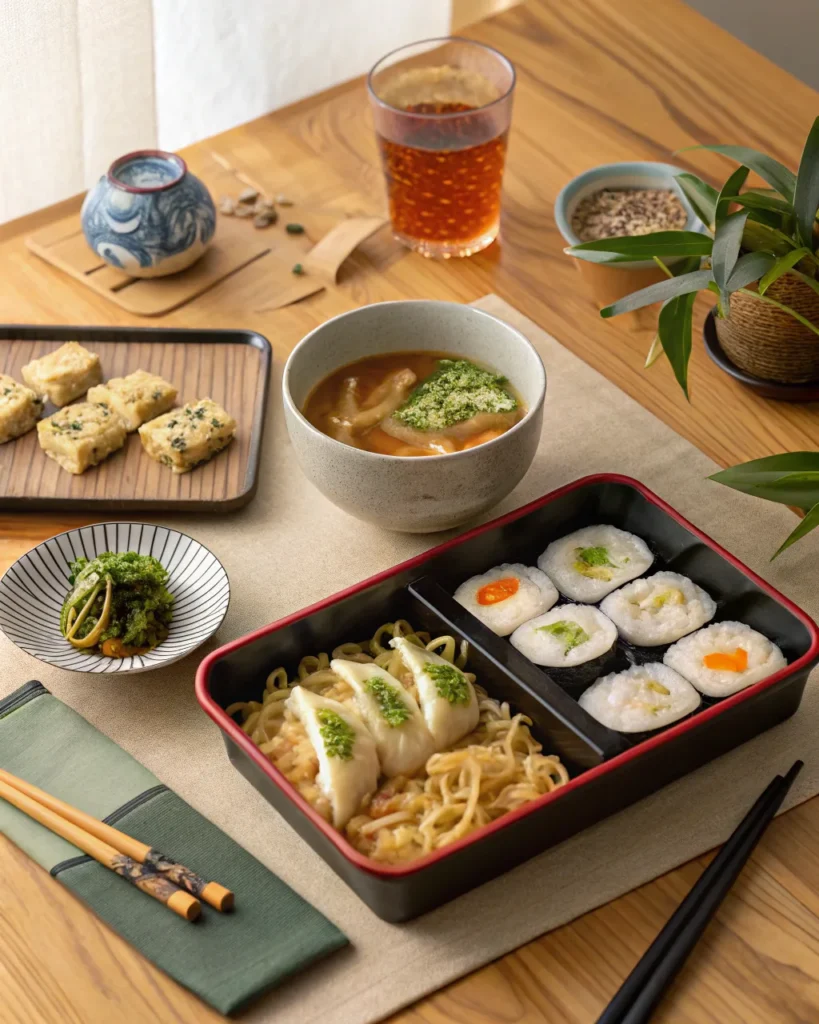
My realistic daily food budget? $30-$50 if you mix convenience stores, casual spots, and maybe one nicer meal. You can definitely do it for $20-$30 if you’re strict, or splurge at $60-$80 if you’re treating yourself.
Over 10 days, that’s $300-$500 for budget eaters, or $600-$800 if you’re going mid-range.
Transportation and the Magic of the JR Pass
Getting around Japan is efficient, clean, and—surprise—can actually be affordable if you play it right.
The Japan Rail Pass is your best friend if you’re visiting multiple cities. A 7-day pass costs around $280 and covers all JR trains, including most shinkansen (bullet trains). A single Tokyo-Kyoto shinkansen ticket costs about $130 one-way, so the pass pays for itself fast.
But here’s the catch—you don’t need it if you’re staying in one city. Tokyo’s subway costs $2-$4 per ride, and day passes run $8-$10. Same deal in Osaka, Kyoto, and other cities.
IC cards (Suica or Pasmo) are rechargeable cards that work on virtually all public transport. Load them up with $50-$100 and tap your way around. So convenient it hurts.
Taxis? Skip them unless absolutely necessary. We’re talking $6-$10 for short rides and way more for anything longer. Save those yen for food instead.
Budget about $10-$20 per day for local transport if you’re not rail-passing it, or $280 for that sweet 7-day JR Pass if you’re city-hopping.
Activities, Attractions, and Entry Fees
Japan offers tons of free and cheap stuff to do, but you’ll want to budget for some paid attractions too.
Temple and shrine entries are often free or just $2-$5. Major spots like Kinkaku-ji (Golden Pavilion) in Kyoto charge around $4-$6.
Museums typically cost $5-$15. The teamLab Borderless digital art museum in Tokyo is around $30 but absolutely worth it IMO.
Activities vary wildly. A sumo tournament ticket runs $50-$200 depending on seats. A traditional tea ceremony costs $20-$40. Day trips to places like Mount Fuji or Hakone can be $30-$100 depending on what you include.
Shopping and souvenirs? That’s totally on you, but set aside at least $100-$200 if you want to bring home Japanese snacks, anime merch, or quality kitchen knives.
Overall, budget $200-$500 for activities and shopping over 10 days, depending on how much you want to pack in.
Putting It All Together: Total Trip Cost
Time for the moment of truth—how much is a trip to japan going to set you back?
Budget Traveler (10 days):
- Flights: $600
- Accommodation: $400 (hostels/capsules)
- Food: $350
- Transport: $150 (local trains only)
- Activities: $200
- Total: $1,700-$2,000
Mid-Range Traveler (10 days):
- Flights: $900
- Accommodation: $1,000 (budget hotels)
- Food: $500
- Transport: $350 (including JR Pass)
- Activities: $400
- Total: $3,150-$3,500
Comfortable Traveler (10 days):
- Flights: $1,200
- Accommodation: $1,500 (nice hotels/ryokan mix)
- Food: $700
- Transport: $400
- Activities: $600
- Total: $4,400-$5,000
These are realistic estimates based on actual traveler experiences. Your mileage may vary depending on your style, but this gives you a solid framework.
Money-Saving Tips That Actually Work
Want to stretch those dollars? Here’s what actually works in Japan, not just theory:
Get a pocket WiFi or local SIM instead of relying on international roaming—you’ll save $50+ and can navigate easily.
Eat breakfast at your hotel (if included) or konbini. Lunch specials at restaurants are way cheaper than dinner.
Visit free attractions—parks, shrines, neighborhood walks. Some of my best Japan memories cost zero yen.
Shop at Don Quijote for snacks and souvenirs. Way cheaper than airport shops.
Travel in shoulder season (March-April except cherry blossom peak, or September-November). Better prices and smaller crowds.
Wrapping This Up
So, how much is a trip to japan? If you’re flying from the US and spending 10 days, expect to spend somewhere between $2,000 and $5,000 depending on your comfort level. Japan isn’t the budget destination that Southeast Asia is, but it’s also not as expensive as its reputation suggests.
The key? Plan ahead, make smart choices about where to splurge and where to save, and don’t stress too much. Your japan trip will be amazing whether you’re staying in capsule hotels or luxury ryokans—trust me on that one.
Now stop overthinking it and start planning. Japan is waiting for you, and honestly? Whatever you spend, it’s going to be worth every single penny. 🙂