7 Reasons To Visit Japan in Winter (Travel Guide)
Ever wondered what it’s like to soak in a steaming hot spring while snowflakes dance around you? Or maybe you’ve dreamed of exploring ancient temples dusted with fresh powder, sipping sake in a cozy izakaya, or catching a glimpse of those iconic snow monkeys chilling in natural baths? If you’re nodding yes, then Japan in winter needs to be in the top of your bucket list.
Here’s the thing: Japan in winter isn’t just cold weather and pretty snow. It’s a whole vibe—think world-class skiing, magical winter illuminations, comfort food that’ll warm your soul, and cultural experiences you won’t find anywhere else on the planet. Whether you’re a powder hound, a foodie, or someone who just wants to experience something truly unique, a winter trip to Japan delivers on every level.
In this guide, I’m breaking down seven rock-solid reasons why Japan should be your next winter escape. From epic snow conditions to cultural gems that shine brightest in the cold months, you’re about to discover why winter might actually be the best time to visit Japan.
Table of Contents
The Snow Quality Is Absolutely Legendary
Let’s kick things off with something that’ll make any ski or snowboard enthusiast weak at the knees: Japow. That’s what locals and regulars call Japan’s powder snow, and honestly? It lives up to the hype.
Japan sits perfectly positioned to catch cold Siberian winds that pick up moisture over the Sea of Japan before dumping ridiculous amounts of the lightest, driest powder you’ll ever ride. Resorts like Niseko in Hokkaido consistently get over 15 meters of snowfall each season. Fifteen. Meters. That’s not a typo.
What makes this snow so special? The cold, dry air creates these tiny snowflakes that stack up into impossibly light powder. You’re not battling heavy, wet snow here—you’re floating through clouds. Resorts like Hakuba, Nozawa Onsen, and Rusutsu offer incredible terrain for all skill levels, and the tree skiing? Chef’s kiss.
Even if you’re not into winter sports, just seeing the snow-covered landscapes is worth the trip. The mountains look like something out of a Studio Ghibli film, and trust me, your Instagram will thank you.
Winter Festivals That’ll Blow Your Mind
Japan doesn’t do winter festivals halfway. They go all out with events that range from artistic masterpieces to straight-up jaw-dropping spectacles.
The Sapporo Snow Festival is probably the most famous. Every February, artists create massive snow and ice sculptures that stand several stories tall. We’re talking intricately detailed castles, anime characters, famous landmarks—all carved from ice and snow. Over two million people visit annually, and it’s easy to see why.
Then you’ve got smaller but equally magical festivals scattered throughout the country. The Otaru Snow Light Path Festival creates a romantic wonderland with thousands of candles lighting up snow-covered paths. The Yokote Kamakura Festival features igloo-like snow houses where you can warm up with amazake (sweet sake).
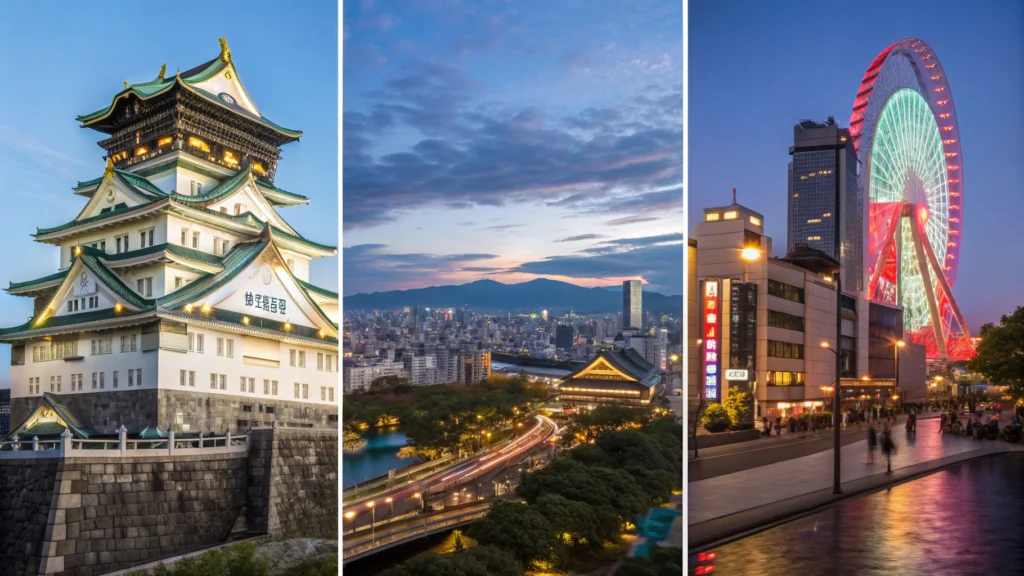
Winter illuminations are another level entirely. Cities like Tokyo, Osaka, and Kobe transform into glittering wonderlands with millions of LED lights creating tunnels, archways, and entire themed displays. The Nabana no Sato winter illumination in Mie Prefecture uses over 8 million bulbs and consistently ranks as one of Japan’s best light displays.
Onsen Experience Hits Different in Winter
Look, hot springs are great any time of year, but experiencing an onsen while it’s snowing outside? That’s peak zen right there.
Picture this: You’re sitting in naturally heated mineral water, steam rising around you, snowflakes melting on your face as they fall, surrounded by snow-covered trees or mountain views. The contrast between the hot water and cold air creates this incredible sensation that you literally can’t replicate in any other season.
Kusatsu Onsen in Gunma Prefecture is one of Japan’s top hot spring towns, known for its high-quality acidic waters that supposedly cure everything (okay, maybe not everything, but they feel amazing). Ginzan Onsen in Yamagata looks like it was pulled straight from a period drama, with traditional wooden buildings lining a snow-covered street.
Many ryokans (traditional Japanese inns) offer private outdoor baths where you can soak without sharing space. After a day of exploring in the cold, sliding into an onsen is basically heaven. Your muscles relax, stress melts away, and you get why Japanese people are so obsessed with these things.
Pro tip: Don’t skip the onsen eggs (boiled in the hot spring water) and onsen manju (steamed buns). They’re simple but delicious.
Winter Food Scene Is Next-Level Comfort
Japanese cuisine is incredible year-round, but winter brings out some seriously comforting dishes that’ll make you never want to leave.
Ramen tastes exponentially better when you’re cold. The rich, steaming broth warms you from the inside out. Try the miso ramen in Hokkaido—it’s heartier and more robust than other styles, perfect for cold weather.
Nabe (hot pot) is winter dining at its finest. You sit around a bubbling pot of broth, cooking meat, seafood, vegetables, and tofu at the table. Shabu-shabu, sukiyaki, chanko nabe—each style brings something different. It’s social, it’s warm, and it’s absolutely delicious.
Oden is another winter staple you’ll find at convenience stores and street stalls. It’s basically a variety of ingredients simmered in a light dashi broth—think fish cakes, boiled eggs, daikon radish, and konnyaku. Sounds simple, but it’s ridiculously satisfying on a cold night.
Don’t sleep on yakiimo (roasted sweet potato) from street vendors. The smell alone will hunt you down and make you buy one. They’re naturally sweet, perfectly soft, and somehow taste better when you’re eating them outdoors in the cold.
Seasonal seafood is also peak during winter months. Crab season in Hokkaido runs from November to March, and you haven’t lived until you’ve tried fresh king crab or snow crab prepared Japanese-style.
Fewer Crowds Mean Better Experiences
Here’s something most travel guides won’t emphasize enough: winter is low season for Japan tourism, which means you get to enjoy attractions without fighting through massive crowds.
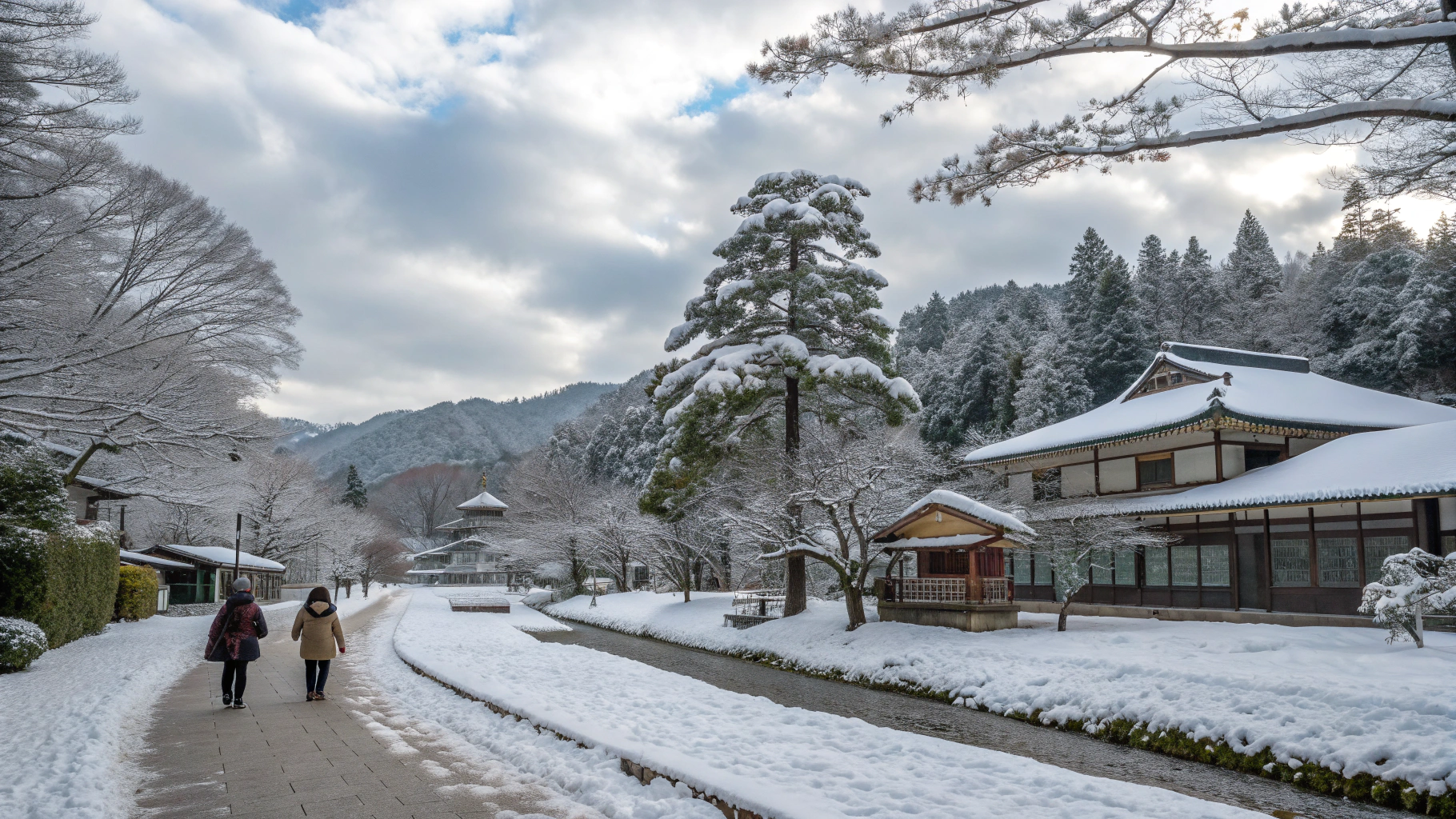
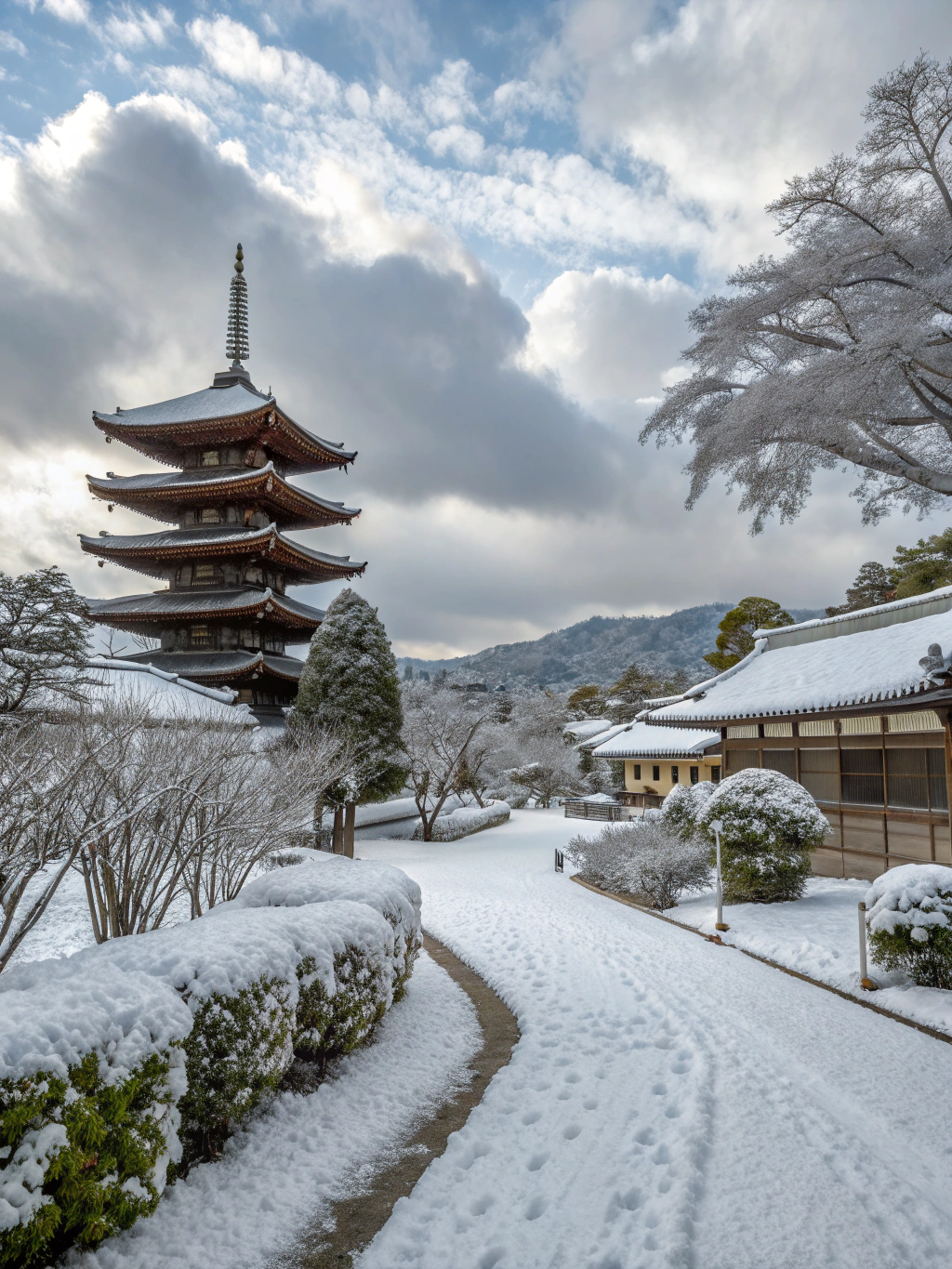
Popular spots like Kyoto’s temples, Tokyo’s neighborhoods, and even normally packed tourist attractions become way more manageable. You can actually take photos at Fushimi Inari without hundreds of people photobombing your shot. You can explore Senso-ji Temple without getting elbowed every three seconds.
Hotels and flights are often cheaper outside of cherry blossom season and autumn foliage peak times. You get more bang for your buck, plus better availability at top-rated accommodations and restaurants.
The exceptions? Ski resorts and hot spring towns can get busy on weekends and holidays, especially around New Year. But even then, it’s nothing compared to the spring and fall tourist tsunamis.
This also means more authentic interactions with locals. People have more time to chat, explain things, and share recommendations when they’re not overwhelmed by crowds.
Snow Monkeys Are Peak Adorable
The Jigokudani Monkey Park in Nagano Prefecture is home to wild Japanese macaques that have discovered the joy of hot springs. Watching these furry guys soak in the thermal pools while snow piles up on their heads is honestly one of the most uniquely Japanese experiences you can have.
These aren’t captive animals performing tricks—they’re wild monkeys who voluntarily come to the hot springs to warm up during winter. You’ll see them grooming each other, playing, and generally living their best lives while tourists snap photos from a respectful distance.
The park is about a 30-minute walk through a snowy forest trail, which adds to the adventure. Dress warmly and wear good boots because it can get slippery. But the payoff? Totally worth it.
Baby monkeys (born in spring) are starting to explore by their first winter, so you might catch some adorable youngsters testing out the hot springs for the first time. The expressions on their faces are priceless—pure bliss mixed with “why didn’t anyone tell me about this sooner?” 🙂
Cultural Experiences Shine in Winter
Winter in Japan brings unique cultural touchpoints you won’t experience in other seasons.
Hatsumode, the first shrine visit of the New Year, is a massive tradition. Millions of Japanese people visit shrines and temples during the first few days of January to pray for good fortune. The atmosphere is festive, with food stalls, traditional decorations, and a sense of renewal in the air.
Setsubun (early February) marks the beginning of spring in the traditional calendar. People throw roasted soybeans while shouting “Oni wa soto! Fuku wa uchi!” (Demons out! Luck in!) to drive away evil spirits. Many temples hold public Setsubun ceremonies with celebrities and sumo wrestlers throwing beans to crowds.
Winter also means kotatsu season—those heated tables with blankets where you can tuck in your legs and basically never leave. Many cafes and restaurants set up kotatsu seating during winter. Once you experience it, you’ll understand why Japanese people become furniture during these months.
The shorter days mean you get to experience Japan’s incredible nightlife and evening atmosphere more fully. Cities light up beautifully, and the contrast between cold streets and warm, cozy interiors makes every meal, every drink, every shop feel like a sanctuary.
Traditional crafts like pottery and indigo dyeing are indoor activities that feel perfect for cold days. Many places offer hands-on workshops where you can create your own souvenirs while learning about centuries-old techniques.
Plan Your Trip to Japan in Winter Adventure
So yeah, if you’ve been sleeping on the idea of a winter trip to Japan, now’s the time to wake up and start planning. The combination of natural beauty, cultural depth, amazing food, and fewer crowds makes winter one of the absolute best times to explore this incredible country.
Pack layers (seriously, the temperature difference between outdoors and indoors is wild), get yourself some heat packs from convenience stores, and prepare for an adventure that’ll probably ruin other winter destinations for you. Once you’ve experienced Japan winter travel, regular winter vacations just don’t hit the same.
Whether you’re carving through Japow, soaking in an outdoor onsen under falling snow, watching snow monkeys do their thing, or just wandering through illuminated streets with a warm drink in hand, Japan in winter delivers memories you’ll be talking about for years.
Trust me—you’ll thank yourself later for choosing Japan as your winter destination. Now get out there and make it happen! 😉