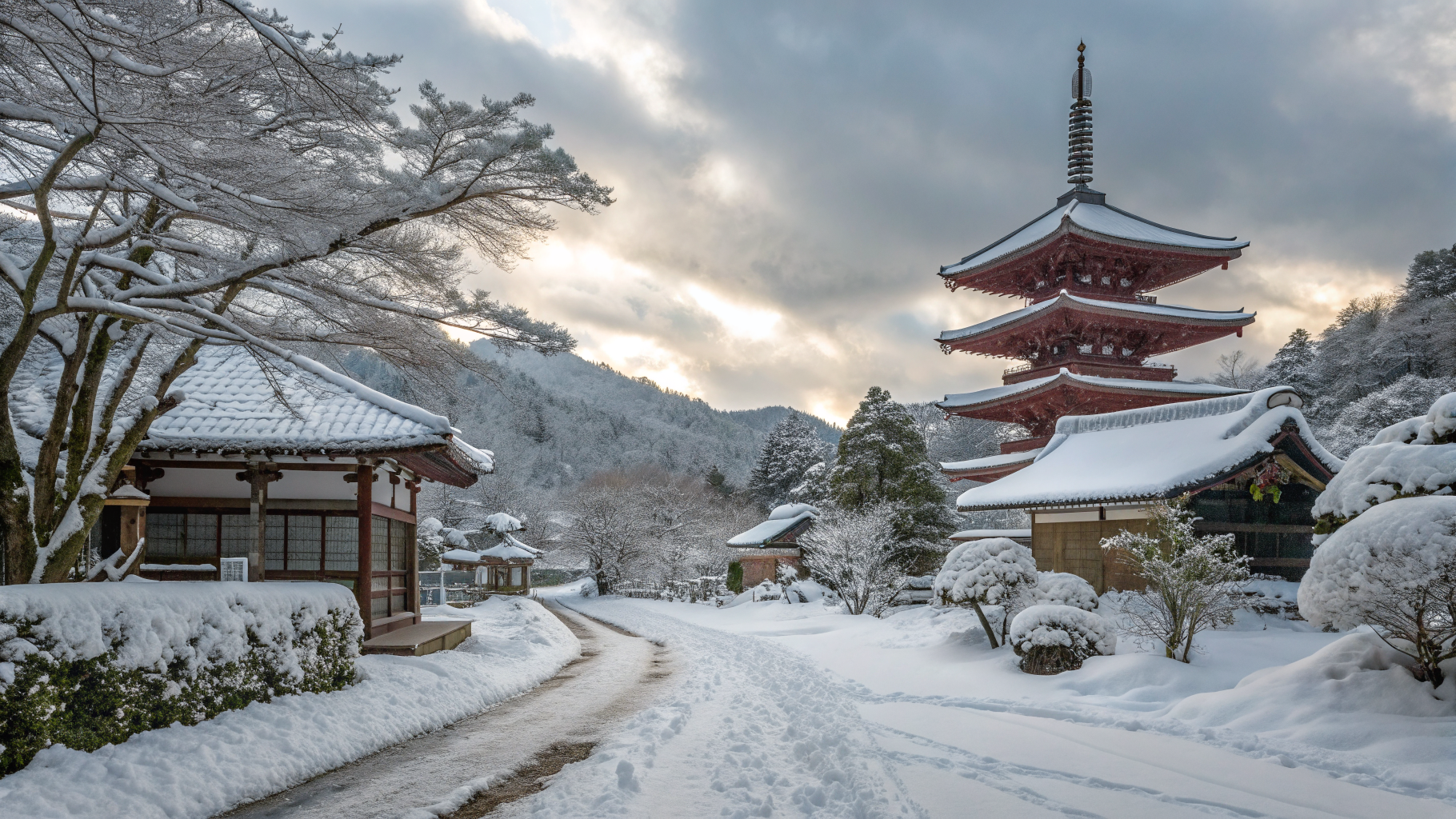
5 Best Japan snow destinations (Winter Travel Guide)
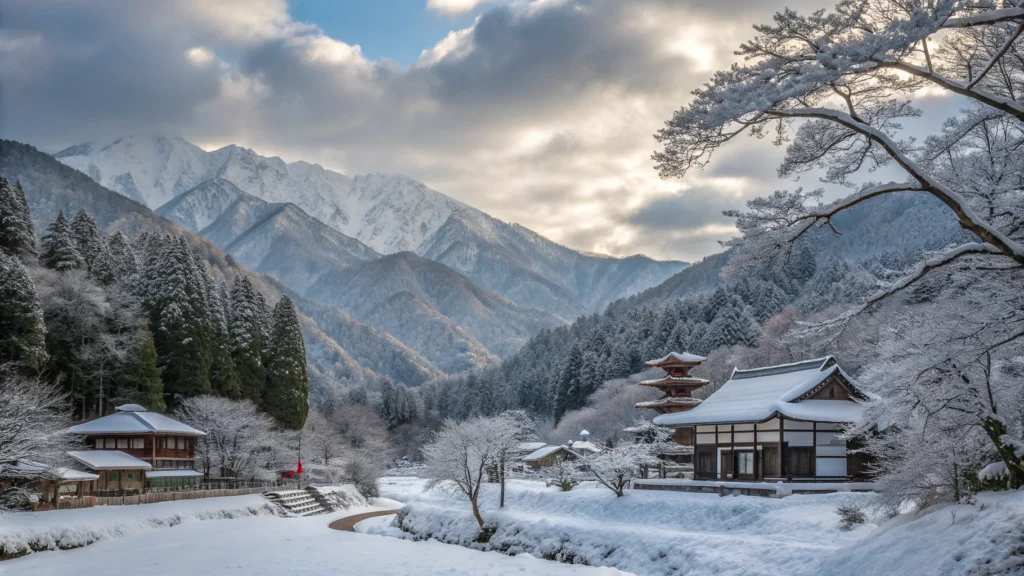
Ever dreamed of walking through a winter wonderland where snow-capped mountains meet steaming hot springs, and powder runs are legendary? Japan’s got all that and more. When winter rolls around, this country transforms into a magical snowy paradise that draws travelers from all corners of the globe. Whether you’re a hardcore skier, a snowboarding enthusiast, or someone who just wants to soak in an outdoor onsen while snowflakes fall around you, Japan snow destinations offer experiences you simply won’t find anywhere else.
Planning a winter escape to Japan? You’re in for a treat. The country’s unique geography creates some of the most consistent, high-quality powder snow in the world. Locals call it “Japow” (Japan powder), and honestly, once you experience it, you’ll understand why people get obsessed. From Hokkaido’s legendary ski resorts to hidden mountain villages in the Japanese Alps, each destination brings its own vibe and charm.
Table of Contents
Why Japan Should Top Your Winter Travel List
Listen, I’ve been to ski resorts across Europe and North America, but nothing quite compares to Japan’s winter experience. The snow quality is insane—seriously, it’s dry, fluffy, and accumulates in massive quantities thanks to cold Siberian winds picking up moisture over the Sea of Japan. We’re talking average snowfalls of 10-15 meters per season at some resorts. Yeah, you read that right—METERS.
But it’s not just about the snow. Japan combines world-class skiing with cultural experiences you won’t get anywhere else. Where else can you shred powder in the morning, soak in a natural hot spring by afternoon, and feast on fresh sushi or ramen by evening? The hospitality is incredible, the infrastructure works like clockwork, and even the smallest ski towns have this attention to detail that makes everything feel special.
Plus, compared to Western ski destinations, Japan often offers better value for money. Lift tickets cost less, accommodation ranges from budget-friendly to ultra-luxe, and the food? Don’t even get me started on how good and affordable it is.
Niseko – The Crown Jewel of Hokkaido
Niseko is basically the rockstar of Japan snow destinations. Located on Hokkaido’s northern island, this resort has gained massive international fame, and for good reason. The powder here is absolutely legendary—consistent, deep, and ridiculously light.
What makes Niseko special? The resort actually consists of four interconnected ski areas: Grand Hirafu, Hanazono, Niseko Village, and Annupuri. A single lift pass gets you access to all of them, giving you tons of terrain to explore. We’re talking 2,191 acres of skiable terrain with everything from gentle beginner slopes to challenging tree runs and off-piste adventures.
The vibe here is definitely international. You’ll hear English everywhere, find Western-style accommodations, and enjoy a bustling nightlife scene. Some purists complain it’s lost its Japanese charm, but honestly, if you’re new to Japan or want easy communication, Niseko removes a lot of stress from your trip.
Here’s what to expect:
- Average annual snowfall of around 15 meters (that’s nearly 50 feet!)
- English-speaking staff and international restaurants
- Night skiing options at Grand Hirafu
- Stunning views of Mount Yotei (Japan’s “Mount Fuji of the North”)
- Excellent hot spring facilities scattered throughout the area
The downsides? Niseko has gotten pricey and crowded, especially during peak season (late December through February). Book accommodations way ahead if you’re traveling during those months.
Hakuba Valley – Olympic-Quality Slopes
Hakuba hosted events during the 1998 Nagano Winter Olympics, which tells you everything about the quality here. This destination actually consists of 10 interconnected ski resorts in the Northern Japanese Alps, offering incredible variety and jaw-dropping mountain scenery.
What I love about Hakuba is the dramatic terrain. You’ve got steep, challenging runs that’ll get your heart pumping, but also plenty of cruising terrain for intermediate skiers. The backdrop of the Hakuba Range creates Instagram-worthy views everywhere you turn.
Hakuba highlights:
- Over 200 runs across 10 resorts with a single pass option
- Mix of challenging terrain and family-friendly slopes
- Closer to Tokyo than Niseko (about 4 hours by train or bus)
- More authentic Japanese atmosphere than Niseko
- Vibrant après-ski scene with cozy izakayas (Japanese pubs)
The village of Happo has developed into a lively base with restaurants, bars, and shops catering to international visitors while keeping that Japanese mountain town feel. You’ll find better English support here than most Japanese resorts, but it’s not quite as Westernized as Niseko.
Hakuba typically receives around 11 meters of snow annually—slightly less than Niseko but still absolutely phenomenal by global standards. The season runs from early December through early May, giving you a longer window to visit.
Nozawa Onsen – Traditional Village Charm
If you want that authentic Japanese mountain village experience with fantastic skiing, Nozawa Onsen delivers perfectly. This 700-year-old hot spring village sits at the base of Mount Kenashi and seamlessly blends traditional culture with modern skiing facilities.
The village itself is a maze of narrow lanes lined with traditional wooden buildings, steam rising from public hot springs scattered throughout town. Thirteen free public onsens dot the village—yes, FREE. After a day on the slopes, you can hop between these natural hot baths, each with its own character and temperature.
Why Nozawa Onsen stands out:
- 297 hectares of varied terrain for all skill levels
- Authentic Japanese village atmosphere (cars aren’t allowed in the center)
- Free public hot springs throughout the village
- Famous local specialty: Nozawa-na pickles
- More affordable than Niseko or Hakuba
- Great for families with ski schools and beginner areas
The skiing here is seriously underrated. You’ve got long runs, good tree skiing, and when fresh snow falls, the powder stashes last longer because it’s less crowded than the big-name resorts. The resort layout is super convenient too—you can ski nearly back to your accommodation in many cases.
One heads-up: English isn’t as widely spoken here, but people are incredibly helpful and kind. A few basic Japanese phrases go a long way, and honestly, that language barrier adds to the charm and adventure of your japan trip.
Furano – Powder Paradise Without the Crowds
Furano flies under the radar compared to Niseko, which is exactly why I’m including it here. Located in central Hokkaido, this resort offers phenomenal powder, beautiful tree skiing, and way fewer people fighting for fresh tracks.
The town of Furano is charming and laid-back, famous in summer for lavender fields but absolutely stunning in winter when everything’s blanketed in snow. You won’t find the international party scene of Niseko here, but that’s kind of the point. This is where you go to focus on skiing and experience quieter Japanese mountain life.
Furano’s strengths:
- Incredible dry powder snow (averaging 9 meters annually)
- Spectacular tree skiing through birch and pine forests
- Two connected areas: Furano Zone and Kitanomine Zone
- Less crowded than major resorts
- Beautiful rime ice formations on trees creating magical scenery
- Proximity to Asahikawa (Hokkaido’s second-largest city)
The resort has a good mix of terrain—about 30% beginner, 40% intermediate, and 30% advanced. The downhill course here is particularly impressive, with a 4-kilometer run that drops over 900 meters. Your legs will feel it, but in the best way possible.
Furano doesn’t have as much English signage or international dining options, so it feels more authentically Japanese. If you’re comfortable with a bit of cultural navigation and want amazing skiing without fighting crowds, Furano is your spot.
Shirakawa-go – A Fairytale Winter Village
Okay, so Shirakawa-go isn’t technically a ski destination, but hear me out. If you’re planning a winter trip to Japan and want to experience something truly magical beyond just skiing, this UNESCO World Heritage village absolutely deserves a spot on your itinerary.
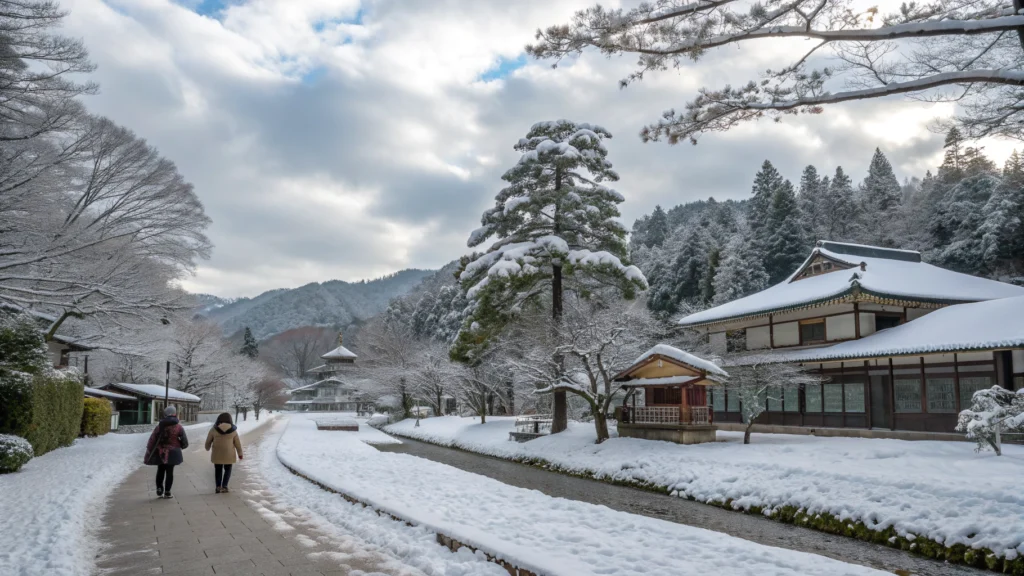
Shirakawa-go is famous for its traditional gassho-zukuri farmhouses—these stunning structures with steep thatched roofs designed to withstand heavy snowfall. In winter, when snow piles high on these roofs and lights illuminate the village at night, it looks like something straight out of a storybook.
What makes Shirakawa-go special:
- Unique traditional architecture over 250 years old
- Spectacular winter illumination events (usually in January and February)
- Peaceful, rural atmosphere far from tourist crowds
- Opportunity to stay in a traditional farmhouse
- Beautiful hiking trails and viewpoints
- Easy day trip from Takayama or Kanazawa
Many of the farmhouses operate as minshuku (Japanese guesthouses), letting you experience traditional living with tatami floors, futon bedding, and home-cooked meals. Waking up in a gassho-zukuri house covered in fresh snow ranks among my most memorable travel experiences in Japan.
The illumination events draw bigger crowds, so book way ahead if you want to visit during those dates. But honestly, any winter day in Shirakawa-go offers that magical atmosphere, especially if you arrive early in the morning or stay overnight when day-trippers have left.
You can easily combine Shirakawa-go with skiing at nearby resorts in the Japanese Alps. Spend a few days skiing in Hakuba or Nozawa Onsen, then head to Shirakawa-go for a completely different but equally amazing winter experience.
Practical Tips for Your Japan Snow Adventure
Best time to visit: January and February offer the deepest powder and most consistent conditions. December and March have fewer crowds and can offer great deals, though snow conditions vary more.
Getting around: Japan’s train system makes traveling between snow destinations surprisingly easy. The JR Pass can save you serious money if you’re visiting multiple regions. Buses also connect major ski areas efficiently.
Accommodation: Book early, especially for peak season. Options range from budget hostels to luxury resorts. Staying in family-run pensions or minshuku gives you more cultural immersion and usually includes amazing meals.
Gear: You can rent everything you need at Japanese ski resorts. The rental equipment is well-maintained and affordable. If you have specific preferences, bring your own boots at minimum since those affect comfort most.
Onsens: Don’t skip the hot springs. They’re incredible after a day of skiing, and they’re an essential part of Japanese mountain culture. Just remember the etiquette—wash thoroughly before entering, and tattoos can sometimes be an issue (though many resorts now accept them).
Food: Prepare to eat amazingly well. Ramen, hot pot, grilled meats, fresh seafood—mountain towns in Japan take their food seriously. Most ski resorts have good on-mountain dining too, way beyond typical ski lodge food.
Wrapping It All Up
So there you have it—five incredible Japan snow destinations that each bring something special to the table. Whether you choose Niseko’s legendary powder and international vibe, Hakuba’s Olympic slopes and dramatic scenery, Nozawa Onsen’s traditional charm, Furano’s quiet powder paradise, or add Shirakawa-go’s fairytale village to your itinerary, you’re in for an unforgettable winter adventure.
Japan does winter differently. The combination of world-class snow, unique culture, incredible food, and warm hospitality creates experiences you simply can’t replicate elsewhere. Yeah, the flight might be longer than heading to Colorado or the Alps, but trust me—it’s absolutely worth it.
Start planning your winter japan trip now, book your accommodations early, and get ready for some of the best powder days of your life. Your future self will thank you when you’re floating through Japow, soaking in a steaming onsen, and slurping the most delicious ramen you’ve ever tasted. See you on the slopes! 😊