15 Japan Winter Travel Tips You Need to Know
Ever wondered what it’s like to watch snow monkeys soak in hot springs while you’re wrapped in a cozy yukata, sipping sake? Japan in winter is basically a real-life snow globe mixed with neon lights, steaming ramen bowls, and some of the best skiing you’ll ever experience. Whether you’re chasing powder in Hokkaido or hunting for the perfect illumination display in Tokyo, winter transforms Japan into something magical.
Look, I’ll be honest with you—planning a Japan winter travel tips adventure can feel overwhelming at first. The weather’s unpredictable, the crowds can be intense during holiday season, and navigating heated toilet seats when you’re jet-lagged? That’s a whole learning curve. 🙂 But trust me, once you get the hang of it, you’ll understand why millions of travelers pick winter as their favorite season to visit Japan.
In this guide, I’m breaking down 15 game-changing Japan winter travel tips that’ll make your trip smoother, cheaper, and way more fun. From packing hacks to secret winter festivals, I’ve got you covered.
Table of Contents
Understanding Japan’s Winter Climate
Japan’s winter weather isn’t one-size-fits-all, and that’s what catches most first-timers off guard.
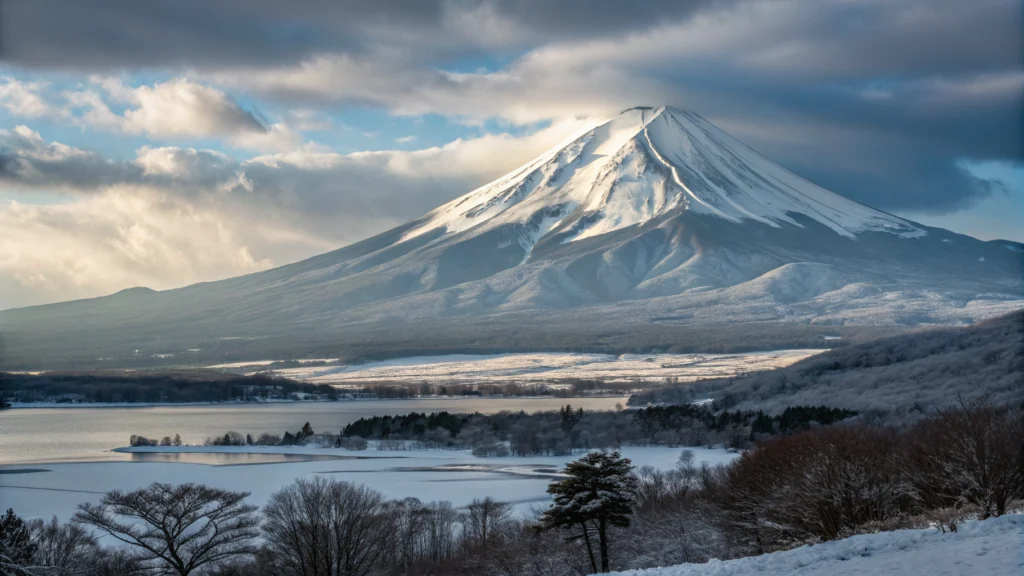
Hokkaido and Northern Japan turn into full-blown winter wonderlands with heavy snowfall and temperatures dropping to -10°C (14°F) or lower. We’re talking serious snow—the kind that makes ski resorts absolutely legendary.
Central Japan (Tokyo, Kyoto, Osaka) stays relatively mild but crisp. You’ll see temps hovering around 5-10°C (41-50°F). Snow’s rare in these cities, but it does happen occasionally, and when it does, everyone loses their minds (in the best way).
Southern regions like Kyushu and Okinawa? They’re basically playing a different game altogether. Think mild winters where you might not even need a heavy coat.
My advice? Check specific regions you’re visiting and pack accordingly. I made the mistake of bringing only Tokyo-appropriate clothes before heading to Sapporo, and let me tell you, I learned that lesson the cold, hard way.
What’s The Best Time For Your Winter Japan Trip
December kicks off with relatively quiet streets (until Christmas marketing hits hard), then ramps up as New Year approaches. Hotels and transport get PACKED during the last week of December through early January.
January brings the famous Sapporo Snow Festival prep, quieter tourist spots after New Year’s madness subsides, and some genuinely great flight deals mid-month.
February offers peak ski conditions, plum blossom previews in warmer areas, and Valentine’s Day chocolate madness (Japanese women give chocolates to men—it’s a whole cultural thing).
Pro tip: If you’re flexible with dates, avoid December 28-January 4. That’s when Japan basically shuts down for New Year celebrations, and prices skyrocket like crazy.
Packing Smart for Winter Japan
Let’s talk luggage strategy because this matters more than you’d think.
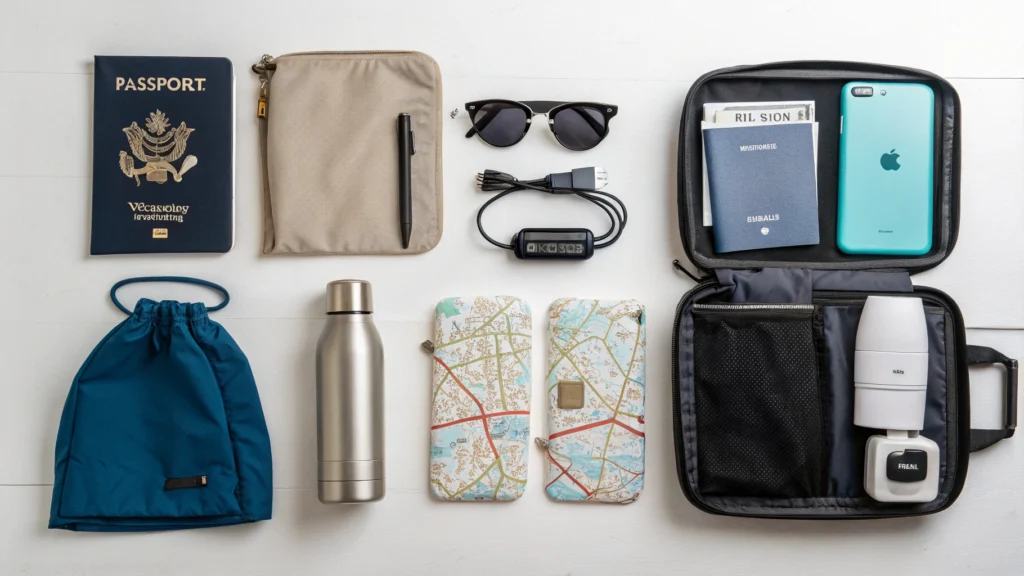
Layering beats bulk every time. Instead of one super-puffy jacket, bring a base layer, mid-layer fleece, and a windproof outer shell. Japanese buildings crank the heat up to tropical levels indoors, so you’ll be peeling layers off constantly.
Footwear makes or breaks your trip. Waterproof boots with good traction are non-negotiable, especially if you’re hitting Hokkaido or mountainous areas. Tokyo sidewalks can get unexpectedly icy too.
Heat tech is your best friend. Uniqlo’s Heattech line isn’t just marketing hype—that stuff actually works. Grab some thermal underwear, and you’ll thank me later.
Don’t forget these extras: hand warmers (sold everywhere in Japan but nice to have from day one), a compact umbrella (winter rain happens), and a small day backpack for temple visits and shopping hauls.
I pack one “nice” outfit for fancy dinners or upscale spots, but mostly keep things casual and warm. Nobody’s judging your fashion choices when it’s snowing sideways.
Transportation and Getting Around
The JR Pass becomes even more valuable in winter if you’re covering multiple regions. Snow trains running through Hokkaido or up to ski resorts? Absolutely stunning views that make the pass worth it just for the scenery.
Trains run crazy-on-time even in heavy snow. Japanese rail infrastructure handles winter like absolute champs, but occasionally you’ll hit delays during major snowstorms. Build buffer time into your schedule just in case.
Local buses in ski areas and rural regions might reduce frequency during winter months. Double-check schedules, especially for last buses back to your accommodation.
Renting a car? Only do this if you’re experienced driving in snow. Japanese mountain roads get intense, and unless you’re comfortable with winter driving, stick to public transport.
Download offline maps through Google Maps before you go. Cell service is generally excellent, but having backup maps when you’re wandering around a snowy temple complex saves headaches.
Accommodation Strategies
Book early. Like, seriously early. Popular ski resorts and onsen towns fill up months in advance, especially for weekends and holidays.
Ryokans with onsen access are peak winter experiences. Soaking in a hot spring while snow falls around you? That’s the stuff travel dreams are made of. Expect to pay premium prices, but IMO it’s worth every yen.
Business hotels offer great value in cities. They’re clean, efficient, and usually near train stations. Plus, they blast the heating, which feels amazing after a day of sightseeing in the cold.
Capsule hotels work fine if you’re solo and budget-conscious, though they can feel claustrophobic during winter when you’re carrying extra layers and gear.
I’ve stayed everywhere from luxury hotels to budget hostels during winter trips, and honestly? As long as the heating works and it’s clean, you’re golden.
Must-See Winter Events and Festivals
The Sapporo Snow Festival (early February) is absolutely bonkers. Massive ice sculptures, international snow-carving competitions, and enough food stalls to keep you eating for days. It gets CROWDED though—we’re talking millions of visitors.
Winter illuminations pop up everywhere from November through February. Tokyo’s Midtown Christmas lights, Kobe’s Luminarie, and Nabana no Sato’s tunnel of lights are all spectacular. They’re free (or cheap) and perfect for Instagram if that’s your thing.
Kamakura festivals in places like Yokote feature these adorable igloo-like snow houses with candles inside. Super atmospheric and way less touristy than Sapporo.
Setsubun (early February) involves throwing beans at demons to welcome spring. It sounds weird, but temples and shrines go all-out with ceremonies and celebrations.
I stumbled into a small local snow festival in Niigata once, and it ended up being more memorable than the famous ones because locals actually interacted with us and shared homemade amazake (sweet rice drink).
Food Experiences You Can’t Miss
Winter is when Japanese comfort food absolutely shines.
Nabe (hot pot) comes in dozens of varieties—chanko nabe, sukiyaki, shabu-shabu. You cook ingredients at your table in bubbling broth, and it’s the coziest dining experience ever.
Oden appears at every convenience store. It’s this magical pot of simmered ingredients like eggs, daikon radish, and fish cakes in dashi broth. Grab some from a 7-Eleven at midnight and experience pure comfort.
Ramen hits different in winter. Regional varieties like Sapporo’s miso ramen or Hakodate’s shio ramen will warm you from the inside out.
Seasonal specialties include strawberries (peak season!), crab in Hokkaido, oysters along coastal areas, and fugu (blowfish) if you’re feeling adventurous.
Street food at festivals serves up yakiimo (roasted sweet potato), takoyaki, and taiyaki fresh and piping hot.
FYI, Japanese people take winter eating seriously. Don’t skip the seasonal stuff—it’s designed to keep you warm and happy during cold months.
Onsen Etiquette and Hot Spring Hunting
Experiencing an outdoor onsen in winter ranks among life’s top pleasures. Your body’s toasty warm in the mineral water while cold air hits your face and snow falls around you—it’s surreal.
Basic etiquette: wash thoroughly before entering the bath, don’t wear swimsuits (most onsen are gender-separated and clothing-free), tie long hair up, and don’t bring towels into the water (put them on your head or nearby).
Tattoo policies are loosening up, but many traditional onsen still ban them. Research tattoo-friendly places beforehand or use cover-up patches.
Day-trip onsen offer great experiences without overnight stays. Places like Hakone, Kusatsu, and Kinosaki are perfect for this.
Some of my favorite winter onsen memories involve mixed-gender “family baths” at ryokans where you can rent private baths. Perfect if you’re traveling with a partner or feel shy about public bathing.
Budget-Friendly Winter Travel Hacks
Contrary to popular belief, winter can be cheaper than spring if you avoid New Year’s week. Flight prices drop in January, and accommodation deals pop up everywhere.
Convenience store meals save serious cash. Their winter offerings are actually delicious—oden, nikuman (steamed buns), and seasonal bentos rival some restaurant food.
Free activities include temple visits, winter illuminations, parks, and window shopping in districts like Harajuku or Dotonbori.
Discount passes beyond the JR Pass exist for specific regions. Osaka’s got unlimited subway passes, Kyoto has bus passes, and many ski areas offer multi-day lift tickets with savings.
Eat lunch sets instead of dinner at restaurants you want to try. Same food, often half the price.
I’ve done luxury trips and shoestring-budget trips through winter Japan, and honestly? The budget trips forced me to discover hole-in-the-wall spots and local experiences I’d have missed otherwise.
Skiing and Snow Sports
Hokkaido delivers world-class powder snow. Niseko’s famous internationally, but Furano and Rusutsu offer equally great conditions with smaller crowds.
Nagano region hosted the 1998 Olympics for good reason. Hakuba Valley provides diverse terrain and easier access from Tokyo.
Equipment rental is readily available at all major resorts. Quality’s generally excellent, and staff usually speak enough English to get you sorted.
Onsen après-ski is a Japanese specialty. Many resorts have hot springs right at the base—nothing beats soaking those tired muscles after a day on the slopes.
Even if you don’t ski, snow resorts offer activities like snowshoeing, sledding, and snow rafting. Plus resort towns have fantastic food scenes.
Cultural Experiences Unique to Winter
Hatsumode (first shrine visit of the new year) shows Japanese culture at its most vibrant. Millions visit shrines during the first three days of January. It’s crowded but incredible.
New Year traditions include eating toshikoshi soba (year-crossing noodles) on New Year’s Eve, osechi ryori (special New Year food), and mochi (rice cakes that cause surprising numbers of choking incidents—seriously, be careful).
Kotatsu culture deserves mention. These heated tables with blankets are peak coziness. Some cafes and restaurants offer kotatsu seating, and it’s addictive.
Winter matsuri (festivals) happen in smaller towns and showcase local traditions without tourist crowds overwhelming everything.
I spent one New Year’s in a small town outside Kyoto, and locals invited me to their family gatherings. That personal connection made the trip unforgettable in ways major tourist spots couldn’t match.
Practical Money and Communication Tips
Cash is still king in Japan, especially in rural areas and smaller establishments. ATMs at 7-Eleven work with most international cards and don’t charge ridiculous fees.
IC cards (Suica or Pasmo) work for trains, buses, vending machines, and many stores. Load one up and you’ll breeze through transit.
Pocket WiFi or SIM cards keep you connected. I prefer SIM cards for convenience, but pocket WiFi works if you’re traveling with others and want to share.
Translation apps like Google Translate’s camera function are lifesavers for reading menus and signs. Download Japanese language packs for offline use.
Emergency numbers: 110 for police, 119 for ambulance/fire. Most operators don’t speak English, but they’ll figure it out or transfer you to someone who can help.
Winter weather can mess with plans, so keep some emergency cash separate from your main wallet, just in case.
Health and Safety in Winter Weather
Dry air in heated buildings destroys your skin and sinuses. Bring moisturizer, lip balm, and hydrate constantly. Hotels often provide humidifiers—use them.
Slippery surfaces cause more injuries than you’d expect. Walk like a penguin (small steps, flat feet) on icy patches, and don’t rush.
Hypothermia prevention matters in Hokkaido and mountain areas. Dress properly, stay dry, and duck into convenience stores or cafes if you’re getting too cold.
Heated toilet seats might seem trivial, but they’re everywhere and life-changing. Just be aware that fancy toilets have control panels in Japanese—press the wrong button and you might get an unexpected bidet surprise. 🙂
Travel insurance covering winter sports is essential if you’re skiing. Medical costs in Japan can get expensive without coverage.
I once underestimated how cold Sapporo would be and ended up buying emergency winter gear at Uniqlo. Not the worst outcome, but definitely added unexpected expenses.
Photography Tips for Winter Japan
Golden hour in winter happens earlier and lasts longer, giving you gorgeous light for photos. The low winter sun creates amazing shadows and warm tones.
Snow photography requires adjusting exposure compensation up (usually +1 or +2) because cameras tend to make snow look gray. Shoot in RAW if possible for better editing flexibility.
Illumination events photograph best during blue hour (just after sunset) when there’s still some ambient light competing with the displays.
Protect your gear from moisture and temperature changes. Moving from cold outdoors to warm indoors creates condensation that can damage electronics. Let cameras acclimate slowly in a bag.
Smartphone batteries drain faster in cold weather. Keep your phone in an inside pocket close to your body, and bring portable chargers.
Some of my favorite Japan photos came from random snowy moments—a vending machine glowing in the darkness, steam rising from a street grate, locals bundled up sharing umbrellas.
Final Thoughts on Your Winter Japan Adventure
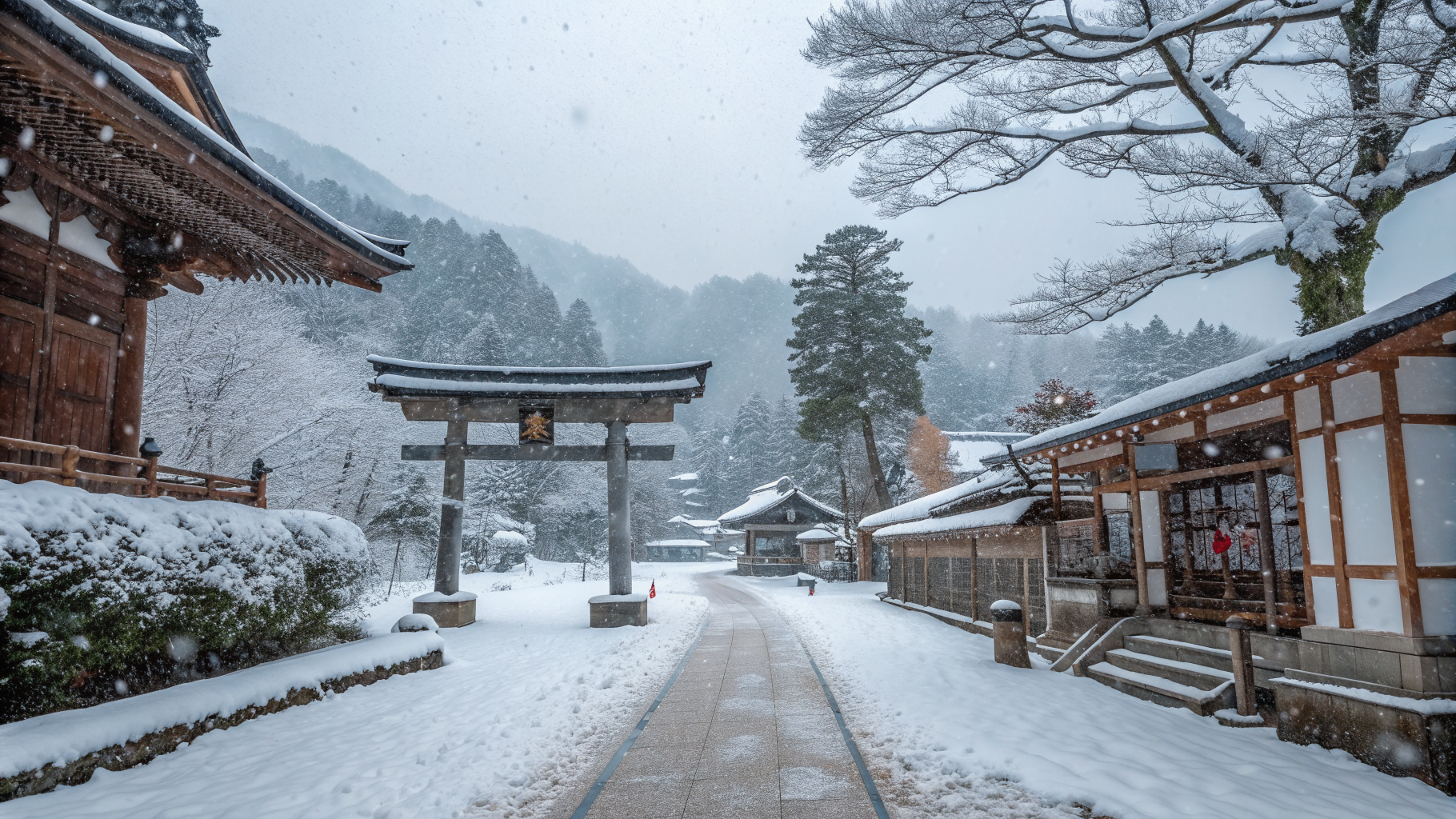
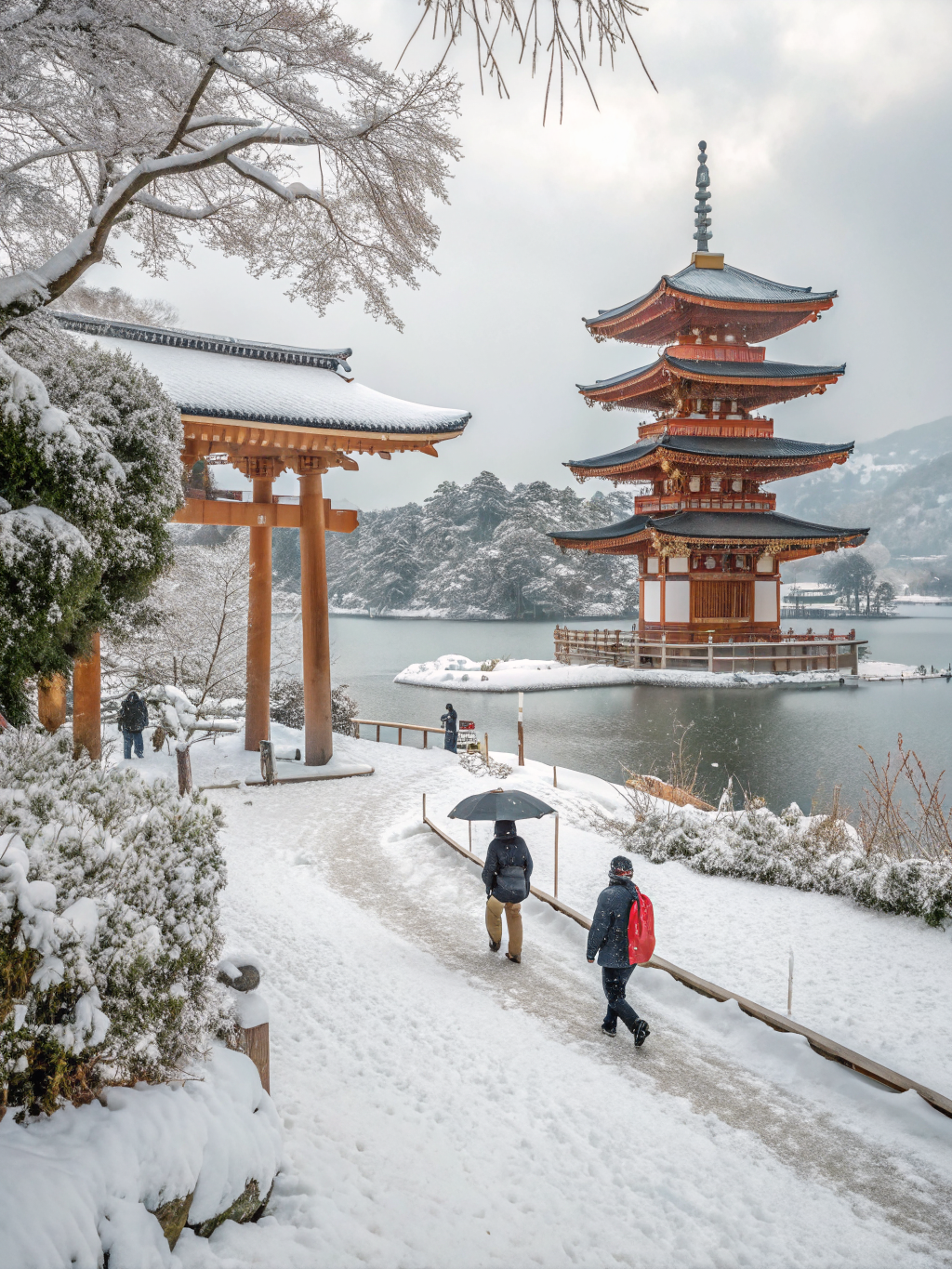
So yeah, planning a Japan winter travel tips adventure takes some preparation, but it’s absolutely worth the effort. Winter shows you a completely different side of Japan—quieter temples dusted with snow, locals welcoming you into warm izakayas, and natural beauty that rivals anything you’ll see during cherry blossom season.
The key things? Layer your clothing, book accommodation early, embrace the food culture, respect onsen etiquette, and keep cash handy. Beyond that, stay flexible and open to unexpected experiences. Some of my best memories came from unplanned moments—getting lost in Kyoto during a light snowfall, stumbling into a neighborhood festival, or sharing sake with strangers at a mountain lodge.
Japan in winter isn’t just about checking destinations off a list. It’s about slowing down enough to appreciate the seasonal beauty, warmth (literal and figurative) of Japanese hospitality, and those perfect moments when everything just clicks.
Whether you’re chasing powder in Hokkaido, soaking in outdoor onsen, or wandering through illuminated streets in Tokyo, you’re in for something special. Pack smart, plan ahead where it matters, and leave room for spontaneity everywhere else.
Now get out there and make some incredible winter memories. Trust me—you’ll come back already planning your next trip. What are you waiting for? 🙂