Japan Winter Vacation: 7 Reasons Winter Beats Summer (Trust Me On This)
Picture this: You’re standing in a steaming outdoor hot spring, snowflakes melting on your cheeks while you soak in water so warm it feels like a hug. In the distance, snow-capped mountains frame the scene like something out of a movie. This isn’t a dream—it’s a real Japan winter trip, and honestly? It might just be the best decision you’ll ever make.
Most people think of cherry blossoms and summer festivals when planning their Japan winter vacation, but here’s the thing: they’re missing out on something magical. Winter in Japan transforms the country into a wonderland that combines stunning natural beauty, incredible food, unique cultural experiences, and way fewer crowds. Yeah, you heard that right—fewer tourists elbowing you at every temple 🙂
I’m about to give you seven solid reasons why booking your Japan trip for winter isn’t just a good idea—it’s the smart move. Whether you’re into skiing, soaking in onsens, experiencing authentic festivals, or just want Instagram photos that’ll make your friends jealous, winter Japan delivers on all fronts.
Table of Contents
World-Class Snow Sports That’ll Blow Your Mind
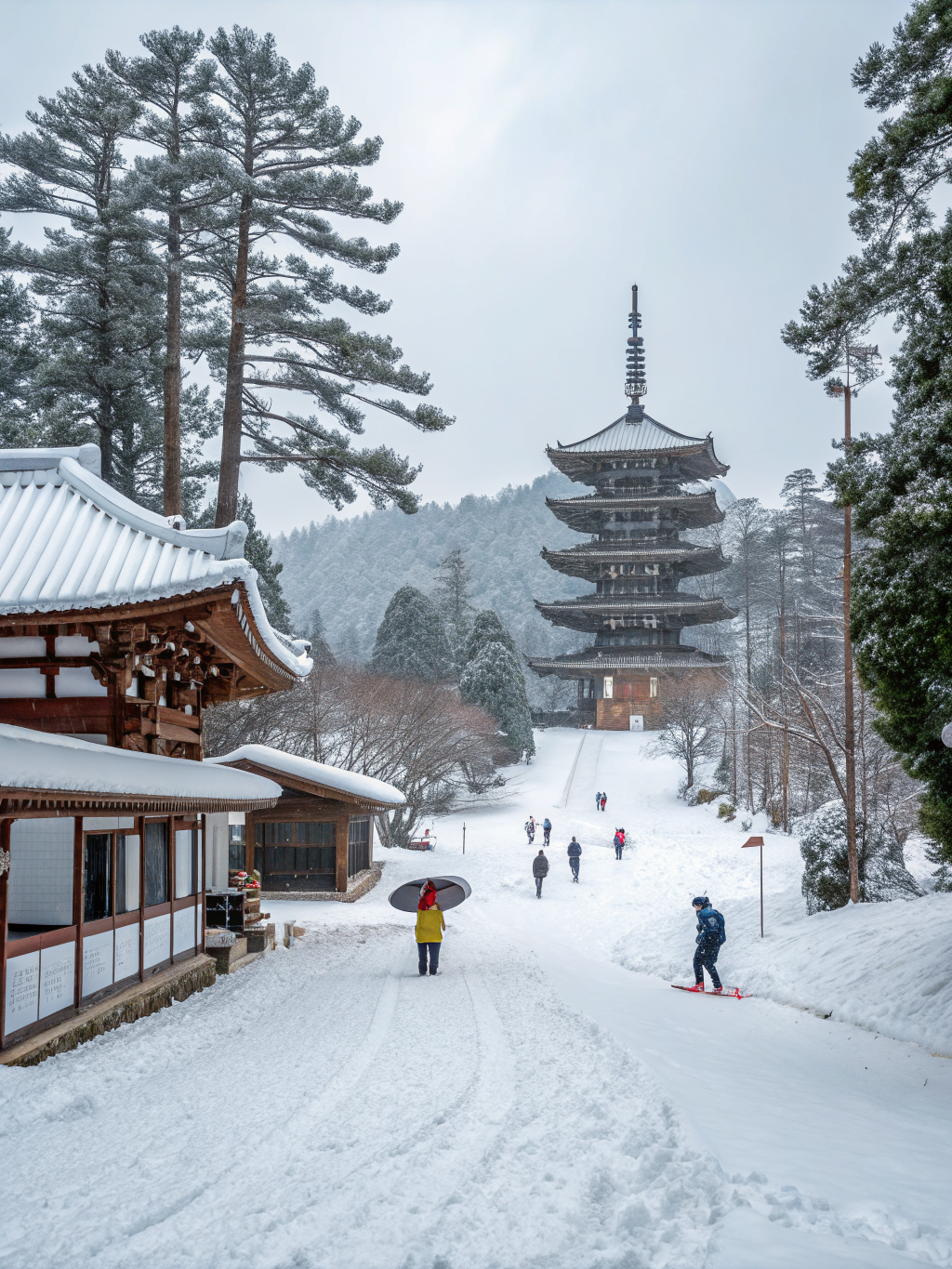
Let me start with the obvious winner: Japan has some of the best powder snow on the planet. I’m not exaggerating. The snow in places like Hokkaido is so light and fluffy that skiers call it “Japow” (Japan + powder, get it?). If you’ve ever wanted to ski or snowboard in conditions that feel like floating on clouds, this is your moment.
Niseko, located in Hokkaido, consistently ranks among the world’s top ski resorts. The snow quality there is insane—dry, deep, and perfect for carving turns or just face-planting in the softest landing you’ll ever experience. But here’s the cool part: you don’t have to be a pro. Resorts like Hakuba in Nagano and Nozawa Onsen cater to all skill levels, from total beginners to Olympic-level athletes (the 1998 Winter Olympics happened in Nagano, FYI).
The best part? After a day on the slopes, you can soak your tired muscles in a natural hot spring. Many ski resorts have onsens right on-site or nearby. Where else can you shred powder all day and then relax in steaming mineral water under the stars? That combo alone makes a Japan winter vacation worth every penny.
Illuminations That Look Like Real-Life Fairy Tales
Winter illuminations in Japan are next-level gorgeous. We’re talking millions of LED lights transforming parks, gardens, and entire neighborhoods into glowing wonderlands. These aren’t your basic holiday light displays—they’re elaborate art installations that change themes and patterns throughout the evening.
Tokyo Midtown and Roppongi Hills in Tokyo go all out with sophisticated light shows. Nabana no Sato in Mie Prefecture features a tunnel of lights that’ll make you feel like you’re walking through a rainbow. And the Sapporo White Illumination runs for months, covering the city in sparkling magic.
What I love about these illuminations is how they capture the Japanese aesthetic—elegant, detailed, and just plain beautiful. Couples flock to these spots for romantic dates (it’s actually considered one of the most romantic winter activities in Japan), but honestly, even if you’re traveling solo or with friends, the vibe is incredible. Grab some hot chocolate or amazake (sweet rice wine), bundle up, and wander through these light displays. Your camera roll will thank you.
Hot Springs With Snow Views Hit Different
I mentioned onsens earlier, but this deserves its own section because soaking in a hot spring during winter is a completely different experience from summer. The contrast between the freezing air and the hot water creates this surreal, almost meditative sensation that you won’t find anywhere else.
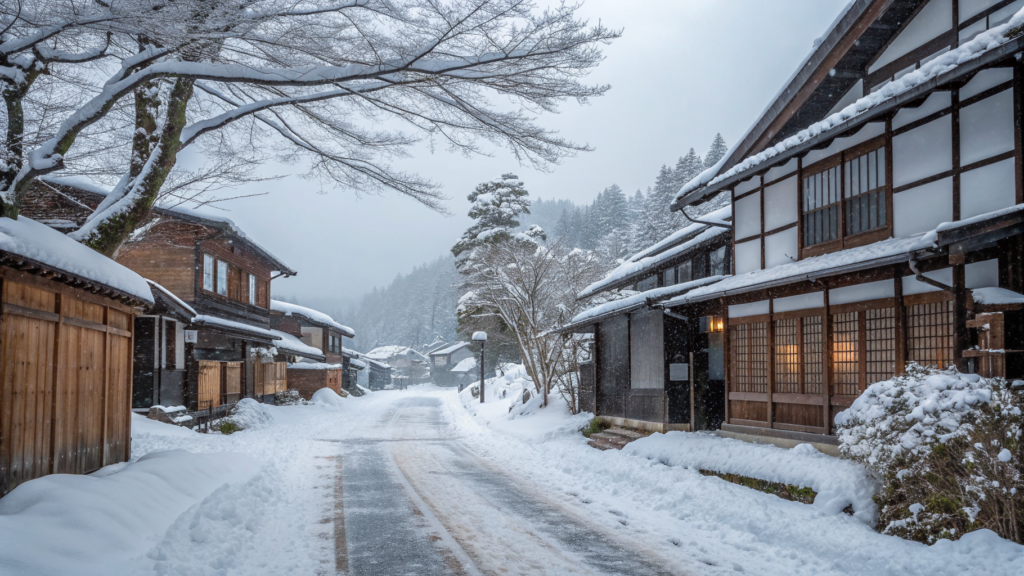
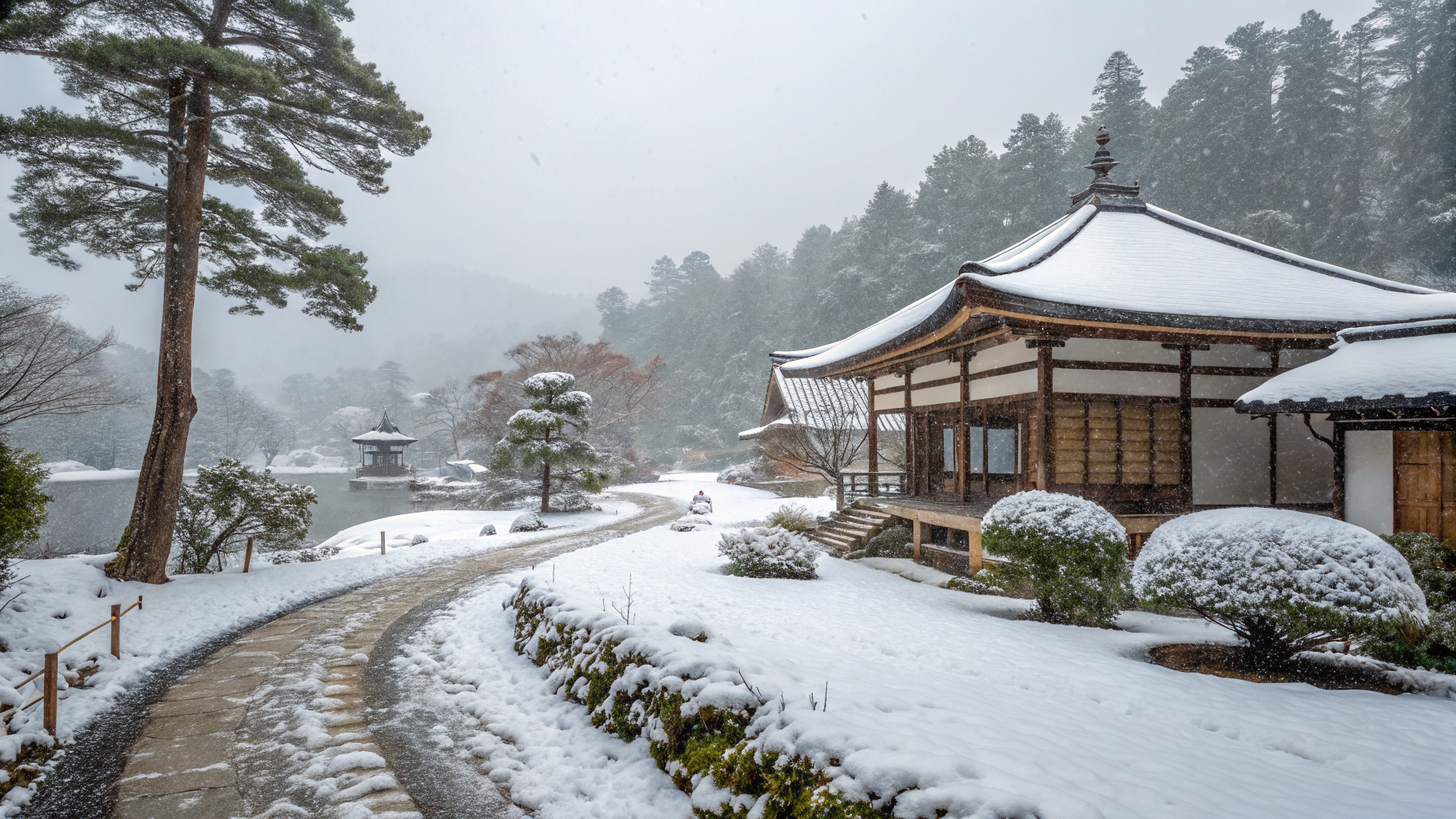
Places like Kusatsu Onsen in Gunma and Ginzan Onsen in Yamagata look straight out of a Studio Ghibli film when covered in snow. Traditional wooden buildings with snow piling up on their roofs, steam rising from the baths, lanterns casting a warm glow—it’s ridiculously picturesque.
Many ryokans (traditional Japanese inns) offer private outdoor baths where you can soak while watching snowflakes fall. Some even serve sake that you can sip while relaxing in the water. If that doesn’t sound like peak relaxation, I don’t know what does. Your Japan winter trip absolutely needs at least one onsen experience, preferably with snow. Trust me on this one.
Way Fewer Crowds Mean Actual Peace
Here’s something nobody talks about enough: winter is the off-season for most tourists in Japan. While cherry blossom season and autumn foliage bring massive crowds that pack trains, temples, and restaurants, winter offers breathing room.
You can actually walk through Fushimi Inari’s torii gates without dodging selfie sticks every three seconds. Kyoto’s temples become peaceful again, letting you experience them the way they’re meant to be experienced—in quiet contemplation, not surrounded by tour groups. Even Tokyo feels less frantic.
This means better photo opportunities (no photobombers!), easier restaurant reservations, and a more authentic experience overall. You’ll interact more with locals instead of just other tourists. Plus, shorter lines at popular attractions save you time and frustration. If you value quality over crowds, winter Japan is where it’s at.
The tourism industry notices this too, which brings me to my next point…
Your Wallet Will Actually Survive
Winter prices for flights and hotels drop significantly compared to peak seasons. Airlines and hotels need to fill seats and rooms, so they slash prices to attract visitors. I’ve seen flight deals to Tokyo in January that cost literally half of what they’d run during cherry blossom season.
Accommodations follow the same pattern. That fancy ryokan with the private onsen that costs $500 per night in April? You might snag it for $250 in February. Even mid-range hotels in Tokyo and Osaka offer discounts and special winter packages.
Restaurants and attractions don’t typically change their prices, so you’re getting the same amazing experiences for less overall trip cost. Your budget stretches further, meaning you can splurge on better meals, more souvenirs, or extra experiences like a kaiseki dinner or a sumo tournament.
IMO, saving money while avoiding crowds is the ultimate win-win situation for any traveler. A Japan winter vacation gives you both.
Winter Food Hits Your Soul Just Right
Japanese cuisine adapts beautifully to the seasons, and winter brings out some seriously comforting dishes. We’re talking hot pot heaven—shabu-shabu, sukiyaki, chanko nabe (sumo wrestler stew), and oden simmering away in convenience stores.
Ramen shops serve steaming bowls of tonkotsu or miso ramen that warm you from the inside out after a day in the cold. Street vendors sell yakiimo (roasted sweet potatoes) and nikuman (steamed pork buns) that you can munch while exploring.
Seafood reaches peak deliciousness during winter months. Crab season in Hokkaido is legendary—the king crab, snow crab, and hairy crab are insanely fresh and sweet. Oysters from Hiroshima are plump and perfect. If you’re into sushi and sashimi, winter fish like yellowtail and tuna are at their fattiest and most flavorful.
And let’s not forget about seasonal treats like strawberries (Japanese strawberries are huge, sweet, and perfect), hot amazake at shrines, and warming sake varieties. Your taste buds will go on their own amazing journey during your trip.
Unique Winter Festivals You Won’t See Anywhere Else
Japan doesn’t hibernate during winter—the festival calendar stays packed with events you literally can’t experience any other time of year.
The Sapporo Snow Festival in February is probably the most famous, featuring massive ice and snow sculptures that take weeks to create. We’re talking building-sized art pieces, ice slides, and international snow sculpting competitions. Over two million people attend, but the festival grounds are spacious enough that it doesn’t feel overcrowded.
Yokote Kamakura Festival in Akita Prefecture creates hundreds of igloo-like snow houses where you can drink amazake and warm up. Kids and adults alike participate, making it feel like stepping into a winter fairy tale.
Lake Shikotsu Ice Festival near Sapporo features ice sculptures illuminated with colored lights that change throughout the evening. You can walk through ice tunnels, check out ice slides, and watch fireworks over the frozen lake.
Otaru Snow Light Path Festival transforms this charming port city with thousands of candles placed in snow sculptures and along the historic canal. The romantic, nostalgic atmosphere is absolutely enchanting.
These festivals showcase Japanese creativity, community spirit, and winter beauty in ways that summer festivals simply can’t match. They’re also deeply rooted in local culture and tradition, giving you authentic experiences instead of tourist traps.
Final Thoughts: Winter Japan Deserves Your Attention
Look, I get it—Japan’s cherry blossoms are stunning, and autumn leaves are gorgeous. But sleeping on winter Japan means missing out on some of the country’s most authentic, beautiful, and budget-friendly experiences.
You’ll ski world-class powder, soak in hot springs while snow falls around you, wander through magical illuminations, enjoy incredible seasonal food, experience unique festivals, explore famous sites without battling crowds, and save money while doing it all. That’s a pretty compelling package if you ask me.
A Japan winter vacation offers something special that other seasons can’t quite replicate—that cozy, magical feeling of experiencing beauty in the cold, warming up with amazing food and hot springs, and discovering a side of Japan that fewer travelers get to see.
So yeah, if you’ve been sleeping on winter Japan, now’s the time to wake up and book that trip. Your future self (the one posting envy-inducing photos from an outdoor onsen with snow falling) will thank you later. 😉
What’s holding you back? Have you experienced Japan in winter before? I’d love to hear your thoughts or answer any questions about planning your own winter adventure!