Miyakojima Japan: Complete Island Travel Overview
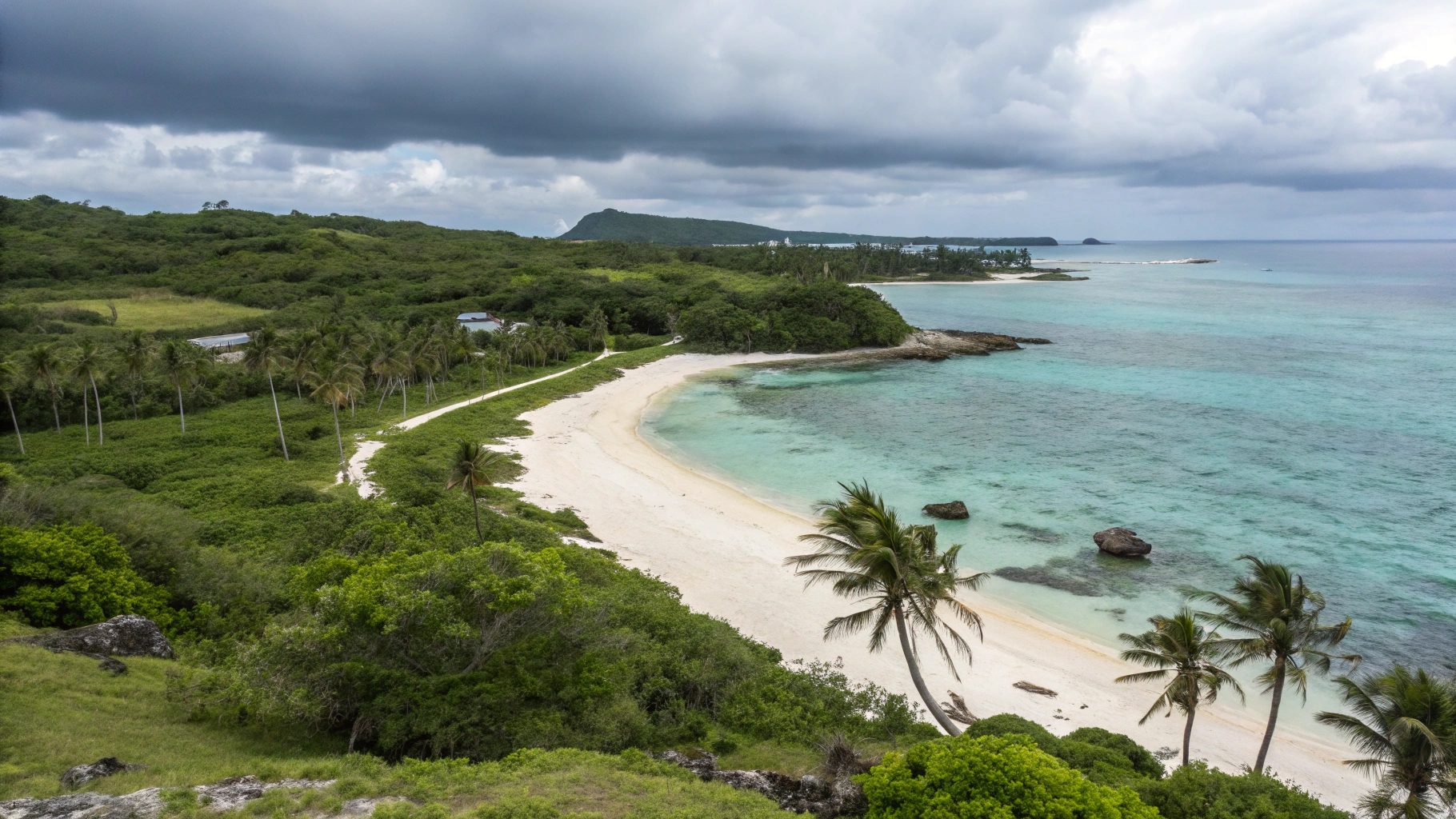
Ever dreamed of finding that one island where the ocean looks like it’s been photoshopped, but it’s actually real? Yeah, Miyakojima Japan is that place. Tucked away in the Okinawa Prefecture, this stunning island paradise has been flying under the radar for way too long. While everyone’s been crowding Bali and Phuket, Miyakojima has been quietly serving up some of the most jaw-dropping beaches, crystal-clear waters, and authentic Japanese island vibes you’ll ever experience.
I’m not gonna lie—when I first heard about Miyakojima, I thought it was just another overhyped beach destination. Boy, was I wrong. After spending time exploring this gem, I realized it’s the perfect blend of adventure, relaxation, and cultural immersion. Whether you’re a beach bum, a snorkeling fanatic, or just someone who needs a serious digital detox, this island has your name written all over it.
Table of Contents
No Time to Read the Whole Post?
Here’s the quick lowdown: Miyakojima Japan is an incredible tropical island in Okinawa with pristine beaches like Yonaha Maehama and Sunayama, world-class snorkeling and diving spots, and unique cultural experiences. Getting there is easy via flights from Tokyo, Osaka, or Naha. The best time to visit is April through October for beach weather, though typhoon season (July-September) can be unpredictable. You’ll need to rent a car to explore properly, and accommodation ranges from budget guesthouses to luxury resorts. Food is fresh, affordable, and delicious—don’t miss the Miyako soba! Budget around $80-150 per day depending on your travel style. It’s honestly one of Japan’s best-kept secrets, and you should totally go before everyone else finds out. 🙂
Why Miyakojima Should Be On Your Japan Bucket List
Look, Japan’s got no shortage of amazing destinations. Tokyo’s neon madness, Kyoto’s temple elegance, Hokkaido’s snowy mountains—they’re all incredible. But Miyakojima Japan offers something totally different: that rare combination of tropical paradise meets Japanese hospitality and efficiency.
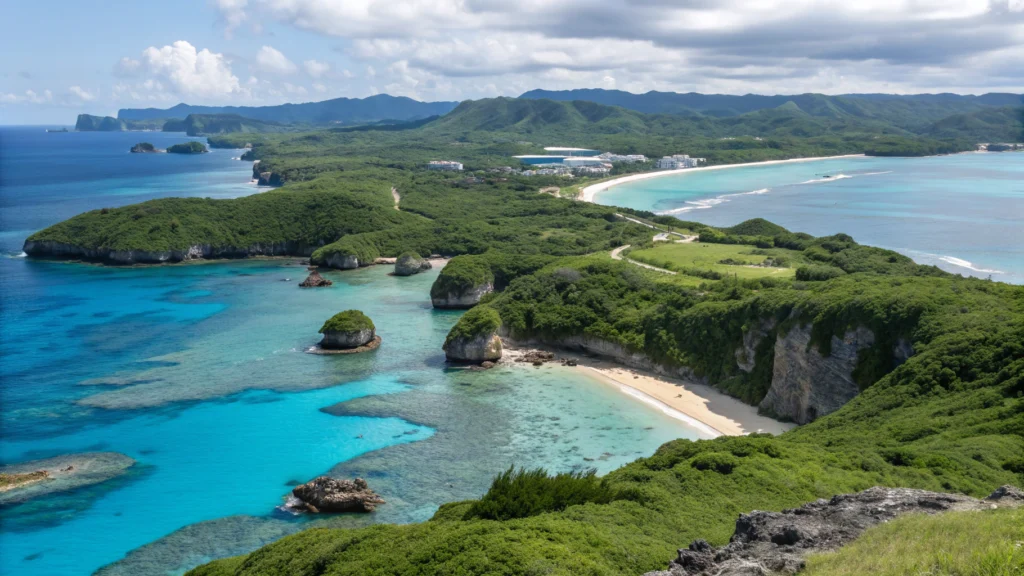
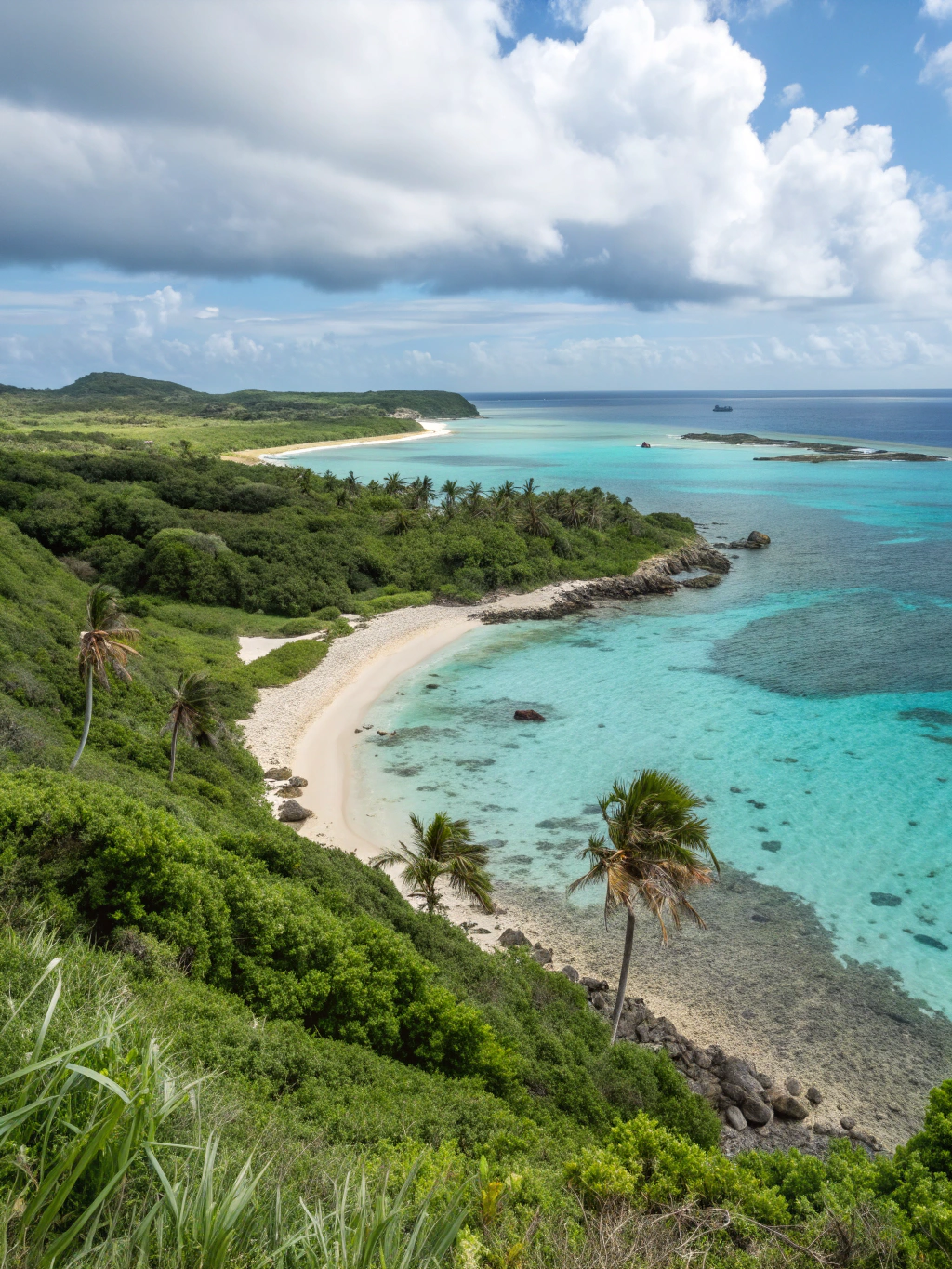
The island sits about 300 kilometers southwest of Okinawa’s main island, making it feel properly remote without being impossible to reach. The water here? It’s that ridiculous shade of turquoise that makes you question if your eyes are working properly. Seriously, I’ve traveled to over 30 countries, and Miyakojima’s beaches rank in my personal top five worldwide.
What really sets this island apart is how uncrowded it feels compared to other Asian beach destinations. Even during peak season, you can find stretches of sand that feel like your own private beach. No pushy vendors, no jet ski noise pollution, no beach chairs crammed shoulder-to-shoulder. Just you, the ocean, and maybe a few locals who give you that friendly Japanese nod as they pass by.
Getting to Miyakojima: Easier Than You Think
Planning your Miyakojima Trip starts with figuring out how to actually get there. The good news? It’s way more straightforward than you’d think for such a remote-feeling island.
Flight Options:
Miyakojima Airport receives direct flights from several major Japanese cities. If you’re coming from Tokyo (Haneda), it’s about a 3-hour flight. From Osaka (Kansai), expect around 2.5 hours. The most common route is connecting through Naha, Okinawa’s capital, which adds flexibility and sometimes saves you money.
Airlines serving Miyakojima include Japan Airlines (JAL), All Nippon Airways (ANA), and budget carriers like Skymark and Jetstar Japan. I’ve found that booking 2-3 months in advance can score you round-trip tickets from Tokyo for around $200-300, though prices spi
ke during Japanese holidays (Golden Week in late April/early May and Obon in mid-August).Pro tip: If you’ve got a JR Pass, it won’t help you here since there are no trains. But honestly, the flight is your only realistic option unless you’re really into long ferry rides (which take about 12 hours from Naha and aren’t super comfortable, IMO).
Best Time to Visit Miyakojima
Timing your visit to Miyakojima Japan can make or break your experience. The island has a subtropical climate, which basically means it’s warm year-round, but there are definitely sweet spots.
April to June: This is my personal favorite window. The weather’s gorgeous—temperatures hover around 25-28°C (77-82°F), the ocean’s warm enough for swimming, and you’re ahead of the main summer crowds. Plus, you dodge most of the rainy season that hits in May-June, though occasional showers are still possible.
July to September: Peak beach season with temperatures reaching 30-33°C (86-91°F). The water is absolutely perfect, but here’s the catch—this is also typhoon season. I got caught in one during a September visit, and while the storm itself was kinda cool to experience from a safe hotel room, it did wipe out two days of beach time. If you visit during these months, just build some flexibility into your plans.
October to November: Still warm enough for beach activities (23-27°C/73-81°F), with calmer weather and fewer tourists. The ocean temperature drops slightly, but it’s still totally swimmable with a rash guard.
December to March: Honestly, skip it unless you’re specifically looking to avoid crowds and don’t care much about swimming. Temperatures dip to 15-20°C (59-68°F), which sounds mild but feels chilly when you’re trying to enjoy a beach. Locals basically don’t swim during these months, and many water activity operators reduce their schedules.
Must-Visit Beaches and Natural Wonders
Okay, let’s talk about what you actually came here for—those ridiculously beautiful beaches that make your Instagram feed look like a travel magazine.
Yonaha Maehama Beach: This 7-kilometer stretch of white sand consistently ranks as one of Japan’s best beaches, and for good reason. The sand is powdery soft, the water transitions through about five shades of blue, and the beach is wide enough that even on busy days, you can find your own space. There are facilities, showers, and equipment rentals available, making it super convenient for a full day of sun-worshipping.
Sunayama Beach: If Yonaha Maehama is the popular kid, Sunayama is the mysterious artsy one everyone secretly admires. The beach is famous for its natural rock arch that frames the ocean perfectly—every photographer’s dream. The beach itself is smaller and requires walking down a sandy path through coastal forest, which keeps the crowds thinner. Fair warning: there are no facilities here, so bring everything you need.
Aragusuku Beach: This one’s a bit more off the beaten path, located on the island’s eastern side. The snorkeling here is absolutely incredible—the reef comes really close to shore, and I saw more tropical fish in 30 minutes here than during some paid snorkeling tours elsewhere. The beach is more rugged and natural, which means fewer amenities but way more authentic vibes.
Ikema Island and Ikema Bridge: Connected to Miyakojima by a stunning 1.4-kilometer bridge, Ikema Island offers dramatic coastal scenery. The bridge drive itself is worth it—ocean on both sides with that crazy blue color that doesn’t look real. Once on Ikema, check out the observation deck for panoramic views that’ll blow your mind.
Irabu Bridge: At 3.5 kilometers, this is Japan’s longest toll-free bridge and connects Miyakojima to Irabu Island. The drive is spectacular, and Irabu itself has some gorgeous beaches and the famous Makiyama Observatory, which gives you 360-degree views of the surrounding islands and ocean.
Snorkeling and Diving Paradise
If you’re into underwater adventures, your Miyakojima Trip is about to get seriously epic. The island is surrounded by some of Japan’s healthiest coral reefs and clearest waters.
Best Snorkeling Spots:
You honestly don’t need to book expensive boat tours to see amazing marine life. Shigira Beach, Yoshino Beach, and the previously mentioned Aragusuku Beach all offer excellent shore snorkeling. I’ve spotted sea turtles, colorful parrotfish, clownfish (yes, real-life Nemos!), and even some small reef sharks during casual snorkeling sessions.
Equipment rental is cheap—usually around ¥1,000-1,500 ($7-10) for a full set of mask, snorkel, and fins for the day. Some beaches offer it, or you can rent from dive shops and take gear to less-developed beaches.
Diving in Miyakojima:
For certified divers, Miyakojima is straight-up world-class. The visibility regularly exceeds 30 meters, and the variety of dive sites keeps things interesting. Popular spots include the Yabiji coral reef (also called “Phantom Island” because parts of it surface during low tide), cave systems with dramatic light effects, and sites known for manta ray sightings during the right season (October-November).
A two-tank dive typically costs ¥12,000-15,000 ($80-100), which is actually pretty reasonable compared to other diving destinations in Asia. If you’re not certified yet, several shops offer beginner courses and discovery dives.
Getting Around: Car Rental is Essential
Let me be straight with you—public transportation on Miyakojima Japan is pretty much non-existent. There are a few buses, but they run infrequently and won’t get you to most of the good beaches. If you want to actually explore the island properly, you need to rent a car.
Car Rental Tips:
The good news is that renting a car here is cheap and easy. Compact cars start around ¥3,000-4,000 ($20-27) per day, and the island’s roads are well-maintained and easy to navigate. Most rental companies are located right at the airport, and you can book in advance online through sites like Tabirai or directly with companies like Toyota Rent-a-Car or Orix.
You’ll need an International Driving Permit (IDP) if you’re not a Japanese resident—get this before leaving your home country, as you can’t obtain one in Japan. Driving is on the left side, and speed limits are generally 40-60 km/h, which feels super chill after navigating crazy traffic in places like Bangkok or Manila.
Island Navigation:
The entire island is pretty small—you can drive the coastal loop in about 2-3 hours without stops. I recommend just loading destinations into Google Maps, which works perfectly here. The island’s so small you really can’t get too lost, and honestly, some of my best discoveries happened when I took random turns down side roads.
Gas stations exist but aren’t super common, so fill up when you see one, especially if you’re planning a full day of exploring.
Where to Stay: Accommodation Options
Your Miyakojima Trip accommodation choices range from budget-friendly guesthouses to seriously luxurious resorts. Here’s the breakdown:
Budget Options ($40-80/night): Guesthouses and minshuku (Japanese-style B&Bs) are scattered around the island, particularly in Hirara, the main town. These typically offer basic but clean rooms, and you’ll often get to interact with local hosts who can share insider tips. Some even include simple breakfast. I stayed at a guesthouse run by a retired couple who gave me homemade fruit juice every morning—that kind of personal touch you just don’t get at chain hotels.
Mid-Range Hotels ($80-150/night): Business hotels and smaller resorts in this range offer comfortable Western-style rooms with amenities like breakfast buffets, rental equipment, and sometimes pools. Many are located near Yonaha Maehama Beach or in Hirara town. These give you the best balance of comfort, location, and value, IMO.
Luxury Resorts ($200+/night): If you’re looking to splurge, Miyakojima has some stunning high-end properties. The Shigira Resort complex includes several hotels with golf courses, spas, multiple restaurants, and direct beach access. These resorts basically create a self-contained vacation experience with all the bells and whistles. Perfect for honeymoons or if you just want to be pampered for a few days.
Location Matters: Staying near Yonaha Maehama Beach puts you close to the island’s most famous beach and has decent restaurant options nearby. Hirara town offers the most dining variety and is centrally located for exploring. The southern coast (Shigira area) is more upscale and resort-focused. There’s no wrong choice, really—the island’s small enough that everywhere’s accessible with a rental car.
Food and Dining: What to Eat
The food scene on Miyakojima Japan pleasantly surprised me. It’s got that Okinawan flavor profile with some unique local twists.
Local Specialties to Try:
Miyako soba is the island’s signature dish—similar to Okinawan soba but with flatter, slightly different noodles and a delicate broth. Most shops serve it for around ¥600-800 ($4-5), making it a perfect cheap lunch option.
The seafood here is ridiculously fresh. Sashimi platters, grilled fish, and shellfish dominate menus, and everything tastes like it was swimming that morning (because it probably was). Don’t skip the tako (octopus)—it’s a local specialty and way more tender than the rubbery stuff you might’ve had elsewhere.
Goya champuru (bitter melon stir-fry) is an Okinawan classic you’ll find everywhere. It’s an acquired taste—the bitter melon is definitely bitter—but locals swear by its health benefits, and it grows on you.
For dessert, try yukishio (snow salt) ice cream, made with Miyakojima’s famous mineral-rich salt. It sounds weird but trust me, the subtle saltiness makes the sweetness pop in the best way possible.
Restaurant Scene:
Hirara town has the highest concentration of restaurants, izakayas, and cafes. Expect to pay ¥1,000-2,000 ($7-13) for a solid meal at casual spots, and ¥3,000-5,000 ($20-33) for nicer restaurant dining.
Convenience stores (FamilyMart and Lawson are everywhere) have surprisingly good prepared foods ifyou’re beach-picnicking or keeping things budget-friendly.
One heads-up: many restaurants close relatively early (around 8-9 PM), and some close one or two days per week. I made the mistake of not checking and ended up at FamilyMart for dinner one night—not terrible, but not ideal after a long beach day.
Unique Experiences and Activities
Beyond beach-bumming and underwater exploration, your Miyakojima Trip can include some pretty cool unique activities.
Miyakojima Marine Park: This underwater observatory lets you descend 4 meters below sea level through a staircase inside a tower and view marine life through windows without getting wet. It’s perfect if you’re traveling with non-swimmers or just want a different perspective. Admission is cheap (around ¥1,000/$7).
SUP (Stand-Up Paddleboarding): The calm, clear waters make SUP incredibly popular here. Several operators offer rentals and guided tours, including sunrise and sunset paddles that are legitimately magical. Prices run about ¥5,000-7,000 ($33-47) for a 2-hour session including instruction.
Stargazing: With minimal light pollution, Miyakojima offers some of the best stargazing in Japan. During winter months (December-June), you can even catch the Southern Cross constellation, which isn’t visible from mainland Japan. Just drive to a dark beach, lie on the sand, and prepare to have your mind blown.
Cultural Sites: While Miyakojima isn’t packed with temples and shrines like other parts of Japan, you can visit the Higashi Hennazaki Lighthouse for coastal views, or check out traditional Ryukyuan cultural sites around the island. The Miyakojima City Museum offers context about the island’s history, culture, and unique position in the Ryukyu Kingdom.
Island Hopping: Day trips to nearby Irabu Island, Shimoji Island, and Kurima Island are easy since they’re connected by bridges. Each has its own character—Shimoji has that famous 17 End Beach near the former airport runway, and Kurima Island offers a quieter, more local vibe.
Practical Tips for Your Miyakojima Adventure
Before you head off to Miyakojima Japan, here are some practical things that’ll make your trip smoother:
Budget Planning: A comfortable daily budget runs about $80-150 per person, including mid-range accommodation, car rental, meals, and some activities. Budget travelers can manage on $50-70 by staying in guesthouses, cooking some meals, and focusing on free beach activities. Luxury seekers can easily spend $200+ if staying at resorts and dining at upscale restaurants.
Money Matters: Cash is still king in many places on the island, though larger hotels and restaurants accept cards. Hit up an ATM at the airport or in Hirara town to stock up. 7-Eleven and post office ATMs work with most international cards.
Sun Protection: The UV here is no joke. I got burned within 45 minutes despite usually tanning easily. Bring high-SPF reef-safe sunscreen (to protect those gorgeous corals), a good hat, and a rash guard for water activities. Trust me on this one.
Language: English isn’t widely spoken outside major hotels and tourist-focused businesses. Download Google Translate and maybe learn a few basic Japanese phrases. That said, people are incredibly friendly and helpful, even with the language barrier. Smiles and gestures go a long way. 🙂
WiFi and Connectivity: Major hotels and many cafes offer WiFi, but it’s smart to rent a pocket WiFi device at the airport or get a SIM card for your phone. Being able to navigate and look up information on the go makes everything easier.
Packing Essentials: Beyond the usual beach stuff, bring a light rain jacket (afternoon showers happen), your own snorkeling gear if you’re picky about fit and hygiene, and good walking sandals for those beach paths. An underwater camera or phone case lets you capture the insane marine life you’ll encounter.
Wrapping It Up
Look, I get it—Japan has about a million amazing destinations competing for your attention and vacation days. But Miyakojima Japan offers something genuinely special that you won’t find in Tokyo’s skyscrapers or Kyoto’s temples. It’s that rare combination of breathtaking natural beauty, authentic cultural experiences, excellent infrastructure, and relative uncrowded-ness that’s getting harder to find anywhere in Asia.
Whether you spend your days snorkeling with sea turtles, driving across stunning bridges with ocean views on both sides, sampling fresh seafood and local soba, or just parking yourself on pristine white sand with a good book, Miyakojima delivers. It’s the Japan vacation you didn’t know you needed—tropical, relaxed, and still distinctly Japanese in all the best ways.
Planning your Miyakojima Trip might feel like going off the beaten path, but that’s exactly why you should go now before everyone else catches on. Give yourself at least 3-4 days to properly explore without rushing—trust me, once you see that water, you won’t want to leave anyway.
So yeah, if you’ve been sleeping on Miyakojima, now’s the time to wake up and add it to your bucket list. Book those flights, rent that car, and get ready for some of the most stunning beaches you’ll ever set foot on. Your future sun-tanned, blissed-out self will thank you later. 😉