Best Miyakojima Travel Guide 2026: Food & Must-See Spots
Ever dreamed of escaping to a tropical island where the water’s so clear you can see your toes wiggling ten feet down? Well, buckle up, because Miyakojima Travel guide is about to become your new obsession. This slice of paradise in Okinawa Prefecture is like Japan’s best-kept secret—minus the crowds you’d find in Bali or the Maldives. I’m talking pristine beaches, mind-blowing food, and spots so Insta-worthy your followers won’t believe you’re still in Japan.
Whether you’re a beach bum, a foodie hunting for the next great meal, or just someone who needs a serious break from reality, this guide’s got you covered. I’ll walk you through everything you need to know for an epic Miyakojima Trip in 2026—from the beaches that’ll make you question reality to the local eats that’ll have you planning your return trip before you even leave.
Table of Contents
No time to read the whole post?
Here’s the quick version: Miyakojima is a stunning tropical island in Okinawa with some of Japan’s best beaches, including Yonaha Maehama and Sunayama. The island’s perfect for snorkeling, diving, and just chilling by crystal-clear waters. Food-wise, don’t miss the Miyako soba, fresh seafood, and local mangoes. Rent a car to explore freely, visit between April and October for the best weather, and check out unique spots like the Irabu Bridge and Toguchi no Hama. It’s Japan’s tropical paradise without the tourist chaos—pure bliss.
Why Miyakojima Should Be Your Next Beach Destination
Look, I get it. When people think “Japan,” they picture Tokyo’s neon lights or Kyoto’s temples. But Miyakojima? This place flips the script entirely. Located about 300 kilometers southwest of Okinawa’s main island, Miyakojima is where Japanese locals go when they want to feel like they’ve left Japan without actually leaving.
The island stretches about 24 kilometers from north to south and offers something genuinely special: tourism that hasn’t been ruined yet. Sure, people visit, but you won’t find yourself fighting through crowds for a decent beach spot. The vibe’s relaxed, the locals are welcoming, and honestly? The beaches here rival anywhere in Southeast Asia—but with Japanese efficiency and cleanliness.
What makes Miyakojima different from other tropical spots is its accessibility combined with that untouched feeling. You can fly directly from Tokyo, Osaka, or Nagoya, and boom—you’re in paradise within a few hours. No island-hopping, no sketchy ferries, just pure convenience.
The Beaches That’ll Blow Your Mind
Yonaha Maehama Beach
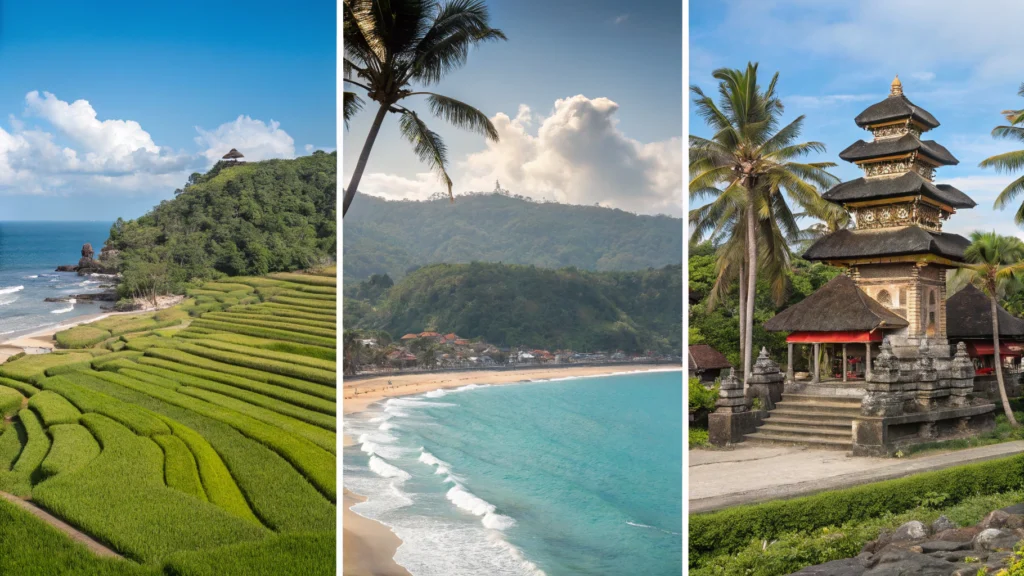
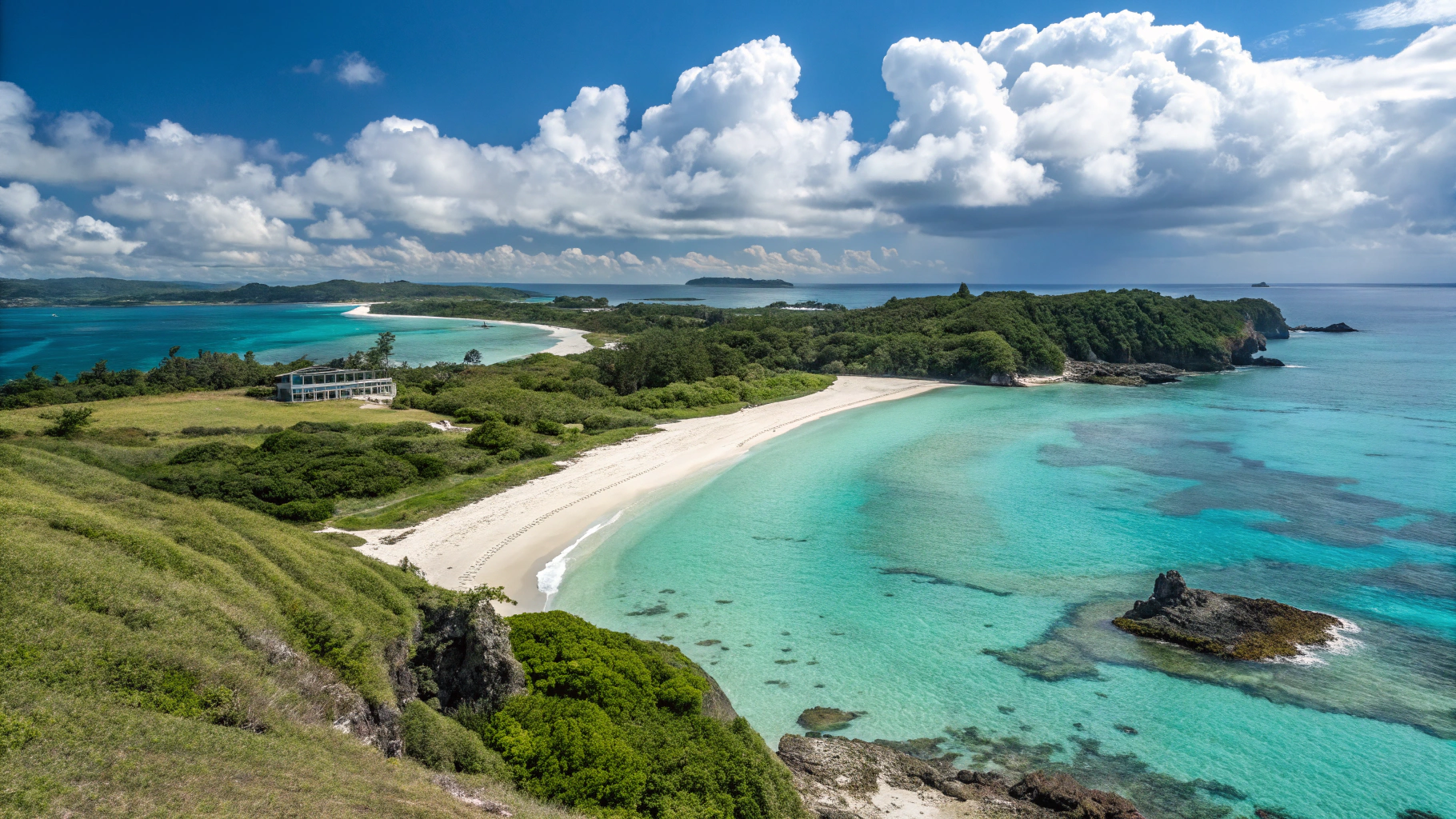
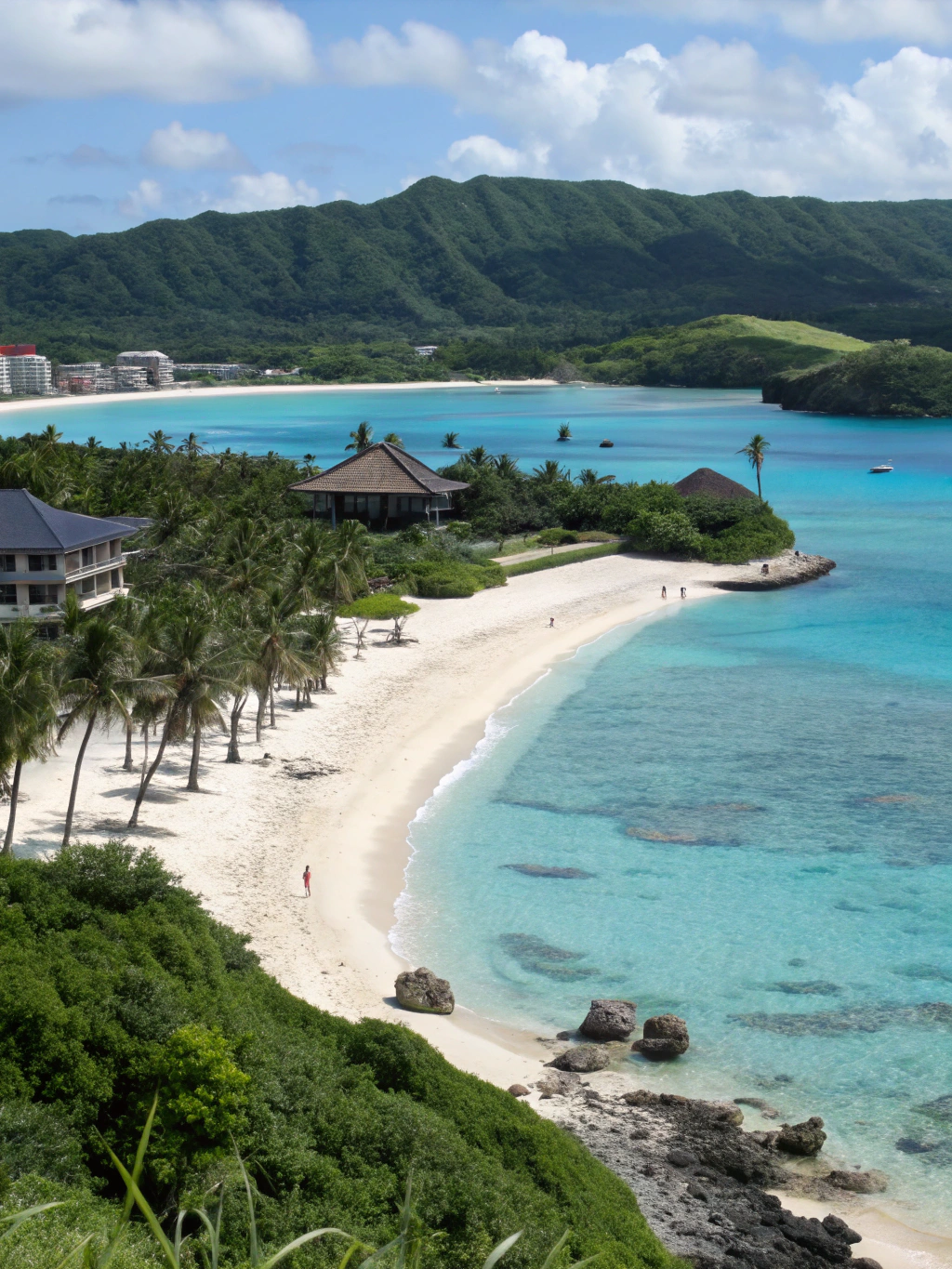
Let’s start with the crown jewel. Yonaha Maehama stretches for about 7 kilometers of pure white sand and turquoise water that looks photoshopped (but isn’t). I’m not exaggerating when I say this beach regularly makes “best beaches in Japan” lists—and for good reason.
The water here stays shallow for quite a way out, making it perfect for families or if you’re like me and enjoy floating around without worrying about sudden drop-offs. The sand’s so fine it squeaks under your feet, and during sunset? Chef’s kiss. The whole sky lights up in oranges and pinks that make you feel like you’re in a screensaver.
Pro tip: Hit this beach in the early morning or late afternoon. Midday sun is brutal, and you’ll fry faster than you think. Also, there are beach chair rentals and showers, so you’re covered for amenities.
Sunayama Beach
If Yonaha Maehama is the popular kid, Sunayama’s the cool artsy one. This beach is smaller but has this iconic rock arch that frames the ocean perfectly—seriously, it’s THE money shot for your Instagram.
Getting there involves a short walk through a sandy path (hence the name “Sunayama,” which means “sand mountain”), but it’s worth the mini trek. The beach itself is more intimate, and the water’s just as gorgeous. I’d recommend bringing water shoes though because some areas get a bit rocky.
The arch creates natural shade, which is clutch on those scorching summer days. Just be careful swimming here when the waves pick up—it can get a bit rough compared to Yonaha Maehama.
Toguchi no Hama
Want to feel like you’ve discovered a secret spot? Toguchi no Hama is it. This beach isn’t as famous as the others, which means fewer people and more peace. The water here has this crazy emerald-green color that changes throughout the day depending on the light.
It’s rockier than the other beaches, but that’s actually a plus if you’re into snorkeling. The rocky areas attract tons of tropical fish, and I’ve spotted sea turtles here more than once.
Food That’ll Make You Never Want to Leave
Miyako Soba
Forget what you know about ramen. Miyako soba is Miyakojima’s signature dish, and it’s different from other Okinawan sobas. The noodles are flatter, the broth is lighter (usually pork-based), and they traditionally hide the pork under the noodles—apparently, it’s a historical thing about making the dish look humble.
You’ll find Miyako soba shops all over the island, but the local spots away from touristy areas hit different. The broth warms you up perfectly after a day in the sun and ocean, and honestly, I could eat this every day without getting bored.
Fresh Seafood Everything
Being surrounded by ocean means the seafood game here is next level. Tuna, octopus, sea grapes (umi budo—these little green bubble things that pop in your mouth), and whatever the catch of the day is—it’s all incredibly fresh.
Hit up the local izakayas (Japanese pubs) in the evening. Order a bunch of small plates, grab an Orion beer (Okinawa’s local brew), and just vibe. The grilled fish and sashimi platters are where it’s at. Don’t sleep on the mozuku (a type of seaweed)—sounds weird, but it’s tangy and addictive in vinegar.
Tropical Fruits
Miyakojima’s mangoes are legendary. Seriously, these aren’t your grocery store mangoes. They’re sweet, juicy, and practically melt in your mouth. Peak season runs from June to August, so time your trip right if you’re a fruit fanatic.
You’ll also find dragon fruit, pineapples, and passion fruit. Many farms offer picking experiences, which is fun if you’ve got kids or just want to do something different.
Must-See Spots Beyond the Beach
Irabu Bridge
This bridge connects Miyakojima to neighboring Irabu Island, and the views while driving across are absolutely stunning. It’s about 3.5 kilometers long and FREE to cross (most long bridges in Japan charge tolls, so this is a nice surprise).
Once you’re on Irabu Island, explore a bit. It’s quieter and has its own hidden beaches and local spots. The pace there is even more relaxed—if that’s even possible.
Higashi Hennazaki Lighthouse
Located on the island’s eastern tip, this lighthouse area offers panoramic ocean views that go on forever. The landscape’s rugged here compared to the beaches, with cliffs and rocks creating dramatic scenery.
There’s a walking path that lets you explore the coastline, and on clear days, you can see for miles. It’s especially beautiful during sunrise if you’re an early riser (which I’m typically not, but I made an exception here).
Ikema Island and Bridge
Another connected island worth visiting. Ikema Bridge offers those epic turquoise-water views, and there’s a lookout point where everyone stops for photos. The wetlands on Ikema attract migratory birds, so if you’re into birdwatching, bring binoculars.
Getting Around and Practical Tips
Rent a car. I can’t stress this enough. Public transportation exists but isn’t convenient for exploring everything the island offers. Roads are easy to navigate, traffic’s minimal, and parking’s free pretty much everywhere.
Miyakojima’s airport (Shimojishima Airport) receives direct flights from major Japanese cities. Once you land, car rental counters are right there. Book ahead during peak seasons (Golden Week, summer vacation, New Year) because rentals sell out.
Best time to visit? April through October gives you the warmest weather and best swimming conditions. July and August are peak tourist season—still not crazy crowded but busier than other months. I personally love September: warm water, fewer tourists, and you might catch some deals on accommodations.
Typhoon season runs from June to November, with September being the riskiest month. Keep an eye on weather forecasts if you’re booking during this window.
Where to stay? You’ve got options ranging from resort hotels to guesthouses. Staying near Yonaha Maehama gives you beach access, but honestly, since you’ll have a car, location matters less. I’d recommend somewhere with a kitchen if you want to cook with local ingredients from farmers’ markets.
What to Pack
- Reef-safe sunscreen (regular sunscreen damages coral reefs, and there are actually restrictions on some beaches)
- Snorkel gear if you have your own (rentals available but having your own is more hygienic)
- Water shoes for rocky beaches and reef areas
- Light, breathable clothing and a hat—sun exposure is no joke
- A good camera or phone because you’ll take approximately one million photos
- Cash—some smaller restaurants and shops don’t take cards
Hidden Gems and Local Experiences
The 17 End beach on Irabu Island gets its name from being at the end of Prefectural Route 17. The runway view combined with the crystal-clear water creates this surreal landscape. It’s become more popular recently but still feels special.
Check out Painagama Beach if you’re staying in Miyakojima’s main city area. It’s convenient, has facilities, and offers decent snorkeling right off the beach. Perfect for a quick dip without driving far.
Visit local markets for a genuine slice of life. You’ll find everything from fresh fish to homemade pickles. The vendors are usually super friendly, and you might score some unique snacks or souvenirs that aren’t in regular tourist shops.
Wrapping It Up
Miyakojima isn’t just another beach destination—it’s that rare combination of stunning natural beauty, amazing food, and genuinely chill vibes that’s getting harder to find. Whether you’re planning a romantic getaway, a family vacation, or a solo adventure to reset your brain, this island delivers.
The beaches alone are worth the trip, but add in the food culture, the friendly locals, and the fact that you can explore everything at your own pace without battling tourist hordes? That’s what makes Miyakojima special.
So yeah, if you’ve been sleeping on this destination, now’s the time to wake up and add it to your travel list. Book those flights, rent that car, and get ready for some serious beach therapy. Trust me—you’ll thank yourself later. And who knows? You might just find yourself planning return trip number two before you even leave. 😉