Mount Fuji in Winter: Best Viewing Spots, Snow Activities & Travel Tips
Have you ever stood watching Japan’s most iconic mountain, watching fresh snow blanket its perfect cone shape while your breath creates little clouds in the crisp winter air? I’m telling you—there’s absolutely nothing like experiencing Mount Fuji in winter. It’s magical, stunning, and honestly kind of life-changing.
Planning your japan trip around winter? Smart move. Mount Fuji transforms into a snow-capped wonderland between December and February, offering crystal-clear viewing conditions and winter activities that’ll make your Instagram followers seriously jealous. This guide breaks down everything you need—from the absolute best viewing spots to snow adventures and insider tips that’ll save you time and money.
No time to read the whole post?
Here’s the quick version: Winter is actually the BEST time to see Mount Fuji clearly (80% visibility vs. summer’s 30%). The top viewing spots include Lake Kawaguchiko, Chureito Pagoda, and Hakone. You can’t climb the mountain in winter, but you can enjoy snow festivals, hot spring resorts, and epic photography opportunities. Best months are December through February. Bring layers, book accommodation early, and check weather forecasts religiously. Now keep reading for all the juicy details 🙂
Table of Contents
Why Winter Is Actually the Best Season for Mount Fuji
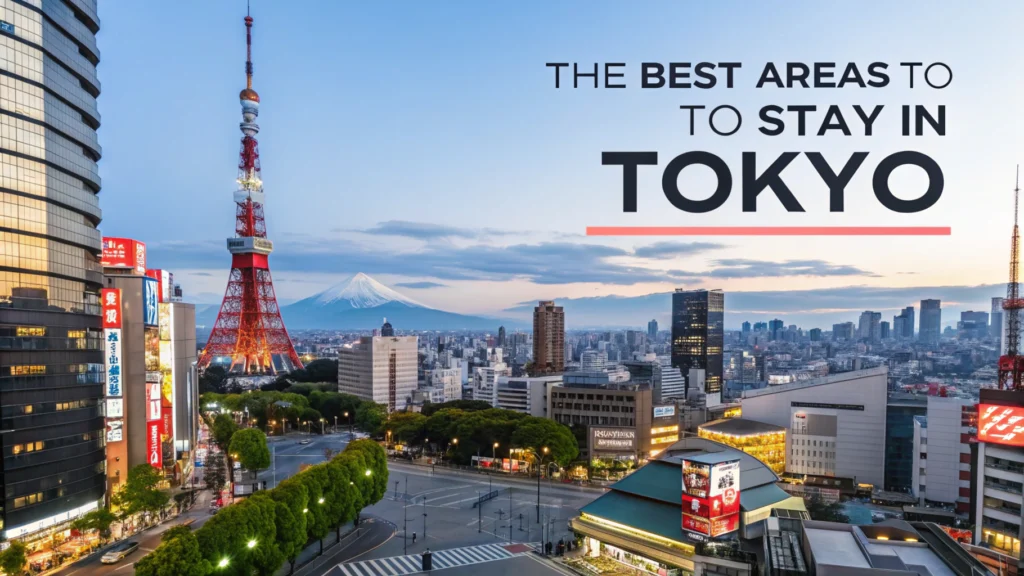
Here’s something most tourists don’t know: Mount Fuji in winter gives you way better viewing chances than summer. Yep, you read that right. While summer gets all the hype for climbing season, winter delivers something even better—clear skies and unobstructed views.
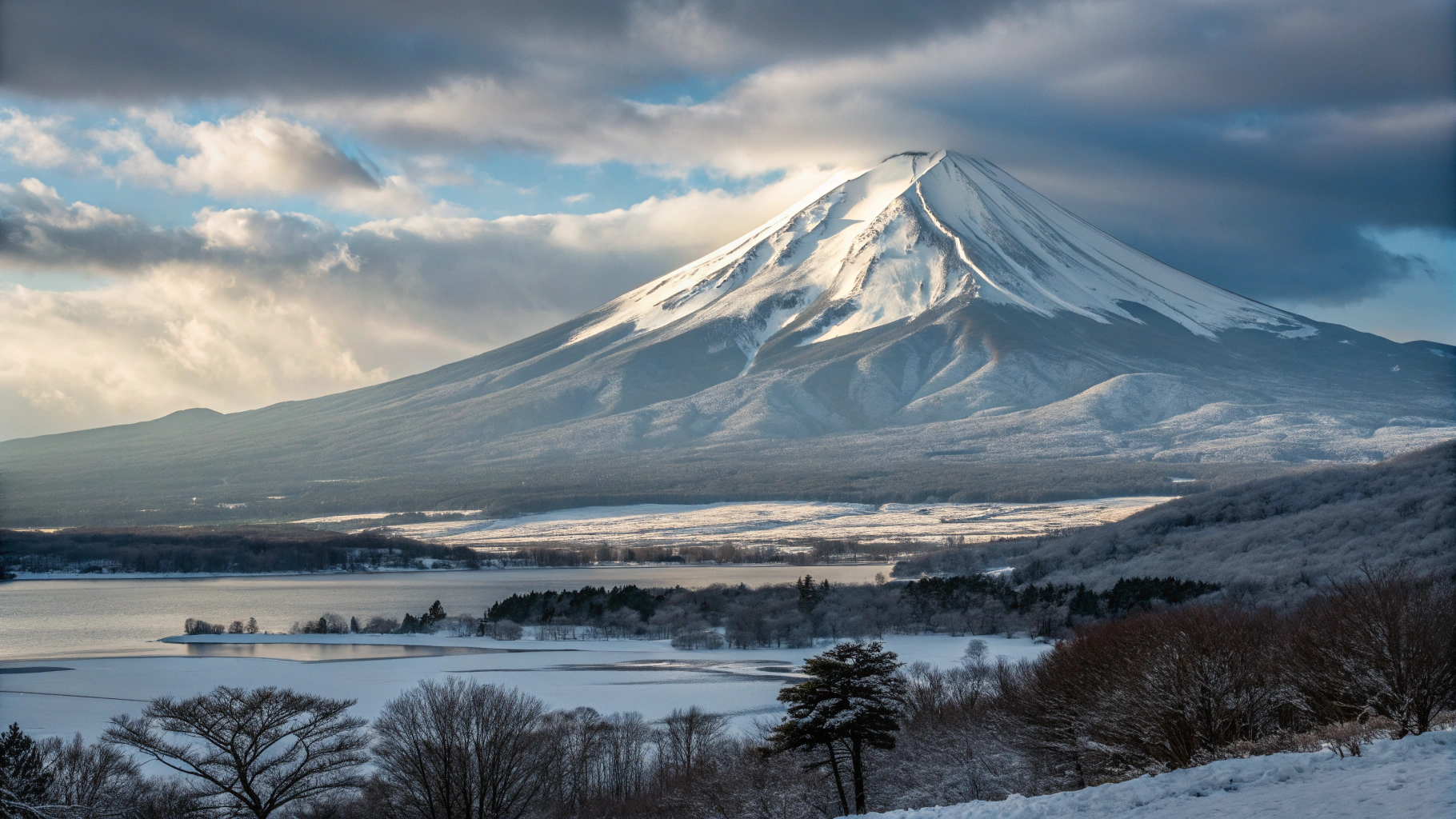
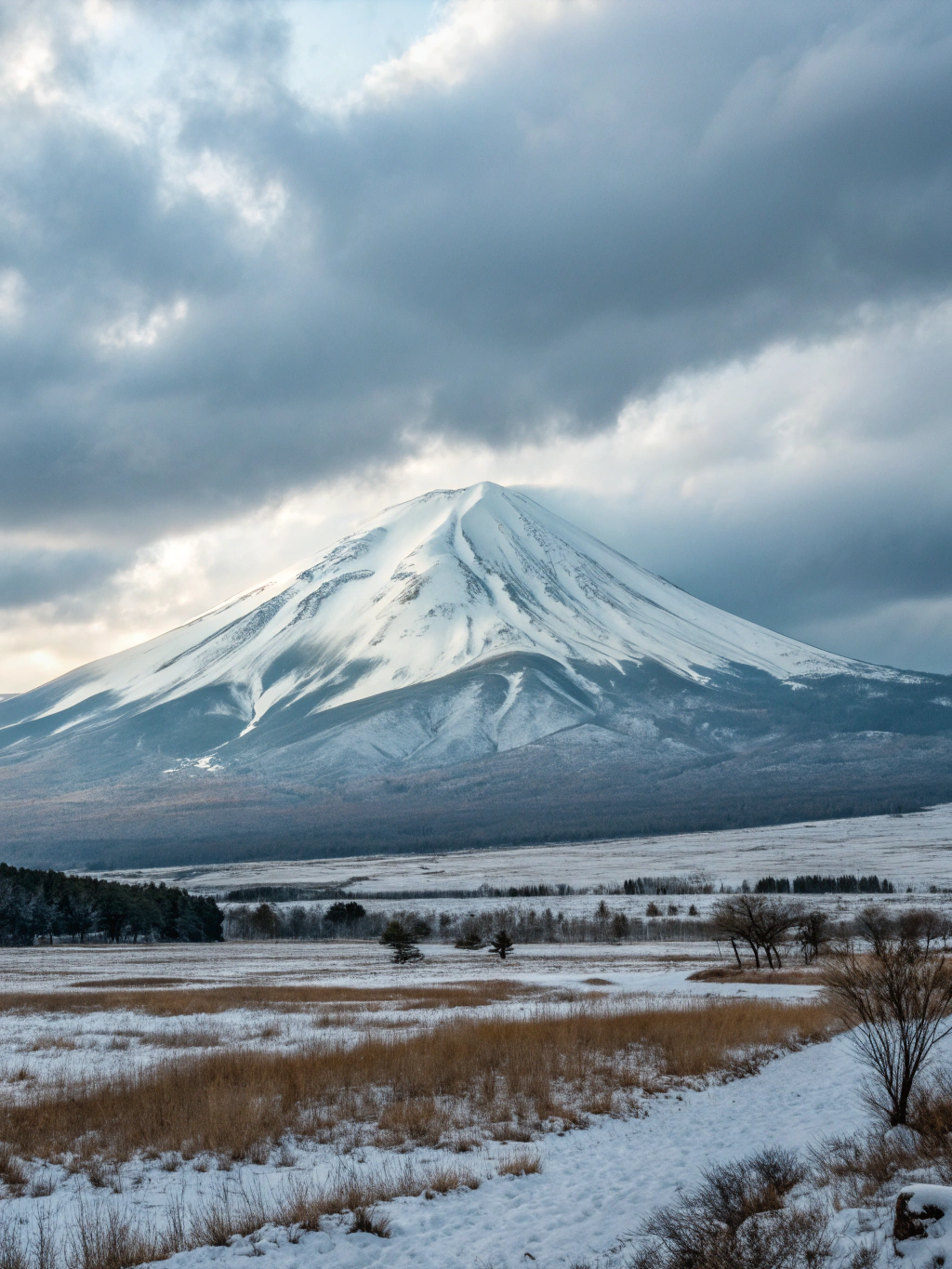
The numbers don’t lie. Statistics show that Mount Fuji is visible roughly 80% of winter days, compared to a measly 30% during summer months. Cold air pushes away the humidity and clouds that typically hide Japan’s famous peak. December through February offers those crisp, clean days where Fuji-san stands out against bright blue skies like a painting come to life.
The snow coverage peaks between January and March, creating that postcard-perfect white cone everyone dreams about. Early morning hours (around 6-8 AM) give you the best shots, with fewer clouds and softer light. Plus, winter crowds are WAY smaller than the summer tourist rush, which means you actually get to enjoy the views without fighting through selfie stick traffic.
Top Viewing Spots You Can’t Miss
Finding the perfect spot to admire Mount Fuji in winter makes all the difference. I’ve checked out most of these locations during my own trips, and each one brings something special to the table.
Lake Kawaguchiko sits at the top of my list. This northern shore spot gives you those iconic reflection shots when the water’s calm (usually early morning). The town around the lake offers tons of hotels, restaurants, and easy access points. You can walk along the lakeside promenade or rent a bike to explore different angles. Winter illuminations here are stunning—they light up the trees near the lake from mid-November through February.
Chureito Pagoda became Instagram-famous for good reason. That five-story red pagoda with Mount Fuji rising behind it? Chef’s kiss. You’ll need to climb about 400 steps to reach the viewing platform, but trust me, your legs will forgive you when you see that view. Winter makes it even better because you get snow-covered pagoda levels AND a white-capped mountain. Pro tip: arrive before 8 AM to avoid tour groups.
Hakone offers hot spring resorts with Mount Fuji views—literally the best combo ever. Imagine soaking in an outdoor onsen (hot spring bath) while gazing at snow-covered Fuji. Lake Ashi in Hakone also provides great viewing opportunities, especially from the pirate ship cruises they run year-round. The Hakone Ropeway cable car ride gives you elevated views across the valley toward the mountain.
Fujiyoshida City gets less attention but shouldn’t. The Arakurayama Sengen Park here provides multiple viewing angles, and the nearby streets give you that classic “Japanese neighborhood with Fuji backdrop” aesthetic. Winter here feels more local and authentic compared to tourist-heavy spots.
Snow Activities Around Mount Fuji
You can’t actually climb Mount Fuji in winter—the official climbing season runs July through early September only. Winter conditions on the mountain are seriously dangerous, with extreme cold, ice, and avalanche risks. But don’t stress! The area around Fuji offers plenty of winter fun.
Skiing and snowboarding dominate the scene. Fujiten Snow Resort sits right at the base of Mount Fuji, letting you carve down slopes with the mountain watching over you. It’s not huge (four lifts, seven courses), but the views make up for it. Snow Town Yeti opens as early as October and stays open through April—one of the longest seasons in the region.
Ice skating at Lake Yamanaka happens when temperatures drop enough to freeze sections of the lake. Local operators set up temporary rinks, and skating with Fuji as your backdrop beats any indoor rink hands down. Always check ice conditions before heading out though—safety first!
Snow festivals pop up throughout the region in January and February. The Fujikawaguchiko Winter Fireworks happen on weekends, combining fire and ice for dramatic effect. The Yamanakako Ice Candle Festival lights up the frozen lakeshore with thousands of candles—super romantic if you’re traveling with someone special.
Snowshoeing and winter hiking work for folks who want mountain experiences without the extreme climbing. Several companies offer guided snowshoe tours through snow-covered forests near Fuji’s base. You’ll spot winter wildlife and enjoy peaceful trails far from summer’s crowds.
Practical Travel Tips for Your Winter Visit
Getting to Mount Fuji in winter requires some planning, but nothing too complicated. From Tokyo, you’ve got several transportation options depending on your destination and budget.
The JR Chuo Line runs to Otsuki Station, where you transfer to the Fujikyu Railway toward Kawaguchiko (about 2.5 hours total, around ¥2,800). Highway buses from Shinjuku Station go directly to Kawaguchiko in roughly 2 hours for similar prices—often easier since you skip the transfer. The JR Pass covers the train route if you’ve already got one for your japan trip.
What to pack: Winter around Fuji gets COLD. We’re talking temperatures between -5°C to 5°C (23°F to 41°F), sometimes lower. Layer up with thermal underwear, a warm mid-layer, and a windproof/waterproof outer jacket. Bring quality gloves, a warm hat, and waterproof boots with good traction—you’ll be walking on snow and ice. Hand warmers and pocket heat packs are lifesavers and super cheap at any convenience store.
Accommodation books up fast, especially during peak viewing months (January-February) and holiday periods. Reserve hotels or ryokans at least 2-3 months ahead. Lake Kawaguchiko offers the most options, from budget hostels to luxury resorts. Staying overnight dramatically increases your chances of catching clear morning views.
Weather checks are non-negotiable. Download a reliable weather app and check forecasts daily leading up to your trip. Mount Fuji creates its own weather patterns, and conditions change quickly. Websites like the Japan Meteorological Agency provide detailed regional forecasts. Morning visibility is generally better, so plan your viewing attempts early.
Local food deserves mention too. Winter is perfect for trying hoto noodles—a regional specialty with thick, flat noodles in miso-based soup loaded with vegetables. Warm, filling, and exactly what you need after standing outside photographing mountains. Kawaguchiko has dozens of restaurants serving it.
Photography Tips for Capturing Mount Fuji
Getting that perfect shot of Mount Fuji in winter takes some technique. Your phone camera can work, but a DSLR or mirrorless camera gives you more control over those tricky winter lighting conditions.
Golden hour (the hour after sunrise and before sunset) provides the warmest, most dramatic lighting. The mountain often glows pink or orange during these times—absolutely gorgeous. Blue hour (just before sunrise or after sunset) creates cooler tones and sometimes catches the mountain against colorful skies.
Bring a tripod if you’re serious about photography. Winter morning light can be dim, requiring slower shutter speeds. A tripod prevents blur and lets you capture long exposures of the mountain with smooth water reflections. Lightweight travel tripods work fine for most situations.
Foreground elements make your photos stand out. That’s why spots like Chureito Pagoda work so well—the pagoda adds context and scale. Look for trees, traditional buildings, boats, or even people to include in your frame. Empty shots of just the mountain get boring after the first dozen.
Protect your gear from cold and moisture. Batteries drain faster in cold weather, so carry spares in warm pockets close to your body. Lens fog happens when you move from cold outdoor air to warm indoor spaces—let your camera adjust gradually before removing it from your bag.
Understanding Mount Fuji’s Cultural Significance
Mount Fuji isn’t just a pretty mountain—it holds massive cultural and spiritual importance in Japan. This 3,776-meter (12,389-foot) stratovolcano has been a sacred site for centuries, inspiring artists, poets, and pilgrims. Understanding this background adds depth to your winter visit.
The mountain appears in countless works of Japanese art, most famously in Hokusai’s “36 Views of Mount Fuji” woodblock print series from the 1830s. These images shaped how the world sees both Fuji and Japan itself. UNESCO recognized Mount Fuji as a World Heritage Site in 2013, specifically for its cultural significance rather than just natural beauty.
Shinto shrines dot the mountain’s base and slopes. Fujisan Hongu Sengen Taisha in Fujinomiya is the head shrine of more than 1,300 Sengen shrines dedicated to the mountain deity. Many Japanese people view climbing Fuji as a spiritual journey, though most do this during summer’s official season.
Seeing Mount Fuji in winter connects you to this deep cultural heritage. The pristine snow cover emphasizes the mountain’s purity and perfection—qualities central to its spiritual meaning. Taking time to appreciate this context makes your visit more meaningful than just snapping photos and moving on.
Budget Considerations for Your Winter Trip
Money talk—because your japan trip budget matters. Visiting Mount Fuji in winter costs less than peak summer season, but you’ll still need to plan expenses carefully.
Transportation from Tokyo runs ¥2,500-3,500 roundtrip per person via bus or train. Renting a car costs more (¥8,000-12,000 per day plus gas and parking) but gives you flexibility to hit multiple viewing spots. For groups of 3-4 people, car rental sometimes works out cheaper.
Accommodation ranges wildly. Budget hostels near Kawaguchiko start around ¥3,000-4,000 per night for a dorm bed. Mid-range hotels run ¥8,000-15,000 per room. Luxury ryokans with private onsen and Fuji views can hit ¥30,000-50,000+ per night. Booking early gets you better rates.
Food costs stay reasonable. Convenience store meals work for budget travelers (¥500-800), while restaurant meals run ¥1,000-2,000 for lunch and ¥1,500-3,000 for dinner. That famous hoto noodle dish costs around ¥1,200-1,500 at most places.
Activity fees vary. Most viewing spots charge nothing—seriously, the best views are free. Ski resorts charge ¥4,000-6,000 for day passes. Hot spring facilities without accommodation range from ¥700-1,500 for a few hours of soaking.
Total budget for a 2-day/1-night winter trip to Mount Fuji? Figure around ¥20,000-30,000 per person for a comfortable mid-range experience, less if you’re budget-conscious, more if you’re splurging on luxury accommodation and activities.
Wrapping Up Your Mount Fuji Winter Adventure
So yeah, if you’ve been putting off experiencing Mount Fuji in winter, stop sleeping on this opportunity. Winter gives you the clearest views, smaller crowds, and some seriously beautiful snow-covered scenery that summer just can’t match. Between Lake Kawaguchiko’s perfect reflection shots, Chureito Pagoda’s iconic perspective, and Hakone’s hot spring luxury, you’ve got options for every travel style and budget.
Remember the key points: book accommodation early, pack warm layers, check weather forecasts religiously, and aim for morning viewing times. You can’t climb the mountain in winter, but honestly? The views from below are more impressive anyway, and you get to stay warm while enjoying them.
Your japan trip deserves this experience. Trust me—standing in the crisp winter air, watching the sunrise paint Mount Fuji’s snow-covered slopes pink and gold, creates memories that stick with you forever. Worth every yen and every early morning wake-up call. Now get out there and see it for yourself! 😉