Okinawa Japan Itinerary: Best Routes for 3, 5 & 7 Days
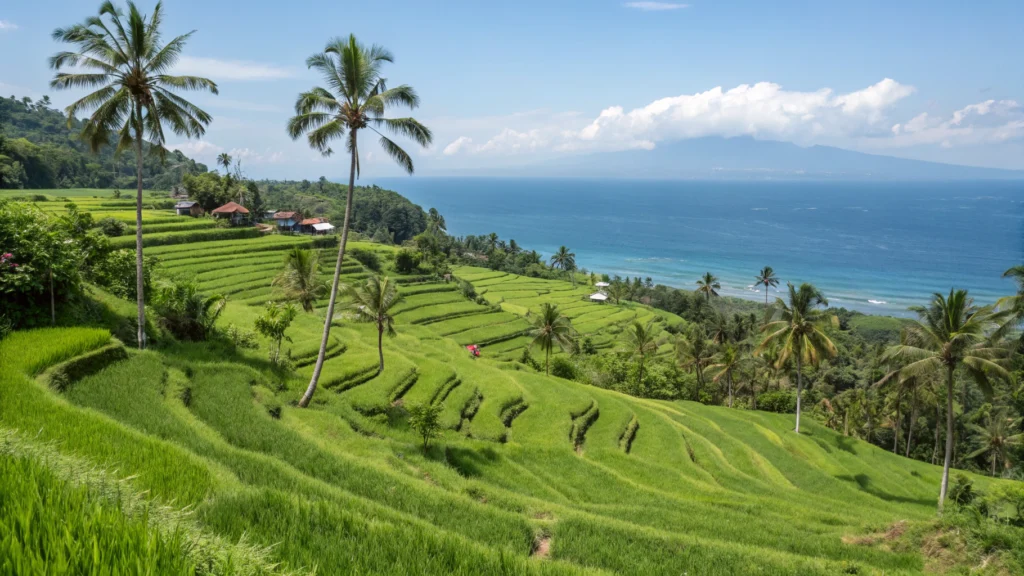
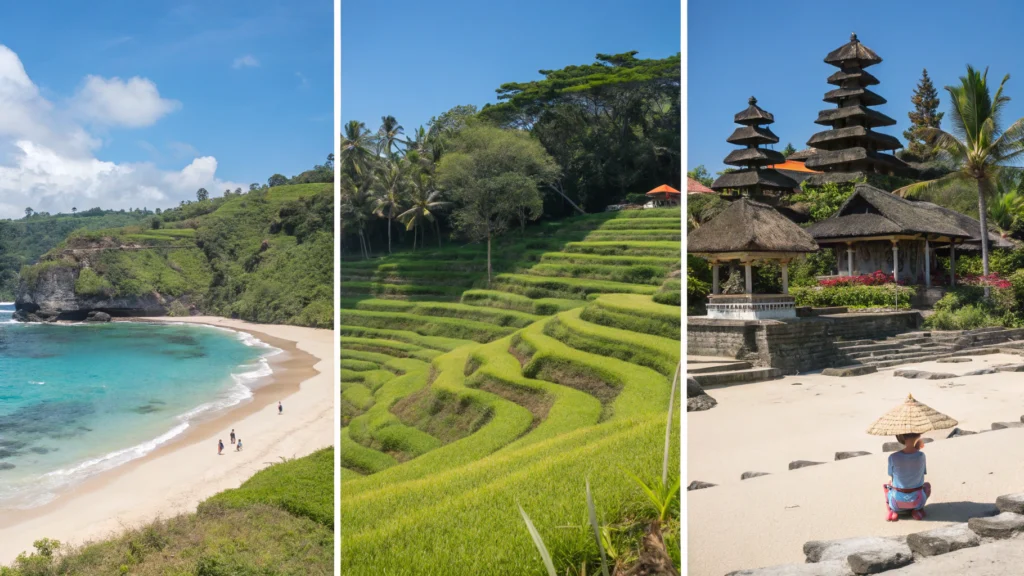
Ever dreamed of turquoise waters, ancient castles, and beaches that look like they’ve been Photoshopped? Yeah, me too. That’s exactly why planning an Okinawa Japan itinerary became my obsession last year. This subtropical paradise sits at the southern tip of Japan, and honestly? It’s nothing like Tokyo or Kyoto. We’re talking laid-back island vibes, unique Ryukyuan culture, and some of the friendliest locals you’ll ever meet.
Whether you’ve got 3 days or a full week to explore, I’m breaking down the best routes and must-see spots so you don’t waste a single minute of your japan trip. Trust me, after reading this, you’ll be booking flights faster than you can say “goya champuru.”
Table of Contents
No time to read the whole post?
Here’s the quick version: Okinawa offers stunning beaches, historic castles, and incredible food. For a 3-day trip, stick to Naha and southern Okinawa. Got 5 days? Add central areas like Kadena and the Churaumi Aquarium. A full 7 days lets you explore remote islands like Ishigaki or Miyakojima. Rent a car, pack sunscreen, and prepare for the chillest Japanese adventure of your life.

Why Okinawa Should Be on Your Japan Bucket List
Look, I get it. Most people planning a Japan trip automatically think: Tokyo, Osaka, maybe Mount Fuji if they’re feeling adventurous. But Okinawa? It’s like Japan’s best-kept secret, and honestly, it deserves way more hype.
The Okinawan islands stretch across 1,000 kilometers of the East China Sea, creating this unique blend of Japanese efficiency and tropical island culture. The locals speak their own language (Uchinaaguchi), the food scene is completely different from mainland Japan, and the pace of life? Let’s just say nobody’s rushing anywhere.
Fun fact: Okinawa has one of the highest concentrations of centenarians in the world. Scientists call it the “Okinawa Effect,” and locals credit it to their diet, strong community bonds, and stress-free lifestyle. After spending time there, I totally get it.
The weather stays warm year-round, making it perfect for beach lovers. You can snorkel with sea turtles in the morning, explore a 500-year-old castle by lunch, and feast on Okinawan soba for dinner. Where else can you do that?
Getting Around: Transportation Tips for Your Okinawa Adventure
Real talk? You absolutely need to rent a car for your Okinawa Japan itinerary. The monorail in Naha is cute and convenient for the city, but it won’t get you to the epic beaches and hidden gems that make Okinawa special.
Car rental in Okinawa is super affordable – we’re talking about ¥3,000-5,000 per day (roughly $20-35 USD) depending on the season. Most international driving permits work here, and driving is honestly a breeze compared to navigating Tokyo’s subway system.
Google Maps works perfectly throughout the islands, and road signs include English translations. Plus, Japanese drivers are ridiculously polite. Like, they’ll wave you through intersections and actually follow speed limits. Wild concept, I know! 🙂
If you’re island hopping to places like Ishigaki or Miyakojima, domestic flights from Naha are frequent and relatively cheap. Book through Peach or JAL for the best deals. Ferry options exist too, but flights save serious time.
The Perfect 3-Day Okinawa Itinerary (Southern Highlights)
Got a long weekend? No problem. You can still taste the magic of Okinawa with a focused 3-day plan that hits the southern highlights. This itinerary keeps you based in or near Naha, minimizing travel time while maximizing experiences.
Day 1: Naha City Immersion
Start your morning at Shuri Castle, the former palace of the Ryukyu Kingdom. Even though a fire damaged parts of it in 2019, ongoing reconstruction efforts make it worth visiting – plus, the views over Naha are stunning. Spend 2-3 hours here exploring the grounds and museum.
Head to Kokusai Street for lunch. This 1.6-kilometer shopping street buzzes with energy, souvenir shops, and food stalls. Try some sata andagi (Okinawan donuts) from a street vendor – they’re crispy on the outside, fluffy inside, and dangerously addictive.
In the afternoon, wander through Tsuboya Yachimun Street, the pottery district. These ceramic workshops have been operating for over 300 years, and you can watch artisans create traditional Okinawan pottery. Perfect spot for unique souvenirs.
Finish your day at Makishi Public Market, where locals shop for fresh seafood. The second floor has restaurants that’ll cook whatever you buy downstairs. It’s an authentic experience you won’t find in guidebooks.
Day 2: Beach Day at Southern Coastline
Drive south to Cape Manzamo in the morning (about 40 minutes from Naha). This dramatic cliff formation creates Instagram-worthy photos, and the sunrise here is absolutely magical.
Next, hit Manza Beach for swimming and snorkeling. The water clarity is insane – you can see tropical fish without even trying. Rental gear costs around ¥1,000, and the beach has full facilities including showers.
Grab lunch at a local spot serving goya champuru (bitter melon stir-fry) or Okinawa soba. Pro tip: Okinawa soba isn’t actually soba – it’s wheat noodles in pork broth, and it’s absolutely delicious.
Spend your afternoon at the Okinawa World theme park and Gyokusendo Cave. This limestone cave stretches 5 kilometers underground with incredible stalactites. The park also features traditional Ryukyuan village demonstrations, including the hypnotic eisa drum dancing.
Day 3: Peace Memorial and Remaining Coastline
Your final day should include the Okinawa Peace Memorial Park. The Battle of Okinawa in 1945 was one of WWII’s bloodiest conflicts, and this memorial honors all victims regardless of nationality. It’s sobering but important to understand this part of history.
Drive along the southern coast to Himeyuri Peace Museum, then reward yourself with beach time at Azama Sunsan Beach. This local favorite has calm waters perfect for families and fewer tourists than northern beaches.
End your trip at American Village in Chatan for dinner. Yeah, it’s touristy, but the sunset views from the Ferris wheel are pretty spectacular, and the dining options range from tacos (lots of American military influence here) to traditional Japanese fare.
5-Day Itinerary: Adding Central Okinawa Magic
Two extra days? Now we’re talking! This extended Okinawa Japan itinerary lets you explore central Okinawa’s crown jewel: the Churaumi Aquarium, plus other spots that day-trippers often miss.
Days 1-3: Follow the 3-day itinerary above
Day 4: Churaumi Aquarium and Northwest Coast
Wake up early and drive to Ocean Expo Park (about 2 hours from Naha). The Churaumi Aquarium is legitimately one of the best aquariums on the planet. The massive Kuroshio Tank houses whale sharks and manta rays swimming above your head – it’s like being underwater without getting wet.
Ticket prices: ¥2,180 for adults, but arrive after 4 PM and they drop to ¥1,510. The aquarium stays open until 8 PM, making this a solid budget hack.
The park surrounding the aquarium includes a dolphin show, sea turtle pools, and manatee exhibits – all free with your ticket. Pack a lunch because food inside is overpriced (classic aquarium move).
After the aquarium, drive 15 minutes to Kouri Island via the stunning Kouri Bridge. This small island has beautiful beaches and the Heart Rock formation at Tinu Beach. Couples go crazy for photos here, but honestly? It’s worth seeing even if you’re traveling solo.
Stop at a purple sweet potato tart shop on Kouri Island. These tarts are Okinawa’s most famous dessert, and the fresh ones here blow away anything you’ll find in Naha convenience stores.
Day 5: Central Okinawa Culture and Adventure
Spend your morning at Nakagusuku Castle ruins, one of the best-preserved gusuku (castle) sites in Okinawa. Unlike heavily reconstructed Shuri Castle, these ruins maintain their authentic stone walls and offer panoramic island views. It’s usually empty, so you can explore at your own pace.
Head to Ryukyu Mura (Ryukyu Village) for a cultural experience. Yes, it’s a bit touristy, but the traditional performances are actually entertaining, and you can try Okinawan crafts like indigo dyeing or playing the sanshin (three-stringed instrument).
If you’re into adventure, swap the village for a Blue Cave snorkeling tour at Cape Maeda. This underwater cave creates this ethereal blue glow that’s legitimately otherworldly. Tours run ¥5,000-7,000 and include all equipment. Book ahead because spots fill up fast.
Finish at Mihama American Village for dinner and shopping. The retro American architecture feels weird in Japan, but the sunset pier walks are beautiful, and you’ll find every kind of food imaginable.
7-Day Itinerary: Remote Islands and Ultimate Relaxation
A full week? Lucky you! Now you can add remote island experiences that’ll make your japan trip truly unforgettable. This itinerary includes either Ishigaki or Miyakojima – both offer world-class diving, pristine beaches, and that remote island magic.
Days 1-5: Follow the 5-day itinerary above
Days 6-7: Ishigaki Island Adventure
Fly from Naha to Ishigaki (about 1 hour, flights run ¥10,000-15,000). Ishigaki serves as the gateway to the Yaeyama Islands and has become increasingly popular with Japanese tourists seeking tropical escapes.
Day 6 should focus on Kabira Bay, consistently ranked among Japan’s most beautiful beaches. Swimming isn’t allowed (strong currents), but glass-bottom boat tours let you see the incredible coral reefs. The emerald water against white sand is straight-up postcard material.
Drive to Hirakubo Peninsula for the lighthouse and Sunset Beach. The northern tip of Ishigaki feels wonderfully remote, with barely any development. Stop at one of the small cafes along the way – many serve Ishigaki beef, which rivals Kobe beef in quality.
Day 7 offers two options: take a day trip to Taketomi Island (10-minute ferry) where water buffalo pull carts through traditional villages, or dive/snorkel at Yonehara Beach, known for incredible marine biodiversity. Manta ray sightings are common here from April to October.
Alternative: Miyakojima Option
If you prefer pure beach paradise over cultural experiences, fly to Miyakojima instead. Yonaha Maehama Beach stretches 7 kilometers of powder-white sand and consistently ranks as Japan’s #1 beach.
Miyakojima is flatter and more developed for tourism than Ishigaki, with better beach access and luxury resorts. The snorkeling at Aragusuku Beach and Shigira Beach is phenomenal, and you can drive the entire island in about 3 hours, hitting multiple beaches in one day.
The Irabu Bridge connects Miyakojima to Irabu Island – at 3,540 meters, it’s Japan’s longest toll-free bridge and offers stunning ocean views. Grab lunch at a local spot serving Miyako soba, which differs from Okinawa soba with its unique broth and straight noodles.
What to Eat: Okinawan Food You Can’t Miss
Okinawan cuisine deserves its own section because it’s seriously different from mainland Japanese food. The Ryukyu Kingdom traded with China, Southeast Asia, and Japan for centuries, creating this unique fusion you won’t find anywhere else.
Goya champuru is the island’s signature dish – bitter melon stir-fried with tofu, egg, and usually pork or spam (yeah, spam is huge here thanks to American military influence). Don’t let “bitter melon” scare you off. It’s actually refreshing and becomes addictive.
Okinawa soba appears everywhere and costs about ¥500-800 per bowl. The wheat noodles sit in a clear pork broth topped with tender pork belly, green onions, and pickled ginger. Every shop has their own style, so try multiple versions.
Taco rice was invented in Okinawa in the 1980s near American military bases. It’s exactly what it sounds like: taco ingredients served over rice instead of in a shell. Sounds weird, tastes amazing, especially after a few Orion beers.
Purple sweet potato everything – tarts, ice cream, bread, even KitKats. The vibrant purple color comes naturally from Okinawan sweet potatoes, and they’re way less sweet than American yams.
Rafute is braised pork belly that melts in your mouth, cooked low and slow in awamori (Okinawan liquor), soy sauce, and sugar. You’ll find it in traditional restaurants and izakayas.
Don’t leave without trying umibudo (sea grapes) – these little green balls pop in your mouth like caviar but taste fresh and oceanic. They’re usually served as a salad or side dish.
Practical Tips for Your Okinawa Japan Itinerary
Best time to visit: April-May or October-November offer perfect weather without summer’s intense heat or typhoon risk. Cherry blossoms bloom in January here (yes, January!), making winter visits surprisingly appealing.
Budget breakdown: Budget travelers can manage on ¥8,000-10,000 daily including basic accommodation, car rental, and meals. Mid-range travelers should budget ¥15,000-20,000 for nicer hotels and activities. Luxury? Sky’s the limit, but ¥30,000+ daily gets you resort living.
Cash vs. card: Smaller restaurants and shops still prefer cash. ATMs at 7-Eleven and Family Mart accept international cards and are everywhere.
Language barrier: English isn’t widely spoken outside Naha’s tourist areas. Download Google Translate’s offline Japanese pack. The camera feature that translates signs and menus is a lifesaver.
Weather note: Typhoon season runs June-October. Don’t let this stop you from visiting during these months, but definitely get travel insurance and monitor weather reports before your trip.
Sunscreen is crucial – Okinawa’s UV index hits brutal levels. Japanese sunscreens are excellent (and reef-safe), so grab some at any drugstore. Your future self will thank you. :/
Respect local culture: While Okinawa is laid-back, basic Japanese etiquette applies. Don’t stick chopsticks upright in rice, remove shoes when entering homes, and keep voices down in public spaces.
Wrapping Up Your Island Adventure
So there you have it – your complete blueprint for an incredible Okinawa Japan itinerary whether you’ve got 3 days or a full week. This place honestly changed my perspective on Japan. Sure, Tokyo’s neon chaos and Kyoto’s temples are amazing, but Okinawa offers something completely different: space to breathe, crystal-clear water, and a culture that moves at its own peaceful pace.
The beauty of Okinawa is that it works for every travel style. Beach bums can spend entire days island hopping and snorkeling. History nerds have castles and WWII sites to explore. Foodies will lose their minds over the unique cuisine. And honestly? Sometimes just driving along the coast with the windows down and J-pop on the radio becomes the highlight of the trip.
Don’t overthink it. Book that flight, rent that car, and prepare for one of the best decisions you’ll make on your japan trip. Trust me – Okinawa has this way of making you slow down and appreciate the simple things. After your visit, you’ll understand why locals live to 100 and why they’re in no hurry to leave paradise.
Now stop reading and start planning. Those beaches aren’t going to explore themselves! 😉