Best Okinawa Japan Travel Guide 2026: What to Know Before You Go
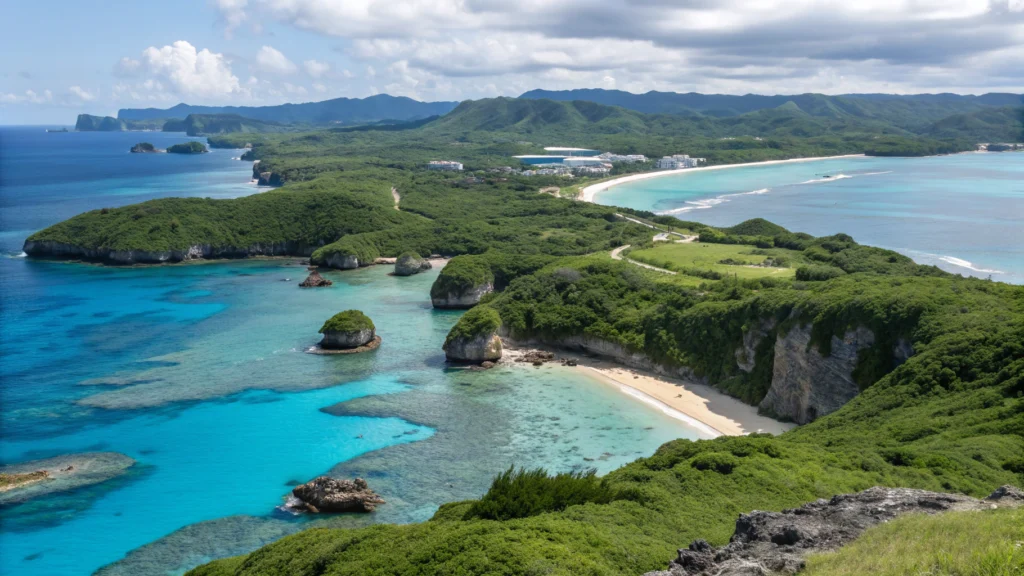
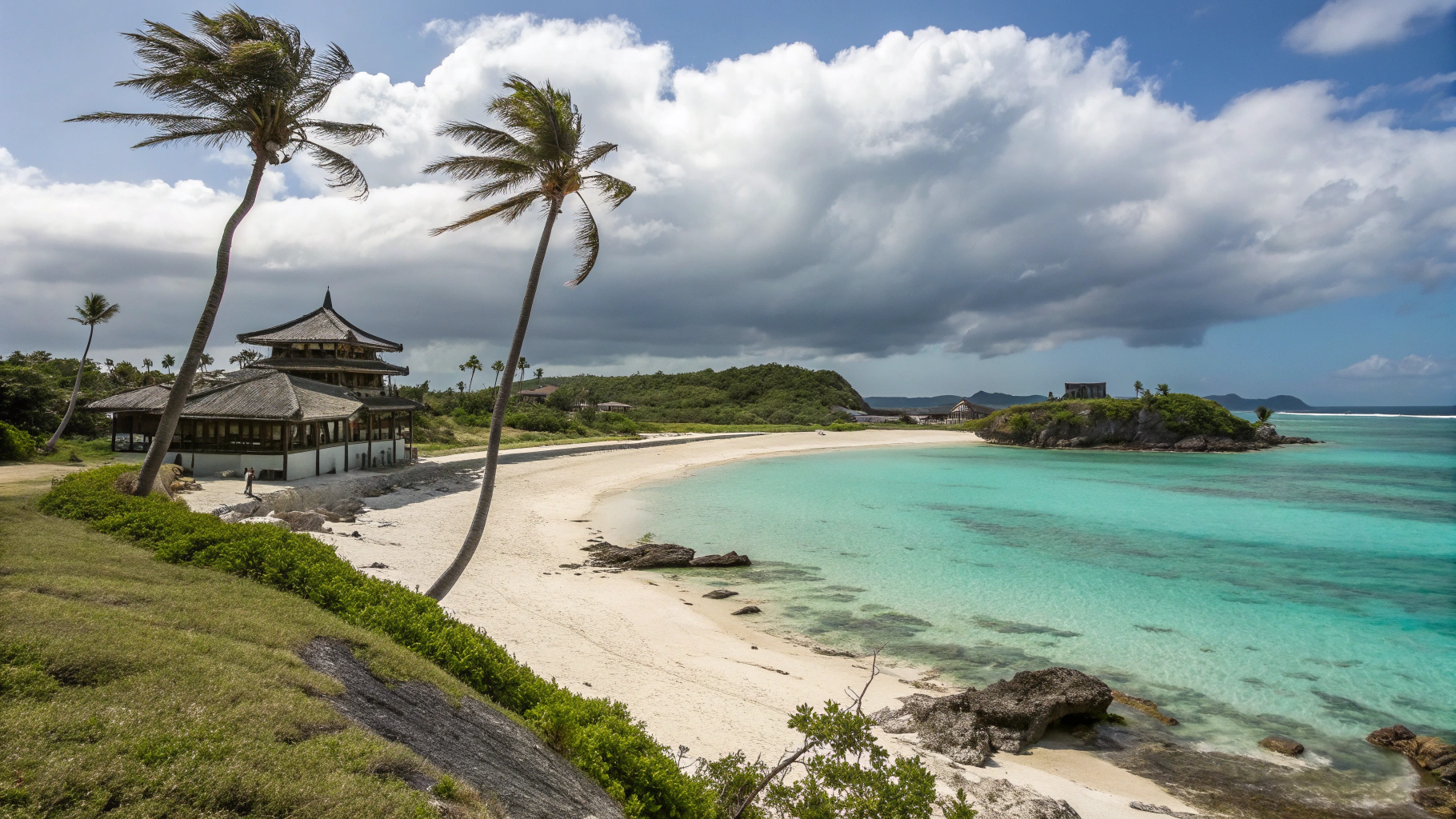
So I’ve been thinking—what if instead of doing the usual Tokyo temples in the snow thing, I went somewhere with actual beaches? Like, real turquoise water and white sand? That’s how I ended up planning my next Japan trip to Okinawa, and honestly, I can’t believe more people aren’t talking about this place. If you’re thinking about going in 2026, This Okinawa Japan travel guide is your ticket to understanding what makes these islands absolutely special before you book that flight for 2026.
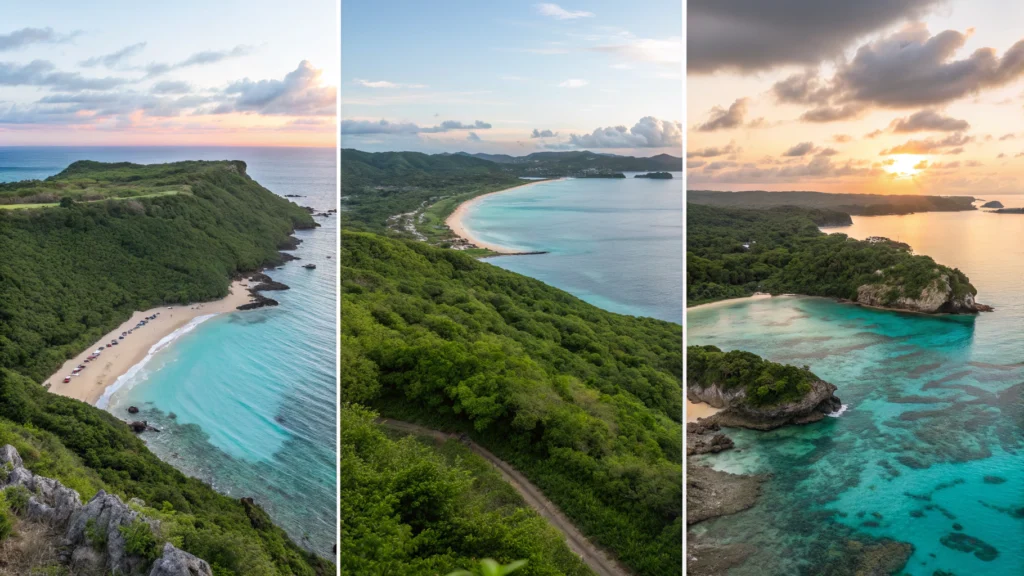
Here’s the thing about Okinawa: it doesn’t feel like the rest of Japan. At all. You’ve got this subtropical vibe, beaches that could easily be in Thailand or the Philippines, and this whole distinct Ryukyuan culture that’s its own thing. Plus, the food is incredible—like, people here live forever for a reason. Whether you’re looking for a romantic trip, somewhere to take the kids, or just need a break from the craziness of Tokyo and Kyoto, Okinawa hits different. Let me walk you through what you actually need to know before booking anything.
Table of Contents
No time to read the whole post?
Here’s the quick version: Okinawa is Japan’s tropical island chain with stunning beaches, unique culture, amazing food, and year-round warm weather. Best time to visit is April-May or October-November. You’ll need at least 5-7 days to explore properly. Budget around $100-150 per day. Major highlights include Shuri Castle, Kerama Islands, Churaumi Aquarium, and incredible snorkeling spots. The vibe is way more laid-back than mainland Japan, and locals live longer than almost anywhere else on Earth. Transportation requires a rental car for the best experience. 🙂
Why Okinawa Should Be Your Next Japan Destination
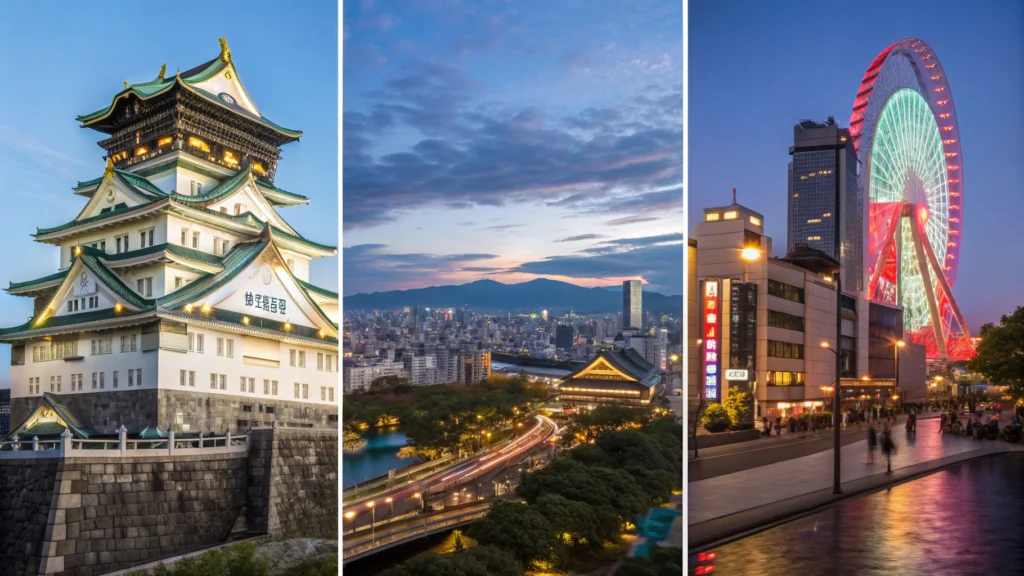
Most people doing a japan trip skip Okinawa entirely, which is wild to me. They hit Tokyo, Kyoto, maybe Osaka, then head home without realizing Japan has this whole other side that’s basically the anti-Tokyo.
Okinawa sits about 400 miles southwest of mainland Japan, closer to Taiwan than to Tokyo. The island chain stretches across 1,000 kilometers of ocean and includes over 160 islands. The main island (also called Okinawa) is where most travelers start, and honestly, it’s enough to blow your mind.
The weather alone makes it worth considering. While Tokyo freezes in January, Okinawa stays comfortably warm. While Kyoto melts in August humidity, Okinawa catches ocean breezes. The subtropical climate means you can literally visit year-round and still have a great time.
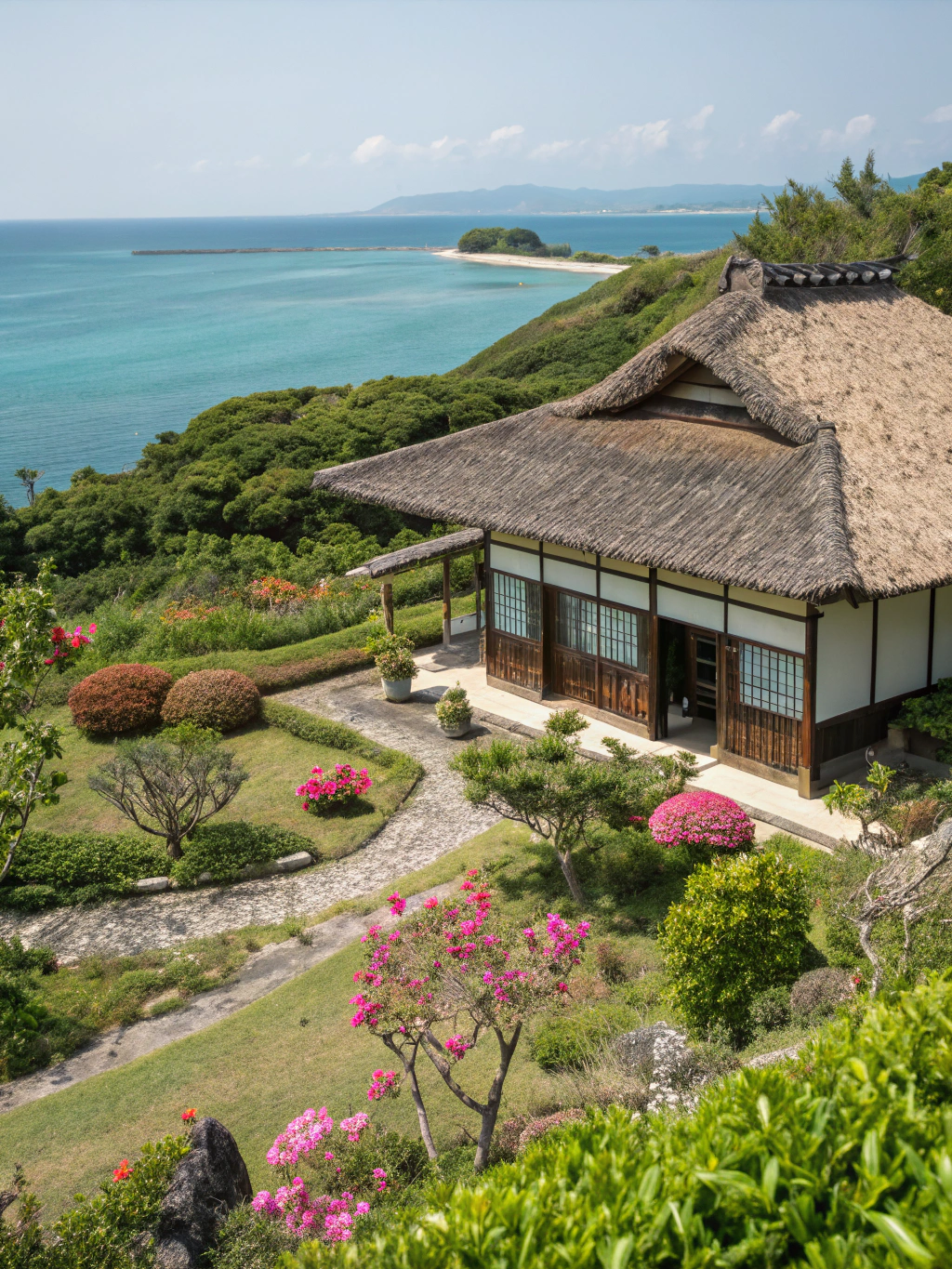
But here’s what really sets this Okinawa Japan travel guide apart from other Japanese destinations: the culture is completely different. Okinawa was actually an independent kingdom called Ryukyu until 1879. The local culture blends Japanese, Chinese, and Southeast Asian influences into something totally unique. You’ll see it in the architecture, taste it in the food, and hear it in the music.
Best Time to Visit Okinawa in 2026
Timing matters, folks. A lot.
April through May is absolutely golden. The weather hits that sweet spot—warm but not scorching, minimal rain, comfortable humidity. Plus, cherry blossoms bloom earlier here than mainland Japan (late January to early February), so spring feels different.
October through November is the other primo window. Typhoon season wraps up, temperatures cool down from summer highs, and the ocean’s still warm enough for swimming and snorkeling.
Summer (June-September) brings intense heat, brutal humidity, and typhoon risks. I’m talking potential flight cancellations and closed attractions. That said, if you can handle the weather, you’ll find fewer crowds and cheaper accommodation. Just pack your patience along with that sunscreen.
Winter (December-March) might surprise you. Temperatures hover around 60-70°F (15-20°C)—too cool for most people to swim comfortably, but perfect for exploring historical sites, hiking, and whale watching. Yeah, humpback whales migrate through Okinawan waters January through March, which is pretty epic.
Pro tip: Book accommodation at least 3-4 months ahead if you’re visiting during Golden Week (late April-early May) or Obon (mid-August). Prices skyrocket and availability tanks during these Japanese holiday periods.
Getting Around: Transportation Tips
Let me be straight with you—rent a car. Public transportation exists in Okinawa, but it’s limited compared to mainland Japan. Buses run infrequently, trains don’t exist outside the small monorail in Naha, and taxis add up fast.
A rental car opens up the entire island. You can cruise the coastal roads, stop at random beaches, explore mountain villages, and basically operate on your own schedule. Driving in Okinawa is way less stressful than Tokyo or Osaka. Roads are well-maintained, traffic is reasonable outside Naha, and parking is usually free or cheap.
Rental costs run about $30-60 per day depending on vehicle size and season. International drivers need an International Driving Permit (IDP)—get this sorted before leaving your home country because you can’t obtain one in Japan.
If you absolutely refuse to drive, base yourself in Naha and book organized tours to major attractions. Several companies offer day trips covering multiple spots. You’ll sacrifice flexibility but gain convenience.
The monorail in Naha (called Yui Rail) connects the airport to downtown and runs frequently. It’s perfect for airport transfers and exploring the capital, but that’s about where its usefulness ends for this Okinawa Japan travel guide.
Top Attractions You Can’t Miss
Shuri Castle (Sort Of)
Okay, real talk—the main buildings of Shuri Castle burned down in a tragic fire back in 2019. Reconstruction is happening, but won’t finish until around 2026 or beyond. Still, the grounds and remaining structures are absolutely worth visiting. The castle was the center of the Ryukyu Kingdom for centuries, and you can still feel that history walking through the gates and stone walls.
Okinawa Churaumi Aquarium
This place is legitimately world-class. The massive main tank houses whale sharks and manta rays swimming overhead in this ridiculously huge viewing area. It’s located in Ocean Expo Park on the northern part of the main island, about 90 minutes from Naha by car. Budget 3-4 hours minimum because there’s way more to see than just the aquarium—the park includes beaches, botanical gardens, and cultural villages.
Kerama Islands
If snorkeling or diving tops your bucket list, the Kerama Islands are non-negotiable. Crystal-clear waters, vibrant coral reefs, sea turtles casually swimming by—it’s basically what you picture when someone says “tropical paradise.” You can reach Zamami or Tokashiki islands via ferry from Naha (35-50 minutes depending on which island). Day trips work, but staying overnight lets you experience the islands without crowds.
Kokusai Street
Naha’s main tourist strip. Honestly? It’s touristy as hell, but also kinda fun. You’ll find Okinawan souvenirs, local food stalls, live music, and enough variety to kill an evening. Hit up the covered markets branching off the main street—that’s where locals actually shop and where you’ll find better prices.
American Village
This might seem random, but Okinawa hosts major U.S. military bases, which heavily influenced local culture. American Village (near Chatan) embraces this with American-style architecture, shopping, restaurants, and entertainment. It’s especially popular with younger crowds and feels nothing like traditional Japan. Kinda bizarre, kinda entertaining.
Food: What to Eat in Okinawa
Okinawan cuisine deserves its own guidebook, but I’ll hit the highlights for this Okinawa Japan travel guide.
Goya Champuru is the signature dish—stir-fried bitter melon with tofu, egg, and pork or spam. Yes, spam. Trust the process. The bitter melon takes getting used to, but locals swear by its health benefits.
Okinawa Soba isn’t actually soba (buckwheat noodles). It’s wheat noodles in pork broth, typically topped with pork belly, fish cake, and green onions. Every neighborhood has their favorite soba shop, and people get seriously passionate about which one’s best.
Taco Rice perfectly captures the American-Okinawan fusion. Seasoned ground beef, cheese, lettuce, and tomato over rice with salsa. It sounds weird on paper but absolutely slaps after a beach day.
Sata Andagi are Okinawan doughnuts—deep-fried balls of slightly sweet dough. You’ll find them at markets and festivals, and they’re dangerously addictive.
The longevity statistics in Okinawa aren’t a coincidence. The traditional diet emphasizes vegetables, sweet potatoes (purple ones!), tofu, fish, and moderate portions. Less processed food, more whole ingredients. Modern Okinawan cuisine has shifted somewhat with Western influence, but traditional restaurants still serve the good stuff.
Don’t skip awamori, Okinawa’s indigenous distilled spirit made from rice. It’s stronger than sake and has a distinct flavor. Try it straight, on the rocks, or mixed—locals have strong opinions on the “right” way, but honestly, drink it however you like.
Budget Planning for Okinawa
Let’s talk money, because Okinawa can range from budget-friendly to wallet-draining depending on your choices.
Accommodation varies wildly. Hostels and guesthouses start around $25-40 per night. Mid-range hotels run $80-150. Luxury resorts easily hit $300+ per night, especially beachfront properties.
Food costs are reasonable. Convenience store meals work for $5-8. Casual restaurants charge $10-20 per person. Nicer dining experiences run $30-60+. Self-catering works if you rent accommodation with a kitchen—supermarkets offer great prices on local produce and ingredients.
Transportation is your biggest variable. Rental cars cost $30-60 daily plus gas (more expensive than U.S. prices). Tours range from $50-150 depending on what’s included. Budget $20-40 daily for parking and tolls if driving.
Activities add up. Snorkeling tours cost $40-80. Diving certification courses run $400-600. Major attractions like Churaumi Aquarium charge about $20 admission. Many beaches are free, which helps balance the budget.
Realistic daily budget: $100-150 covers comfortable mid-range travel. Budget travelers can manage on $60-80 by staying in hostels, eating cheap, and doing free activities. Luxury travelers easily spend $300+ daily.
Practical Tips Before You Go
Language: English isn’t widely spoken outside major tourist areas. Download Google Translate and learn basic Japanese phrases. Locals appreciate the effort, even if your pronunciation is terrible (mine definitely is).
Cash is king: Many smaller restaurants, shops, and attractions only accept cash. ATMs that accept foreign cards are common at convenience stores (7-Eleven, FamilyMart, Lawson) and post offices.
Convenience stores are life-savers: Seriously, Japanese convenience stores stock everything—decent food, drinks, toiletries, even underwear if you forgot to pack enough. They’re everywhere and open 24/7.
Sun protection matters: The Okinawan sun doesn’t mess around. Even in winter, UV levels are high. Pack (or buy locally) strong sunscreen, a hat, and sunglasses. Locals often use parasols—no shame in that game.
Respect local culture: Okinawans are generally laid-back and friendly, but basic manners matter. Remove shoes when entering homes or certain restaurants. Bow when greeting people. Keep voices down in public spaces. Don’t stick chopsticks vertically in rice (it’s a funeral thing).
Travel insurance: Get it. Medical costs in Japan can be expensive for foreigners, and Okinawa’s water activities carry some risk. Better to have coverage you don’t use than need coverage you don’t have.
Wrapping This Up
Look, I could write another 10,000 words about Okinawa and still barely scratch the surface. The islands have this magic combination of natural beauty, fascinating history, incredible food, and genuinely welcoming people that makes them special even among Japan’s many amazing destinations.
Planning your 2026 trip now gives you time to score better flight deals, research accommodation options, and build an itinerary that matches your interests. Whether you’re all about beaches and snorkeling, history and culture, or just want to see what Japan looks like when it trades temples for palm trees—Okinawa delivers.
This Okinawa Japan travel guide should give you the foundation to start planning, but honestly, part of the fun is discovering your own favorite spots. That random beach you stumbled upon, the tiny soba shop with no English menu, the sunset view from an unexpected lookout—those unplanned moments often become the best memories.
So yeah, if you’ve been sleeping on Okinawa, now’s the time to wake up and add it to your travel list. Your future self will absolutely thank you for choosing this over another standard Tokyo-Kyoto loop. Trust me—those turquoise waters and island vibes are calling your name. 😉