Osaka Japan Travel Guide 2026: What to Know Before You Go
Ever wondered what it feels like to bite into takoyaki so fresh it practically melts in your mouth while standing under neon lights that could rival Times Square? That’s osaka japan for you—a city that hits different, where ancient temples chill next to futuristic skyscrapers, and the food scene? Absolutely unmatched.
If you’re planning an Asia trip in 2026, putting osaka japan on your itinerary isn’t just smart—it’s essential. This city gives you everything: killer street food, budget-friendly vibes compared to Tokyo, friendly locals who actually want to chat, and enough cultural spots to keep you busy without feeling overwhelmed. Whether you’re a foodie, history buff, or just someone who wants to experience Japan without the Tokyo price tag, Osaka’s got your back.
No time to read the whole post?
Here’s the quick version: osaka japan should absolutely be on your 2026 travel radar. This guide covers when to visit (spoiler: spring and fall are chef’s kiss), must-see neighborhoods like Dotonbori and Shinsekai, the food you absolutely cannot skip, practical tips for getting around, and budget hacks that’ll save you serious cash. Plus, we’re talking cultural etiquette, day trip options, and insider tricks that most tourists totally miss. Basically, everything you need to crush your Osaka adventure without the stress.
Table of Contents
Why Osaka Should Be Your Next Stop
Look, Tokyo gets all the hype, but osaka japan is where real Japanese culture smacks you in the face—in the best way possible. People here are warmer, the food’s cheaper and arguably better, and you won’t spend half your trip squished in overcrowded tourist traps.
Osaka locals have this reputation for being the friendliest folks in Japan, and honestly? It’s legit. They’ll crack jokes, recommend hole-in-the-wall restaurants their grandma swears by, and actually seem happy you’re visiting their city. The whole vibe feels more relaxed compared to Tokyo’s constant hustle.
The city also sits perfectly positioned for exploring the Kansai region. Kyoto’s temples are 30 minutes away by train, Nara’s deer park is under an hour, and you’ve got access to everything from mountain hikes to coastal beaches within day-trip distance. Your Asia trip logistics just got way easier.
When to Visit Osaka Japan: Timing Matters
Spring (March-May) is absolutely gorgeous. Cherry blossoms transform the city into something straight out of an anime, and the weather sits in that perfect sweet spot—not too hot, not too cold. Just know that late March through early April brings crowds because everyone wants those Instagram-worthy sakura shots.
Fall (September-November) gives spring some serious competition. The autumn leaves paint everything in reds and golds, temperatures drop to comfortable levels, and tourist numbers ease up compared to cherry blossom season. Plus, food festivals pop up everywhere. Win-win-win.
Summer (June-August)? Honestly, skip it if you can. We’re talking humid, sticky, borderline miserable heat that’ll have you ducking into convenience stores just for the AC. Typhoon season also peaks during these months, which can seriously mess with your plans.
Winter (December-February) works if you don’t mind chilly weather and want to save money. Hotels drop their prices, attractions feel less crowded, and you can experience Japanese New Year celebrations if you time it right. Just pack layers because those traditional buildings don’t exactly come with modern heating.
Neighborhoods You Can’t Miss
Dotonbori is Osaka’s beating heart—bright, loud, and absolutely buzzing with energy. This entertainment district along the canal serves up every street food you’ve ever dreamed about, plus shopping, nightlife, and those massive 3D billboards everyone recognizes. The Glico Running Man sign? Yeah, that’s here. Come at night when everything lights up and the whole area transforms into sensory overload (in the best way).
The food density in Dotonbori is ridiculous. You’ll find takoyaki stands every fifty feet, okonomiyaki restaurants competing for your attention, and ramen shops that’ll change your life. My advice? Skip lunch before you visit because you’ll want to try absolutely everything.
Shinsekai gives you old-school Osaka vibes with a slightly grittier edge. The Tsutenkaku Tower dominates the skyline here, and the neighborhood feels like stepping back to Showa-era Japan. This is where you try kushikatsu (deep-fried everything on skewers) at tiny spots where locals actually eat. It’s less polished than Dotonbori but way more authentic.
Umeda brings the modern, upscale energy. Think department stores, underground shopping labyrinths that’ll get you delightfully lost, and rooftop observatories with killer city views. The Umeda Sky Building’s floating garden observatory is legitimately cool and less touristy than you’d expect.
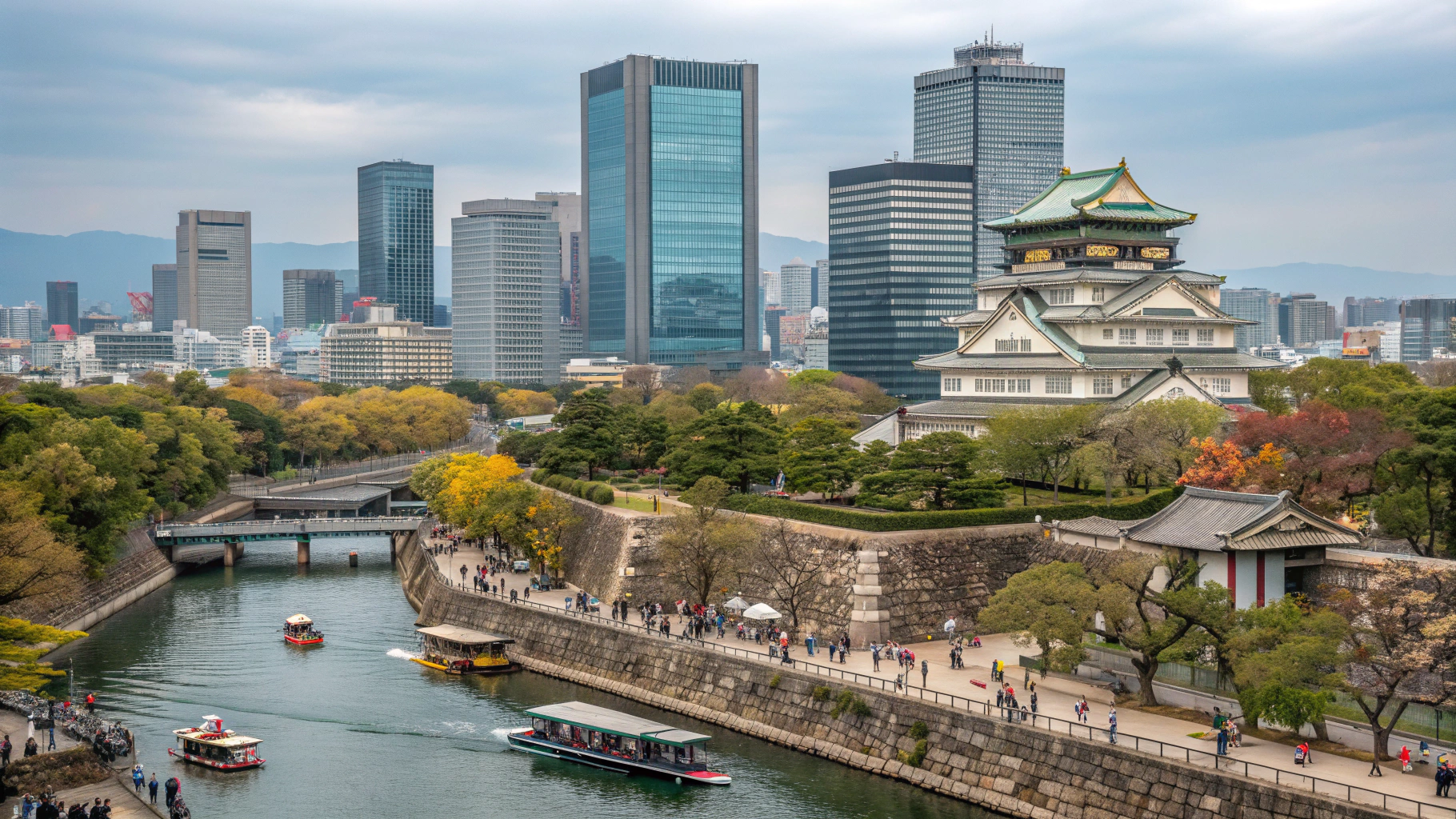
Osaka Castle Park deserves a full morning. The castle itself is stunning (even though the interior got modernized—yeah, there’s an elevator), and the surrounding park stretches for days. Cherry blossom season here? Absolutely magical. The moats, stone walls, and gardens transport you straight to feudal Japan, even with skyscrapers visible in the background.
Food: The Real Reason You’re Going
Let’s be honest—osaka japan earned its nickname “Japan’s Kitchen” for a reason. This city takes food seriously, and you’re about to eat better than you’ve ever eaten in your life.
Takoyaki (those octopus-filled balls of heaven) originated here, and trying them from a street vendor while wandering Dotonbori is basically mandatory. They’re crispy outside, gooey inside, topped with bonito flakes that dance from the heat, and cost like $3 for six pieces. Get the ones from shops with lines—locals know what’s up.
Okonomiyaki is Osaka’s savory pancake masterpiece. They pile cabbage, meat, seafood, and whatever else sounds good onto a griddle, cook it up, then drown it in sauce and mayo. Some places let you cook your own at your table, which is half the fun. Pro tip: Mizuno in Dotonbori has been perfecting this since 1945 and totally deserves the hype.
Kushikatsu follows one sacred rule: never double-dip your skewer in the communal sauce. Seriously, locals will judge you hard. These deep-fried skewers come with everything from beef to asparagus to quail eggs. Hit up Daruma in Shinsekai for the authentic experience—cheap, delicious, and filled with regulars.
Don’t sleep on ramen either. Osaka does it differently with stronger broths and thicker noodles. Ichiran offers the solo dining experience with individual booths (perfect for antisocial foodies :), while Kinryu serves up steaming bowls 24/7 for those late-night cravings.
Kuidaore means “eat until you drop,” and that’s basically Osaka’s unofficial motto. Embrace it.
Getting Around Without Losing Your Mind
The Osaka Metro is your best friend. It’s clean, efficient, runs constantly, and connects every neighborhood you actually want to visit. Grab an ICOCA card (rechargeable transit card) at any station and tap your way around the city without dealing with ticket machines every single time.
Japan Rail Pass holders can ride the JR lines for free, including the loop line that circles the city center. If you’re planning day trips to Kyoto, Nara, or Kobe, the pass pays for itself quickly. Just note it doesn’t work on the metro, so you’ll still need that ICOCA card for local trips.
Bicycles are everywhere and super affordable to rent. Osaka’s relatively flat, bike lanes are decent, and pedaling between neighborhoods gives you a totally different perspective on the city. Just follow the rules—sidewalk riding is technically illegal but everyone does it anyway (though police occasionally crack down).
Taxis exist but get pricey fast. Save them for late nights when trains stop running (around midnight) or when you’re hauling luggage. Uber works here too, but it’s basically just fancy taxi service at taxi prices.
Walking is honestly underrated in osaka japan. The city’s compact core means you can stroll from Namba to Shinsaibashi to Dotonbori without breaking a sweat, discovering random cool spots along the way.
Budget Hacks That Actually Work
Convenience store meals don’t just keep you alive—they’re legitimately good. Lawson, FamilyMart, and 7-Eleven stock fresh onigiri, bento boxes, and sandwiches that blow American convenience food out of the water. Breakfast from a konbini costs like $3 and tastes better than hotel breakfast buffets charging $20.
Happy hours and lunch sets are your wallet’s salvation. Restaurants offer crazy discounts during lunch hours (usually 11am-2pm), sometimes cutting dinner prices in half. Ramen shops, curry joints, and even upscale places participate. Dinner costs ¥3000? Same meal at lunch runs ¥800. Do the math.
Free attractions scatter throughout the city. Osaka Castle’s exterior and park cost nothing to explore, Dotonbori is free entertainment central, and tons of shrines and temples don’t charge admission. The Kuromon Market lets you window shop food porn without spending a yen (though you’ll probably cave and buy something because it all looks amazing).
Accommodation outside tourist zones saves serious cash. Stay in areas like Tennoji or Tsuruhashi instead of Namba, and you’ll find hotels at half the price with metro stations right there. We’re talking clean, functional rooms for $40-50 instead of $100+ in the tourist center.
Tourist passes work if you actually use them. The Osaka Amazing Pass includes unlimited transport plus free entry to 40+ attractions for ¥2800 (one day) or ¥3600 (two days). If you hit three museums and ride the metro five times, you’re already breaking even.
Cultural Stuff You Should Probably Know
Bowing is how Japanese people greet each other, but as a tourist, nobody expects perfection. A slight head nod works fine. Just don’t go full 90-degree bow unless you’re meeting someone super important or apologizing for something major.
Shoes off in temples, traditional restaurants, some shops, and definitely in homes if you’re lucky enough to visit one. If you see a shoe rack or people in socks, your shoes come off. Pack decent socks without holes—you’ll be showing them off constantly.
Eating while walking is technically rude in osaka japan, though enforcement is super relaxed in tourist areas like Dotonbori. Locals typically stop at the stall, finish their food, then move on. Do whatever feels right, but maybe don’t parade through a temple munching takoyaki.
Tipping doesn’t exist and can actually offend people. The price on the menu is the price you pay. Service is included, expected, and always excellent. Leaving cash on the table just confuses servers who’ll chase you down thinking you forgot your money.
Trash cans are rare but littering is absolutely unacceptable. Carry a plastic bag for your garbage and dispose of it at your hotel or find bins near convenience stores and vending machines. Sounds annoying, but you get used to it fast.
Speaking English gets easier every year as Osaka preps for more tourism. Younger people often speak some English, signs increasingly include English translations, and restaurant picture menus save everyone’s sanity. Download Google Translate’s offline mode just in case—the camera translation feature is legit magic.
Day Trips Worth Taking
Kyoto sits just 30 minutes away by train and offers everything traditional Japan promises—temples, geishas, bamboo forests, and enough cultural heritage to fill a week. Hit the Golden Pavilion, wander through Fushimi Inari’s endless torii gates, and explore Gion’s historic streets. Morning trains get crowded, so leave super early or wait until mid-morning.
Nara brings the deer. Like, hundreds of semi-wild deer that bow for crackers and occasionally steal your map. Todaiji Temple houses a massive bronze Buddha that’ll make your jaw drop, and the whole park feels magical. Under an hour from Osaka, easy day trip, totally worth it.
Kobe deserves attention beyond just its famous beef (though yeah, try the beef). The city spreads between mountains and harbor, offering hiking trails, hot springs, and that beautiful waterfront area. The night views from Mount Rokko are stunning, and you can literally do beef tasting tours if that’s your thing.
Himeji Castle is hands-down Japan’s most beautiful surviving castle. Unlike Osaka Castle’s concrete reconstruction, Himeji kept its original wooden structure and looks exactly like a feudal fortress should. The white facade earned it the nickname “White Heron Castle.” About an hour from Osaka, totally doable as a half-day trip.
Wrapping This Up
So yeah, osaka japan in 2026 is calling your name, and honestly? You should answer. This city serves up the perfect mix of old-meets-new Japan without the overwhelming chaos of Tokyo or the museum-town vibe of Kyoto. You’ll eat incredible food at prices that won’t wreck your budget, meet genuinely friendly people who make you feel welcome, and experience both ancient culture and modern Japanese life in one compact, navigable city.
Spring and fall offer the best weather and scenery, though winter bargains and summer festivals have their own appeal. Focus your time on Dotonbori for food and nightlife, Shinsekai for authentic local vibes, and Osaka Castle for that cultural checkpoint. Eat everything—seriously, the food here is stupid good and stupidly affordable. The metro system makes getting around painless, and day trips to Kyoto, Nara, and beyond are so easy you’ll wonder why anyone stays in just one city.
Pack light layers, comfortable walking shoes, and an empty stomach. Learn a few Japanese phrases (locals appreciate the effort even if your pronunciation is garbage), respect the cultural quirks, and just roll with the incredible experience that is osaka japan.
Your Asia trip won’t be complete without it. Trust me on this one—book that flight, grab your camera, and get ready for one of the most memorable cities you’ll ever visit. You’ll thank yourself later. 😉