Top 14 Things to Do in Miyakojima Japan
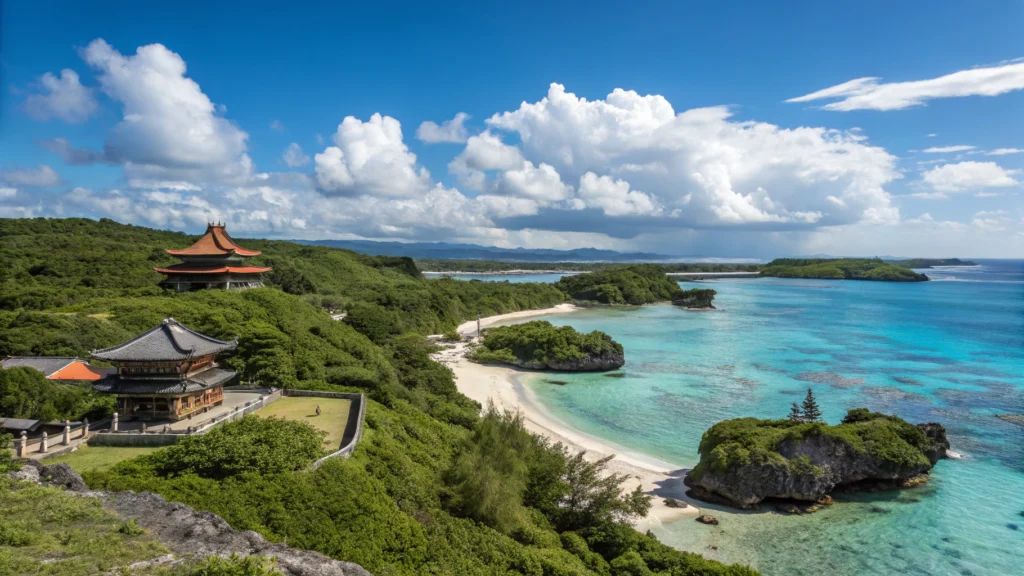
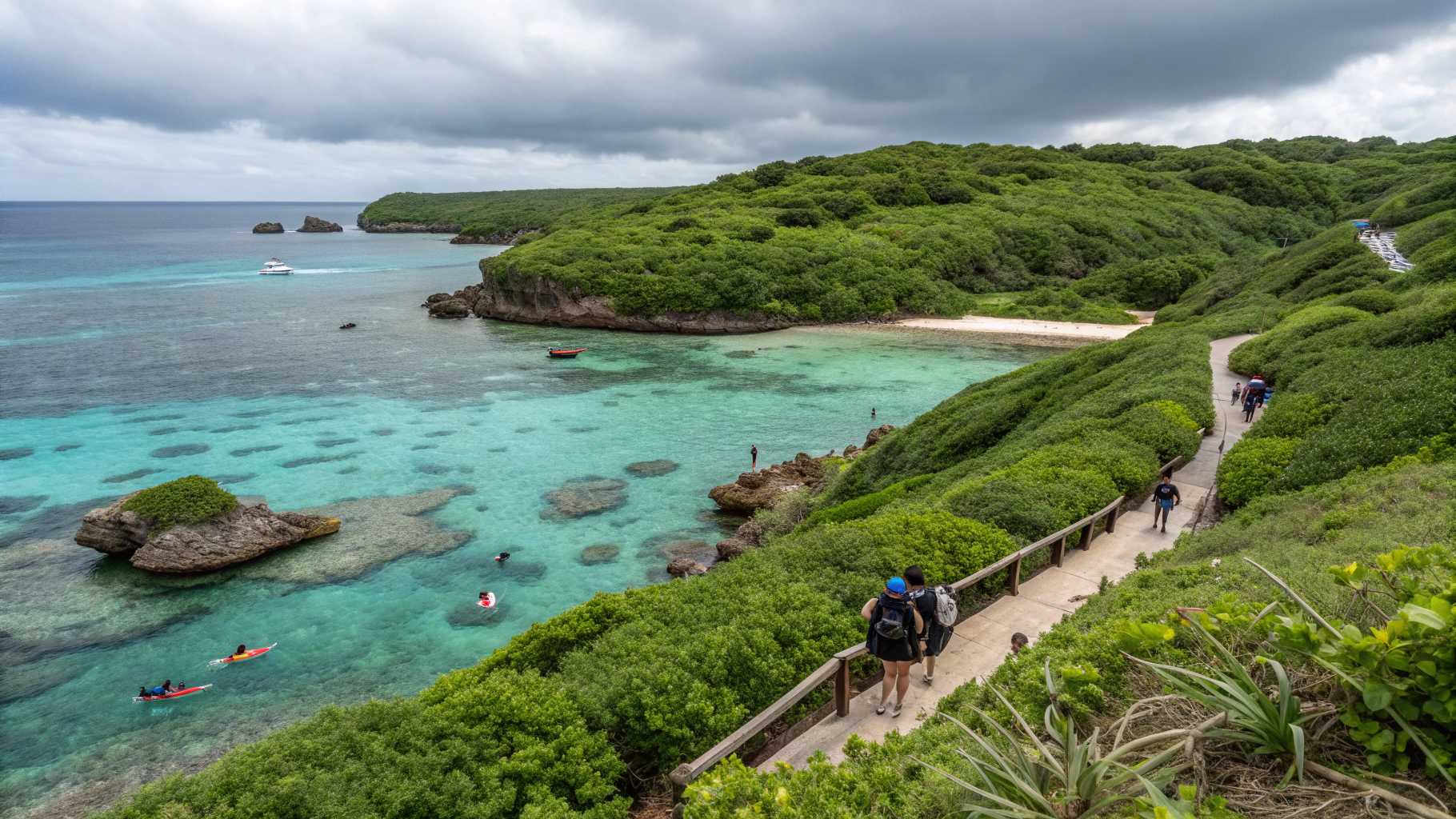
Ever dreamed of finding a tropical paradise that doesn’t feel like every other tourist trap? You know, the kind of place where turquoise waters actually look like they’ve been Photoshopped (but aren’t), and you can explore stunning beaches without fighting through crowds? Well, let me introduce you to Miyakojima—Japan’s best-kept secret in the Okinawa Prefecture.
This gorgeous island sits smack in the middle of the Pacific, and honestly, it’s one of those places that makes you question why you’ve been wasting your vacation days anywhere else. Whether you’re a beach bum, adventure junkie, or culture enthusiast, the Things to do in Miyakojima Japan will blow your mind. We’re talking pristine coral reefs, crystal-clear waters, unique cultural experiences, and landscapes that’ll make your Instagram followers seriously jealous.
In this guide, I’m breaking down the top 14 experiences you absolutely can’t miss when visiting Miyakojima Japan. From jaw-dropping beaches to cultural gems, I’ve got you covered with everything you need to plan the perfect island escape.
Table of Contents
The Best Beaches and Coastal Experiences
1. Sunayama Beach: The Iconic Photo Spot
If you only visit one beach in Miyakojima, make it Sunayama. This place is seriously stunning—imagine powdery white sand, that insane blue water, and a natural rock arch that frames the ocean like nature’s own picture frame. The famous rock formation creates this incredible tunnel you can walk through during low tide, and yeah, everyone takes photos here for a reason.
The beach itself isn’t huge, which actually keeps it from getting too crazy crowded. Pro tip: arrive early in the morning or late afternoon for the best light and fewer people. The sand here is so soft it squeaks under your feet, and the swimming is fantastic when the water’s calm.
2. Yoshino Beach: Snorkeling Heaven
Yoshino Beach is where you’ll find some of the best shore snorkeling in all of Japan—no boat required! Just wade in from the beach, and boom, you’re surrounded by tropical fish and vibrant coral. The visibility here is ridiculous (in a good way), often reaching 20-30 meters on clear days.
The beach has covered rest areas, showers, and even equipment rentals if you forgot your gear. IMO, this is the perfect spot for snorkeling newbies since the water stays relatively shallow near shore, but you still get incredible marine life. I’ve seen everything from clownfish to sea turtles here, and honestly, it never gets old.
3. Maehama Beach: The Seven-Kilometer Stretch
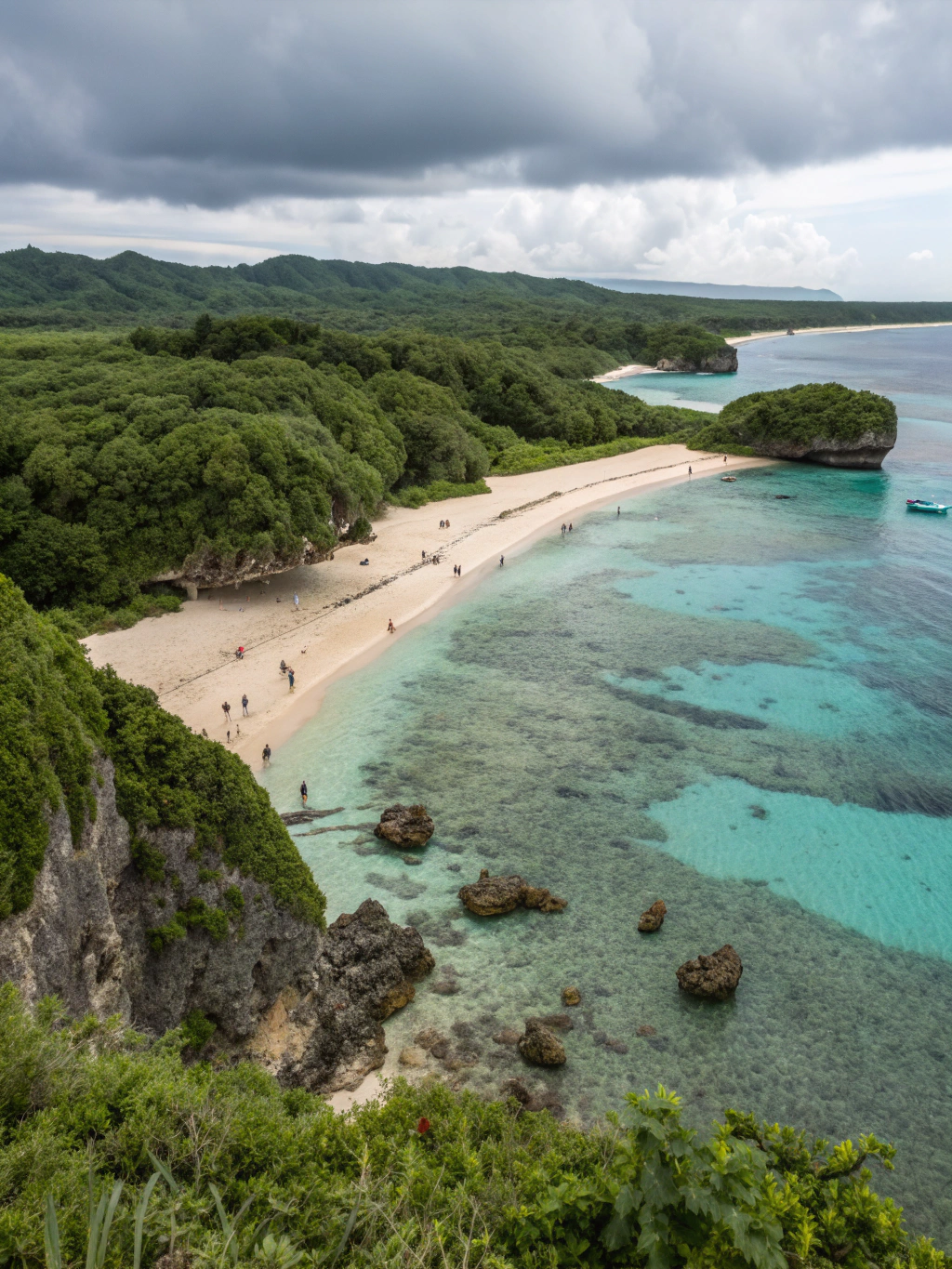
Welcome to one of the longest and most beautiful beaches in Japan. Maehama Beach (also called Yonaha Maehama Beach) stretches for seven kilometers of pure white sand paradise. The water here gradients from light turquoise to deep sapphire as you look toward the horizon—it’s almost unreal.
This beach is perfect for long walks, swimming, or just plopping down with a good book. The gentle slope of the seabed makes it super safe for families, and there are facilities including showers, restrooms, and beach chair rentals. During summer, you’ll find water sports operators offering jet skiing, parasailing, and banana boat rides.
Underwater Adventures and Marine Experiences
4. Yabiji Reef: Japan’s Largest Coral Reef System
The Things to do in Miyakojima Japan must include a trip to Yabiji Reef. This massive coral reef system sits about 5-22 kilometers offshore and covers roughly 10 square kilometers. Locals call it “Phantom Island” because parts of it emerge during spring low tides, creating temporary islands you can actually walk on.
Snorkeling and diving tours to Yabiji are bucket-list worthy. The coral diversity is insane—over 100 species—and the fish population is off the charts. You’ll need to book a tour to get here, but trust me, it’s worth every yen. The reef is protected and pristine, showing you what tropical waters looked like before mass tourism ruined so many spots worldwide.
5. Imgya Marine Garden: Family-Friendly Snorkeling
This natural inlet creates a protected swimming and snorkeling area that’s perfect for kids and less confident swimmers. Imgya Marine Garden features a unique bridge that lets you walk out over the water for amazing views and photo ops.
The marine garden has shallow areas where even young children can safely observe sea life, plus deeper sections for more experienced snorkelers. Facilities include a park with walking paths, observation decks, and restrooms. The protected nature of this spot means the water stays calm even when other beaches have rougher conditions.
6. Diving Around Irabu and Shimoji Islands
For certified divers, the waters around Irabu and Shimoji islands offer world-class dive sites. The underwater topography includes dramatic drop-offs, swim-throughs, caves, and overhangs that create diverse habitats for marine life.
Popular dive sites include “Maehama Reef” with its impressive coral gardens, “Toriike” with its mysterious marine lake, and “Shimoji Curves” known for schooling fish and occasional manta ray sightings. Water temps stay comfortable year-round (ranging from about 21°C in winter to 29°C in summer), making Miyakojima Japan a diving destination you can enjoy anytime.
Natural Wonders and Scenic Spots
7. Irabu Bridge: The Drive of a Lifetime
This engineering marvel connects Miyakojima to Irabu Island, stretching 3,540 meters across turquoise waters. When it opened in 2015, it became Japan’s longest toll-free bridge, and driving across it is an experience in itself.
The views from the bridge are absolutely bonkers—ocean in every direction, shades of blue you didn’t know existed, and on clear days, you can see for miles. There are parking areas on both sides where you can stop for photos. Sunset drives across this bridge hit different, creating memories you’ll talk about for years.
8. Cape Higashi-Hennazaki: Dramatic Coastal Views
Located on the southeastern tip of Miyakojima, this cape offers rugged coastal scenery that contrasts beautifully with the island’s gentle beaches. A lighthouse sits at the point, and the surrounding area features walking paths through coastal vegetation.
The rocky coastline here gets pounded by waves, creating dramatic splash zones and that raw ocean energy that’s so different from calm beach vibes. There’s an observation deck near the lighthouse offering 360-degree views. Visit during spring, and you might catch the blooming of wild lilies that carpet the cape in white flowers.
9. Cape Nishi-Hennazaki: Sunset Central
On the opposite end of the island, the western cape (Nishi-Hennazaki) is sunset headquarters. The observation platform here gives you unobstructed views of the sun dropping into the Pacific, painting the sky in those ridiculous oranges and pinks that don’t look real.
The cape features interesting rock formations and tide pools worth exploring during daylight hours. A small park surrounds the observation area, making it a nice spot for an evening picnic before the sunset show begins.
10. Toriike Pond: The Mysterious Marine Lake
This unique natural feature consists of two pond-like bodies of water connected to the ocean through underground caves. The name means “passing through pond,” and the deep blue color of the water creates an almost mystical atmosphere.
Walking paths and observation decks let you view the ponds from different angles, and information signs explain the geological formation and ecological significance. The area is relatively compact, taking maybe 20-30 minutes to explore fully, but it’s one of those quirky natural wonders that adds variety to your beach-heavy itinerary.
Cultural and Community Experiences
11. Miyakojima City Tropical Plant Garden
This botanical garden showcases the island’s tropical vegetation, including native plants, fruit trees, and ornamental species. The garden covers several acres with walking paths winding through different garden zones.
You’ll find everything from hibiscus and bougainvillea to papaya, mango, and dragon fruit plants. Educational displays explain how islanders have traditionally used various plants for food, medicine, and crafts. The garden also includes a covered rest area where you can escape the midday sun while learning about island agriculture and ecology.
12. Miyakojima Traditional Crafts
The island has a rich tradition of textile production, particularly “Miyako-jofu”—a type of ramie fabric that’s been woven here for centuries. Several workshops on the island offer demonstrations and sometimes hands-on experiences where you can try weaving or dyeing.
Local craft shops also sell beautiful shell crafts, coral jewelry (from sustainably sourced materials), and woven goods. These make way better souvenirs than generic tourist stuff, plus you’re supporting local artisans keeping traditional skills alive.
13. Local Markets and Food Culture
Experiencing local food is definitely among the best Things to do in Miyakojima Japan. Check out the public markets where vendors sell fresh seafood, tropical fruits, and Okinawan specialties. Miyakojima is famous for its mangoes (seriously some of the best I’ve ever had), sea grapes, and various fish species you won’t find elsewhere.
Don’t skip trying local dishes like “sata andagi” (Okinawan donuts), “taco rice” (a fusion dish that’s become an Okinawan staple), and fresh sashimi featuring local catches. The island’s cuisine blends Japanese, Okinawan, and even some Southeast Asian influences, creating flavors that surprise and delight.
14. Pumui Ishigaki: Sacred Stone Sites
Throughout Miyakojima Japan, you’ll find ancient stone structures called “utaki” that served as sacred prayer sites in traditional Ryukyuan religion. These spiritual places connect to the island’s pre-modern culture and beliefs.
While visiting, show respect—these aren’t just tourist attractions but sites that still hold spiritual significance for many locals. The peaceful atmosphere around these stone formations offers a contemplative break from beach activities and reminds you of the deep history beneath Miyakojima’s modern tourism industry.
Getting Around and Practical Tips
Rent a car—there’s really no way around it (pun intended). Public transportation on Miyakojima is pretty limited, and you’ll miss so much if you can’t drive yourself to different beaches and attractions. The island isn’t huge, so nowhere takes that long to reach, and parking is almost always free and easy.
Best time to visit: April through October offers the warmest weather and best swimming conditions, though this is also typhoon season (mainly August-September). Winter months (December-March) are cooler and drier—still pleasant, just not ideal for extended water activities.
Bring reef-safe sunscreen—the coral here is too precious to damage with chemical sunscreens. Many beaches now prohibit non-reef-safe products, so come prepared or buy local brands.
Download offline maps because cell coverage can get spotty in remote areas. Google Maps works fine when you have signal, but saving offline maps gives you backup navigation.
The island vibe here is chill and low-key. Don’t expect Kyoto-level tourist infrastructure or English everywhere—part of Miyakojima’s charm is that it still feels authentic and uncommercialized. A few basic Japanese phrases go a long way, and locals really appreciate the effort.
Conclusion
So there you have it, the top 14 things that make Miyakojima one of Japan’s most incredible destinations. From world-class beaches and snorkeling to cultural experiences and natural wonders, this island packs way more punch than its small size suggests.
Honestly, Miyakojima delivers that rare combination of stunning natural beauty and authentic local culture without the overwhelming tourist crowds you’ll find at more famous Japanese destinations. Whether you’re planning a romantic getaway, family vacation, or solo adventure, this island paradise has something special waiting.
The best part? You’ll leave with memories (and photos) that’ll make everyone back home super jealous, plus stories about discovering a place that still feels like a secret—even though the word is definitely getting out. 😉
So what are you waiting for? Start planning your Miyakojima adventure now. Trust me, your future self will thank you for discovering this tropical paradise before it becomes everyone’s favorite destination. Pack that reef-safe sunscreen, charge your underwater camera, and get ready for the island escape of a lifetime!