Top 10 Things to Do in Beijing: A Complete Free Guide
Have you ever stood in front of a place so massive, so rich in history, that you literally didn’t know where to start? That’s Beijing for you. I remember my first time there—stepping off the plane, feeling the buzz of 21 million people going about their day, and thinking, “Holy crap, where do I even begin?” Whether you’re a history buff, a foodie, or just someone who wants epic photos for the ‘gram, there’s something magical waiting for you in China’s capital. And honestly? You don’t need a tour guide with a flag to experience it all.
This guide breaks down the absolute best things to do in beijing that you can’t miss. From ancient palaces to quirky hutongs, I’m giving you the insider scoop on what actually matters during your beijing trip. Plus, I’m throwing in some real talk about what’s worth your time and what’s just tourist trap nonsense.
Table of Contents
No time to read the whole post?
Here’s the quick rundown: Beijing packs a punch with must-see spots like the Forbidden City, Great Wall (go to Mutianyu, not Badaling), Temple of Heaven, and Summer Palace. Explore authentic hutongs by bike or rickshaw, experience the creative 798 Art District, and don’t skip Tiananmen Square despite its heavy history. The food scene is incredible—Peking duck is mandatory, and night markets offer everything from jianbing to candied fruit. Catch a Peking Opera show for a cultural experience, even if it’s weird at first. Practical musts: download a VPN before arrival, use the subway, and bring cash. Plan 4-5 days minimum to actually enjoy it without rushing. Beijing’s chaotic, overwhelming, but absolutely worth it.
Why Beijing Should Be on Your Bucket List
Look, I get it. China feels intimidating. The language barrier, the sheer size of everything, the crowds—it can all seem like a lot. But Beijing is one of those places that rewards you big time if you just go for it. You’re literally walking through thousands of years of history, eating some of the best food on the planet, and experiencing a culture that’s equal parts ancient tradition and modern hustle.
The city blends old and new in ways that’ll mess with your head (in a good way). One minute you’re wandering through a 600-year-old temple, the next you’re dodging electric scooters in a ultra-modern shopping district. IMO, that contrast is what makes Beijing unforgettable.
1. The Forbidden City: Where Emperors Lived Like Bosses
First stop? The Forbidden City. This place is HUGE—we’re talking 980 buildings spread across 180 acres. It was home to Chinese emperors for nearly 500 years, and honestly, these guys knew how to live. The architecture alone is worth the price of admission (which is super cheap, by the way).
Pro tip: Get there early. Like, sunrise early. The crowds start piling in around 10 AM and by midday it’s a sea of tour groups. Early morning gives you those quiet moments in the courtyards where you can actually imagine what life was like back then. The golden roofs catching the morning light? Chef’s kiss.
Don’t try to see everything—you’ll burn out. Focus on the main ceremonial halls, the Imperial Garden, and maybe one of the side palace complexes. Grab a map at the entrance or download one of those audio guide apps. They’re actually helpful.
2. The Great Wall: Pick Your Spot Wisely
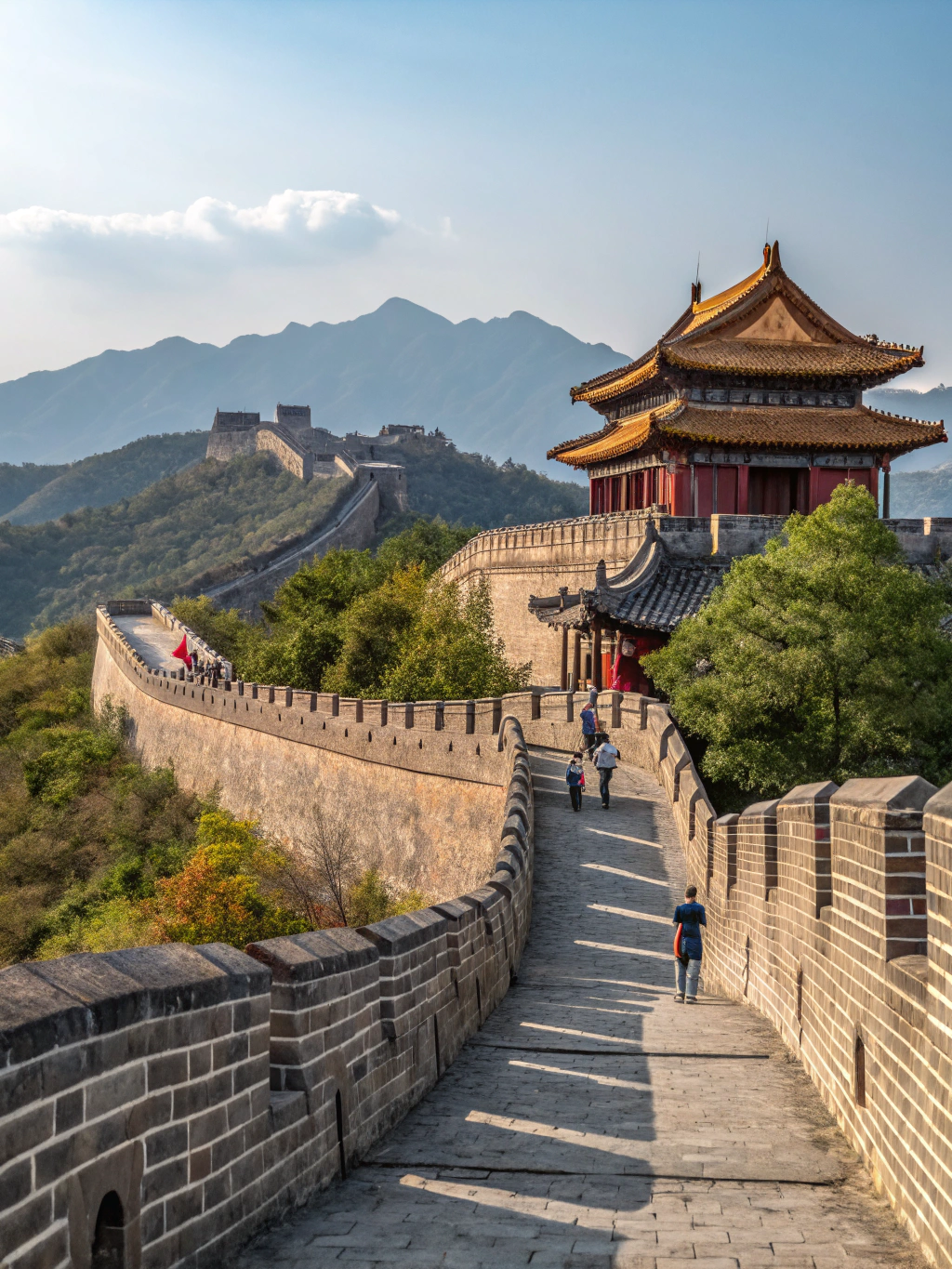
Yeah, yeah, everyone tells you to visit the Great Wall. But here’s what they don’t tell you: which section you visit makes ALL the difference. The most popular section, Badaling, is packed with tourists and feels more like Disneyland than an ancient wonder. Hard pass.
Instead, go for Mutianyu. It’s about 90 minutes from central Beijing, easier to access than the super remote sections, but way less crowded than Badaling. The views are spectacular, there’s a cable car if you’re not feeling the climb, and—get this—you can toboggan down. Yes, seriously. It’s touristy but fun as hell 🙂
If you’re feeling adventurous, Jinshanling offers incredible hiking with some restored and some wild sections. The crumbling watchtowers give you serious Indiana Jones vibes. Just wear good shoes and bring water. This is not a casual stroll.
Budget about half a day for the Great Wall. It’s one of those bucket list to do in beijing experiences you’ll remember forever.
3. Temple of Heaven: Where Locals Hang Out
Okay, so the Temple of Heaven is stunning—that iconic blue-roofed circular building you’ve seen in photos? That’s here. But what makes this place special isn’t just the architecture. It’s the park around it.
Go in the early morning and you’ll see locals practicing tai chi, playing traditional instruments, doing group dances, and even walking backwards (apparently it’s good for your health?). It’s like stumbling into the most wholesome community center ever. I spent an hour just watching a group of elderly folks absolutely killing it at badminton. They invited me to play and I got completely destroyed, but hey, great memory.
The temple itself was where emperors performed annual ceremonies to pray for good harvests. The circular design, the symbolism, the acoustics—everything has meaning. The Echo Wall is particularly cool; whisper on one side and someone can hear it clearly on the other side, like 65 meters away.
4. Summer Palace: Your Escape From City Chaos
Need a breather from Beijing’s intensity? The Summer Palace is your answer. This was the royal family’s lakeside retreat, and wow did they pick a good spot. The main lake, Kunming Lake, takes up about three-quarters of the park, and there are pavilions, gardens, and covered walkways everywhere.
Rent a paddleboat on the lake if the weather’s nice. Walk along the famous Long Corridor—it’s got over 14,000 paintings on the ceiling beams. Check out the Marble Boat, which is exactly what it sounds like and was apparently the Empress Dowager’s way of flexing on everyone.
Plan for 3-4 hours here minimum. Pack snacks because the food options inside are limited and overpriced. This is one of those places where you want to just wander and discover hidden corners. Don’t rush it.
5. Hutongs and Rickshaw Tours: Real Beijing Vibes
If you want to see how regular Beijingers actually live, you’ve got to explore the hutongs. These are the narrow alleyways lined with traditional courtyard homes, and they’re the heart and soul of old Beijing. Unfortunately, tons are being demolished for modern development, so what’s left feels even more precious.
Grab a bike or take a rickshaw tour through neighborhoods like Nanluoguxiang or Dashilar. You’ll see elderly folks playing mahjong, laundry hanging between buildings, street food vendors grilling mystery meats, kids running around—it’s chaotic and authentic and awesome.
Some courtyard homes have been converted into boutique hotels, cafes, or shops. Duck into a few and poke around. Chat with shopkeepers. Try weird snacks from street carts. This is where your beijing trip gets personal and memorable.
Fair warning: some rickshaw drivers are aggressive salespeople who’ll push you toward specific shops where they get commissions. Negotiate price upfront and be clear about what you want to see.
6. Tiananmen Square and Its Complicated History
You can’t talk about best things to do in beijing without mentioning Tiananmen Square. It’s the world’s largest public square and it’s heavy with history—both celebrated and controversial.
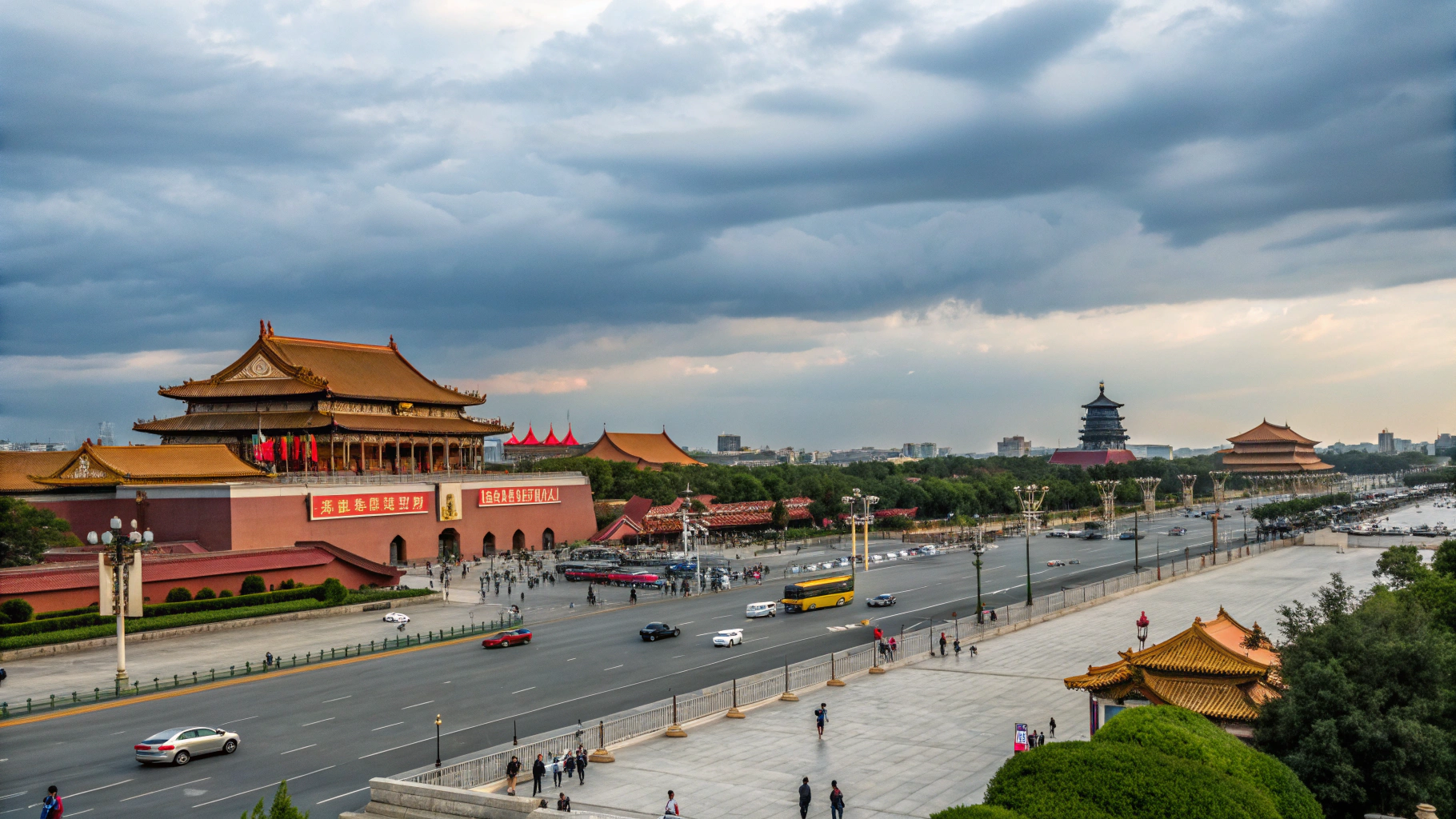
The square sits right at the entrance to the Forbidden City, so you’ll probably pass through it anyway. You’ll see Chairman Mao’s mausoleum, the Monument to the People’s Heroes, and the massive portrait of Mao on the gate tower. Security is intense here—bag checks, ID scans, cameras everywhere. Don’t bring drones or anything stupid.
Honestly? The square itself is just a big concrete plaza. What makes it significant is what it represents and what’s happened there. Do a bit of reading beforehand so you understand the context. It’ll make your visit more meaningful, even if it feels a bit uncomfortable.
7. 798 Art District: Beijing’s Creative Side
Need a complete change of pace? Head to the 798 Art District in the northeastern part of the city. This used to be a factory complex, and now it’s been transformed into this super cool space filled with galleries, studios, cafes, and weird public art installations.
It’s Beijing’s creative heart—you’ll find contemporary Chinese artists pushing boundaries, international exhibitions, quirky bookshops, and hipster coffee spots. The industrial architecture mixed with colorful murals and sculptures creates this vibe that’s totally different from ancient temples and imperial palaces.
Admission to the district itself is free. Individual galleries might charge a small fee, but most are free too. Plan for a couple hours just to wander, people-watch, and maybe grab lunch at one of the trendy restaurants.
8. Try Peking Duck
Let’s talk food for a second because you cannot—I repeat, CANNOT—leave Beijing without having proper Peking duck. This isn’t some casual chicken dish. It’s an art form. The skin should be crispy and golden, the meat tender, served with thin pancakes, spring onions, cucumber, and sweet bean sauce.
Quanjude is the most famous spot, but honestly, it’s overpriced and too touristy now. Instead, try Da Dong or Siji Minfu. Both serve incredible duck at more reasonable prices with less of the tourist circus atmosphere.
The whole experience is about the ritual—watching them carve the duck tableside, assembling your own little pancake wraps, savoring each bite. It’s one of those meals that justifies an entire beijing trip on its own. Seriously.
9. Beijing’s Night Markets and Street Food Scene
Beijing’s street food game is STRONG. Hit up Wangfujing Snack Street for the full experience—you’ll see scorpions on sticks, stinky tofu, lamb skewers, candied fruit, and about a hundred other things you didn’t know were edible.
Is some of it touristy? Absolutely. But it’s also fun as hell. My strategy? Skip the weird shock-value stuff (unless you’re genuinely curious about eating a starfish) and focus on the classics: jianbing (savory crepes), tanghulu (candied fruit on sticks), baozi (steamed buns), and roujiamo (Chinese hamburgers).
The night markets come alive after 7 PM and stay busy until late. Bring cash because not all vendors take mobile payments, and foreigners sometimes have issues with Chinese payment apps anyway. Go hungry and adventurous. Your stomach might hate you the next day, but your memories will be golden.
10. Peking Opera: Weird But Worth It
Okay, I’ll be real—Peking Opera is an acquired taste. It’s loud, theatrical, colorful, and completely over-the-top. The singing sounds more like high-pitched wailing to Western ears, and the stories are hard to follow even with English subtitles.
But—and this is important—it’s also a UNESCO-recognized art form with centuries of tradition behind it. The costumes, the makeup, the acrobatics, the elaborate staging—it’s spectacular even if you don’t “get” it. Think of it less like going to a show and more like witnessing a living piece of cultural history.
The Liyuan Theater near Qianmen is a popular spot for tourists, with shorter, more accessible performances. Tickets are affordable, and they serve tea during the show. Go in with an open mind and low expectations. You might hate it, or you might find yourself weirdly fascinated. Either way, you can say you did it.
Practical Tips for Your Beijing Trip
Let me drop some quick knowledge that’ll make your life easier:
- VPN is essential. Google, Facebook, Instagram, WhatsApp—all blocked. Download a VPN before you arrive or you’ll be digitally isolated.
- Download translation apps like Pleco or Google Translate offline mode. English signage exists but isn’t everywhere, especially in local neighborhoods.
- Beijing Subway is your friend. It’s cheap, efficient, and covers most tourist spots. Get a rechargeable transit card or use the mobile app. Avoid taxis during rush hour unless you enjoy sitting in traffic forever.
- Air quality varies. Check the AQI (Air Quality Index) daily. On bad pollution days, limit outdoor activities or wear a mask. Locals do it, no shame.
- Carry cash. Mobile payments dominate China, but many vendors still take cash. International cards work at major hotels and some restaurants, but not everywhere.
- Book Great Wall transport in advance. Whether it’s a tour, private driver, or bus, plan ahead. Last-minute options are limited and overpriced.
How Many Days Do You Actually Need?
People always ask me: “How long should I spend in Beijing?” Honestly, 4-5 days is the sweet spot. That gives you time to hit the major sights without feeling rushed, plus a day to just wander and discover random stuff.
Here’s a rough breakdown:
- Day 1: Forbidden City and Tiananmen Square
- Day 2: Great Wall (full day trip)
- Day 3: Temple of Heaven and Summer Palace
- Day 4: Hutong exploration and 798 Art District
- Day 5: Food adventures, shopping, or revisiting favorite spots
If you’ve only got 2-3 days, prioritize the Forbidden City, Great Wall, and Temple of Heaven. Skip the Summer Palace and 798 District if you’re crunched for time.
Final Thoughts on Your Beijing Adventure
Look, Beijing isn’t always easy. It’s crowded, polluted, overwhelming, and occasionally frustrating. You’ll deal with language barriers, culture shock, and pushy tour guides. Some days you’ll want to throw your hands up and order Western food in your hotel room.
But man, is it worth it.
Beijing rewards curiosity and patience. The more you dig beneath the surface, the more layers you discover. Ancient history sits next to modern innovation. Traditional culture exists alongside cutting-edge art. And the food—did I mention the food is incredible?
Your beijing trip list should be flexible. Yes, hit the major sights, but also leave room for spontaneity. Get lost in a hutong. Try street food you can’t identify. Chat with locals (hand gestures work wonders). Those unplanned moments often become your favorite stories.
So yeah, if you’ve been thinking about a beijing trip, stop overthinking it and just book the ticket. It’s one of those cities that’ll challenge you, surprise you, and ultimately change you. Pack your sense of adventure and comfortable walking shoes—Beijing’s waiting. 😉