11 Best Things to Do in Tokyo During Winter
Have you ever wondered what makes Tokyo during winter one of the most magical experiences you’ll ever have? Picture this: neon lights reflecting off fresh snow, steaming bowls of ramen on every corner, and festivals that’ll warm your soul even when the temperature drops. Tokyo doesn’t just survive winter—it absolutely thrives in it.
If you’re planning a japan trip and wondering what to do when the city gets chilly, you’re in for a treat. Winter transforms Tokyo into something straight out of a dream, minus the crowds you’d battle during cherry blossom season. From cozy cultural experiences to mind-blowing light displays, I’m breaking down the 11 absolute best things that’ll make your Tokyo winter travel unforgettable.
Table of Contents
No time to read the whole post?
Here’s the quick version: Tokyo in winter is insanely underrated. You’ve got everything from stunning illuminations at Roppongi Hills and teamLab Borderless to soaking in natural hot springs at Odaiba Oedo Onsen. Don’t miss ice skating with Mount Fuji views, catching sumo wrestling tournaments, warming up with authentic ramen, exploring winter festivals, skiing day trips, shopping in heated underground malls, visiting serene temples in snow, experiencing New Year traditions, and hunting for the perfect sushi breakfast at Tsukiji. Winter Tokyo = fewer tourists + way more authentic vibes.
Why Tokyo Winter Travel Beats Every Other Season
Look, I get it. Most people obsess over spring’s sakura season or fall’s maple leaves. But here’s my hot take: winter might just be the best time to visit Tokyo. The crowds thin out dramatically (except around New Year’s), hotel prices drop, and you get this incredibly cozy atmosphere that you just can’t find during warmer months.
The air gets crisp, the skies turn crystal clear (hello, Mount Fuji views!), and Tokyo’s obsession with seasonal everything means winter-exclusive foods, drinks, and events pop up everywhere. Plus, Japanese people have mastered the art of staying warm and comfortable—from heated toilet seats to kotatsu tables—so you’ll never actually feel miserably cold.
1. Experience Mind-Blowing Winter Illuminations
Tokyo goes absolutely bonkers with light displays from November through February, and honestly? They put most Western Christmas lights to shame. We’re talking millions of LED lights creating immersive art installations that’ll have your Instagram working overtime.
Roppongi Hills transforms into a winter wonderland with their famous “Snow & Blue” illumination—over 400,000 lights covering the entire complex. The blue LED tunnel? Chef’s kiss. Meanwhile, Marunouchi area near Tokyo Station covers the trees lining their streets with champagne-gold lights that create this elegant, romantic vibe perfect for evening strolls.
But if you want something next-level, hit up Yomiuriland’s Jewellumination. This amusement park goes full-out with themed light areas, including a fountain show that’s synced to music. Pro tip: Go on a weeknight to avoid the weekend crowds and actually enjoy it without getting elbowed constantly.
2. Soak Your Worries Away at Odaiba Oedo Onsen Monogatari
Nothing—and I mean nothing—beats soaking in a hot spring when it’s freezing outside. The temperature contrast hits different, trust me. While Tokyo isn’t known for natural onsen, Oedo Onsen Monogatari in Odaiba brings that traditional hot spring experience right to the city.
This place nails the atmosphere. You get a yukata (casual kimono) when you arrive, and the whole facility recreates an Edo-period town vibe with wooden buildings, street food stalls, and multiple indoor and outdoor baths. The outdoor rotenburo bath in winter? Absolutely divine. Your body’s toasty warm while your face gets kissed by cool air—it’s weirdly addictive.
They’ve got different mineral baths, foot baths, and even sand baths where they bury you in warm sand (sounds weird, feels amazing). Budget around 2-3 hours here because once you’re in that relaxation zone, you won’t want to leave.
3. Ice Skate With Mount Fuji Views
Outdoor ice skating in Tokyo during winter combines two awesome things: gliding around on ice and potentially stunning views of Mount Fuji in the background. Tokyo Midtown’s ice rink in Roppongi opens seasonally and offers exactly this experience when the weather’s clear.
The rink isn’t huge, but the atmosphere makes up for it. They usually play good music, the surrounding illuminations create this magical glow, and grabbing hot chocolate afterward while still wearing your skates? Peak winter vibes. If Midtown’s packed, Yokohama Red Brick Warehouse also sets up a seasonal rink with harbor views that’s equally stunning.
FYI: Rental skates are available, but if you’ve got weird-sized feet like me, arriving early gives you better selection. Weekend evenings get crazy busy, so weekday afternoons are your friend here.
4. Catch Sumo Wrestling Tournaments
January brings the Hatsu Basho (New Year’s Tournament) to Ryōgoku Kokugikan, and watching sumo live is legitimately one of the most electrifying cultural experiences Tokyo offers. Forget whatever you’ve seen on TV—being there in person hits completely different.
The rituals, the tradition, the sheer power of these athletes—it all comes together in this uniquely Japanese spectacle. Tournaments run for 15 days, and while the final days with top-ranked wrestlers get pricey and crowded, earlier days offer cheaper tickets and a more relaxed vibe where you can actually move around and explore.
Arrive early to watch lower-ranked wrestlers (they’re still incredible) and soak in the whole atmosphere. The arena sells chanko-nabe—the protein-packed stew wrestlers eat—and trying it while watching matches feels appropriately meta. Just don’t expect it to magically give you sumo strength 🙂
5. Warm Your Soul With Authentic Ramen
Cold Tokyo days basically demand hot ramen, and winter gives you the perfect excuse to go on a full-blown ramen crawl. Every neighborhood has its gems, from hole-in-the-wall joints to Michelin-recognized spots.
Ichiran offers the classic solo dining experience with individual booths—perfect if you want to focus entirely on your bowl without social obligations. Their tonkotsu (pork bone broth) runs rich and creamy, ideal for cold weather. But IMO, Afuri in Harajuku serves this incredible yuzu-scented ramen that somehow manages to be both light and deeply satisfying.
For something more adventurous, track down Tsuta in Sugamo, the world’s first Michelin-starred ramen shop. Their shoyu (soy sauce) ramen incorporates truffle oil, and yeah, it’s as extra and delicious as it sounds. Pro move: Order extra noodles (kaedama) because one serving never feels like enough when it’s this good.
6. Explore Winter Festivals and Seasonal Events
Tokyo’s event calendar stays packed even when temperatures drop. Setsubun in early February marks the day before spring according to the lunar calendar, where temples hold bean-throwing ceremonies to drive out evil spirits. Sensō-ji Temple in Asakusa hosts one of the biggest celebrations—chaotic, loud, and genuinely fun.
If you’re around in February, don’t sleep on plum blossom viewing (ume) at places like Koishikawa Kōrakuen Garden. Plum blossoms bloom earlier than cherry blossoms and get way less attention, meaning you can actually enjoy them peacefully. The contrast of delicate pink and white flowers against bare winter branches? Beautiful.
December brings Christmas markets, though Tokyo puts its own spin on them. Tokyo Christmas Market at Hibiya Park features German-style stalls selling mulled wine and sausages, but with Japanese efficiency and cleanliness. It’s smaller than European markets but charming in its own right.
7. Take a Day Trip to Nearby Ski Resorts
Here’s something most tourists don’t realize: you can literally ski and be back in Tokyo for dinner. Several ski resorts sit within 1-2 hours of the city, making winter sports surprisingly accessible even if you’re based in the urban center.
Gala Yuzawa connects directly to Tokyo via shinkansen (bullet train), and the ski resort sits right at the station. No bus transfers, no hassle—you step off the train and you’re there. The slopes work great for beginners and intermediate skiers, plus equipment rental is available on-site.
Not into skiing? Karuizawa offers a more resort-town vibe with shopping, outlets, and lighter winter activities like snowshoeing. It’s basically Tokyo’s playground for people who want winter atmosphere without the extreme sports commitment.
8. Shop Underground Malls Without Freezing
Tokyo’s massive underground shopping networks become absolute lifesavers during winter. Connected to major stations, these underground cities let you shop, eat, and explore without ever facing the cold wind above ground.
Tokyo Station’s underground alone could keep you busy for hours. The “Tokyo Character Street” sells merchandise from every Japanese character you’ve ever heard of (plus many you haven’t), while “Tokyo Ramen Street” offers eight different renowned ramen shops in one convenient location—perfect for comparison shopping your lunch.
Shinjuku Station’s underground connects multiple department stores including Lumine, Keio, and Odakyu, plus hundreds of restaurants and cafes. You could legitimately spend an entire rainy or cold day here without ever seeing daylight. The labyrinth layout can get confusing, but that’s half the adventure, right?
9. Visit Serene Temples Blanketed in Snow
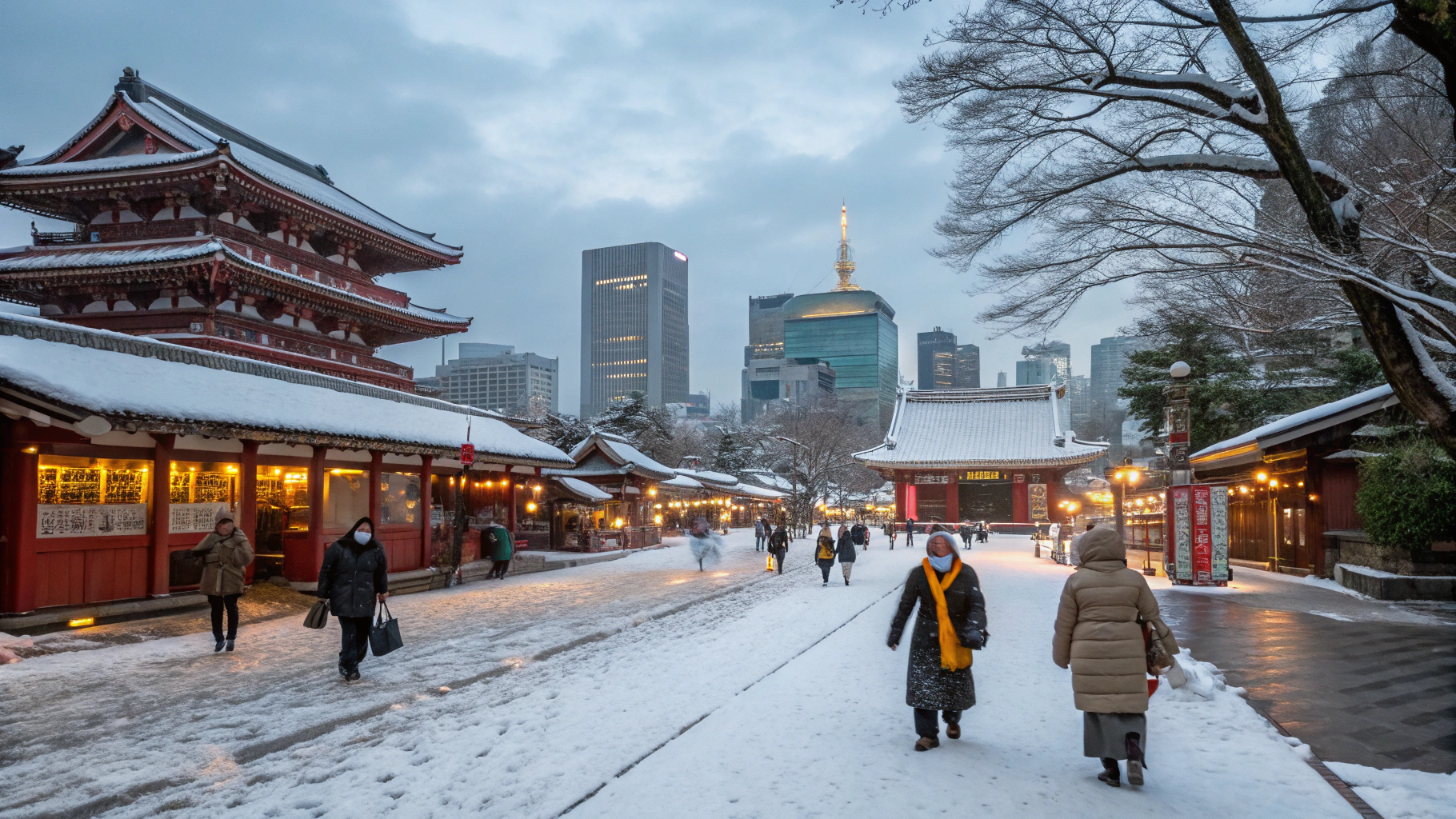
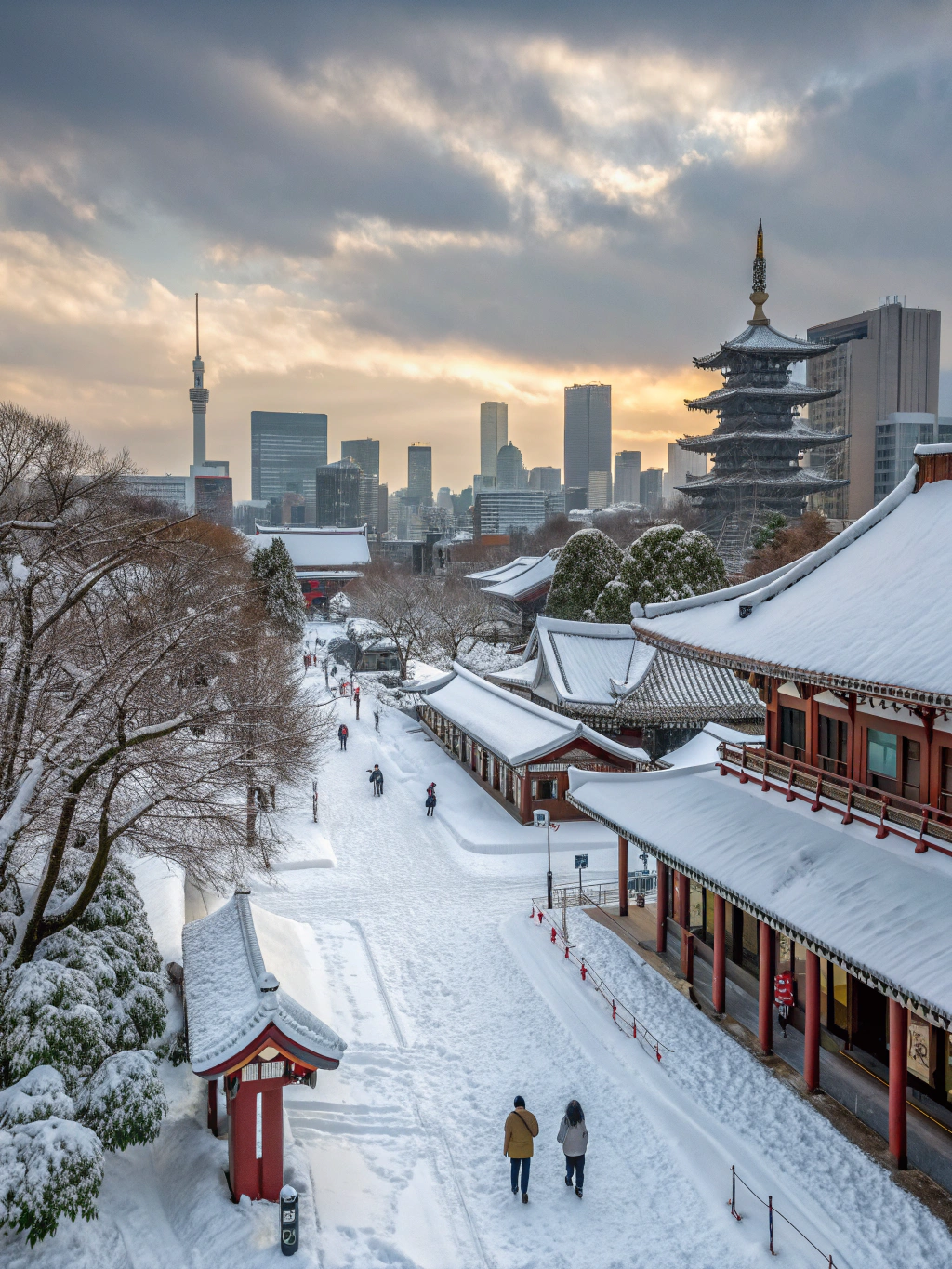
Tokyo doesn’t get heavy snow often, but when it does, temples and shrines transform into something magical. Even without snow, winter’s bare trees and crisp air give these sacred spaces a completely different energy compared to other seasons.
Sensō-ji Temple in Asakusa looks stunning year-round, but winter mornings bring fewer crowds and this peaceful atmosphere that’s hard to find during peak seasons. The giant red lantern, the incense smoke in cold air, the sound of visitors cleansing their hands with icy water—it all hits different in winter.
Meiji Shrine surrounded by forest offers this incredible escape from urban chaos, and winter strips away the green leaves to reveal the architectural details usually hidden. The gravel path crunching under your feet, your breath visible in the air, the solemnity of it all—pure Tokyo winter travel gold.
10. Experience Japanese New Year Traditions
If your timing works out, experiencing Oshōgatsu (New Year) in Tokyo is absolutely bucket-list worthy. This is Japan’s biggest holiday, and the traditions surrounding it are fascinating.
Hatsumode—the first shrine visit of the year—draws massive crowds to major shrines like Meiji Jingu and Sensō-ji. We’re talking millions of people over the first three days of January. It’s crowded, sure, but the energy is incredible. Everyone’s dressed up, buying fortunes (omikuji), and the whole city feels united in this shared cultural moment.
Traditional New Year foods like osechi ryori appear everywhere—these are elaborate boxed meals with symbolic foods meant to bring luck for the coming year. Department store food halls go all out with their osechi displays, and even if you don’t buy a full set, trying individual items gives you a taste of tradition.
Plus, many shops hold fukubukuro sales—lucky bags filled with mystery products sold at deep discounts. It’s basically gambling but with clothes and accessories, and people line up for hours before stores open. The excitement is contagious even if you’re just watching.
11. Hunt for Perfect Sushi at Tsukiji Outer Market
Yeah, the famous inner fish auction moved to Toyosu, but Tsukiji’s outer market still thrives and offers some of the best breakfast sushi you’ll ever demolish. Winter mornings here mean smaller crowds and fish that’s somehow even better (colder water = fattier, tastier fish—science!).
Wandering through the narrow lanes, you’ll find stalls selling fresh seafood, pickles, kitchen equipment, and about a million food samples being offered by enthusiastic vendors. The energy here is fantastic, very different from polished tourist attractions.
For sushi, places like Sushi Dai and Daiwa Sushi are legendary but expect waits. Honestly? Many of the smaller, less-hyped shops serve equally incredible sushi without the line. Look for places packed with locals wearing work clothes at 7 AM—those spots know what’s up. A full sushi breakfast set usually runs ¥3,000-4,000 (around $20-30), and you’ll understand why people call it the best meal in Tokyo.
Your Tokyo Winter Adventure Awaits
So yeah, if you’ve been sleeping on winter Tokyo, now’s the time to wake up and give it a shot. Between the illuminations, hot springs, cultural experiences, and incredible food (always the food), Tokyo winter travel offers something genuinely special that other seasons can’t match.
The crowds thin out, the air clears up for those Mount Fuji views, and you get this authentic glimpse of how locals actually live and celebrate during the colder months. Plus, cozying up in a warm ramen shop or soaking in an outdoor bath while snow falls? Those moments stick with you long after you’ve returned home.
Pack some layers, charge your camera, and get ready for a japan trip that’ll probably ruin winter in every other city for you. Tokyo just does it better, what can I say? 😉