How to Explore Tokyo on a Low Budget
You probably think visiting Japan drains your bank account instantly. I used to believe that too. Friends warned me that a single bowl of noodles or a subway ticket would cost an absolute fortune. They lied completely. You can absolutely pull off Tokyo on a low budget if you know exactly where to look.
I remember landing at Narita Airport clutching my wallet, terrified of the crazy price tags. Within two days, I realized surviving japan on a Budget requires strategy, not millions in the bank. Let me share exactly how I thrived and ate my weight in sushi without going broke. You just need a solid plan and a willingness to step off the beaten tourist path.
Table of Contents
Why People Think Tokyo Drinks Your Cash (And Why They’re Wrong)
People constantly label Tokyo as an ultra-expensive mega-city. IMO, London and New York easily beat it for draining your travel funds. The Japanese capital actually offers incredible layers of affordability. You hold the power. You decide exactly how much you spend by choosing where you sleep, eat, and play.
A high-end luxury trip costs thousands, but a smart backpacker trip costs pennies by comparison. I want to show you the exact tactics I use. Follow these steps, and you will save a massive chunk of change.
How to Explore Tokyo on a Low Budget
Accommodation: Sleep Cheap But Well
Where you sleep dictates your daily spend completely. The city offers weird, wonderful, and insanely cheap places to crash. Skip the big western hotel chains. They charge absurd rates for tiny rooms anyway. Stay local and save big.
Hostels vs. Capsule Hotels
I strongly recommend capsule hotels for solo travelers. You get a tiny pod, a comfortable mattress, and ultimate privacy. You usually pay around $20 to $30 a night. Plus, most capsule hotels give you free pajamas and access to a massive communal bath. Hostels work better if you crave social interaction, but you share a room with snoring strangers :/
Here is a quick comparison:
- Capsule Hotels: Max privacy, dead quiet, strict rules (they often segregate floors by gender).
- Hostels: Great for meeting people, access to common kitchens, noisy roommates.
I prefer capsules. After walking 20,000 steps around Shibuya, I just want absolute silence.
Business Hotels & Internet Cafes
Traveling with a partner? Look into local business hotels like APA or Toyoko Inn. You get a tiny, relentlessly clean private room for about $50 a night total. The price splits perfectly between two people.
Desperate times call for desperate measures. Manga kissas (internet cafes) operate 24/7 and offer private cubicles with a flat mat or reclining chair. You rent them by the hour. A full night package costs about $15. They give you unlimited free drinks, massive comic libraries, and cheap showers. I spent a night in one after missing my last train. It felt surprisingly cozy!
Fueling Up: Cheap Eats That Taste Million-Dollar
Food takes up a huge chunk of travel funds. Luckily, cheap Japanese food tastes better than expensive food in many other countries. You never have to eat dry toast to save money here.
Convenience Stores (Konbini) Rule The Streets
7-Eleven, FamilyMart, and Lawson dominate every single neighborhood. You find one on literally every corner. They sell fresh, incredible food for pocket change. I practically lived on onigiri (rice balls) during my first trip. They cost about $1 each. You grab three of those, a piece of famously juicy Famichiki (FamilyMart fried chicken), and a strong coffee for under $5.
Konbini Hacks you need to start using:
- Buy huge 2-liter bottles of green tea instead of single cups to stay hydrated cheaply.
- Wait until 8 PM when supermarkets and conbinis discount their fresh bento boxes by 50%.
- Use their free microwaves and hot water dispensers for instant ramen on the go.
Fast Food, Japanese Style
Forget Western burger joints. Hit up local fast-food chains like Yoshinoya, Matsuya, or Sukiya. They serve massive bowls of steaming rice topped with thinly sliced beef and onions (gyudon). You pay roughly $3 to $4 for a meal that fills you up completely. Add a raw egg and miso soup for an extra dollar.
You order from a touch screen machine, grab your ticket, and sit down at the counter. The staff brings your food instantly. I eat at Matsuya at least once a day when I visit to keep my budget tight.
Hunt Down Unbeatable Ramen Joints
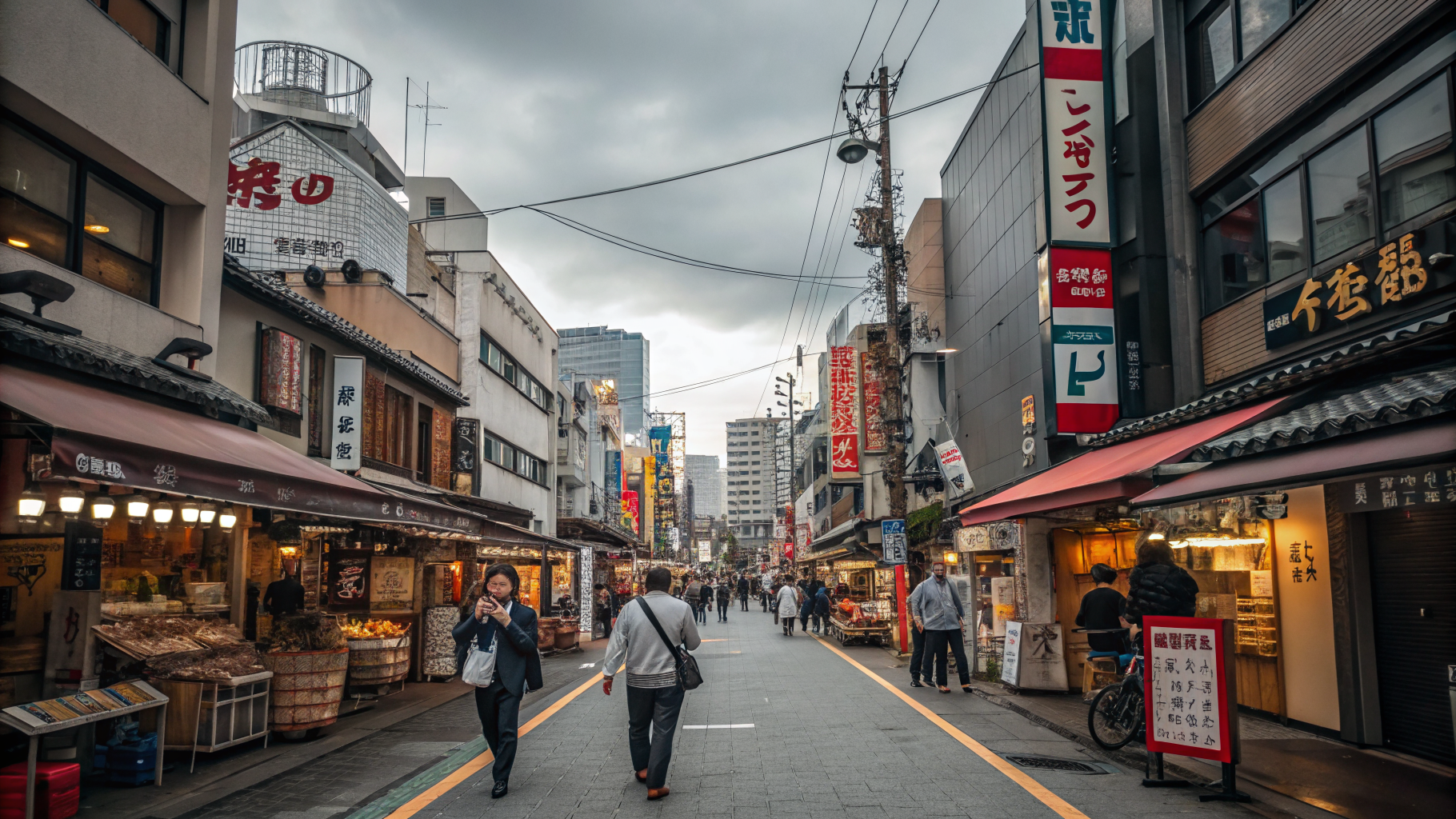
You can easily find a life-changing bowl of ramen for $6. Look for tiny, cramped shops where office workers line up outside. The longer the line of locals, the better the broth tastes. Skip the flashy tourist traps in Shinjuku crossing. Wander into the narrow alleys of Koenji or Kanda instead. You order at a ticket machine by the door, sit at a greasy counter, and slurp the best noodles of your life.
Getting Around: Transportation Hacks
Transportation costs sneak up on you fast. One wrong swipe of your transit card, and you lose $10. You need a strict transport plan to survive here.
Never Take a Taxi
Taxis run off meters that spin faster than a roulette wheel. I took a 10-minute taxi ride once because rain poured down heavily. It cost me $25. Learn from my mistake. The train system goes literally everywhere you need to go. Subways stop around midnight, so always plan your night out around the last train schedule. Walk, run, or rent a cheap city bike if you need to move after hours.
Suica Cards and Smart Passes
Buy a Suica or Pasmo digital card the second you arrive at the airport. You load cash onto it and tap through the gates quickly. It saves you the massive headache of deciphering paper ticket machines.
However, individual subway rides add up quickly. If you plan to bounce around the city all day, buy a Tokyo Subway Ticket (24, 48, or 72 hours). A 24-hour pass gives you unlimited subway rides for under $6. FYI: This specific pass only covers Tokyo Metro subways, not the above-ground JR trains! Check your route map before you buy one.
Just Use Your Feet
I absolutely love walking between neighborhoods. You miss so much magic while stuck underground. Walking from Harajuku down to Shibuya takes 20 minutes and takes you through completely wild side streets. You spot eccentric street fashion, tiny hidden shrines, and amazing street art. Plus, walking burns off all those heavy ramen calories.
Free & Dirt-Cheap Attractions
Big observation decks and anime museums charge steep entry fees. Ignore them completely. The best parts of the city cost absolutely nothing. You experience true culture just by existing in the public spaces.
Breathtaking Skyline Views for Zero Yen
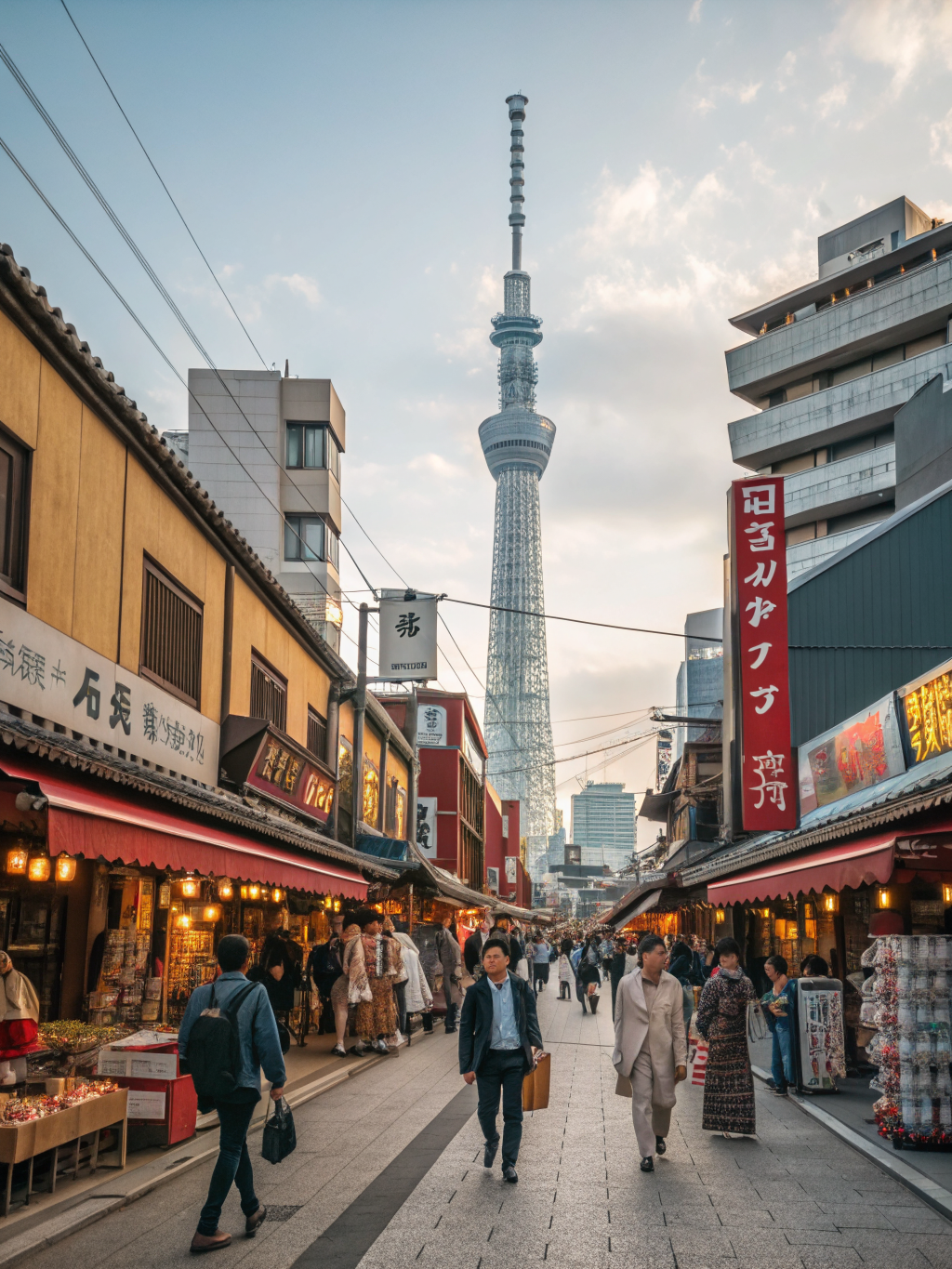
Tourists flock to the Skytree and pay over $20 just to look out a window. What an incredible waste of cash. Instead, ride the elevator up the Tokyo Metropolitan Government Building in Shinjuku. The government opens their massive observation decks to the public totally free of charge. You get panoramic views of the entire skyline. On clear days, you can even spot Mount Fuji in the distance. I go here at sunset during every single trip. The slow transition from day to neon-lit night looks spectacular.
Temples and Ancient Shrines
Kyoto gets all the credit for history, but the capital holds incredible spiritual sites too. Senso-ji in Asakusa represents the oldest Buddhist temple in the city. You walk through the giant red Thunder Gate and explore ancient, breathtaking architecture. Meiji Shrine sits in the middle of a massive, peaceful forest. You instantly forget that millions of people surround you. Both sites cost zero yen to enter. You only pay a few coins if you want to draw a paper fortune.
Parks and Wild People Watching
Yoyogi Park offers the absolute best free entertainment on Sunday afternoons. You see dancing rockabilly crews, gothic lolitas posing for photos, and massive poodle meetups. Grab a cheap drink from a vending machine, find a bench under a tree, and watch the fantastic chaos unfold. Ueno Park holds massive paid museums, but simply walking around the giant lotus pond creates a perfect, cost-free afternoon.
Shopping & Souvenirs Without the Guilt
You want souvenirs, strange snacks, and cool gadgets to take home. Regular department stores drain your budget incredibly fast. You need alternative shopping spots.
Shop at Don Quijote (Donki)
Welcome to the wildest store on planet Earth. Don Quijote sells everything from matcha KitKats and luxury watches to weird face masks and rolling luggage. They stack products up to the ceiling. The store theme song plays on an endless, maddening loop. It feels completely overwhelming and absolutely amazing.
You buy all your souvenirs here. A huge bag of Japanese candy costs $2. I buy my skincare, strange snacks, and quirky gifts strictly at Donki. Plus, they offer amazing tax-free shopping for tourists at the register.
100-Yen Shops Rule Everything
Daiso, Seria, and Can Do represent the dollar stores of your absolute dreams. They sell beautifully designed ceramics, wooden chopstick sets, cute stationary, and essential travel gear. Almost every single item costs exactly 100 yen (less than $1). You grab ten gorgeous bowls and plates, and you only spend $10 at the checkout. I constantly restock my home office supplies at Daiso because the quality beats western equivalents hands down.
Thrift Shopping in Shimokitazawa
Skip the massive luxury malls in Ginza right now. Hunt down vintage clothing in Shimokitazawa instead. This bohemian neighborhood packs hundreds of tiny thrift stores into incredibly narrow streets. You find pristine retro jackets, cheap vintage denim, and cool old band tees. Even if you buy nothing at all, browsing the jam-packed racks provides hours of free entertainment.
Enjoying the Legendary Nightlife on a Dime
The city transforms completely at night. The neon signs spark to life, and the alleyways fill with incredible energy. You desperately need to experience the after-dark culture. Fancy clubs charge massive cover fees, and high-end cocktail bars demand $20 a drink. You avoid all that noise and party like a smart local.
Izakaya Alleyways (Yokocho)
An izakaya acts as a casual Japanese gastropub. Locals pack into tiny wooden stalls, drink cheap cold beer, and eat delicious grilled chicken skewers (yakitori). Piss Alley (Omoide Yokocho) in Shinjuku offers a raw, brilliant, and authentic vibe. You sit shoulder-to-shoulder with tired businessmen. The savory skewers cost practically nothing. You drop maybe $15 for a solid, filling night of eating and drinking. Thick smoke fills the narrow street, and everyone talks loudly. I adore the chaotic atmosphere.
Karaoke Box Bargains
You cannot leave this country without singing karaoke at least once. Prime time evening slots cost a decent amount, but you easily outsmart the system. Rent a karaoke room during “Free Time” late at night or very early in the morning. Many spots offer unlimited singing from midnight until 5 AM for a flat, cheap rate of $10. You get a private room, tambourines, and endless fun. Bring your own cheap conbini snacks and belt out songs until your voice gives out completely.
Extra Money-Saving Tactics You Must Use
Travel requires constant daily decisions. A few clever daily habits keep your spending incredibly low while maximizing your fun.
- Carry a coin purse: Japan remains a heavily cash-based society for millions of small purchases. You accumulate mountains of heavy coins fast. Use them! Vending machines and conbinis gladly accept your exact change.
- Drink the tap water: The tap water tastes remarkably great and perfectly safe. Bring a reusable water bottle from home. You easily save $5 a day by ignoring the temptation of endless vending machines.
- Hit up local festivals: Matsuri (street festivals) happen constantly year-round. They provide free street entertainment, incredible neighborhood vibes, and super cheap, delicious street food. Search online for local festivals happening exactly during your travel dates.
- Skip expensive breakfasts: Hotels heavily overcharge for basic breakfast buffets. Head to a local old-school coffee shop for a “Morning Set.” You get thick delicious toast, a simple boiled egg, and hot black coffee for barely $3.
Wrapping It Up
Traveling through this amazing country does not require trust funds or massive savings accounts. You eat top-tier food at convenience stores, sleep soundly in futuristic capsule pods, and explore ancient temples for precisely zero dollars. You control your budget completely. Keep my tactics in mind, ditch the expensive tourist traps, and embrace the local way of living.
I challenge you to pack your bags and book that flight. The neon streets and fantastic bowls of ramen wait for you! What do you think about these tips? Give them a shot on your next adventure, and let your wallet breathe a massive sigh of relief. 🙂