12 Traditional Japanese Recipes to Experience True Japanese Cuisine
Ever find yourself dreaming about slurping authentic ramen in a tiny Tokyo street stall, or biting into perfectly crispy tempura? Yeah, me too. There’s something absolutely magical about Japanese food that goes way beyond what you’ll find at your average sushi spot. The umami-packed flavors, the attention to detail, the perfect balance of textures—it’s basically edible art.
Here’s the thing: you don’t need to book a flight to Japan to experience real Japanese cooking. With the right Traditional Japanese recipes, you can transform your kitchen into your own little izakaya. Whether you’re craving something comforting like miso soup or want to impress your friends with homemade gyoza, I’ve got you covered. This guide will walk you through 12 authentic dishes that’ll give you a genuine taste of Japan—no passport required.
Table of Contents
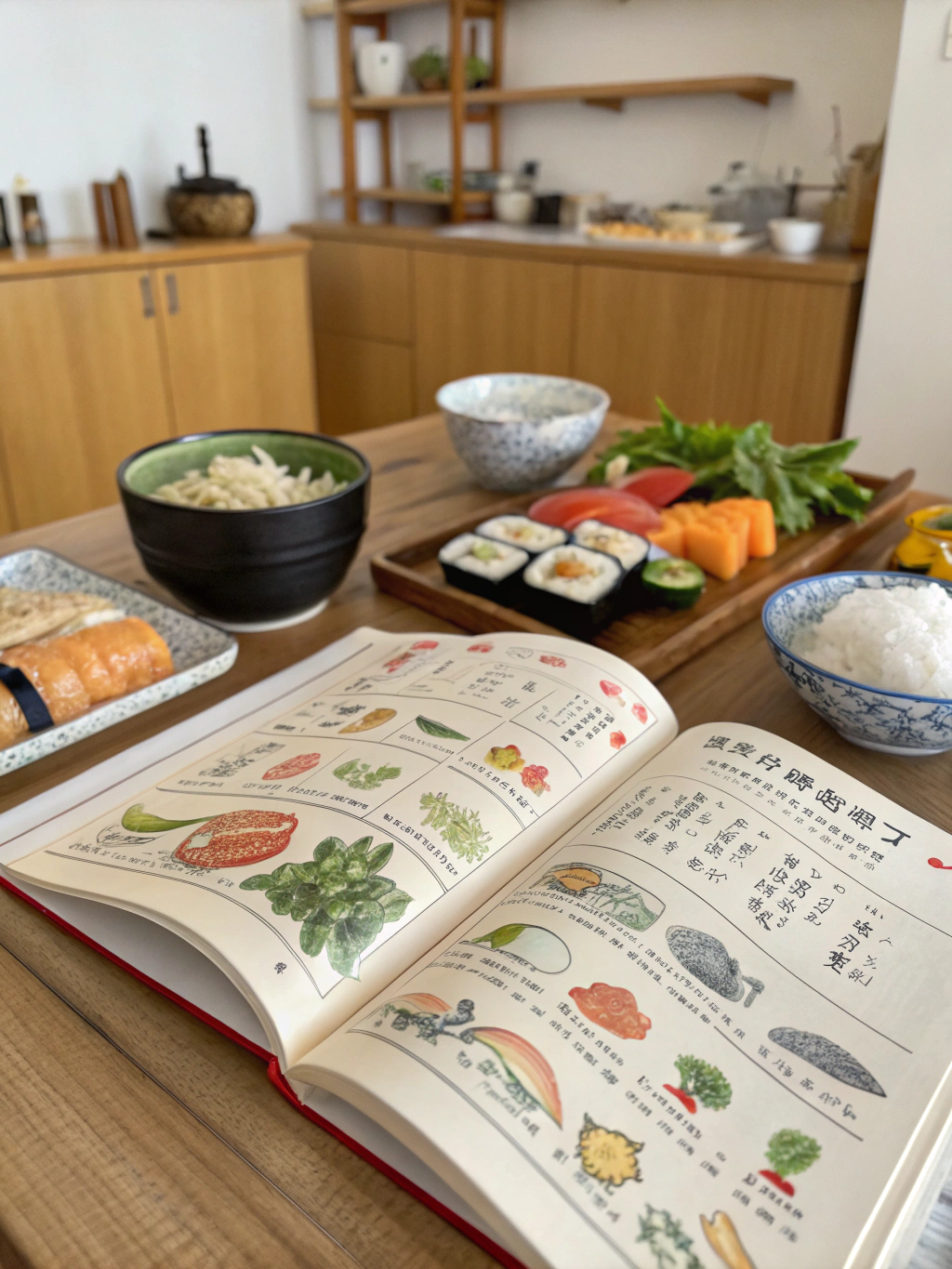
Why Traditional Japanese Recipes Matter
Let’s be real—Japanese cuisine isn’t just about sushi rolls and teriyaki chicken (though I love those too). It’s a whole culinary philosophy that values seasonal ingredients, minimal processing, and bringing out natural flavors. When you cook authentic Traditional Japanese recipes, you’re tapping into centuries of refined cooking techniques.
The beauty of Japanese cuisine? It respects simplicity. You won’t find twenty ingredients fighting for attention in one dish. Instead, each component plays a specific role, creating harmony on your plate. Plus, many Japanese dishes are surprisingly healthy—lots of vegetables, fermented foods, and lean proteins that actually fuel your body instead of weighing you down.
IMO, learning these recipes opens up your entire cooking game. Once you understand the basics of dashi broth or how to properly season rice, you’ll start seeing connections to other Asian recipes too.
Essential Ingredients for Your Japanese Recipes
Before we jump into specific dishes, let’s talk pantry essentials. You don’t need a million specialty items, but these staples will set you up for success:
Soy sauce (shoyu) forms the backbone of countless recipes. Get both regular and low-sodium versions for flexibility.
Miso paste brings that deep, savory umami punch. White miso is milder and slightly sweet, while red miso packs more intensity.
Mirin adds a subtle sweetness that balances salty elements perfectly. Don’t skip it—the flavor won’t be quite right without it.
Rice vinegar provides gentle acidity without overwhelming other flavors. Way less harsh than white vinegar.
Dashi (fish stock) is the foundation of Japanese soups and sauces. You can buy instant dashi powder or make it from scratch with kombu and bonito flakes.
Sesame oil delivers that nutty, toasted flavor that makes everything taste more authentic.
Stock these basics and you’re 80% of the way there for most traditional dishes. The rest you can grab fresh as needed.
Quick & Easy Japanese Dishes
1. 15-Minute Miso Soup
This comforting soup literally takes longer to describe than to make. Heat dashi broth, whisk in miso paste (don’t boil it after adding miso or you’ll kill the probiotics!), then add cubed tofu and sliced green onions. That’s it. Seriously. The key? Quality miso makes all the difference.
Ingredients:
- Dashi broth
- Miso paste (white or red)
- Firm tofu, cubed
- Green onions, sliced
- Optional: wakame seaweed or mushrooms
Steps:
- Heat dashi broth in a pot until warm (don’t bring to a boil)
- Turn heat to low and whisk in miso paste until fully dissolved
- Add cubed tofu and let warm through for 1-2 minutes
- Add sliced green onions
- Serve immediately (don’t boil after adding miso to preserve probiotics)
2. Simple Chicken Yakitori
Yakitori is basically Japanese-style grilled chicken skewers, and they’re ridiculously addictive. Cut chicken thighs into bite-sized pieces, thread them onto skewers, then brush with a sauce made from soy sauce, mirin, sake, and a touch of sugar. Grill or broil until charred and glossy.
Ingredients:
- Chicken thighs, cut into bite-sized pieces
- Soy sauce
- Mirin
- Sake
- Sugar
- Bamboo or metal skewers
Steps:
- Cut chicken thighs into bite-sized pieces
- Thread chicken pieces onto skewers
- Mix soy sauce, mirin, sake, and sugar to make the glaze
- Brush skewers generously with the sauce
- Grill or broil until charred and glossy, brushing with more sauce as they cook
- Serve hot
Iconic Traditional Japanese Recipes
3. Authentic Ramen from Scratch
Okay, full disclosure—truly authentic ramen takes time. We’re talking hours of simmering bones for that creamy broth. But here’s my take: even a simplified version beats most restaurant bowls. Start with a rich chicken broth. Add miso or soy sauce for your flavor base. Cook your noodles separately (never in the broth—that’s sacrilege). Then pile on toppings: soft-boiled eggs, bamboo shoots, corn, green onions, and nori.
Ingredients:
- Rich chicken broth
- Miso or soy sauce
- Fresh ramen noodles
- Soft-boiled eggs
- Bamboo shoots
- Corn
- Green onions
- Nori seaweed
- Optional toppings as desired
Steps:
- Prepare a rich chicken broth (simmer for several hours for best flavor)
- Add miso or soy sauce to create your flavor base
- Cook ramen noodles separately according to package directions
- Prepare toppings: soft-boil eggs, slice green onions, prepare other vegetables
- Assemble bowls: place cooked noodles in bowl, ladle hot broth over them
- Add all toppings and serve immediately
4. Crispy Shrimp and Vegetable Tempura
Tempura looks intimidating but follows a simple formula: ice-cold batter + hot oil = crispy perfection. The secret? Keep your batter lumpy and barely mixed. Overmixing develops gluten, which makes it heavy instead of light and airy.
Ingredients:
- Large shrimp, peeled and deveined
- Sweet potato, sliced
- Zucchini, sliced
- Mushrooms
- Green beans
- Ice-cold water
- Flour
- Egg
- Vegetable oil for frying
- Tentsuyu sauce (dashi, soy sauce, mirin)
Steps:
- Butterfly shrimp but leave tails on
- Prepare vegetables by slicing into uniform pieces
- Make batter: mix ice-cold water, egg, and flour until just combined (keep it lumpy!)
- Heat oil to 350°F (175°C)
- Dip shrimp and vegetables in batter, shake off excess
- Fry in small batches until light golden and crispy
- Drain on paper towels
- Serve immediately with tentsuyu dipping sauce
5. Homemade Sushi Rolls
Making sushi at home is way less scary than you think. Sure, it takes practice to roll them tightly, but even wonky rolls taste amazing. The real trick is the rice—season it properly with vinegar, sugar, and salt while it’s still warm, then let it cool to room temperature.
Ingredients:
- Sushi rice
- Rice vinegar
- Sugar
- Salt
- Nori sheets
- Fillings: cucumber, avocado, cooked shrimp, or crab stick
- Soy sauce, wasabi, and pickled ginger for serving
Steps:
- Cook sushi rice according to package directions
- While rice is warm, mix in rice vinegar, sugar, and salt
- Let rice cool to room temperature
- Place nori sheet shiny side down on bamboo mat
- Spread rice evenly over nori, leaving 1 inch at the top
- Add fillings in a line across the center
- Roll tightly using the bamboo mat
- Wet a sharp knife and slice into 6-8 pieces
- Serve with soy sauce, wasabi, and pickled ginger
Comfort Food Classics
6. Savory Okonomiyaki Pancakes
Think of okonomiyaki as a savory cabbage pancake that you can customize however you want. The base is shredded cabbage, flour, eggs, and dashi. Then you add whatever sounds good—shrimp, cheese, mochi, kimchi—go wild! Cook it like a thick pancake, flip it once, then top with okonomiyaki sauce, Japanese mayo, bonito flakes, and seaweed.
Ingredients:
- Cabbage, shredded
- Flour
- Eggs
- Dashi
- Fillings: shrimp, cheese, mochi, kimchi (your choice)
- Okonomiyaki sauce
- Japanese mayonnaise
- Bonito flakes
- Aonori (seaweed flakes)
Steps:
- Mix shredded cabbage, flour, eggs, and dashi to form batter
- Add your choice of fillings to the batter
- Heat a griddle or large pan over medium heat
- Pour batter to form a thick pancake
- Cook until bottom is golden, then flip
- Cook other side until golden and cooked through
- Top with okonomiyaki sauce, Japanese mayo, bonito flakes, and seaweed
- Serve hot
7. Classic Beef Gyudon
Gyudon (beef bowl) is Japanese fast food done right. Thinly sliced beef simmers in a sweet-savory sauce with onions, then gets served over steaming rice. The whole thing comes together in about 15 minutes, making it perfect for weeknight dinners.
Ingredients:
- Thinly sliced beef (shabu-shabu style)
- Onions, sliced
- Soy sauce
- Mirin
- Sake
- Sugar
- Dashi
- Steamed rice
- Soft-poached eggs (optional)
- Pickled ginger
Steps:
- Mix soy sauce, mirin, sake, sugar, and dashi in a pan
- Bring sauce to a simmer
- Add sliced onions and cook until softened
- Add thinly sliced beef and cook until just done
- Serve over steaming hot rice
- Top with soft-poached egg and pickled ginger if desired
Special Occasion Dishes
8. Delicate Chawanmushi
Chawanmushi is a savory egg custard that’s silky-smooth and packed with little treasures—shrimp, chicken, mushrooms, and ginkgo nuts. It’s steamed rather than baked, giving it an incredibly delicate texture. The ratio is key: about 3 parts dashi to 1 part egg.
Ingredients:
- Eggs
- Dashi (3 parts dashi to 1 part egg)
- Shrimp
- Chicken, diced
- Shiitake mushrooms, sliced
- Ginkgo nuts (optional)
- Soy sauce
- Mirin
Steps:
- Beat eggs gently with dashi, soy sauce, and mirin
- Strain mixture through a fine sieve to remove lumps
- Place shrimp, chicken, and mushrooms in heatproof cups
- Pour egg mixture over fillings
- Cover cups with foil
- Steam gently for 12-15 minutes until just set (should wobble slightly)
- Serve warm
Sweet Treats to Finish
9. Homemade Mochi
Making mochi from scratch is honestly a workout, but watching that sticky rice flour transform into chewy, pillowy goodness is so satisfying. Mix sweet rice flour with water and sugar, microwave or steam until it forms a sticky mass, then knead it while it’s still hot (dust your hands with cornstarch or you’ll regret it).
Ingredients:
- Sweet rice flour (mochiko)
- Water
- Sugar
- Cornstarch for dusting
- Fillings: sweet red bean paste, ice cream, or kinako powder
Steps:
- Mix sweet rice flour with water and sugar
- Microwave or steam until mixture forms a sticky, translucent mass
- Dust work surface and hands generously with cornstarch
- Knead the hot mochi while it’s still warm (be careful, it’s hot!)
- Divide into portions
- Flatten each portion and wrap around filling of choice
- Dust with more cornstarch or kinako powder
10. Simple Dorayaki
These pancake sandwiches filled with sweet bean paste are basically Japanese comfort desserts. The pancakes are thicker and spongier than American ones, with a hint of honey sweetness. Spread anko (sweet red bean paste) between two pancakes, and you’ve got a classic treat.
Ingredients:
- Flour
- Eggs
- Sugar
- Honey
- Baking powder
- Milk
- Anko (sweet red bean paste)
Steps:
- Serve at room temperature
- Whisk together eggs, sugar, and honey
- Add flour, baking powder, and milk; mix until smooth
- Let batter rest for 15 minutes
- Heat a non-stick pan over low-medium heat
- Pour small circles of batter to make thick pancakes
- Cook until bubbles form on surface, then flip
- Cook other side until golden
- Let pancakes cool
- Spread anko between two pancakes to make a sandwich
Tips for Nailing Japanese Flavors
Balance is everything. Japanese cuisine constantly plays sweet against salty, rich against light, soft against crunchy. When a dish tastes “off,” it usually needs better balance, not more ingredients.
Don’t rush the rice. Whether you’re making sushi rice or plain steamed rice for a beef bowl, properly cooked rice is non-negotiable. Rinse it until the water runs clear, use the right water ratio for your rice type, and let it rest after cooking.
Taste as you go. Especially with sauces and broths, you want to adjust seasonings gradually. It’s way easier to add more than to fix an over-seasoned dish.
Presentation matters. You don’t need to go full kaiseki, but taking an extra minute to arrange things nicely really does enhance the experience. It’s part of respecting the food and the people you’re feeding.
Use fresh ingredients. Japanese cuisine relies on letting quality ingredients shine. Tired vegetables or old seafood will drag down even the best recipe.
Making Japanese Cooking Work for You
Here’s the reality: not every recipe needs to be perfectly authentic to be delicious. If you can’t find fresh shiso leaves, use basil. Don’t have sake? A dry white wine works in a pinch. The cooking police won’t arrest you for reasonable substitutions.
That said, certain ingredients really do make a difference. Real mirin beats “mirin-like seasoning” every time. Actual dashi tastes infinitely better than just using water. Invest in the foundational stuff, and improvise on the details.
Start with the easier Japanese recipes like miso soup or simple Yakitori. Build your confidence and your pantry simultaneously. Once you’ve nailed a few basics, the more complex dishes won’t feel so intimidating.
And honestly? Even “failed” Japanese food usually tastes pretty damn good. The flavor combinations are forgiving, and home cooking doesn’t need to look Instagram-perfect to satisfy your taste buds.
Wrapping It Up
Japanese recipes offers something for everyone—quick weeknight dinners, impressive weekend projects, healthy lunches, indulgent treats. Learning these Traditional Japanese recipes doesn’t just expand your cooking repertoire; it teaches you a whole different approach to food.
You start noticing umami in everything. You appreciate simplicity instead of always chasing complexity. You understand that cooking is as much about respecting ingredients as it is about technique.
So grab some miso paste, stock up on soy sauce, and start experimenting. Your kitchen is about to smell amazing, and your dinner game is about to level up seriously. Whether you’re craving a steaming bowl of ramen or crispy tempura, you now have the roadmap to make it happen.
Trust me—once you nail your first batch of homemade gyoza or perfectly seasoned sushi rice, you’ll wonder why you didn’t start cooking Japanese food sooner. Now get in that kitchen and make something delicious! 😉