11 Mistakes to Avoid While Traveling in Asia During Fall
I’ve seen travelers (myself included, oops) make some pretty rookie mistakes that turned their Asia Trip from Instagram-perfect to “why-did-I-book-this” territory. Whether you’re planning your first adventure or you’re a seasoned wanderer, knowing what not to do can save you time, money, and a whole lot of stress. Trust me, you don’t want to be that person stuck in monsoon rain because you didn’t check the weather patterns, or miss out on Diwali because you didn’t research local festivals.
In this post, I’m breaking down the 11 biggest mistakes people make when Traveling in Asia During Fall—and more importantly, how to dodge them like a pro. From packing fails to booking blunders, cultural mishaps to budget traps, I’ve got you covered. Let’s make sure your autumn Asian adventure is everything you’ve dreamed of (and then some).
Table of Contents
1. Thinking All of Asia Has the Same Fall Weather
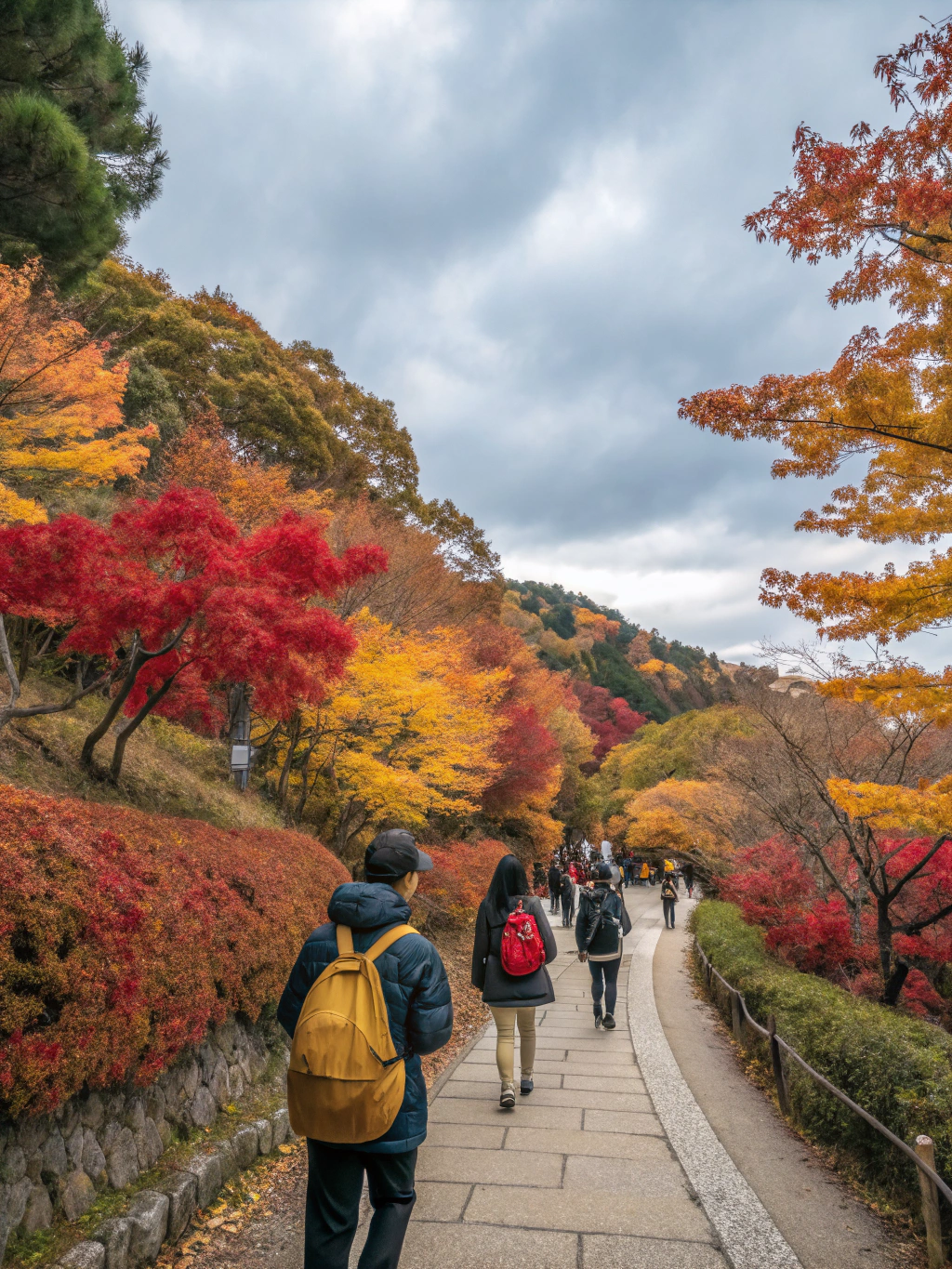
Here’s mistake number one, and it’s a whopper: assuming that fall weather is consistent across Asia. Spoiler alert—it’s not even close.
Japan might be serving up crisp, cool days perfect for temple hopping, while Thailand’s still dealing with tail-end monsoon rains. Northern India experiences pleasant autumn vibes, but Southeast Asia? Still pretty steamy and humid. I learned this the hard way when I packed exclusively light sweaters for a trip that included both Chiang Mai (still tropical) and Seoul (legitimately chilly).
Do your homework on each specific destination. Check weather patterns for the exact regions you’re visiting during your travel dates. Fall technically runs September through November, but that means totally different things in Tokyo versus Bali. Layer your clothing so you can adjust, and always pack a lightweight rain jacket—because surprise showers don’t care about your itinerary.
The temperature swings can be wild too. Mornings in the Himalayas might require a jacket, while afternoons get toasty. Meanwhile, coastal areas stay warm but humid. Bottom line? Research each location individually, not Asia as one giant weather zone.
2. Skipping Travel Insurance Because “It’s Just a Short Trip”
Look, I get it. Travel insurance feels like one of those “extra” expenses you can skip to save a few bucks. But when you’re heading to Asia during fall, it’s honestly non-negotiable.
Fall brings its own set of risks—typhoons in East Asia, festival-related transportation chaos, and even political demonstrations in some regions. I’ve had friends miss connecting flights due to sudden weather closures and others deal with food poisoning that required hospital visits. Without insurance, these situations go from inconvenient to financially devastating.
Get comprehensive travel insurance that covers medical emergencies, trip cancellations, lost luggage, and natural disasters. Read the fine print about adventure activities too—if you’re planning to trek in Nepal or scuba dive in Indonesia, make sure you’re covered. Seriously, this small investment can save you thousands if things go sideways. Don’t be penny-wise and pound-foolish here.
3. Ignoring Visa Requirements Until the Last Minute
Nothing kills travel buzz faster than realizing you need a visa and you’re leaving in three days. Asia’s visa requirements are all over the map—some countries offer visa-on-arrival, others require advance applications, and some have special e-visa systems.
I once nearly missed a trip to Vietnam because I didn’t realize their e-visa process takes a few days to process. Meanwhile, my friend sailed through Japan’s visa-free entry for Americans. The rules change based on your nationality, length of stay, and sometimes even which passport you’re using if you have dual citizenship.
Check visa requirements at least 6-8 weeks before departure. Visit official embassy websites (not sketchy third-party sites). Some countries like India, China, and Myanmar have specific requirements during fall festival seasons. Factor in processing times, required documents, and fees. Pro tip: keep digital and physical copies of all your travel documents in separate places. You’ll thank me later.
4. Packing Only Summer Clothes
This mistake ties back to the weather assumption, but it deserves its own callout. Too many travelers pack like they’re hitting the beach when fall in many Asian regions requires actual layers.
Sure, parts of Southeast Asia stay warm, but evenings cool down, especially in mountainous areas. Japan, Korea, and northern China get legitimately cold in late October and November. Temple visits often require covered shoulders and knees regardless of temperature, so those tank tops won’t cut it anyway.
Pack strategically with layers: lightweight long-sleeves, a versatile jacket, comfortable walking shoes (your feet will log serious miles), and at least one outfit suitable for temples and formal sites. Throw in a scarf—it’s clutch for chilly mornings, covering up in religious sites, and adding style to photos. Skip the bulky items and choose pieces that mix and match. And FYI, you can always buy affordable clothes in Asian markets if you packed wrong—it’s actually kinda fun. 🙂
5. Booking Flights and Hotels at the Last Minute During Festival Season
Fall in Asia = festival central. Diwali, Mid-Autumn Festival, Loy Krathong, Chuseok—the list goes on. These celebrations are absolutely worth experiencing, but they also mean jacked-up prices and fully booked accommodations if you don’t plan ahead.
I tried booking a hotel in Chiang Mai two weeks before Loy Krathong once. Everything decent was either booked solid or priced at triple the normal rate. The same goes for flights—prices spike around major holidays and school breaks.
Book your flights and accommodation 2-3 months in advance if you’re traveling during festival times. Research which festivals happen when and where, then decide if you want to be there for them (amazing experience but crowded and pricey) or avoid them (better deals, fewer tourists, but you’ll miss the cultural spectacle). Use fare alerts and flexible date searches to snag deals. Consider staying slightly outside main festival areas and taking public transport in—saves money and you still get the experience.
6. Underestimating Regional Monsoon Seasons
Not all monsoons happen in summer, folks. Several Asian regions experience fall monsoons or tail-end rainy seasons that can seriously dampen your plans (pun intended).
The Philippines faces typhoon season through November. Parts of Thailand, Vietnam, and India still get heavy rainfall in early fall. These aren’t just light showers—we’re talking flooding, transportation shutdowns, and canceled tours. I’ve seen entire coastal areas close down due to storms, leaving travelers scrambling to rebook everything.
Check the specific monsoon patterns for each destination on your itinerary. Don’t just Google “Asia monsoon season”—drill down to the region and even the specific coast (east vs. west can differ dramatically). Build flexibility into your schedule so you can pivot if weather goes rogue. Book refundable accommodations when possible, and have backup indoor activities planned. Nobody wants to spend their vacation stuck in a hotel lobby watching rain. :/
7. Neglecting Cultural Research and Etiquette
Asia’s incredible cultural diversity means etiquette varies wildly from country to country—even city to city. What’s perfectly fine in one place might be seriously offensive in another.
Taking off your shoes, how you hand over money, which hand you eat with, how you dress in religious sites, photographing people—all these things have cultural rules. I’ve watched tourists unknowingly disrespect temples by wearing inappropriate clothing or pointing their feet at Buddha statues (big no-no in Buddhist cultures). It’s not just about avoiding offense; understanding local customs makes your experience way richer and opens doors to genuine connections.
Spend time researching cultural norms before you arrive. Learn basic phrases in the local language (even just “hello,” “thank you,” and “sorry” go a long way). Understand tipping customs—some places find it rude, others expect it. Respect dress codes at religious sites without exception. When in doubt, observe locals and follow their lead. Show genuine respect for traditions, especially during festival seasons when cultural significance runs deep. Trust me, locals notice and appreciate when travelers make the effort.
8. Relying Solely on Credit Cards
Cashless societies are growing, but Asia during fall still runs heavily on cash, especially outside major cities and during festival markets.
Street food vendors, small guesthouses, local transportation, market stalls, temple donations—most don’t accept cards. I learned this trying to buy amazing street snacks in Vietnam with nothing but plastic in my wallet. Total buzzkill.
Carry cash in local currency, but not all at once. Stash it in multiple places—wallet, money belt, hotel safe. Use ATMs in secure locations like banks or malls rather than random street machines. Notify your bank about your travel dates to avoid frozen cards (happened to me in Japan—not fun). Keep small bills handy because breaking large notes can be difficult at small vendors. Some countries still use cash for visa-on-arrival fees too, so have that ready. Balance is key: enough cash for daily needs, but not so much that losing your wallet ruins your trip.
9. Skipping Necessary Vaccinations and Health Prep
Health prep isn’t glamorous, but it’s crucial for Traveling in Asia During Fall. Different regions carry different health risks, and fall doesn’t eliminate them.
Dengue fever, malaria, typhoid, hepatitis A and B, Japanese encephalitis—these aren’t just scary words, they’re real risks in various Asian regions. Some vaccines require multiple doses over several weeks, so last-minute appointments won’t cut it. Plus, you’ll want malaria prophylaxis if heading to certain areas, and that requires advance prescription.
Visit a travel medicine clinic 6-8 weeks before departure. Bring your itinerary so doctors can recommend region-specific protections. Update your routine vaccinations while you’re at it. Pack a basic medical kit with anti-diarrheal meds, pain relievers, antihistamines, band-aids, and any prescription medications (in original containers with documentation). Research which hospitals or clinics serve foreigners in your destinations. Drink bottled water, be cautious with street food (though it’s usually delicious and fine—just use judgment), and pack hand sanitizer. Better safe than spending your Asia Trip in a hospital bed.
10. Trying to Cram Too Many Destinations Into Your Itinerary
FOMO is real, especially when planning an Asian adventure. You want to see Japan AND Thailand AND Vietnam AND India, all in two weeks. I feel you, but this approach guarantees burnout and airport-terminal views instead of actual experiences.
Fall travel in Asia means dealing with festival crowds, which slows everything down. Transportation between countries takes time—flights get delayed, border crossings drag, and you’ll need recovery time from travel fatigue. Racing through destinations means you’ll miss the magic that happens when you slow down and actually absorb a place.
Choose quality over quantity. Pick 2-3 destinations max for a two-week trip, or really dive deep into one country. Build in buffer days for unexpected delays or spontaneous discoveries. Remember that travel days are basically lost days—you’re not sightseeing while stuck in transit. Leave room for lazy mornings at cafes, random market wandering, and those unplanned moments that become your best memories. Asia isn’t going anywhere; you can always come back. This trip doesn’t have to be your only trip. IMO, seeing less but experiencing more always wins.
11. Forgetting to Check Local Holidays That Close Attractions
Major attractions, government offices, some restaurants, and even transportation can shut down during local holidays. Fall in Asia is packed with them, and getting caught off-guard is frustrating.
I once showed up at the Grand Palace in Bangkok on a national holiday—completely closed. Wasted half a day and had to rearrange my entire schedule. Some holidays are obvious (like Diwali in India), but others are region-specific and fly under tourist radars.
Cross-reference your travel dates with local holiday calendars for each destination. Note which days might affect your plans and schedule accordingly. Many holidays create amazing cultural experiences (parades, markets, special ceremonies), so don’t avoid them—just plan around closures. Book popular attractions in advance when possible. Have backup plans for days when things might close unexpectedly. Check whether holidays are public holidays (everything closes) or cultural holidays (life goes on but with celebrations happening). A little research saves major headaches and helps you catch amazing cultural moments instead of closed doors.
Making Your Fall Asia Adventure Unforgettable
So yeah, Traveling in Asia During Fall offers some of the most incredible experiences on the planet—gorgeous weather, vibrant festivals, stunning autumn colors, and fewer crowds than summer. But avoiding these common mistakes separates amazing trips from frustrating ones.
Do your destination-specific research, respect local cultures, prepare your health and documents in advance, pack smart layers, book early around festivals, carry cash, and build breathing room into your itinerary. These aren’t just travel tips—they’re lessons learned from real travelers (including yours truly) who’ve stumbled so you don’t have to.
Fall in Asia rewards prepared travelers with memories that’ll last forever. The temples glowing in autumn light, the festival lanterns floating into night skies, the taste of street food that somehow tastes better in cool evening air—it’s all waiting for you.
Ready to plan your Asia Trip? Take these tips, do your homework, stay flexible, and get ready for an adventure that’ll blow your mind. Trust me—you’ll thank yourself later when you’re watching the sunset over Angkor Wat or hiking through Japanese maple forests instead of dealing with preventable travel disasters. Now go book that trip and make some magic happen! 😉