6 Incredible Winter Festivals in Japan You Can’t Miss
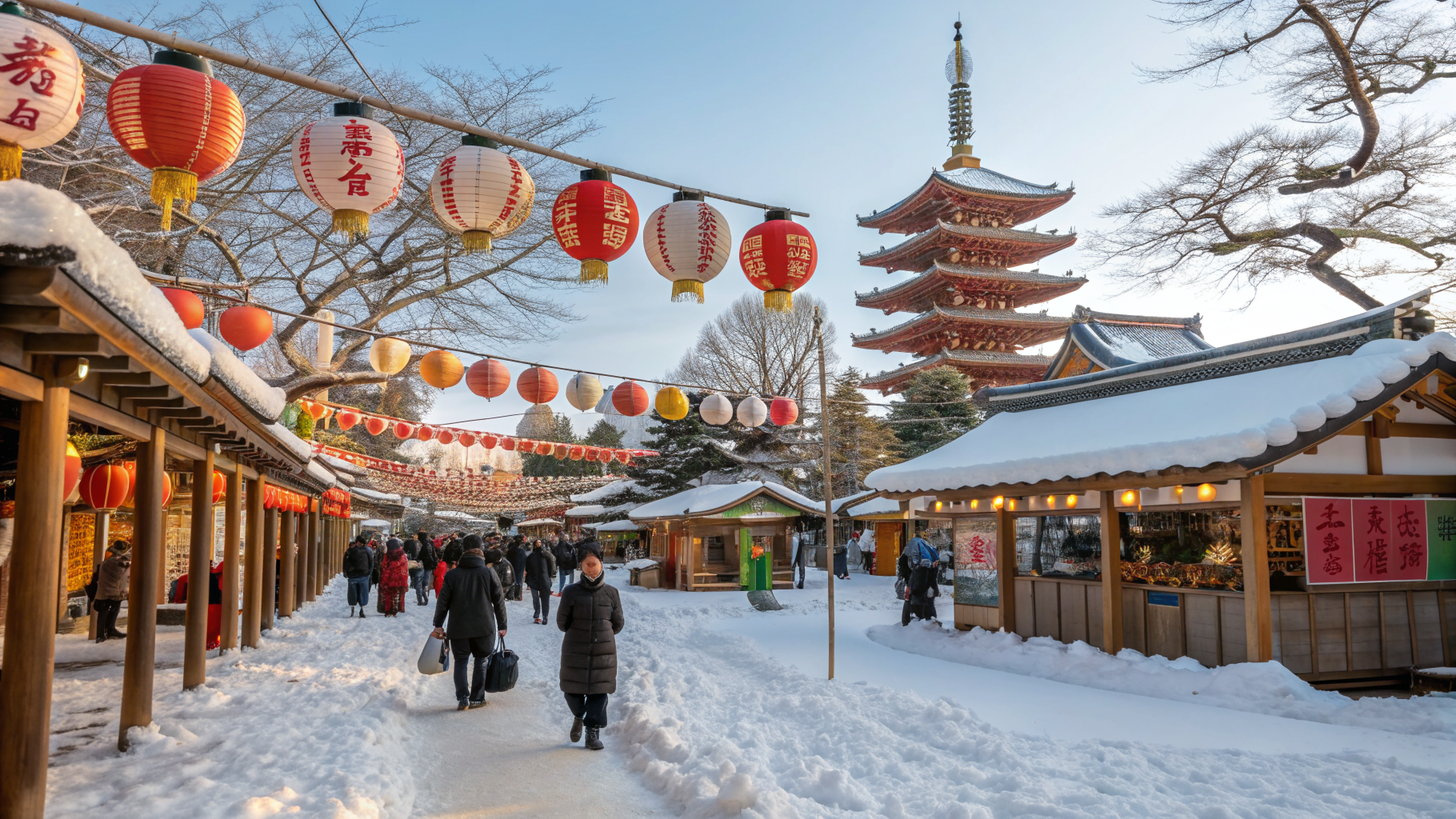
Ever wondered what magic looks like when snow meets tradition? Picture this: massive ice sculptures glowing under the night sky, thousands of lanterns floating on snowy streets, and locals dancing in traditional costumes while snowflakes fall around them. That’s winter in Japan, folks, and it’s absolutely mind-blowing.
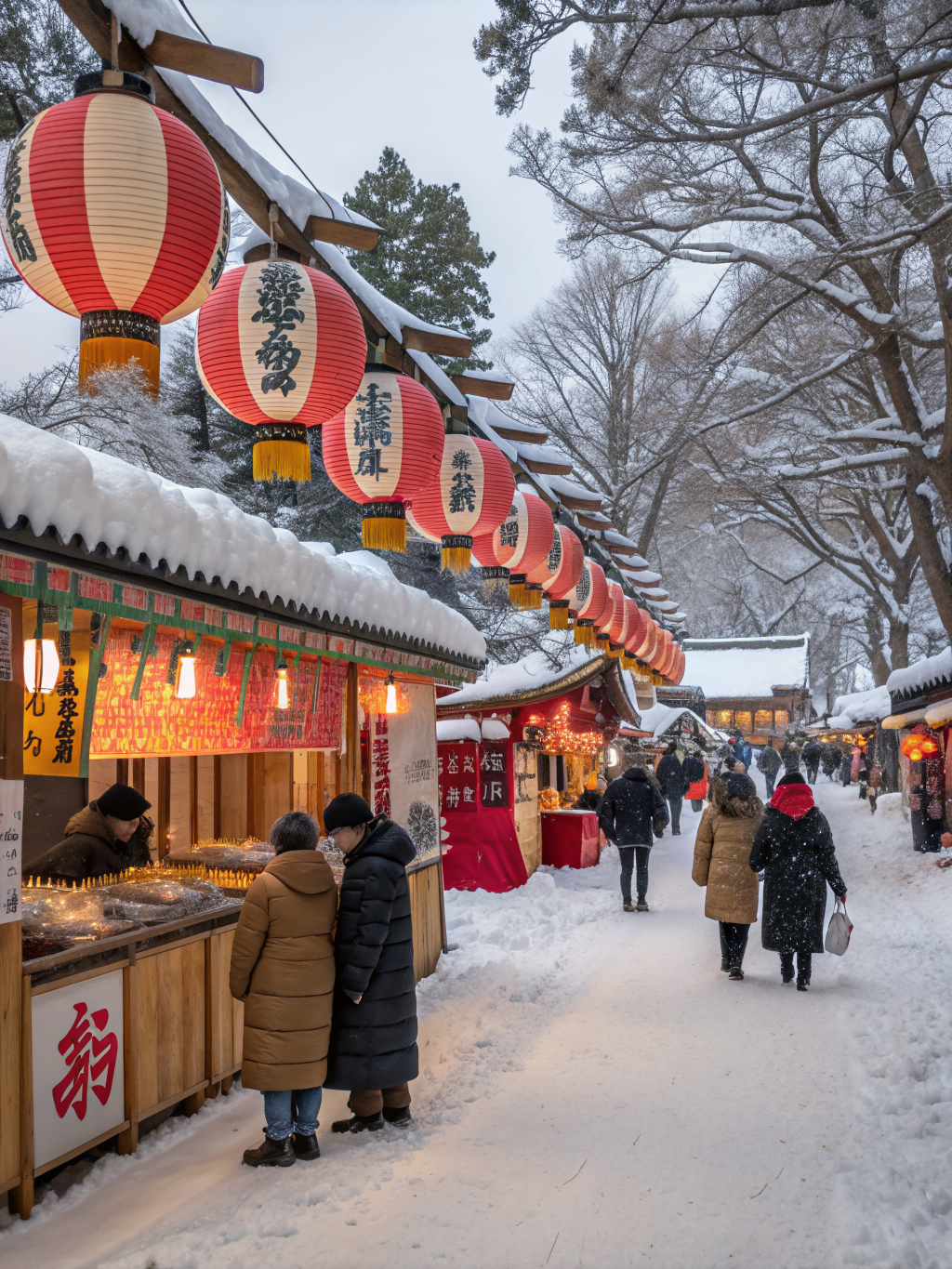
Winter in Japan isn’t just about hitting the slopes or soaking in hot springs (though those are pretty epic too). It’s about experiencing Winter Festivals in Japan that have been celebrated for centuries. These festivals aren’t your average holiday markets—they’re cultural extravaganzas that blend ancient traditions with modern flair. Whether you’re planning your first japan trip or you’re a seasoned traveler looking for something fresh, these winter festivals will give you stories you’ll be telling for years.
In this post, I’m breaking down six unmissable winter festivals that should be on every traveler’s bucket list. From the world-famous Sapporo Snow Festival to hidden gems that most tourists skip, you’ll get the full scoop on when to go, what to expect, and why each one is worth braving the cold for.
Table of Contents
Why Winter Festivals Are the Soul of Japan
Look, I get it—winter travel can be intimidating. Cold weather, shorter days, and the hassle of packing bulky jackets don’t exactly scream “vacation goals.” But here’s the thing: Winter Festivals in Japan transform the coldest months into the most enchanting time of year.
These festivals aren’t tourist traps created for Instagram likes (though your feed will definitely benefit). They’re authentic celebrations rooted in Japanese culture, history, and community spirit. Locals participate with genuine enthusiasm, and visitors get welcomed into traditions that have survived for generations.
Plus, winter means fewer crowds at most tourist spots, better deals on accommodations, and a completely different side of Japan that summer travelers miss entirely. The contrast of hot sake warming your hands while you watch fire ceremonies in freezing temperatures? That’s an experience that stays with you.
1. Sapporo Snow Festival: The Heavyweight Champion
Let’s start with the big kahuna. The Sapporo Snow Festival (Yuki Matsuri) is basically the Super Bowl of winter festivals. Held every February in Hokkaido’s capital, this week-long event attracts over two million visitors who come to gawk at the massive snow and ice sculptures.
We’re not talking about cute little snowmen here. These are enormous, incredibly detailed sculptures that can reach up to 15 meters high. Imagine intricate replicas of famous buildings, anime characters as tall as buildings, and massive snow slides for kids (and let’s be real, adults too).
The festival spreads across three main sites in Sapporo: Odori Park (the main venue), Susukino (famous for ice sculptures), and Tsudome (the family-friendly zone with snow activities). Each site has its own vibe, so you can honestly spend the whole day festival-hopping.
Pro tip: Go at night when they light up the sculptures. The whole park transforms into this otherworldly landscape that doesn’t even look real. Trust me, your camera roll will explode.
The festival typically runs for about seven days in early February, and hotels book up fast—like, months in advance fast. If you’re planning to catch this one, don’t sleep on your reservations.
2. Yokote Kamakura Festival: Sleep in an Igloo (Seriously)
Here’s something you probably haven’t done before: celebrate inside a traditional snow igloo called a kamakura. The Yokote Kamakura Festival happens every February 15-16 in Akita Prefecture, and it’s one of the most unique winter experiences in Japan.
Local families build these kamakuras all over the city—we’re talking hundreds of them. Inside each one, there’s a small altar dedicated to the water deity, and visitors are invited to sit inside, drink amazake (sweet sake), and grill mochi over charcoal. It’s cozy, it’s cultural, and it’s honestly pretty surreal.
Kids run the show here, which makes it even more charming. They’ll invite you into their kamakura, chat with you (even if language is a barrier), and share their festival traditions. It’s community hospitality at its finest.
Beyond the kamakuras, there’s also the Mini Kamakura event where thousands of small snow houses with candles create this magical lantern effect across the city. Walking through these illuminated streets feels like stepping into a fairy tale.
The festival only lasts two days, so timing is crucial. Bundle up because Yokote gets seriously cold in February, but the warmth of the experience more than makes up for the weather.
3. Otaru Snow Light Path: Romance on Steroids
If you want the most Instagram-worthy winter festival, head to Otaru. The Snow Light Path Festival (Yukiakari no Michi) transforms this canal city into a romantic wonderland every February.
Picture this: the historic canal lined with thousands of candles and lanterns, their warm glow reflecting off the water and snow. Old warehouses converted into art galleries, streets decorated with handmade snow lanterns, and locals offering hot drinks and snacks at every corner.
Otaru is only 30 minutes from Sapporo by train, so many people combine both festivals in one trip. Smart move, IMO. The Snow Light Path has a completely different energy from Sapporo’s massive sculptures—it’s more intimate, more local, and honestly more romantic.
The main events happen along the canal and at the former Temiya Line, an old railway that’s been converted into a pedestrian path. Volunteers work for weeks creating the snow lanterns, and the dedication shows in every detail.
Insider tip: Visit in the evening around 5-6 PM when they first light the candles. The transition from daylight to that warm glow is absolutely magical. And if you’re traveling with a significant other, this is prime proposal territory, just saying. 🙂
4. Nozawa Onsen Fire Festival: Where Tradition Gets Intense
Now let’s talk about something completely different. The Nozawa Onsen Fire Festival (Dosojin Matsuri) is wild, ancient, and not for the faint of heart. Held every January 15th in the ski resort town of Nozawa Onsen, this festival involves fire, sake, lots of shouting, and a 400-year-old tradition that’s equal parts fascinating and chaotic.
Here’s the deal: villagers build a massive wooden shrine structure called a shaden. Then, 42-year-old men (considered unlucky in Japanese culture) defend this structure from villagers trying to set it on fire. Eventually, everyone lights it up, and the whole thing goes up in massive flames while people sing traditional songs and drink copiously.
The fire symbolizes purification and good fortune for the coming year. The intensity of watching this huge structure burn against the snowy landscape with hundreds of people gathered around—it’s primal and powerful in a way that’s hard to describe.
Unlike other festivals on this list, the Fire Festival leans heavily into local participation. You’ll feel like you’ve stumbled onto something tourists aren’t usually privy to, which makes it even more special.
Fair warning: it gets rowdy. The combination of sake, fire, and freezing temperatures creates a unique energy. But if you want authentic Japanese tradition without the tourist polish, this is it.
5. Lake Shikotsu Ice Festival: Blue Ice Dreams
Ever seen naturally blue ice? Lake Shikotsu Ice Festival showcases ice structures that glow with this ethereal blue color, and it’s genuinely stunning. Held from late January through mid-February at Lake Shikotsu in Hokkaido, this festival is smaller than Sapporo but arguably more beautiful.
The festival features ice sculptures, ice slides, and even an ice chapel where couples can hold ceremonies (yeah, it’s that extra). But the real star is the ice itself. The water from Lake Shikotsu is incredibly pure, which gives the ice this unique transparent blue quality that looks almost neon when lit up at night.
During the day, you can explore the sculptures and enjoy winter activities. But stick around for the evening light show when they illuminate everything with colorful lights. The contrast of the natural blue ice with the artificial lighting creates effects that honestly don’t look real.
The festival grounds aren’t huge, so you can see everything in a few hours. But the lake area itself is gorgeous, surrounded by mountains and hot springs. Many visitors combine the ice festival with a stay at one of the nearby onsen resorts—soak in hot water during the day, check out blue ice at night. Not a bad way to spend a winter weekend.
6. Hirosaki Castle Snow Lantern Festival: History Meets Winter
Last but definitely not least, the Hirosaki Castle Snow Lantern Festival brings together historic architecture and winter beauty in one gorgeous package. Held in early February in Aomori Prefecture, this festival turns the grounds of Hirosaki Castle into a winter art installation.
Hundreds of snow lanterns and ice sculptures line the castle grounds and moat. But what makes this festival special is the backdrop—the beautiful Hirosaki Castle creates this perfect blend of traditional Japanese architecture and winter wonderland vibes.
The festival also features mini snow sculptures of famous landmarks, snow slides for kids, and local food stalls serving Aomori specialties. The illumination at night makes the whole castle grounds glow, and when fresh snow falls during the festival (which it often does), the scene becomes absolutely magical.
Hirosaki is famous for its cherry blossoms in spring, but honestly, the winter festival gives those cherry trees serious competition. Plus, you’ll encounter way fewer tourists in February than during cherry blossom season, which means more space to enjoy the scenery and better photo opportunities.
Bonus: The nearby Tsugaru region is known for amazing seafood and local sake. After freezing your butt off at the festival, warming up with fresh seafood and hot sake is basically mandatory.
Planning Your Winter Festivals in Japan Adventure
Alright, so you’re sold on Winter Festivals in Japan. How do you actually make this happen?
Timing is everything. Most of these festivals happen in January and February, with a few extending into early March. Check exact dates each year since some festivals follow the lunar calendar or change dates slightly.
Book accommodations early. Cities hosting major festivals see hotel prices spike and availability disappear months in advance. If you’re planning to hit Sapporo during the Snow Festival, book at least 4-6 months ahead. Smaller festivals give you more flexibility, but don’t wait until the last minute.
Dress properly. Winter in northern Japan is no joke. Temperatures regularly drop below freezing, and wind chill makes it feel even colder. Layer up with thermal underwear, a good winter coat, waterproof boots, gloves, and a warm hat. Hand warmers are your best friend and available at any convenience store.
Transportation. Japan’s train system makes festival-hopping pretty easy. A JR Pass can save you serious money if you’re planning to visit multiple festivals across different regions. Most festival sites are accessible from major train stations, though some require additional bus rides.
Language. At major festivals like Sapporo, you’ll find English signage and international visitors. Smaller, local festivals might have zero English support. Download a translation app, learn a few basic Japanese phrases, and don’t stress too much—Japanese hospitality transcends language barriers.
Making the Most of Your Winter Festival Experience
Here’s some real talk from someone who’s done the winter festival circuit: go with an open mind and flexible expectations.
Weather can be unpredictable. Festivals might be more or less crowded than you expect. Some ice sculptures melt faster than planned. That perfect photo you imagined might be photobombed by a tour group. Roll with it.
The magic of these festivals isn’t just in the visual spectacle (though that’s pretty great). It’s in the shared experience of gathering in freezing temperatures to celebrate something beautiful. It’s in the hot sweet sake that warms you from the inside. It’s in the smile from a local vendor who’s proud to share their regional specialty. It’s in watching kids play in snow igloos with pure joy.
Talk to locals if you can. Many festival volunteers speak some English and love sharing stories about the festival’s history and significance. You’ll learn things no guidebook covers and might even make friends.
Try the local food. Every festival has regional specialties, and winter festivals go heavy on comfort food. Hot ramen, grilled seafood, sweet sake, mochi—your diet can wait until you’re back home.
And please, respect the cultural significance. These aren’t theme parks created for tourists. They’re real traditions that communities have maintained for decades or even centuries. Follow local customs, don’t climb on sculptures (yes, people actually do this), and be mindful of the space you’re sharing with locals.
Wrapping It Up
So there you have it—six incredible winter festivals that prove Japan in winter is absolutely worth the cold fingers and early sunsets. From massive ice sculptures in Sapporo to intimate snow lanterns in Otaru, from fire ceremonies in Nozawa Onsen to blue ice dreams at Lake Shikotsu, these festivals offer experiences you literally can’t find anywhere else on the planet.
Your japan trip doesn’t have to be all cherry blossoms and summer festivals. Winter brings its own kind of magic—quieter, colder, but no less spectacular. And honestly? Sipping hot sake under snow sculptures while snow falls around you might just beat any summer experience Japan has to offer.
If you’ve been sleeping on the idea of winter travel to Japan, now’s the time to wake up and start planning. These festivals won’t wait for you, and trust me—you’ll thank yourself later for braving the cold. The memories, the photos, and the stories you’ll bring home are worth every shiver. 😉
So what do you think? Ready to trade your beach vacation for snow and fire festivals? Your winter adventure awaits!