10 Things to do at Meiji Jingu and Harajuku
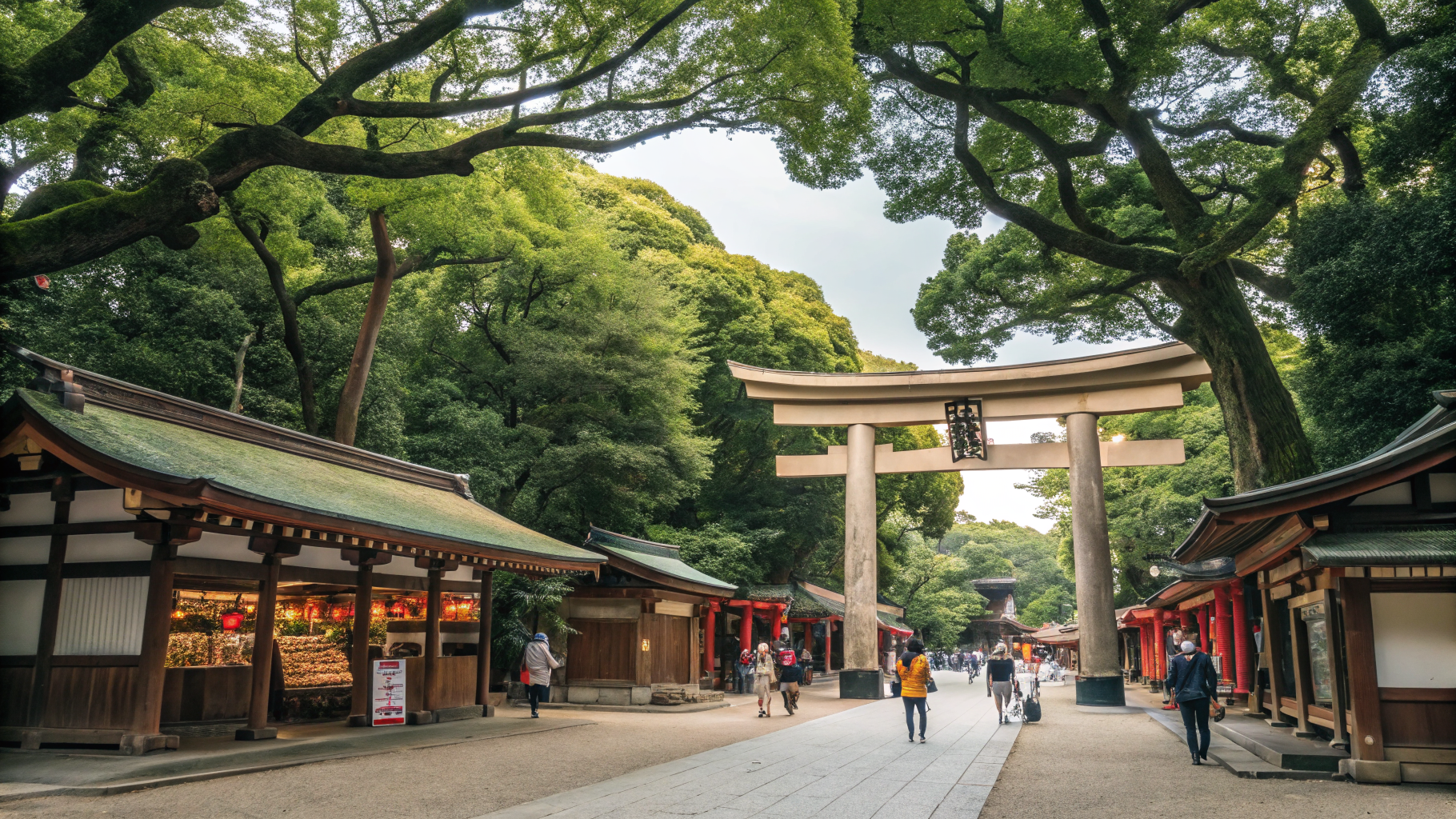
The first time I walked through the massive wooden torii gate at Meiji Jingu, I’d just come from the chaos of Takeshita Street, where a teenager bumped into me holding a rainbow cotton candy bigger than her head. Five minutes later, I was standing under cedar trees in complete silence. That contrast — that’s the whole reason this neighborhood belongs at the top of any serious Tokyo Itinerary.
I’ve done Meiji Jingu and Harajuku three times now, in different seasons, and I keep finding things I missed. This guide is everything I wish someone had told me before my first visit.
Table of Contents
Start Early at Meiji Jingu Shrine
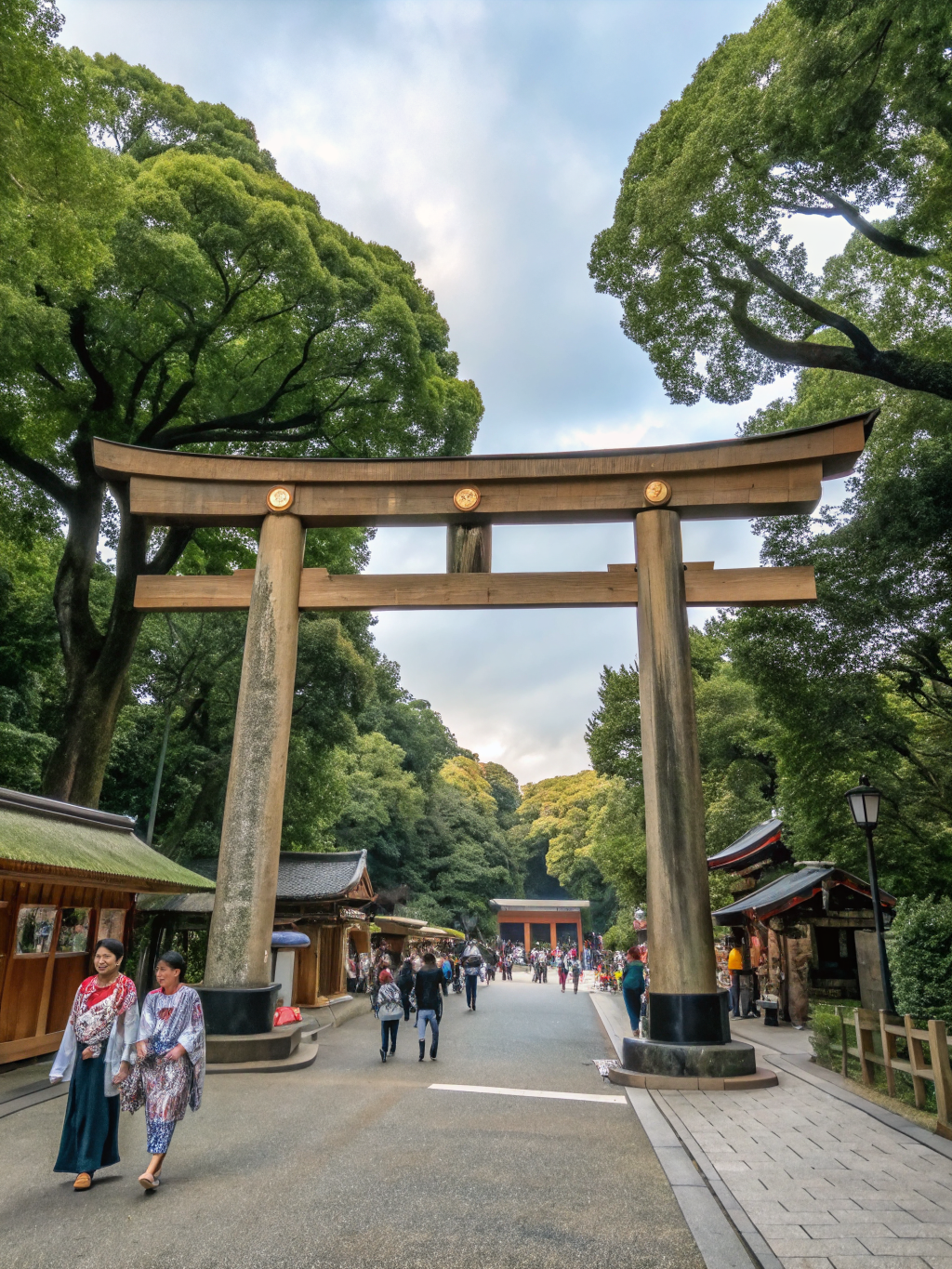
Get there by 7 AM. I’m serious. By 9:30, the south entrance near Harajuku Station turns into a slow-moving river of tour groups, and the magic evaporates.
The shrine was built in 1920 to honor Emperor Meiji and Empress Shoken, and the surrounding forest — 100,000 trees donated from across Japan — was planted by hand. Walk the main gravel path slowly. Look up. The canopy is what makes this place different from any other shrine in Tokyo.
On my second visit, I arrived at 7:15 on a Sunday and stumbled into a traditional Shinto wedding procession crossing the inner courtyard. Couldn’t have planned that.
Wash Your Hands at the Temizuya
Before approaching the main hall, stop at the temizuya (purification fountain). There’s a specific order: left hand, right hand, then a small sip from your cupped left palm, then tip the ladle vertical to rinse the handle.
Most foreign visitors skip this or fumble it. Watch one or two Japanese visitors first if you’re unsure. Nobody minds.
Write a Wish on an Ema
For 500 yen, you can buy a small wooden plaque called an ema, write a wish, and hang it on the rack near the main hall. I’ve read ones in Portuguese, Korean, German, and one in English that just said “please let my dog stop eating the couch.”
These get burned ceremonially by the priests, so don’t write anything you’d regret making smoke.
Visit the Inner Garden (Especially in June)
The Meiji Jingu Inner Garden costs 500 yen extra and most people skip it. They shouldn’t. The iris garden in mid-June is one of the best flower displays in central Tokyo, with around 150 varieties blooming at once.
There’s also Kiyomasa’s Well, which has a small cult following as a power spot. Whether you believe in that or not, it’s a quiet pond in the middle of Tokyo and worth ten minutes.
Cross Through to Takeshita Street
When you exit the shrine via the south entrance, you’re back in Harajuku Station. Cross the street, and within 90 seconds you’re on Takeshita-dori, the most famous teen-fashion street in Japan.
It’s narrow. It’s loud. It smells like crepes and fried chicken. I find it overwhelming for more than 30 minutes, but you have to see it once. Try a Marion Crepe with strawberry and cream — they’ve been there since 1976 and the line moves faster than it looks.
What to Actually Buy on Takeshita
- A rainbow cotton candy from Totti Candy Factory (mostly for the photo)
- Daiso for cheap souvenirs that don’t look cheap
- WEGO for secondhand Japanese streetwear at reasonable prices
Skip the “famous” cheese tea places. There are better ones on Cat Street.
Walk Cat Street for the Real Harajuku
This is where I made my biggest first-visit mistake. I spent four hours on Takeshita Street and never made it to Cat Street, which runs roughly parallel between Harajuku and Shibuya.
Cat Street is where the actual fashion crowd shops — vintage Levi’s stores, independent designer boutiques, BAPE, smaller cafes that aren’t built for Instagram. The vibe is calmer and the coffee is better. Koffee Mameya, tucked just off the main strip, is one of the best pour-over experiences in Tokyo at around 700 yen.
See the Architecture at Omotesando
Walk east from Harajuku Station along Omotesando — locals call it the Champs-Élysées of Tokyo, which is a stretch, but the architecture is genuinely world-class. The Prada building by Herzog & de Meuron, the Dior store by SANAA, the Tod’s building by Toyo Ito — these are studied in architecture schools.
You don’t have to go inside. Just walk slowly and look up. I missed this entirely on my first trip because I had my head in Google Maps.
Eat Tonkatsu at Maisen
Tucked one block off Omotesando in a converted bathhouse, Maisen has been serving tonkatsu since 1965. The kurobuta pork set runs around 2,800 yen for lunch and it’s worth every yen. The breading is impossibly light.
I’ve eaten cheaper tonkatsu in Tokyo and worse tonkatsu for triple the price. This one hits the spot where quality meets sane pricing.
Find the Quiet Cafes Behind Ura-Harajuku
Behind the main streets there’s a maze of tiny lanes called Ura-Harajuku (“hidden Harajuku”) where you’ll find the actual Tokyo creative crowd. Places like Little Nap Coffee Stand, Bills (for ricotta pancakes — yes, it’s Australian, yes, it’s still worth it), and dozens of natural wine bars that open in the evening.
This is the area I’d go back to on a return trip and skip Takeshita Street entirely.
End at Yoyogi Park for People-Watching
If it’s Sunday and the weather is decent, walk into Yoyogi Park (next to Meiji Jingu) around 3 PM. You’ll find rockabilly dancers near the Harajuku entrance, drum circles, picnics, sometimes cosplayers, sometimes nothing at all. It depends entirely on the day.
I sat on a bench here for an hour in October eating a 7-Eleven egg salad sandwich and watching a guy teach his golden retriever to skateboard. Tokyo at its most accidentally perfect.
The Mistake I Made the First Time
I tried to do Meiji Jingu and Harajuku in 90 minutes between Shibuya and Shinjuku because some itinerary online said it was enough. It’s not. You need at least four hours, ideally six, to actually feel the contrast between the shrine forest and the street fashion district. That contrast is the entire point. Rushing it is like skipping the chorus of a song to get to the next track.
Give it a half day. Bring comfortable shoes. The shrine paths are gravel and Cat Street is long.
A Few Practical Notes
- Meiji Jingu opens at sunrise (around 5 AM in summer, 6:40 AM in winter) and closes at sunset
- Entry to the shrine grounds is free; the Inner Garden and Treasure Museum are 500 yen each
- Harajuku Station was rebuilt in 2020 — the old wooden station building is gone, which is a small loss
- Weekday mornings are dramatically quieter than weekends
- There are coin lockers at Harajuku Station if you have luggage
If I went back tomorrow, I’d skip Takeshita Street entirely and spend the saved time eating my way down Cat Street and Ura-Harajuku. I’m still figuring out whether there’s a good way to see the Meiji Shrine treasure museum without it feeling like homework — last time I rushed it, and I think I owe it a slower second visit. Next trip, probably November, when the ginkgo trees on Omotesando turn yellow and the whole avenue glows.