What to Eat in Kyoto: 10 Must-Try Traditional Dishes
The first time I ate in Kyoto, I made the mistake of following a Top 10 list straight to a tourist-packed restaurant near Gion. I paid 4,200 yen for a kaiseki set that was fine, forgettable, and surrounded by people taking photos of every dish. The next morning I wandered into a tiny soba shop on a backstreet in Nishijin, paid 900 yen, and had one of the best meals of my life.
That’s Kyoto for you. The food culture here rewards curiosity more than research. This guide pulls together what I’ve learned across four trips, what to actually order, where to go, and which dishes are worth rearranging your day for.
Table of Contents
Why Kyoto’s Food Scene Is Different
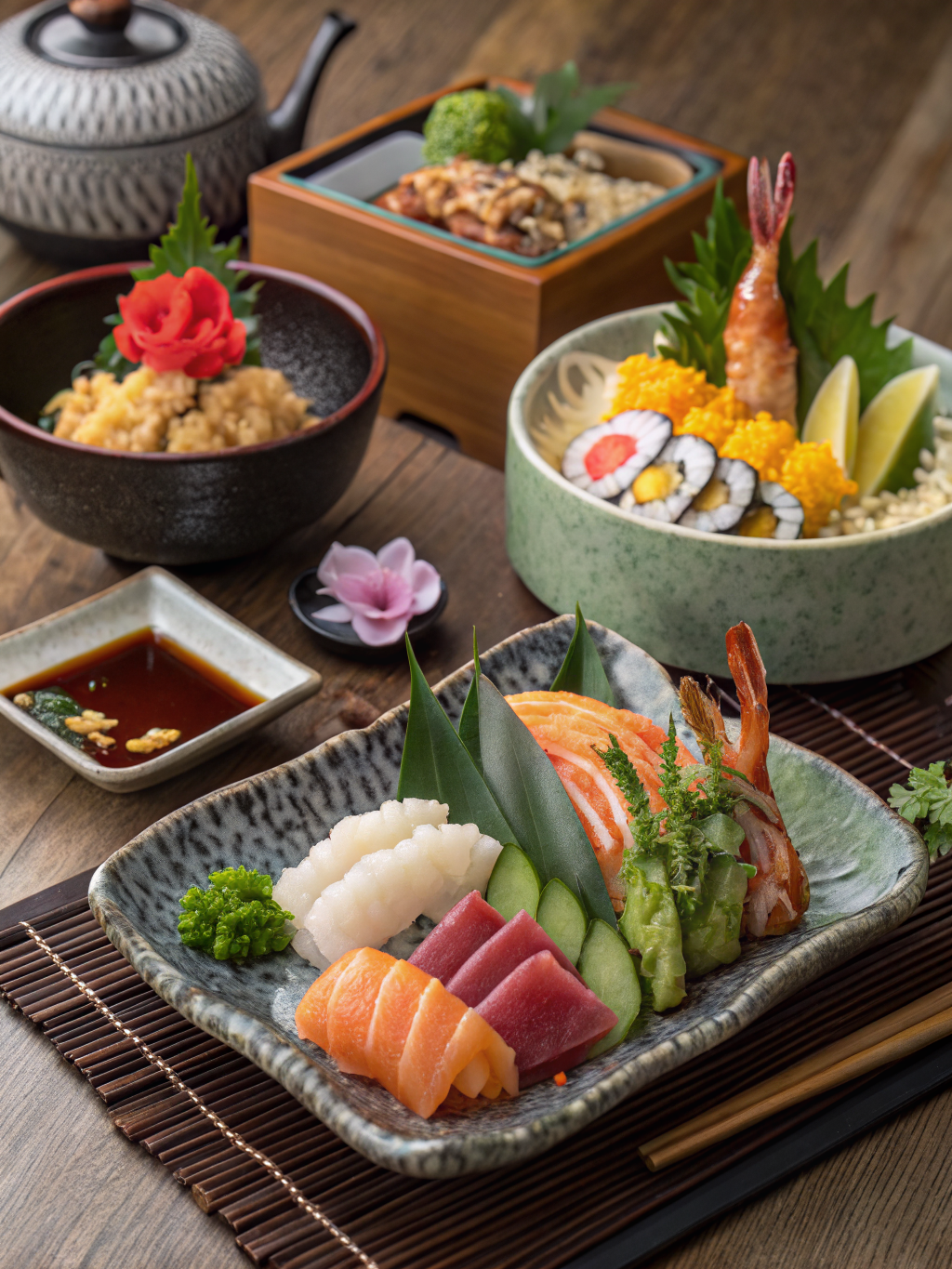
Kyoto cooking is built on restraint. The city sits inland, surrounded by mountains, which historically meant limited access to fresh seafood. Chefs leaned into vegetables, tofu, pickles, and dashi instead. The result is a cuisine called kyo-ryori — delicate, seasonal, and obsessed with presentation.
If you’re trying to figure out What to eat in Kyoto, the honest answer is: lean into the things you can’t get elsewhere in Japan. Skip the sushi unless you have a specific recommendation. Go deep on tofu, pickles, matcha sweets, and seasonal kaiseki.
I also recommend reading more about where to eat in Kyoto before you arrive — having a rough plan saves you from the 7pm panic of standing on a cold street with no reservation.
10 Traditional Dishes Worth Trying
1. Yudofu (Hot Tofu)
This is Kyoto’s signature winter dish. Silken tofu simmered gently in kombu broth, served with ponzu and grated daikon. Nanzenji temple’s neighborhood is famous for it — try Okutan, which has been doing this since the 1600s. A set runs around 3,800 yen.
It sounds boring on paper. It isn’t. The tofu here has a custard-like texture you won’t find at your local Japanese spot back home.
2. Kaiseki Ryori
A multi-course meal that follows strict seasonal rules. Expect 8–14 small courses, each carefully plated. Budget at least 8,000 yen for a decent lunch kaiseki, double or triple that for dinner.
My advice: book lunch kaiseki, not dinner. Same chef, same kitchen, often half the price.
3. Obanzai (Kyoto Home Cooking)
This is the food locals actually eat. Small plates of simmered vegetables, tofu skin, fish, and pickles. Menami in the Pontocho area does an excellent obanzai counter — you sit at the bar and point at whatever looks good. I usually walk out paying around 3,500 yen including a beer.
4. Yuba (Tofu Skin)
The thin film that forms on top of soy milk as it heats. Served fresh, dried, or wrapped around fillings. Try it at a shojin ryori (Buddhist vegetarian) restaurant near Tenryuji in Arashiyama.
I was skeptical the first time. Now I order it whenever I see it on a menu.
5. Nishin Soba
Buckwheat noodles in hot broth, topped with a sweet-simmered herring. Sounds odd because Kyoto is landlocked — the herring is preserved, a holdover from Edo-era trade routes. Matsuba near Yasaka Shrine is the original, dating back to 1882.
6. Saba Sushi (Pressed Mackerel Sushi)
Another preservation-era dish. Mackerel salted, vinegared, and pressed onto rice in a wooden mold. It’s eaten in thick slices, not nigiri-style. Izuju across from Yasaka Shrine has been making it for over 100 years.
7. Matcha Sweets
Uji, just south of Kyoto, is the matcha capital of Japan. The matcha here is grassier and less bitter than what you’ll find elsewhere. Order a matcha parfait at Tsujiri or Itohkyuemon — yes, it’s touristy, yes, it’s still worth doing once.
8. Warabi Mochi
Soft, jelly-like sweets made from bracken starch, dusted with kinako (roasted soybean flour). Not the chewy mochi most travelers expect. There’s a small shop near Gion-Shijo station that makes them fresh in the window — I genuinely think about these between trips.
9. Hamo (Pike Conger Eel)
Summer specialty. The chef makes hundreds of tiny cuts through the bones so it’s edible, then briefly boils it. Served with plum sauce. You’ll only find it from June to August. If you’re visiting in summer and skip this, you’re missing the most Kyoto thing on any menu.
10. Tsukemono (Kyoto Pickles)
Kyoto pickles are their own category. Visit Nishiki Market and walk through the pickle shops — they’ll give you samples. Senmaizuke (pickled turnip) and shibazuke (eggplant and cucumber in red shiso) are the two to try.
Where to Actually Eat These
Nishiki Market is good for snacks and pickles but not for sit-down meals. The narrow alley is too crowded by 11am.
Pontocho Alley runs parallel to the Kamogawa River and has more restaurants per square meter than anywhere else in the city. Some are tourist traps. Look for places with handwritten Japanese-only menus posted outside — usually a good sign.
Gion is famous, but the best meals I’ve had were in Nishijin and around Demachiyanagi, where actual Kyoto residents live and eat. Take the Keihan line up to Demachiyanagi and just wander.
The Mistake I Keep Seeing Travelers Make
People treat Kyoto like a museum and assume eating here means high-end kaiseki or nothing. So they either blow their budget on one fancy meal or default to convenience store onigiri for the rest of the trip.
The middle ground is where Kyoto food culture actually lives. A 1,200 yen soba lunch at a 90-year-old shop tells you more about this city than a 15,000 yen kaiseki dinner aimed at tourists.
My own mistake: on my second trip, I booked three high-end dinners in a row. By night two I was exhausted, overstuffed, and couldn’t tell one course from another. Now I do one nice meal per trip and spend the rest exploring small neighborhood spots.
Practical Tips for Eating in Kyoto
Reservations matter. Many small restaurants only seat 8–12 people. For anything mid-range or above, book through your hotel concierge or use Tabelog (the Japanese Yelp — more reliable than Google here).
Lunch is the smart move. Same restaurants, same chefs, often 40–60% cheaper than dinner. Most kaiseki places offer lunch sets between 11:30 and 1:30.
Cash still rules. Many older Kyoto restaurants don’t take cards. Carry at least 15,000 yen in cash if you’re planning a sit-down meal.
Dress code is real. Not formal, but no flip-flops or tank tops at traditional places. I’ve seen people turned away.
Seasonal Eating Calendar
- Spring (March–May): Bamboo shoots, sakura mochi, sea bream
- Summer (June–August): Hamo, cold somen, hydrangea-shaped sweets
- Autumn (September–November): Matsutake mushrooms, chestnuts, persimmons
- Winter (December–February): Yudofu, crab, sake lees soup
If you can choose when to visit purely for food, I’d pick late October. The autumn ingredients are extraordinary and the weather is comfortable enough to walk between meals.
Vegetarian and Vegan Options
Kyoto is genuinely one of the easiest Japanese cities for plant-based travelers, thanks to its Buddhist heritage and shojin ryori tradition. Shigetsu inside Tenryuji temple in Arashiyama serves a full vegetarian set in a tatami room overlooking the garden — about 5,500 yen for the basic course.
Just be aware that “vegetarian” in Japan often still includes dashi (fish broth). Learn the phrase katsuo dashi nashi de (without bonito stock) if you’re strict about it.
I’m heading back to Kyoto in November and I’ve already decided I’m only booking one reservation this time. The rest of the trip I want to wander, get lost in Nishijin, and eat wherever the smell pulls me in. The first trip taught me what to order. The second taught me where to look. The third taught me to stop planning so much. Whatever you do, leave room in your itinerary for the meal you didn’t expect — that’s almost always the one you’ll remember.