How to create the perfect Asia itinerary for first-time travelers
Planning a massive trip across the world terrifies most people at first. You open Google Maps, stare at the massive continent, and immediately close your laptop. I completely get it. I ruined my early backpacking days by trying to do way too much, but you do not have to copy my mistakes. Crafting a realistic Asia itinerary guarantees you actually enjoy your vacation instead of just surviving it.
I wrote this step-by-step guide specifically to help first-time travelers skip the massive headaches. Keep reading, because I share exactly how to plan your routes, budget your cash, and pack your bags without losing your mind.
People always brag about buying a one-way ticket and just “seeing where the wind blows.” Honestly, I roll my eyes every time I hear that. Winging it sounds cool until you try it during peak holiday season. You end up sleeping on a miserable train station floor because every hostel sold out out weeks ago.
First-timers fiercely need structure. You certainly do not need to schedule every single minute of your day, but you definitely need a skeletal framework. A well-planned outline helps you secure cheap regional flights early. It also strictly prevents nasty immigration surprises at the border.
Table of Contents
Pick Your Vibe: The Two Best Asia Itinerary Routes
You literally cannot see everything in one trip. Attempting to cram Tokyo, Bangkok, and Bali into two weeks guarantees absolute misery. You spend your entire trip inside stressful airports instead of soaking up the local culture. Pick a specific region and stick to it. I broke down the two best overall options below.
Option 1: The Banana Pancake Trail (Southeast Asia)
Backpackers named this route decades ago because locals started selling sweet banana pancakes to the incoming tourists. It usually links up Thailand, Cambodia, Vietnam, and Laos.
Who it suits best: Broke college students, outgoing gap-year kids, and budget-conscious backpackers.
The Pros:
- Dirt cheap living: You can easily survive on $30 to $40 a day.
- Incredibly social atmosphere: You meet hundreds of other solo backpackers in every single hostel.
- Easy transit logistics: Dozens of bus companies cater specifically to foreign tourists.
The Cons:
- Intense daily heat: You sweat through your shirts constantly.
- Sneaky scams: Hustlers occasionally target confused incoming tourists :/
I love this tip: Start your trip in Chiang Mai, Thailand. The mellow, relaxed vibe helps you beat jet lag and adjust to the wild culture shock perfectly.
Option 2: The Neon Express (East Asia)
This high-speed path connects Japan, South Korea, and Taiwan. You trade chaotic night buses for sleek bullet trains. You swap cheap street beers for highly sophisticated tech and ancient traditions.
Who it suits best: Serious foodies, tech nerds, and travelers with solid bank accounts.
The Pros:
- Super safe streets: You can walk around downtown Tokyo at 3 AM completely stress-free.
- World-class public transit: Bullet trains miraculously run perfectly on time down to the strict second.
- Incredible overall food: You eat Michelin-worthy ramen bowls completely randomly at tiny street stalls.
The Cons:
- Expensive daily costs: Your bank account drains surprisingly fast here.
- Language barriers: Fewer locals speak fluent English compared to places like the Philippines.
Handling the Scary Culture Shock
Stepping out of the Bangkok or Tokyo airport hits you like a solid brick wall. The extreme heat, the intense noise, and the wild smells overwhelm your senses immediately. You might feel totally terrified during your first 24 hours. Honestly, everyone feels that exact way on their first big trip across the world.
Just ride the wave. Find a quiet corner cafe, order an iced coffee, and carefully watch the street chaos from a safe, comfortable distance. Your brain adjusts after a couple of days. Eventually, the daily madness starts to feel exciting instead of scary.
Time and Money: The Honest Truth
Nobody wants to run out of money halfway across the planet. You must create a realistic daily financial plan before you buy your flights. Different countries aggressively demand vastly different bankrolls.
The Dirt-Cheap Destinations
Vietnam, Laos, Cambodia, and the Philippines keep your wallet extremely happy. You easily score comfortable hostel beds for $5 a night. You buy massive bows of hot pho for $2. If you desperately want to stretch your money, spend the massive bulk of your trip right here. FYI, local ATMs charge annoying withdrawal fees, so bring a travel checking account card that totally reimburses international charges.
The Mid-Range Spots
Thailand, Malaysia, and Indonesia cost slightly more money. You spend around $50 a day if you want strong air conditioning and a few nice happy hour drinks. Bali prices skyrocketed over the last few years. You absolutely need to pad your budget if you hit the popular coastal beach towns there.
The Wallet-Drainers
Japan, Singapore, and South Korea demand serious daily cash. Expect to drop $100 to $150 a day minimum if you want a decent, fun experience. You can effectively offset costs by grabbing meals at convenience stores like 7-Eleven, but expensive regional train tickets still eat up a massive chunk of your cash.
Building Your Masterpiece: Step-By-Step
Now you properly understand the major regions and the daily costs. Let us actually put the puzzle pieces together. Follow these exact steps to create a killer travel schedule.
Step 1: Pinpoint Three Non-Negotiable Spots
Write down the three specific things you absolutely must see. Do you want to hike Mount Fuji? Eat authentic pad thai in Bangkok? Watch the sunrise at Angkor Wat? Base your entire outline strictly around these three main anchors. Stop trying to squeeze 15 different cities into a tight two-week window.
Step 2: Connect the Dots Intelligently
Look closely at a map and draw a logical, straight line between your anchor spots. Backtracking wastes precious time and burns unnecessary fuel money. Use low-cost regional airlines like AirAsia or Scoot to hop between countries cheaply. I strongly suggest booking major holiday flights ahead of time.
Step 3: Schedule “Do Nothing” Days
Travel burnout hits people incredibly hard. You run around ancient temples for ten days straight, and suddenly you hate everyone and everything. You desperately need downtime. Schedule a pure rest day every five or six days. Sit in a lobby, wash your dirty laundry, and just breathe.
Weather Warnings: Avoid the Monsoon Misery
Weather totally dictates your entire trip. You might excitedly book a cheap flight to Thailand in September, only to realize the intense monsoon season floods the streets daily. Do your crucial homework first.
- Southeast Asia: Visit safely between November and February. The brutal humidity drops, and the rains finally stop.
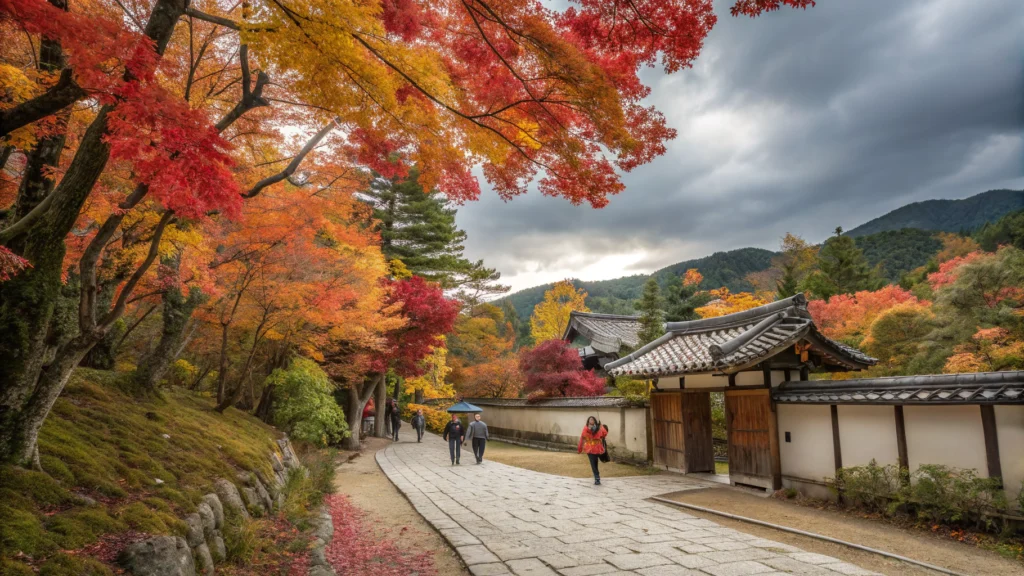
- East Asia: Spring (March to May) beautifully brings the famous blooming cherry blossoms. Autumn (September to November) offers crisp air and gorgeous red leaves. Summer aggressively turns Japan and Korea into an absolute sauna.
Packing Rules Real Travelers Follow
I constantly see people dragging massive, heavy suitcases across sandy island beaches. They always look totally miserable. Packing light absolutely changes the game for your whole trip.
- Buy a 40L backpack: This exact size seamlessly fits in the overhead bin on airplanes. You skip expensive baggage fees and completely avoid the dreaded baggage claim carousel.
- Use packing cubes: These little zip-up squares safely keep your clothes perfectly organized. You never have to dump your entire bag on the dirty hostel floor just to find clean socks.
- Pack layers, not bulk: Bring lightweight, breathable shirts and one solid rain jacket. You can always buy cheap t-shirts at lively local markets if you desperately need something new.
Transportation Hacks to Save Time
Moving around massive foreign countries stresses most people out. Fortunately, modern technology makes it easier than ever. You do not have to fiercely negotiate with aggressive taxi drivers anymore.
- Download Grab or Gojek: These awesome apps act exactly like Uber. The screen legally shows you the fixed price upfront, so drivers never rip you off.
- Use 12Go: This brilliant website absolutely rules. You type in your start and end points, and it quickly aggregates all the buses, trains, and ferries available for that route. You comfortably book the ticket directly from your phone.
- Take overnight sleeper trains: A 12-hour train ride sounds awful at first. But sleeper cars actually rock. You save good money on a hotel night, and you magically wake up in a brand new city. IMO, a reliable sleeper train beats a stressful early morning flight any day.
Visas and Paperwork: The Boring But Crucial Stuff
Picture this. You confidently show up at the airport, hand over your passport, and the checking agent asks for your printed visa. You totally freeze. You forgot to check the strict requirements. They aggressively deny your boarding pass, and your huge trip ends before it even begins.
Do not let this ugly nightmare happen to you.
Some countries generously offer quick visas on arrival. Others force you to apply online weeks in advance. Vietnam reliably requires a digital e-visa that takes several busy days to officially process. Check your government travel website the exact minute you buy your flights. Also, make sure your passport strictly remains valid for at least six months from your planned entry date. Border agents enforce this strict rule completely without mercy.
Health, Safety, and Staying Sane
Nobody wants to spend their vacation violently crying on a dirty bathroom floor. Traveler’s diarrhea horribly ruins countless trips every single year. Let us keep you healthy and moving.
Avoiding the Dreaded Stomach Bug
You should absolutely eat the street food everywhere you go. It tastes significantly better and costs way less than boring restaurant meals. Just strictly follow the local crowds. If an outdoor food cart has a massive, winding line of locals, the food turns over quickly and stays totally safe. Avoid dead, completely empty restaurants with huge English menus. Also, politely refuse the tap water anywhere in Southeast Asia. Just buy sealed bottled water.
You Must Buy Travel Insurance
Do not skip basic travel insurance. You might rent a cheap scooter in Bali, hit a massive pothole, and sadly end up in a foreign hospital. Massive medical bills bankrupt uninsured travelers constantly. Buy a solid policy that explicitly covers medical emergencies and massive asia trip cancellations. I happily pay around $50 a month for total peace of mind, and I completely consider it money perfectly spent.
I love this tip: Pack a small plastic bag full of basic pharmacy meds. Activated charcoal, basic painkillers, and simple band-aids literally save the day when you feel sick at 2 AM in a strange neighborhood.
Decoding Accommodation: Hostels vs Hotels vs Guesthouses
Where you sleep heavily impacts your daily budget and your personal social life. You generally have three main options, and they each proudly serve a completely different purpose.
- Hostels: You confidently book a single bed in a shared dorm room. You pay very little money, and you meet dozens of other awesome backpackers instantly. Always bring good earplugs, because someone legally always snores.
- Guesthouses: Friendly local families run these small, welcoming buildings. You get a nice private room for a small fraction of the cost of a massive corporate resort. You also get incredibly helpful insider tips deeply from the owners.
- Hotels: Sometimes you just violently need total privacy and a massive, hot bathtub. Book a nice luxury hotel room once every two weeks to fully recharge your social batteries properly.
Wrap Up: Ready for the Trip of a Lifetime?
Building your massive asia trip definitely does not have to cause panic attacks. Just strictly follow the simple formula we just talked about. Pick a highly specific region, set a realistic daily budget, pack a manageable 40L bag, and absolutely do not rush from city to city.
A solid overall plan keeps you totally safe and smartly saves you massive amounts of money. Remember, you can always confidently change the daily plan once you actually hit the ground. Give it a shot! Confidently buy that flight, accurately pack your backpack, and go see the amazing world. What do you think you will pack first? Let me know directly in the comments below! 🙂