5 Best Winter Destinations in Japan: Snowy Towns, Onsen & Ski Resorts
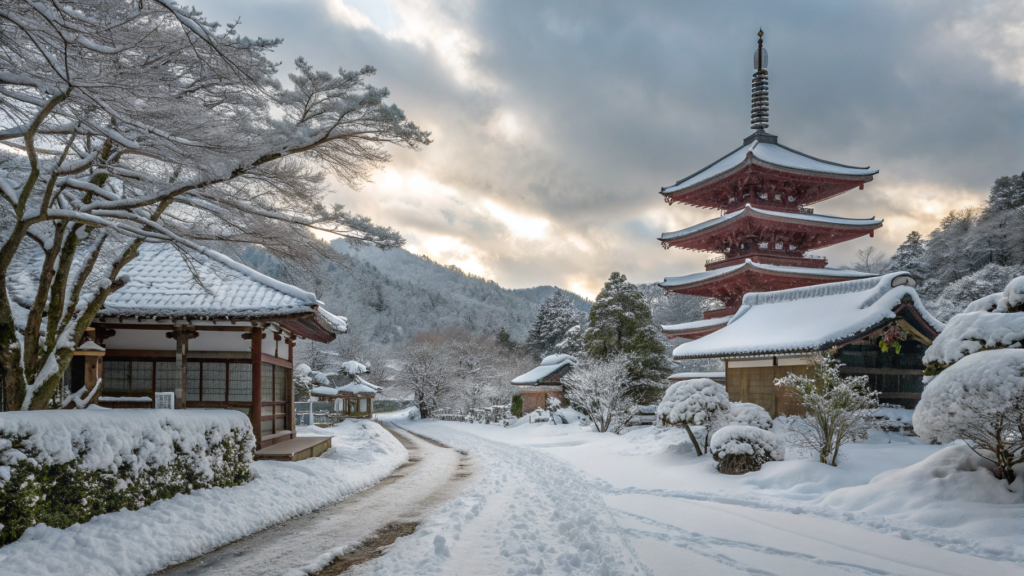
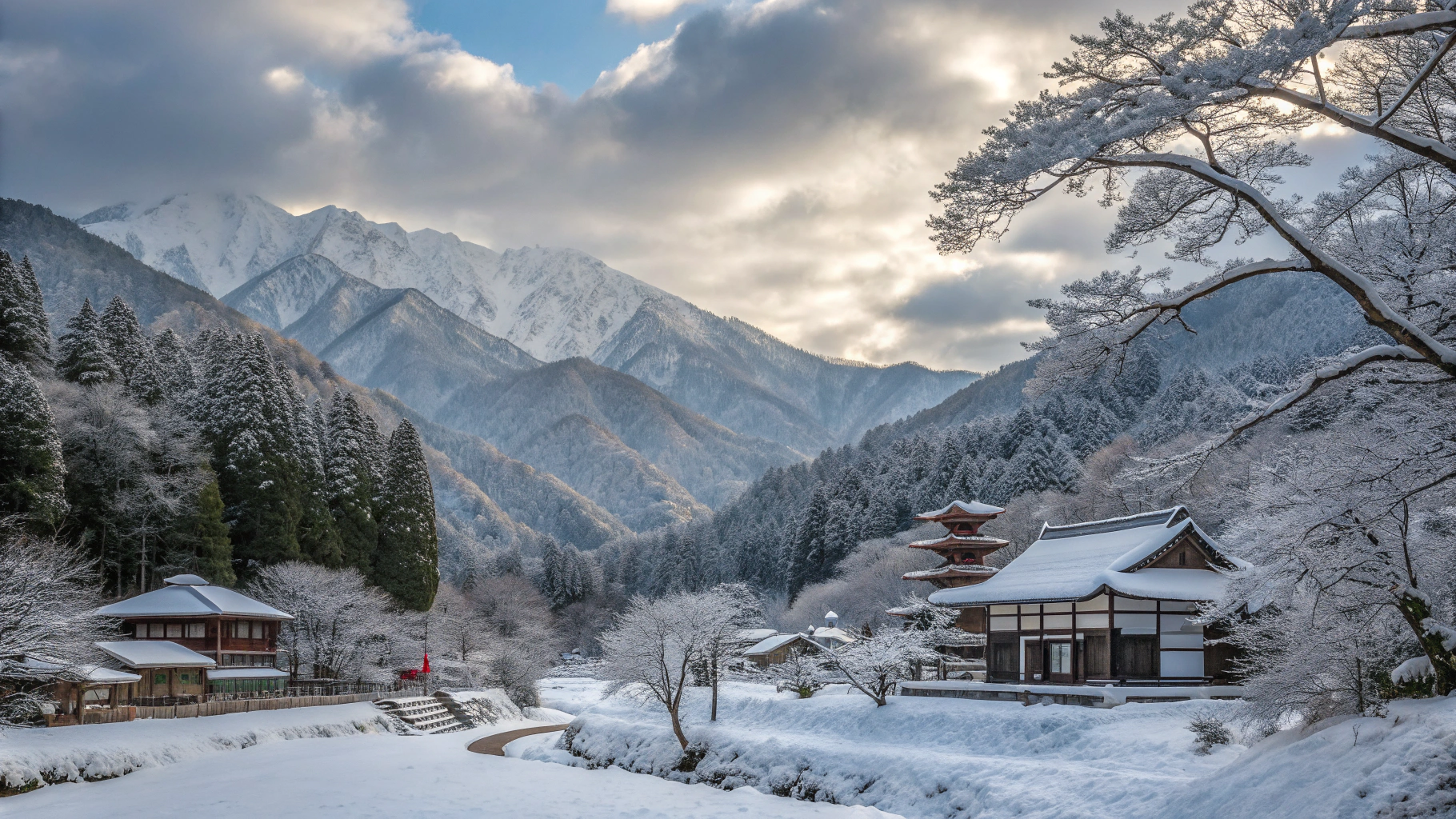
Ever stood in the middle of a snow-covered village, steaming onsen in front of you, and thought, “This is actual magic”? That’s Japan in winter for you. While most people think of cherry blossoms and temple visits, winter in Japan hits different—like, completely different. We’re talking about powder snow that skiers dream about, hot spring towns blanketed in white, and winter illuminations that make you feel like you’re inside a snow globe.
If you’re itching to escape the ordinary winter blues and dive into something way more special, Japan’s got you covered. Whether you’re chasing epic slopes, cozy ryokans with natural hot baths, or just want to wander through fairytale-like snowy streets, the Best winter destinations in Japan deliver big time. And honestly? Once you’ve experienced a Japanese winter, regular winters just feel… meh.
Table of Contents
Why Japan Owns Winter Season
Look, I’ve done winter trips across Asia and Europe, but Japan’s winter vibe is unmatched. The country gets serious snowfall—especially up north—but everything still runs like clockwork. Trains? On time. Streets? Clean and safe. Food? Warming and incredible.
Japanese winters run from December through early March, with peak snow happening January and February. Temperatures vary wildly depending on where you go. Hokkaido can drop to -10°C (14°F), while Tokyo stays milder around 5-10°C (41-50°F).
What makes Japan stand out is the combo factor. You’re not just getting one thing—you’re getting powder snow AND cultural experiences AND amazing food AND hot springs all rolled into one trip. Plus, winter is actually off-season for most of Japan (except ski resorts), meaning better prices and fewer crowds. Win-win. 🙂
5 Best winter destinations in Japan
Hokkaido: The Crown Jewel of Winter
Hokkaido is basically Japan’s winter kingdom. The northernmost island gets slammed with snow every year—the good kind that skiers and snowboarders travel halfway around the world for.
Niseko is probably the most famous ski destination in Asia right now, and for good reason. The powder snow here is ridiculously light and fluffy (they call it “Japow”), and you get consistent snowfall throughout the season. The resort has terrain for everyone from beginners to advanced riders, plus the après-ski scene is surprisingly international with tons of great restaurants and bars.
Sapporo, Hokkaido’s capital, hosts the legendary Sapporo Snow Festival every February. We’re talking massive ice sculptures, some several stories tall, lit up at night. It’s absolutely wild and draws millions of visitors. Even if you’re not into skiing, this event alone is worth planning a trip around.
Otaru sits just 30 minutes from Sapporo and turns into this romantic canal town in winter. The old warehouses along the canal get lit up, snow falls gently, and you can warm up with fresh seafood and local whisky. It’s the perfect day trip or overnight stay.
Don’t sleep on Hakodate either—it’s got one of Japan’s best night views from Mount Hakodate, and soaking in an outdoor onsen while snow falls around you? Chef’s kiss.
Shirakawa-go & Takayama: Fairytale Villages Come Alive
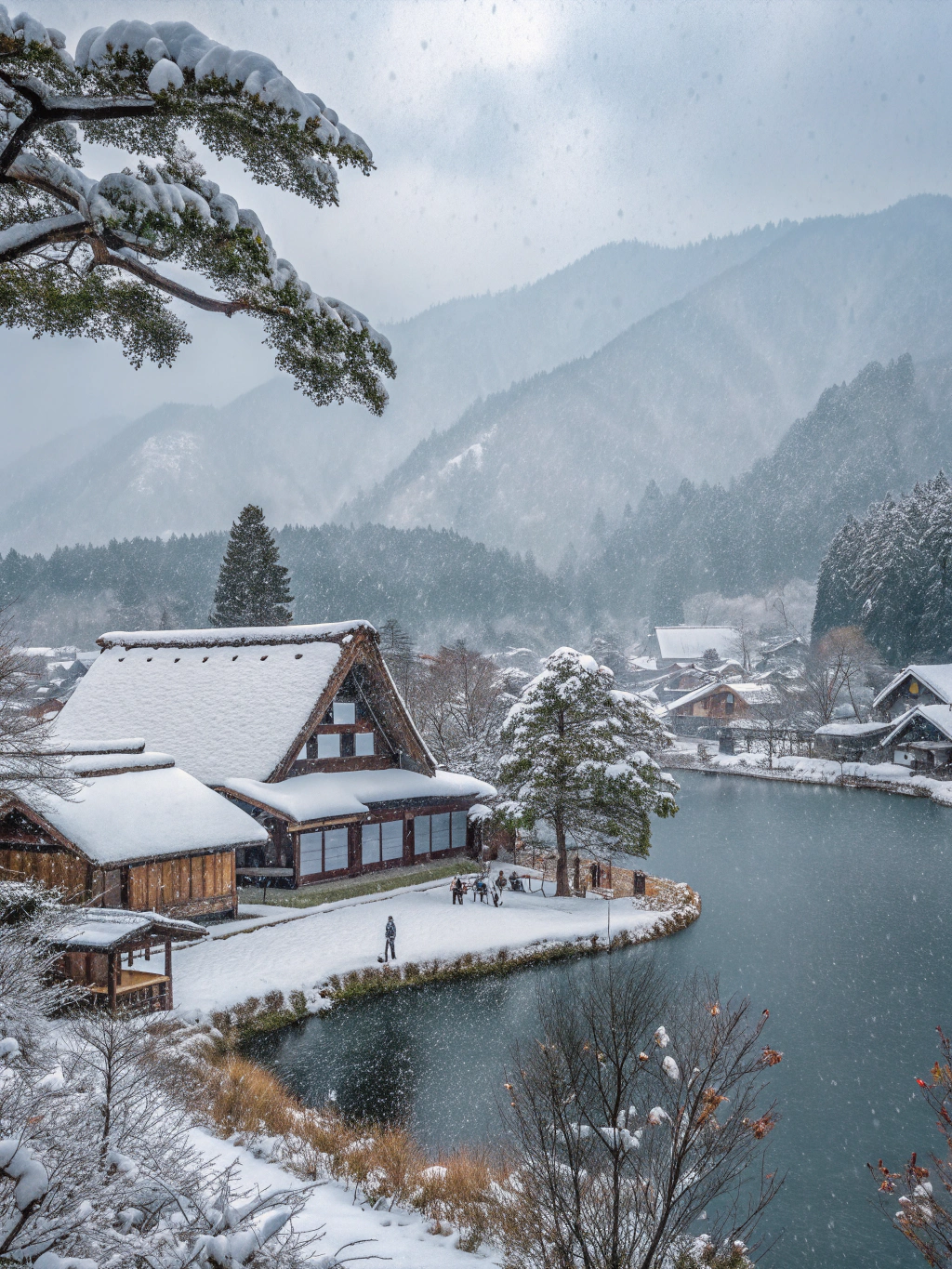
If you’ve ever seen those photos of Japanese villages with steep thatched roofs buried in snow, you’re looking at Shirakawa-go. This UNESCO World Heritage site looks straight out of a storybook during winter. The traditional gassho-zukuri farmhouses—some over 250 years old—were literally designed to handle heavy snowfall.
They do special winter illumination events on select evenings in January and February. Picture this: snow-covered village, warm light glowing from inside the farmhouses, mountains in the background. It’s Instagram gold, but more importantly, it’s genuinely breathtaking.
Takayama makes an excellent base for visiting Shirakawa-go. This historic town has beautifully preserved Edo-period streets, local sake breweries, and some of the best beef you’ll ever eat (Hida beef, look it up). The morning markets stay open year-round, and grabbing hot mitarashi dango (sweet rice dumplings) while snow falls is peak winter vibes.
Both spots give you that authentic, old-Japan experience without the summer tourist hordes. Winter here feels quiet, peaceful, and honestly a bit magical.
Hakone & the Mt. Fuji Area: Onsen Paradise
Hakone is THE spot for onsen lovers, sitting just 90 minutes from Tokyo by train. This mountainous area is packed with hot spring resorts, many offering outdoor rotenburo (open-air baths) with views of snow-dusted mountains and, if you’re lucky, Mt. Fuji.
Winter is actually the best time to see Mt. Fuji clearly. The air is crisp and dry, giving you way better visibility than the humid summer months. Combine that with soaking in a natural hot spring, and you’ve got yourself a moment you’ll remember forever.
Lake Ashi looks stunning surrounded by winter scenery, and you can take the pirate ship cruise (yes, really) across the lake for different viewpoints of Mt. Fuji. The Hakone Open-Air Museum is also worth visiting—experiencing modern sculptures surrounded by snow creates this cool contrast.
Pro tip: Stay in a traditional ryokan with kaiseki dinner included. You’ll get a multi-course meal featuring seasonal ingredients, sleep on tatami mats, and wake up to a Japanese breakfast. It’s the full cultural package.
Nagano: Olympics-Level Skiing & Snow Monkeys
Nagano hosted the 1998 Winter Olympics, so you know the ski infrastructure is solid. Hakuba Valley has multiple ski resorts with terrain for all levels, and the snow quality rivals Hokkaido’s. It’s slightly more accessible from Tokyo than Niseko too.
But here’s the real star: Jigokudani Monkey Park. This place is home to wild Japanese macaques (snow monkeys) who soak in natural hot springs during winter. Watching these fluffy monkeys chilling in steaming pools while snow falls around them is surreal. Fair warning—you’ll need to hike about 30 minutes through snowy forest to reach the park, but it’s 100% worth it.
Matsumoto is another Nagano highlight, home to one of Japan’s most beautiful original castles. Matsumoto Castle looks striking against snowy mountain backdrops, and the city has a cool, artsy vibe with good coffee shops and museums.
Tokyo & Kyoto: Cities Transformed
Don’t count out Japan’s major cities just because they don’t get buried in snow. Tokyo’s winter illuminations are next-level—neighborhoods like Shibuya, Roppongi, and Marunouchi go all out with millions of LED lights creating tunnels, canopies, and displays. It’s like Christmas decorations on steroids, and they usually run November through February.
Winter is also prime time for Tokyo Disney Resort, which gets special winter events and decorations with smaller crowds than summer. Plus, all that walking feels way more comfortable in cool weather than sweaty summer heat.
Kyoto in winter has its own charm. The famous temples look completely different dusted with snow—Kinkaku-ji (Golden Pavilion) against white snow is stunning. The city feels calmer without the peak season crowds, making it easier to actually enjoy the temples and gardens. Plus, winter is perfect for experiencing kaiseki ryori (traditional multi-course cuisine) and warming up with amazake (sweet fermented rice drink).
Food That’ll Warm Your Soul
Japanese winter food hits different. We’re talking serious comfort food designed for cold weather.
Ramen shops are everywhere, but winter ramen—especially miso or tonkotsu—warms you from the inside out. Hokkaido’s ramen is particularly famous for being rich and hearty.
Nabe (hot pot) becomes dinner staple during winter. Shabu-shabu, sukiyaki, chanko nabe—all involve cooking meat, vegetables, and noodles in a communal pot at your table. It’s social, delicious, and keeps you warm.
Oden is another winter classic: various ingredients like eggs, daikon, fish cakes simmered in light dashi broth. You’ll find it at convenience stores, street stalls, and izakayas.
Don’t forget seasonal sake. Many breweries release special winter sake, and drinking it warm (atsukan) is the move when temperatures drop.
IMO, the food alone is reason enough to visit Japan in winter. You’re basically eating your way through the cold, and honestly, there are worse ways to travel. 🙂
Practical Tips for Winter Travel
Pack layers. Seriously. Indoor spaces blast the heat, but outside can be freezing. Base layers, a good down jacket, and waterproof boots will save you.
JR Pass makes sense if you’re covering multiple regions. Winter trains are heated and super comfortable—way better than dealing with driving in snow.
Book accommodations early for popular ski resorts and during major events like Sapporo Snow Festival. These spots fill up fast.
Regional festivals and illuminations have specific dates, so check schedules when planning. They’re often the highlight of winter trips.
Onsen etiquette: Get naked (separate by gender), wash thoroughly before entering the bath, and don’t put your towel in the water. It’s not weird once you try it—actually it’s one of the best experiences you’ll have.
Wrapping This Up
Japan in winter isn’t just a consolation prize for missing cherry blossom season—it’s legitimately one of the best times to visit. You get incredible skiing, magical snowy landscapes, authentic hot spring experiences, amazing winter food, and way more space to breathe without fighting through tourist crowds.
Whether you’re powder hounding in Hokkaido, soaking in Hakone onsen with Mt. Fuji views, or exploring fairytale villages like Shirakawa-go, the Best winter destinations in Japan deliver experiences that’ll stick with you long after you’ve thawed out.
So yeah, if you’ve been sleeping on Japan’s winter, now’s the time to wake up and book that ticket. Trust me—you’ll thank yourself later when you’re sitting in a steaming outdoor bath watching snow fall with a view of Mt. Fuji. That’s not just a trip; that’s a whole vibe. 😉