6 Best Winter Onsen Experiences in Japan
Ever dreamed of soaking in a steaming hot spring while snowflakes gently fall around you? That’s the magic of experiencing a Japan winter onsen, and honestly, it’s something you need to add to your bucket list ASAP.
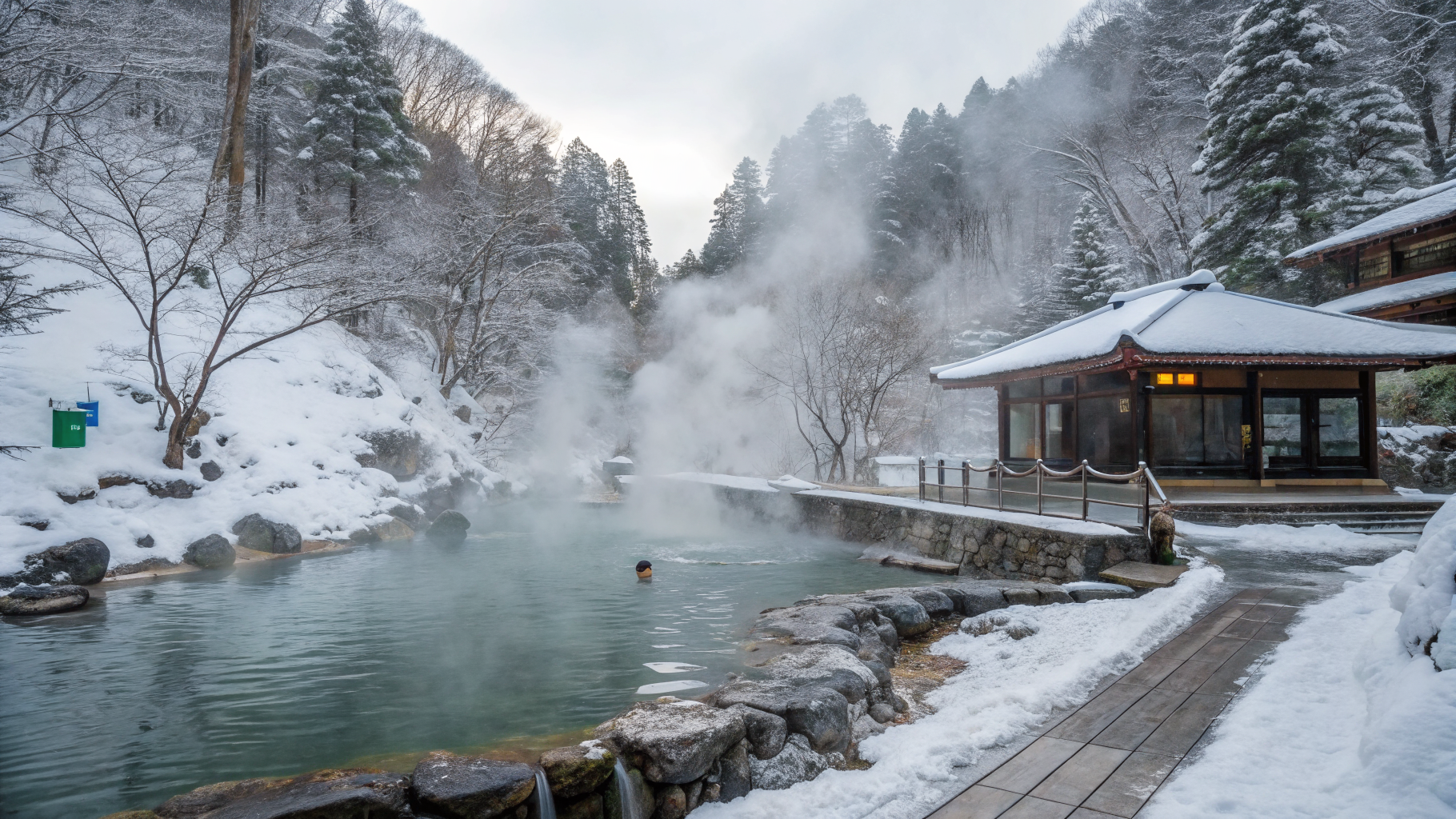
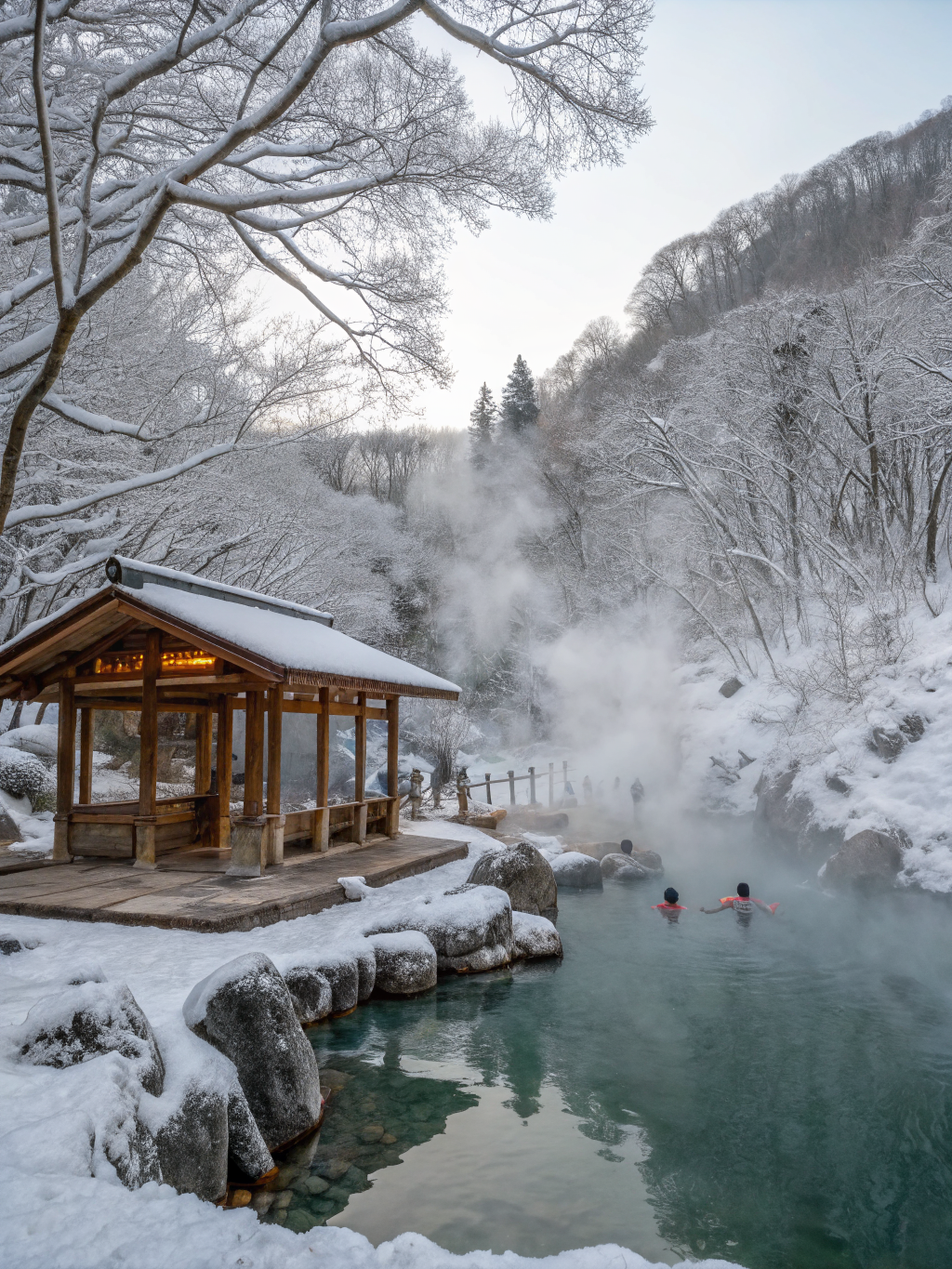
There’s something ridiculously special about winter onsen bathing in Japan. Picture this: you’re sitting in naturally heated mineral water, watching snow pile up on rocks and pine trees around you, while your muscles finally release all that tension you’ve been carrying. The contrast between the freezing air on your face and the warmth surrounding your body? Chef’s kiss. It’s like nature’s own spa treatment, except way more authentic and soul-soothing.
In this post, I’m gonna walk you through six incredible winter onsen experiences across Japan that’ll totally transform your japan trip into something unforgettable. Whether you’re a first-timer or an onsen veteran, these spots offer unique experiences you won’t find anywhere else.
Table of Contents
Why Winter Is Actually THE Best Season for Onsen
Look, you can visit onsen year-round in Japan, but winter hits different. The experience of a Japan winter onsen creates this incredible sensory contrast that you just can’t replicate in other seasons.
The steam rising from the hot water becomes way more dramatic in cold air, creating this mystical atmosphere that makes you feel like you’ve stepped into a Studio Ghibli film. Plus, many of the best onsen are located in mountainous regions that become absolute winter wonderlands covered in pristine snow. The Japanese even have a special term for outdoor winter bathing—yukimi-buro, which literally means “snow-viewing bath.” That should tell you something about how culturally significant this experience is.
And here’s a practical reason: winter is generally less crowded than cherry blossom or autumn foliage seasons, meaning you might actually get some peaceful moments to yourself in these incredible hot springs.
Jigokudani Monkey Park – Soak Alongside Snow Monkeys
Starting strong with probably the most Instagram-famous onsen experience in Japan. Jigokudani, located in Nagano Prefecture, is where you’ll find wild Japanese macaques chilling in their own natural hot spring.
Okay, so you won’t actually be bathing WITH the monkeys (they’ve got their own pool), but watching these fluffy creatures soak with the most relaxed expressions on their furry faces is genuinely therapeutic. The park sits in a forested valley, and getting there requires a decent hike through snowy trails, which honestly makes the destination feel even more special.
What makes it awesome:
- Wild snow monkeys bathing just meters away from you
- Stunning mountain scenery covered in snow
- Multiple onsen facilities nearby for humans
- Perfect photo opportunities (seriously, your Instagram will thank you)
The nearby town of Yudanaka offers excellent ryokan (traditional Japanese inns) with their own onsen facilities where you can experience authentic Japan winter onsen bathing yourself. IMO, staying overnight in this area is worth it because the early morning atmosphere is absolutely magical.
Kusatsu Onsen – The Hot Spring Town That Never Sleeps
Kusatsu is one of Japan’s most famous onsen towns, and winter transforms it into something straight out of a fairy tale. Located in Gunma Prefecture, this town has been famous for its healing waters for literally hundreds of years.
The centerpiece is the Yubatake (hot water field), where steaming mineral water flows through wooden channels right in the town center. At night when everything’s lit up and snow is falling? Absolutely stunning. The water here is super acidic and rich in minerals—locals swear by its healing properties for everything from skin conditions to muscle pain.
What really sets Kusatsu apart is the yumomi performance, where locals use large wooden paddles to cool down the scorching hot spring water while singing traditional songs. It’s touristy, sure, but it’s also a genuine part of local culture that’s been practiced for generations.
Don’t miss:
- Multiple free public foot baths scattered around town
- Sainokawara Rotenburo – a massive outdoor bath surrounded by snow
- Traditional onsen-manju (sweet buns) sold at local shops
- The atmospheric streets lined with traditional buildings
The town maintains a genuine working hot spring town vibe despite its popularity, which is pretty rare these days.
Nyuto Onsen – Off-the-Grid Alpine Paradise
If you want to experience onsen the way Japanese people did centuries ago, Nyuto Onsen in Akita Prefecture is your spot. This collection of seven traditional onsen ryokan sits deep in the mountains, accessible mainly by special buses during winter when roads become impassable.
Each ryokan has its own unique water source with different mineral compositions and colors. We’re talking milky white sulfur water, clear acidic water, iron-rich reddish water—it’s like a natural chemistry experiment. The most famous is Tsurunoyu, which still uses thatched-roof buildings and has this incredibly rustic, back-to-nature vibe.
During winter, Nyuto gets BURIED in snow. Like, several meters of the stuff. The isolation is real, and that’s exactly the point. No convenience stores, no vending machines everywhere, no city lights—just you, the forest, and incredibly therapeutic hot water.
Why it’s special:
- Seven different ryokan, each with distinct character
- Milky-white sulfur water unique to this region
- Mixed bathing options (with proper towel etiquette)
- Total escape from modern life 🙂
Fair warning: this isn’t luxury spa territory. It’s rustic, traditional, and that’s precisely what makes it so special. You’re experiencing onsen culture the way it’s been for hundreds of years.
Ginzan Onsen – Step Into a Living Postcard
Ginzan Onsen in Yamagata Prefecture looks like someone built a movie set specifically for beautiful winter photos. This tiny onsen town features traditional wooden ryokan lining both sides of a small river, all lit up by gas lamps that create the most atmospheric glow imaginable.
The town was actually a silver mine (ginzan means “silver mountain”) back in the day, and when mining stopped, locals developed it into an onsen resort. The retro Taisho-period architecture has been perfectly preserved, making the whole place feel like you’ve time-traveled to the 1920s.
Winter is when Ginzan absolutely shines. Snow piles up on the traditional roofs, icicles hang from eaves, and the warm glow from the ryokan windows against the white snow creates this contrast that photographers dream about. Walking through town in the evening feels surreal—almost too beautiful to be real.
What you’ll love:
- Incredibly photogenic traditional architecture
- Small, intimate town atmosphere
- River running through the center with small bridges
- Less commercialized than bigger onsen towns
The onsen water here contains sulfate and chloride, which supposedly works wonders for your skin. Several ryokan offer day-use bathing if you can’t snag an overnight reservation (which you should definitely try to do because rooms book out months in advance for winter weekends).
Takaragawa Onsen – Giant Outdoor Baths by the River
Want to go big or go home? Takaragawa Onsen in Gunma Prefecture features some of the largest outdoor rotenburo in Japan. We’re talking massive riverside baths that can hold 100+ people at once (though it rarely gets that crowded, thankfully).
The setting is absolutely gorgeous—the onsen sits along a crystal-clear river surrounded by forested mountains. In winter, the contrast between the steaming water and snowy landscape is next-level beautiful. Four main outdoor baths are connected by riverside paths, and three of them are konyoku (mixed bathing), though women have the option of wearing a special bathing outfit.
The water here is alkaline and supposedly great for your skin—locals call it “bijin no yu” or “beauty bath.” After soaking, your skin genuinely feels softer, though that might partly be from sitting in hot water for way longer than you planned because it’s just too nice to leave.
Highlights include:
- Four enormous outdoor baths right by the river
- Suspension bridges connecting different bathing areas
- Traditional thatched-roof buildings
- Exceptional kaiseki (multi-course Japanese dinner) if you stay overnight
The ryokan itself is rustic but comfortable, and staying overnight means you can enjoy the baths during quieter morning and evening hours when day-trippers aren’t around.
Hakone – Mount Fuji Views While You Soak
Okay, I couldn’t make this list without including Hakone. Located just 90 minutes from Tokyo, Hakone offers accessibility that the more remote locations can’t match, plus you get the bonus of potential Mount Fuji views while bathing.
Hakone is actually a whole onsen region with tons of different towns and bathing options. The variety is insane—you’ve got modern luxury spa resorts, traditional ryokan, public bathhouses, and even unique experiences like the outdoor baths at Yunessun where they literally fill pools with wine or coffee (weird but fun).
For that classic Japan winter onsen experience with a view, head to places like Hakone Yuryo or Tenzan Onsen, which offer outdoor baths positioned to potentially catch Mount Fuji on clear days. Winter actually offers better Fuji visibility than summer, so your chances are pretty decent.
Why Hakone works for everyone:
- Easy access from Tokyo via romance car train
- Huge variety of onsen types and price points
- Combined with other attractions like Lake Ashi and the Open Air Museum
- Multiple towns to explore within the region
The water composition varies depending on which specific area you visit, ranging from sulfur springs to saline springs. Each type supposedly offers different health benefits, so you can basically hot spring hop and convince yourself it’s all therapeutic research.
Tips for Your Japan Winter Onsen Adventure
Before you rush off to book your japan trip, here are some practical tips that’ll make your onsen experience way better:
Tattoo situation: Many onsen still have policies against tattoos due to historical associations. Smaller tattoos can often be covered with special waterproof patches, but full sleeves might limit your options. Do your research beforehand.
Bathing etiquette matters: Wash thoroughly at the shower stations BEFORE entering the bath. Like, seriously scrub down. Don’t bring your towel into the water (small towels can go on your head though—it’s actually traditional). No swimming, splashing, or being loud.
Timing is everything: Early morning and late evening are typically quieter. Avoid check-in times (3-4 PM) when day visitors and overnight guests overlap.
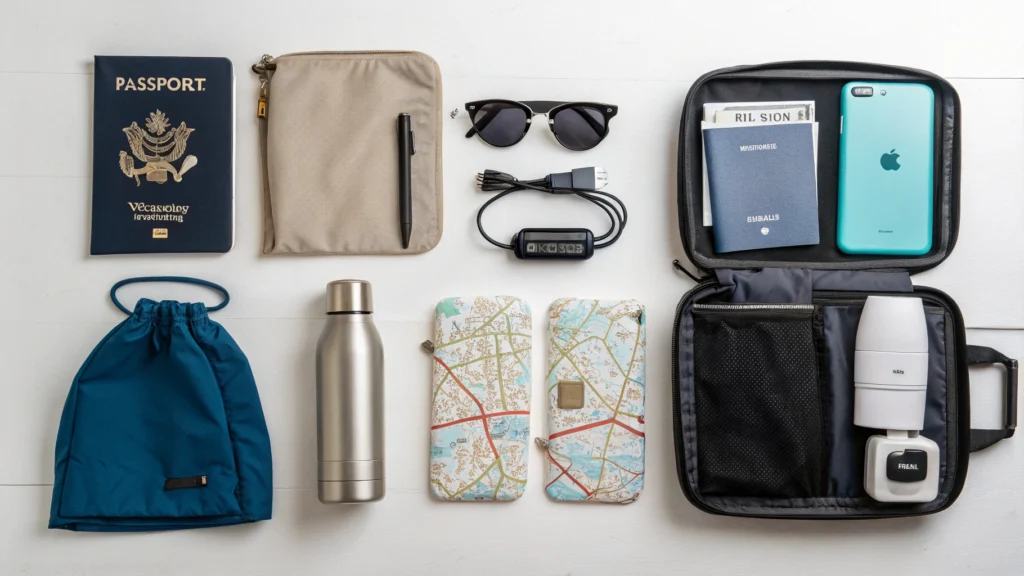
What to bring: Most ryokan provide yukata (casual kimono) and towels. Bring your own toiletries if you’re particular, though basic soap and shampoo are usually provided at washing stations.
Stay hydrated: You’ll sweat more than you realize. Drink water before and after bathing. Many onsen have free water or milk vending machines nearby (cold milk after a hot bath is a Japanese tradition that hits different).
Don’t overdo it: Limit soaking to 15-20 minutes at a time, especially in super hot water. Take breaks, cool down, then go back in if you want. Heat exhaustion is real.
Winter adds extra considerations too. The temperature shock going from cold air to hot water and back can be intense—take it slow. Bring warm clothes for walking between buildings, and waterproof boots if you’re visiting snowy mountain onsen.
Wrapping It Up
So there you have it—six absolutely incredible winter onsen experiences that’ll make your Japan trip something you’ll talk about for years. From bathing with snow monkeys to soaking under starry skies with Mount Fuji in the distance, each spot offers its own unique magic.
The beauty of Japan winter onsen culture is that it’s not just about the hot water (though that’s obviously a major perk). It’s about slowing down, being present in the moment, and experiencing a tradition that Japanese people have cherished for literally thousands of years. In our constantly connected, always-rushing world, there’s something deeply therapeutic about sitting in natural hot water, watching snow fall, and just… being.
Whether you choose the accessibility of Hakone, the wild beauty of Nyuto, or the postcard-perfect streets of Ginzan, you’re in for an experience that’ll warm you from the outside in. And honestly? Once you’ve tried winter onsen bathing, regular baths back home just won’t hit the same. 😉
So yeah, if you’ve been sleeping on adding an onsen experience to your Japan itinerary, now’s the time to wake up and make it happen. Your stressed-out muscles, dry winter skin, and adventure-seeking soul will all thank you. Trust me on this one!