12 Most Japan Winter Photography Spots
Have you ever scrolled through Instagram and stopped dead in your tracks at those dreamy snow-covered temples and neon-lit streets of Japan? Yeah, me too. Winter in Japan isn’t just cold—it’s magical, cinematic, and honestly, an absolute playground for anyone who loves photography. Whether you’re planning your first Japan trip or you’re a seasoned explorer looking for fresh spots to capture, this guide is for you.
Winter transforms Japan into something straight out of a fantasy novel. Snow-dusted shrines, steaming hot springs, illuminated festivals, and those iconic Japanese snow monkeys—you know the ones. If you want your Instagram feed to look like a professional travel magazine (and honestly, who doesn’t?), you need to know where to point your camera. This post breaks down the 12 most Instagrammable locations perfect for Japan winter photography, complete with tips, insider info, and a little personal commentary to keep things real.
Table of Contents
Why Winter is THE Season for Photography in Japan
Look, I get it—winter means cold, and cold can be uncomfortable. But hear me out. Japan in winter offers something you simply can’t get any other time of year. The snow acts like nature’s own Instagram filter, softening harsh lines and creating this ethereal quality that makes everything look better. Plus, the contrast between steaming hot springs and frozen landscapes? Chef’s kiss.
The crowds thin out too (except during New Year’s, FYI). You’ll actually get clean shots without randos photobombing your carefully composed temple pic. And let’s talk about the light—winter light in Japan is crisp, clean, and perfect for that moody aesthetic everyone’s chasing these days.
1. Shirakawa-go: The Fairy-Tale Village
This UNESCO World Heritage site looks like someone dropped a Grimm Brothers story into the Japanese Alps. The gassho-zukuri farmhouses with their steep thatched roofs were literally designed to handle heavy snowfall, and in winter, they look absolutely unreal.
Visit during the illumination events (usually held on specific weekends in January and February) when they light up the entire village. The golden glow against white snow creates photos that look almost too perfect to be real. Pro tip: Get there early and stake out a spot on the observation deck. Everyone wants that classic elevated shot, and spots fill up fast.
The village also offers amazing opportunities for Japan winter photography during the day—smoke rising from chimneys, snow-laden roofs, and those iconic triangular silhouettes against mountain backdrops.
2. Jigokudani Monkey Park: Snow Monkeys in Hot Springs
I mean, come on. Monkeys. In hot springs. With snow on their heads. This is peak content, people.
The Japanese macaques at Jigokudani have figured out the ultimate winter hack—they hang out in natural hot springs to stay warm. Watching them chill in the steaming water while snowflakes land on their fuzzy heads is both hilarious and strangely zen.
Getting the shot: Arrive early (like, first thing in the morning) before tour groups descend. The monkeys are most active then, and you’ll have better positioning. Bring a zoom lens because you can’t get super close. And honestly? Just enjoy the moment too. Sometimes the best shots happen when you’re not obsessively checking your camera screen.
3. Fushimi Inari Shrine in Snow (Kyoto)
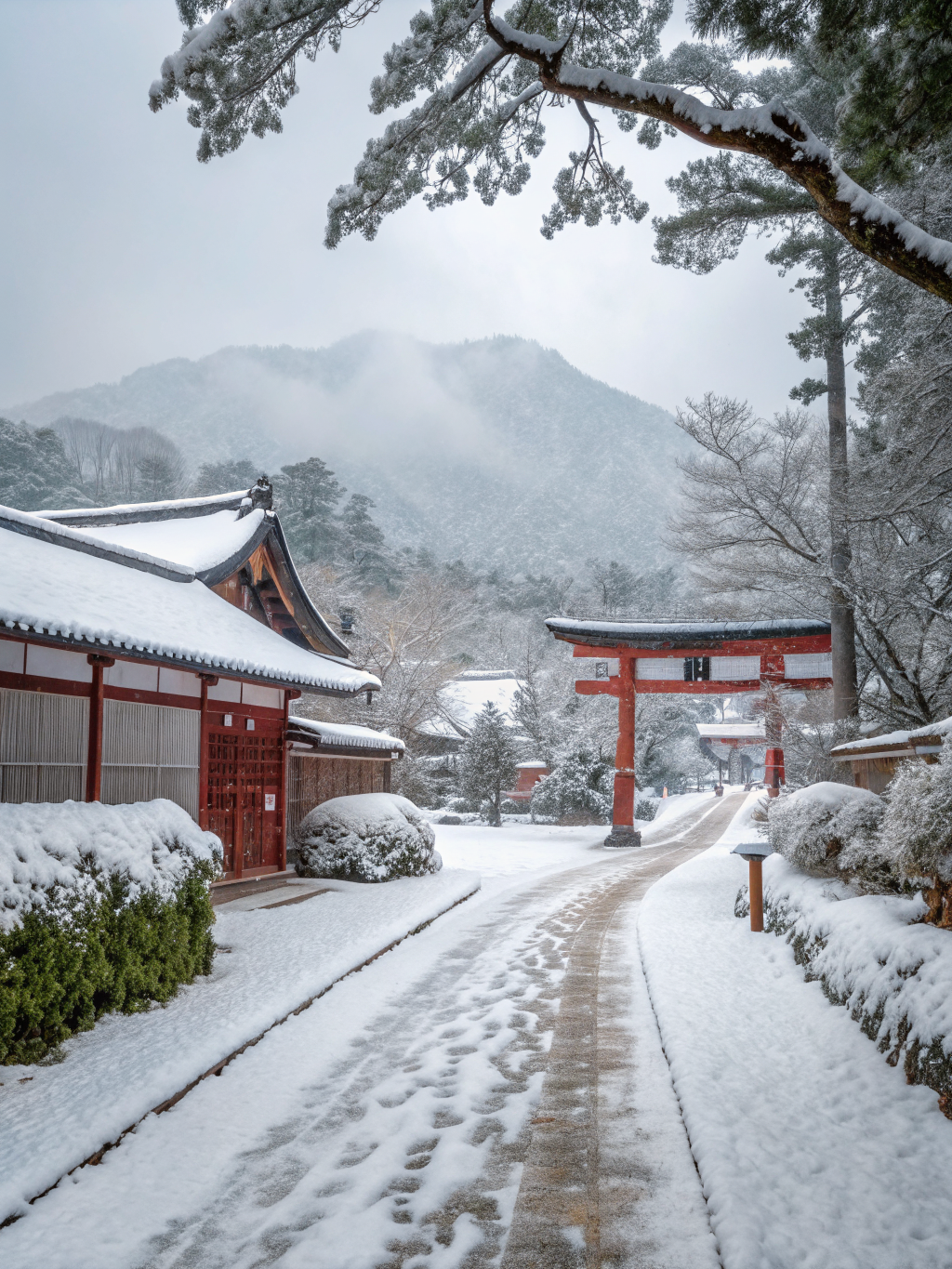
The famous thousands of vermillion torii gates are stunning year-round, but add snow? Next level. The red-orange gates pop against white snow in a way that’s almost jarring—in the best possible way.
Most tourists visit Kyoto in spring for cherry blossoms, which means winter gives you a quieter, more intimate experience. The contrast of warm colors against cool snow creates incredible visual tension in your photos.
My take: Wake up stupidly early and hit the trails before sunrise. You’ll dodge crowds and catch that magical blue hour light. Plus, fresh snow on the paths before anyone’s trampled it? Perfection.
4. Hokkaido’s Sapporo Snow Festival
If you want spectacle, this is it. The Sapporo Snow Festival features massive ice and snow sculptures—we’re talking buildings, pop culture characters, historical recreations, all carved from ice and snow.
The festival runs for about a week in early February and attracts millions of visitors. At night, they illuminate the sculptures with colored lights, creating this surreal winter wonderland vibe that photographs like a dream.
Photographer’s tip: The Odori Park site offers the most iconic shots, but check out the Susukino site too for ice sculptures you can actually walk through. Bring a tripod for night shots—the lighting changes create opportunities for long exposure magic.
5. Kenrokuen Garden (Kanazawa)
Kenrokuen is considered one of Japan’s three most beautiful gardens, and winter is when it truly earns that title. The gardeners use yukitsuri—rope supports that fan out from tall poles to protect tree branches from heavy snow. These create these geometric patterns that look incredible in photos.
After snowfall, the whole garden becomes this pristine white canvas with carefully placed pines, ponds, and traditional lanterns. The famous Kotoji-toro lantern partially covered in snow is basically Instagram gold.
The garden also represents traditional Japanese aesthetics perfectly, making it ideal for anyone serious about Japan winter photography that captures cultural authenticity.
6. Tokyo’s Neon-Lit Streets After Snowfall
Tokyo doesn’t get heavy snow often, but when it does? Absolute chaos—and incredible photos. The juxtaposition of futuristic neon signs, busy crossings (hello, Shibuya), and fresh snow creates this cyberpunk-meets-winter-wonderland aesthetic.
Best spots in Tokyo for snowy shots:
- Shibuya Crossing with snow falling under the lights
- Shinjuku’s neon alleyways (Golden Gai especially)
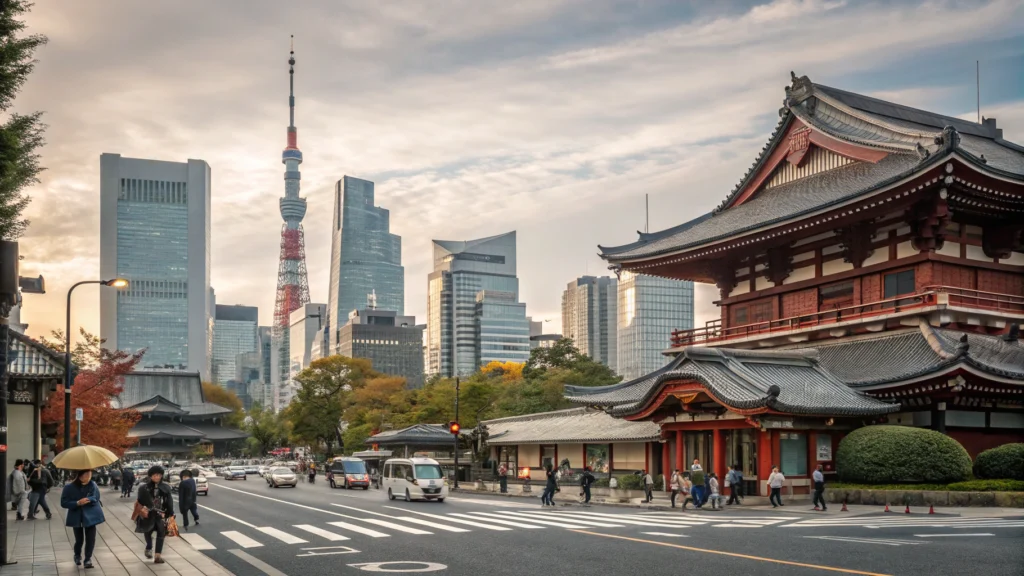
- Tokyo Tower or Skytree with snow in the foreground
- Traditional neighborhoods like Asakusa where temples meet snowfall
The unpredictability of Tokyo snow actually works in your favor—when it happens, you get photos that stand out because they’re less common.
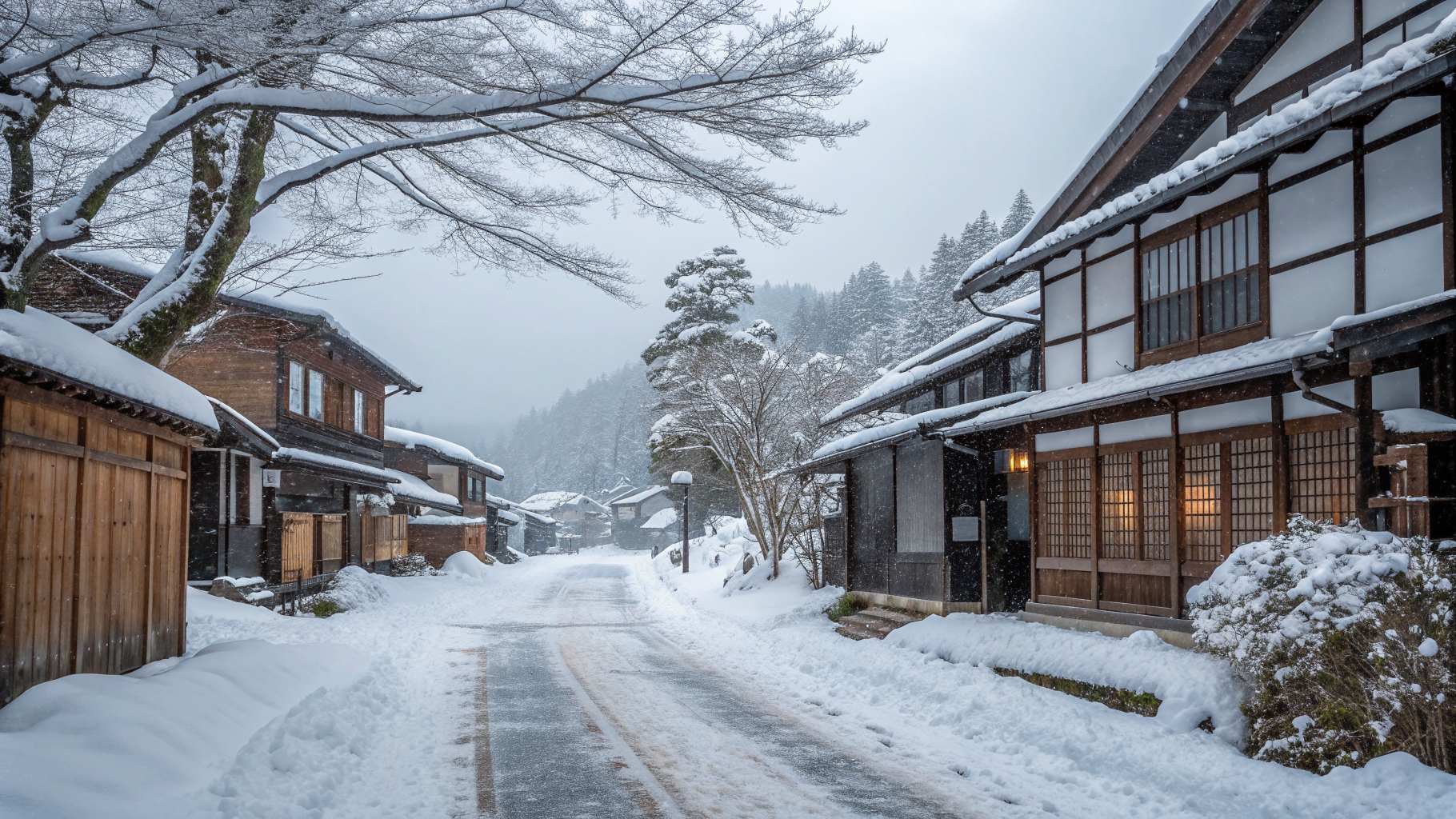
7. Ginzan Onsen: The Hot Spring Town Time Forgot
This tiny onsen town in Yamagata Prefecture looks like it hasn’t changed since the Taisho period. Traditional multi-story wooden ryokans line a small river, and in winter, gas lanterns reflect off the snow and water creating this impossibly romantic atmosphere.
Ginzan Onsen inspired the bathhouse in Spirited Away (allegedly), and honestly, I believe it. The whole place has this nostalgic, dreamlike quality that translates beautifully to photos.
Heads up: This spot has blown up on social media recently, so it gets crowded. Visit on weeknights if possible, and definitely spring for an overnight stay. The evening shots with lantern glow are the money shots here.
8. Mount Fuji with Snow Cap
Okay, this one’s kinda obvious, but you can’t do a Japan trip focused on winter photography without capturing Japan’s most iconic mountain.
Winter offers the clearest views of Fuji because the air is crisp and dry. The mountain’s snow cap is most prominent from December through February.
Best viewing spots:
- Lake Kawaguchiko for classic reflection shots
- Chureito Pagoda for that quintessential Japan postcard view
- Hakone for hot spring foreground compositions
Weather is unpredictable though. Fuji often hides behind clouds, so build flexibility into your schedule and check forecasts obsessively.
9. Otaru Snow Light Path Festival
This charming port city in Hokkaido hosts an annual festival where locals place thousands of candles in snow sculptures along the canal and throughout the old town. It’s smaller and way less touristy than Sapporo’s festival, which IMO makes it better for photography.
The canal area with historic warehouses, falling snow, and candlelight creates incredibly atmospheric shots. The soft glow of candles against snow has this gentle, romantic quality that’s different from the dramatic lighting of bigger festivals.
The festival usually runs for about 10 days in early February. Bundle up—Hokkaido winter is no joke—but the shots you’ll get are absolutely worth freezing your fingers off. 🙂
10. Zao Onsen: Ice Monster Trees
These aren’t actually monsters (disappointing, I know), but frost-covered trees that look like bizarre snow creatures. Strong winds and freezing temperatures coat the trees in layers of ice and snow, creating these alien-looking formations.
Zao Onsen in Yamagata Prefecture is the most famous spot to see these “snow monsters” or juhyo. You can ride a ropeway up the mountain for surreal landscapes that honestly look more like another planet than Japan.
Pro tip: The illumination events in late January through February are spectacular. They light up the ice monsters with colored lights, creating otherworldly scenes perfect for unique Japan winter photography.
11. Kinkaku-ji (Golden Pavilion) in Snow
The Golden Pavilion is stunning year-round, but add snow and you get something truly special. The gold leaf exterior gleaming against white snow and the mirror-like pond creates reflections that are almost too perfect.
Kinkaku-ji is super popular, so managing crowds is your biggest challenge. Winter sees fewer tourists than spring or fall, but it’s still busy. Arrive right when it opens and head straight to the classic viewpoint for the cleanest shots.
The contrast between the warm gold tones and cool white snow creates natural color harmony that makes your photos pop without heavy editing.
12.Lake Tazawa and Winter Landscapes of Tohoku
Lake Tazawa in Akita Prefecture is Japan’s deepest lake and doesn’t freeze in winter, creating this incredible deep blue color against snowy surroundings. The bronze statue of Tatsuko on the lake shore becomes a solitary figure in a winter wonderland.
The wider Tohoku region is honestly underrated for winter photography. You get authentic Japan without the crowds, traditional snow country culture, and landscapes that feel wild and untouched.
Why I love this spot: It’s off the beaten path. Your photos will look different from everyone else’s Japan content because fewer people make it here. Plus, the region offers hot springs, traditional festivals, and amazing local food as bonuses.
Practical Tips for Winter Photography in Japan
Let’s get real about the practical stuff because knowing where to go is only half the battle.
Gear considerations:
- Extra batteries (cold drains them fast)
- Lens cloth (condensation when moving between cold outdoors and heated indoors is real)
- Weather protection for your camera
- Gloves that let you operate camera controls
- Stable tripod for low-light and long exposure shots
Clothing matters too. Layer up with moisture-wicking base layers, insulation, and waterproof outer layers. You’ll be standing still a lot while composing shots, which means you’ll get cold faster than if you were just sightseeing.
Timing is everything. Blue hour (just before sunrise and after sunset) provides magical lighting, especially in snowy conditions. Golden hour works great too, but winter days are short in Japan, so plan accordingly.
Respect local customs. Not everywhere allows tripods. Some temples and shrines restrict photography in certain areas. When in doubt, ask. And please, don’t be that person who tramples through a carefully maintained zen garden for a shot.
Wrapping It All Up
Japan in winter is seriously underrated. Yeah, it’s cold, and yeah, you’ll need to pack more gear than a summer trip. But the photographic opportunities? Absolutely unmatched. From the whimsical snow monkeys to the neon-lit streets of Tokyo, from fairy-tale villages to ancient temples under snow—every single spot on this list offers something unique.
The key is planning ahead (some spots require reservations or have limited access), dressing appropriately, and being flexible with your schedule since weather can be unpredictable. But when everything comes together—the light, the snow, the composition—you’ll capture images that don’t just get likes, but actually stop people mid-scroll.
So grab your camera, book that Japan trip, and get ready to fill your memory cards with some of the most stunning winter photography you’ve ever shot. Your Instagram feed (and your personal photo collection) will never be the same. Trust me on this one—winter Japan is where photography dreams come true. 😊
Now stop reading and start planning. Those snow monkeys aren’t going to photograph themselves!