Is Miyakojima Worth Visiting? Reasons Travelers Love It
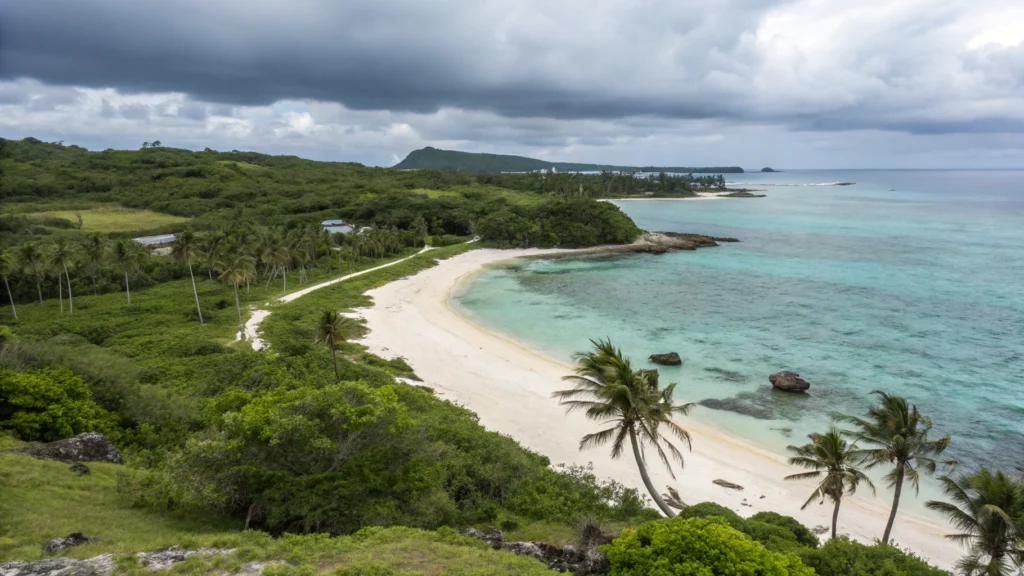
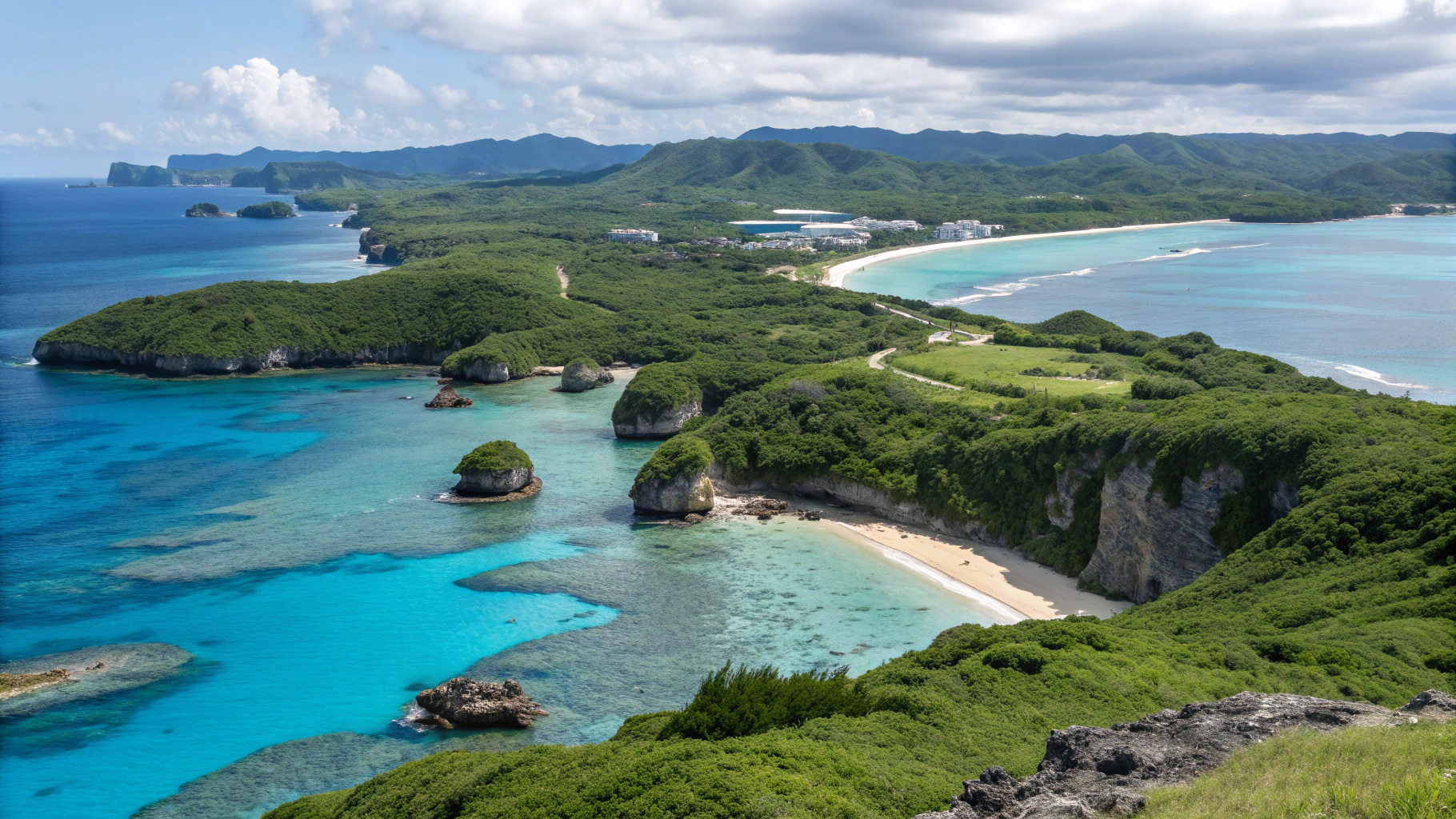
Picture this: You’re standing on a beach so pristine that the water looks Photoshopped. The sand is powder-white, the sea stretches out in about seven different shades of turquoise, and there’s barely another soul in sight. Sounds too good to be true? Welcome to Miyakojima, Japan’s best-kept tropical secret.
If you’ve been wondering Miyakojima worth visiting?, let me save you some time: yes, absolutely yes. But don’t just take my word for it. This island in Okinawa Prefecture has been quietly stealing hearts from travelers who stumble upon it, and once you hear what it’s all about, you’ll understand why your next Miyakojima Trip needs to happen ASAP.
In this post, I’m breaking down exactly why you should visit Miyakojima, what makes it different from other Japanese destinations, and the real experiences that make travelers fall head over heels for this tropical paradise.
Table of Contents
Why Miyakojima Stands Out From Other Japanese Destinations
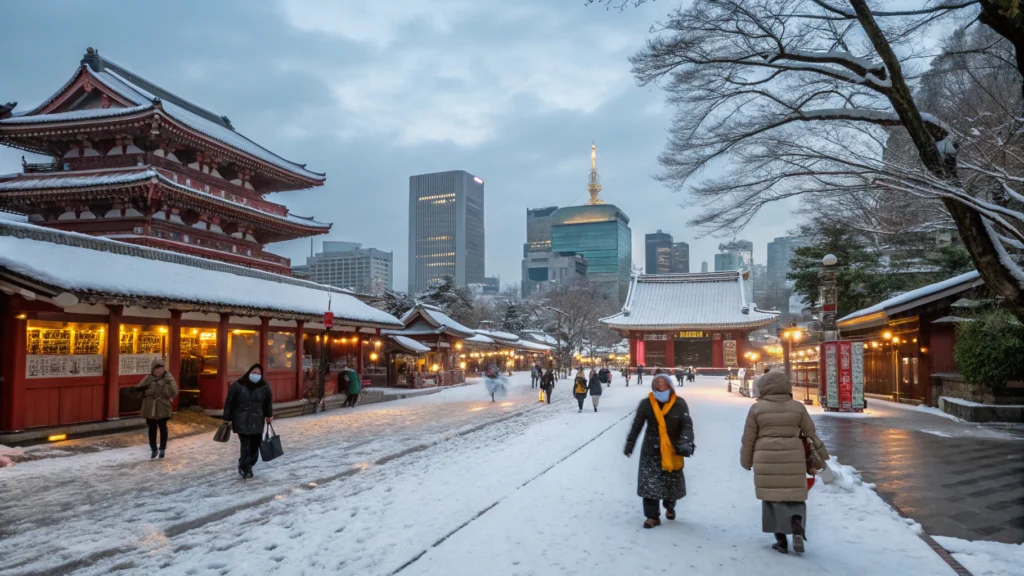
Let’s be real—when most people think of Japan, they picture Tokyo’s neon lights, Kyoto’s temples, or maybe Mount Fuji on a clear day. Beaches? Not usually the first thing that comes to mind. But that’s exactly what makes Miyakojima so special.
This island sits about 300 kilometers southwest of Okinawa’s main island, and it’s basically Japan’s answer to the Maldives, minus the eye-watering price tag. The vibe here is completely different from what you’d expect in Japan. No packed trains, no rushing salarymen, no rigid schedules. Just endless blue skies, warm hospitality, and a pace of life that’ll have you wondering why you ever stressed about anything.
The beaches here aren’t just good—they’re world-class. We’re talking water so clear you can see tropical fish from the shore, beaches that stay uncrowded even during peak season, and sunsets that’ll ruin every other sunset for you. And here’s the kicker: it’s still relatively unknown to international tourists, which means you get an authentic, unspoiled experience.
The Beaches Will Blow Your Mind
Okay, let’s talk about what really puts Miyakojima on the map—the beaches. And trust me, these aren’t your average “nice beach” situations.
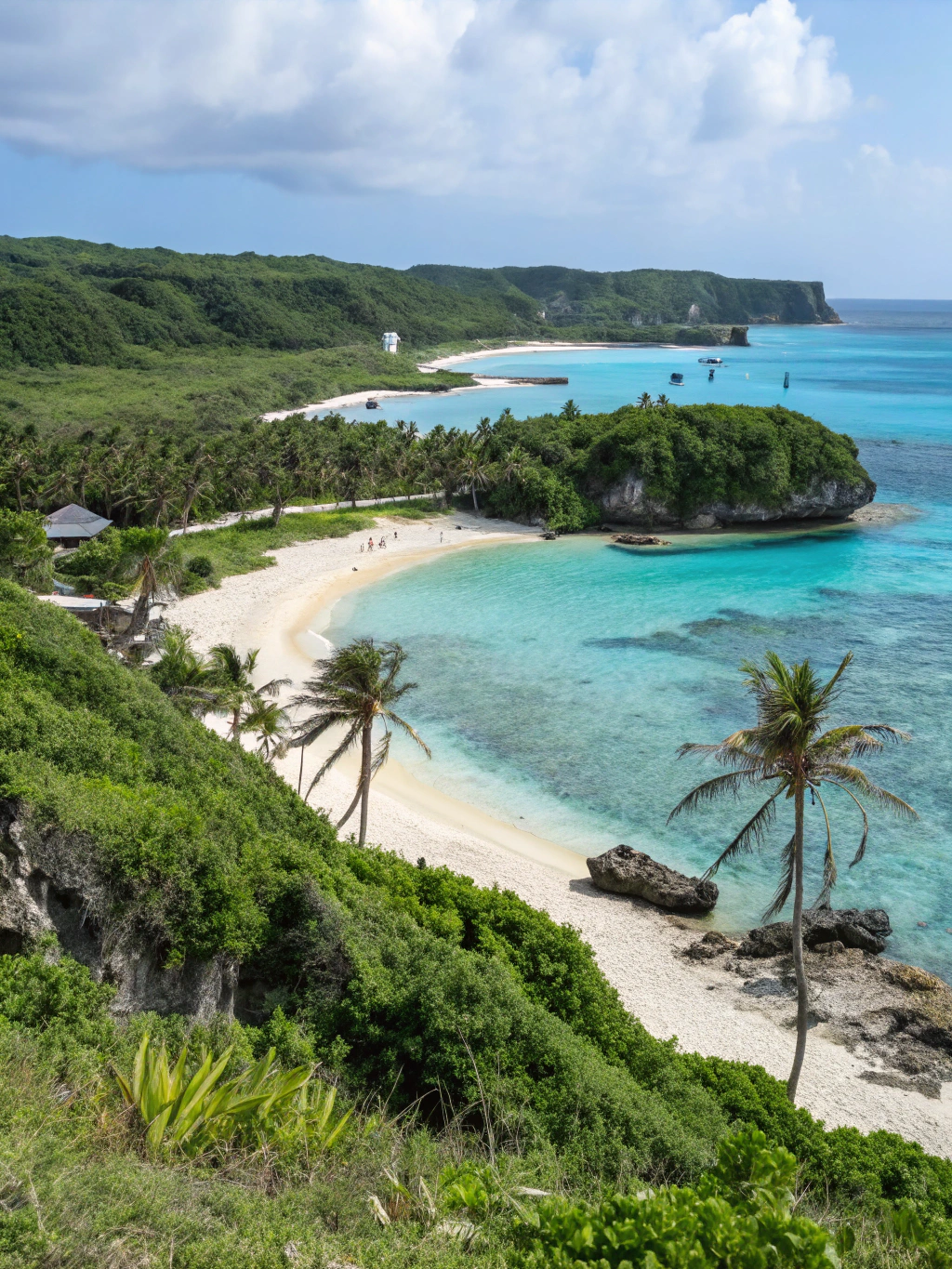
Yonaha Maehama Beach consistently ranks as one of Japan’s best beaches, and one look tells you why. This seven-kilometer stretch of white sand curves along impossibly blue water, and on a good day (which is most days), it looks like a screensaver come to life. I’m talking Instagram-perfect views without needing filters or fancy camera work.
Then there’s Sunayama Beach, famous for its natural rock arch that frames the ocean like a postcard. Getting there requires a short walk through a pine forest and over a small sand dune, which honestly just adds to the adventure. The beach itself is smaller and more intimate, perfect for those “I found a secret paradise” vibes.
What makes these beaches even better? You don’t have to share them with thousands of tourists. Even during summer, you can find your own little slice of sand without tripping over beach umbrellas every two feet. Try doing that at any European beach hotspot!
Water Activities That’ll Make You Never Want to Leave
If you’re into water sports or just love being in the ocean, Miyakojima is basically your playground. The island is surrounded by coral reefs that create perfect conditions for snorkeling and diving, and the marine life here is ridiculous.
Snorkeling spots are everywhere, and you don’t need to book expensive tours to see amazing stuff. At beaches like Aragusuku and Ikema, you can literally wade in from the shore and find yourself swimming with sea turtles, colorful fish, and coral gardens. Sea turtles, people! Just casually hanging out like it’s no big deal.
For divers, Miyakojima offers some of Japan’s best dive sites. The “Eight Mantas” dive spot is famous for—you guessed it—manta ray sightings, especially from autumn to early summer. Experienced divers rave about the underwater caves and drop-offs that make every dive feel like an adventure.
Not into diving? No problem. Kayaking, stand-up paddleboarding, and sailing are all huge here. The calm, protected waters around the island make these activities accessible even for beginners. Plus, paddling across that crystal-clear water while gazing down at fish swimming beneath you? Yeah, that’s a core memory right there.
The Epic Bridge-Hopping Experience
Here’s something unique you won’t find anywhere else in Japan: Miyakojima is connected to several smaller islands by a series of stunning bridges, and driving across them is genuinely one of the coolest things you can do here.
The Irabu Bridge is the longest toll-free bridge in Japan at 3.5 kilometers, and crossing it feels like driving over the ocean itself. The views? Absolutely bonkers. Pull over at one of the viewpoints and prepare to take about 47 photos because every angle looks incredible.
Then you’ve got bridges connecting to Ikema Island, Kurima Island, and Shimoji Island. Each island has its own character and hidden spots to explore. Ikema Island is famous for its wetlands and bird watching, while Shimoji Island has dramatic coastal cliffs that look straight out of a movie.
Renting a car and spending a day island-hopping across these bridges makes for an unforgettable road trip. The freedom to explore at your own pace, stopping wherever something catches your eye, is honestly one of the best ways to experience what makes Miyakojima worth visiting.
The Food Scene Is Surprisingly Amazing
Let me tell you something—I wasn’t expecting the food to be a highlight, but Miyakojima’s culinary scene seriously surprised me. The island has its own distinct food culture that’s different from mainland Japan and even other parts of Okinawa.
Miyako soba is the local noodle dish, and it’s got a twist: the pork ribs are hidden under the noodles instead of on top. It’s a simple dish but crazy flavorful, and every restaurant makes it slightly differently. Finding your favorite version becomes a delicious mission.
Fresh seafood is obviously a big deal here. We’re talking sashimi so fresh it was probably swimming that morning, grilled fish that melts in your mouth, and seafood dishes you won’t find anywhere else. The local purple sweet potato shows up in everything from tempura to desserts, and honestly, I’m not mad about it.
Don’t sleep on the mangoes either. Miyakojima mangoes are legendary in Japan—sweet, juicy, and available from late spring to summer. If you visit during mango season, eat as many as humanly possible. You can thank me later 🙂
Perfect Weather (Most of the Time)
Let’s talk logistics for a second. When should you visit Miyakojima?
The island enjoys a subtropical climate, which means warm weather year-round. The best times are April to June and September to November—basically spring and fall. During these months, you get beautiful weather, lower humidity, and smaller crowds.
Summer (July-August) is hot and humid, plus it’s typhoon season, though typhoons don’t hit constantly. If you can handle the heat and don’t mind occasional rain, summer still works and the water is at its warmest.
Winter is mild—temperatures rarely drop below 15°C (59°F)—but it’s not really beach weather. That said, winter visitors get great deals on accommodation and a super peaceful vibe.
Pro tip: Avoid Golden Week (late April/early May) and Obon (mid-August) unless you book way in advance. These Japanese holidays bring more domestic tourists, which means higher prices and fuller beaches.
It’s More Accessible Than You’d Think
One concern people have about island destinations is getting there. Good news—Miyakojima is actually pretty easy to reach.
Miyako Airport has direct flights from Tokyo (Haneda), Osaka, and Nagoya, plus connecting flights from other major Japanese cities. From Tokyo, it’s about three hours. Not bad at all for a tropical paradise, right?
Once you’re there, renting a car is basically essential and totally worth it. The island isn’t huge—you can drive from one end to the other in about an hour—but having wheels gives you the freedom to explore hidden beaches, cross those amazing bridges, and stop wherever you want.
Public transportation exists but it’s limited and not super convenient for tourists trying to hit multiple spots in a day. Car rentals are affordable and driving is easy since there’s barely any traffic. Plus, GPS works perfectly, so getting lost isn’t really a concern.
The Relaxed, Uncrowded Vibe
Here’s something I really want to emphasize: Miyakojima feels uncrowded and unhurried in a way that’s becoming rare in popular travel destinations.
Even at famous spots like Yonaha Maehama Beach, you can find space to yourself. There’s no fighting for parking, no hour-long waits at restaurants, no feeling like you’re just another sardine in the tourist can. The island has enough infrastructure to be comfortable but hasn’t been overdeveloped to the point of losing its soul.
Local people are genuinely friendly and welcoming, even if there’s a language barrier. The whole island has this chill, “island time” energy that’s honestly refreshing, especially if you’re coming from Japan’s busier cities.
This laid-back atmosphere makes Miyakojima perfect for couples looking for a romantic getaway, families wanting safe beaches and activities, or solo travelers who just need to unplug and recharge. The island works for pretty much anyone who appreciates natural beauty and a slower pace.
Unique Cultural Experiences You Won’t Find Elsewhere
Beyond the beaches and water activities, Miyakojima has cultural experiences that give you insight into the island’s heritage.
The local Miyako dialect is so distinct from standard Japanese that even mainland Japanese people can’t understand it. While most people also speak standard Japanese, hearing the local dialect reminds you that you’re somewhere with its own unique identity.
Traditional Miyako music and dance performances happen at various festivals throughout the year. The instruments and rhythms are different from what you’d hear on mainland Japan, showing Okinawa’s distinct cultural heritage.
You can also visit sugarcane fields and learn about sugar production, which has been a major part of the island’s economy. Some farms offer tours where you can taste fresh sugarcane juice and see traditional processing methods.
These cultural touches add depth to your visit, making it more than just a beach vacation. You’re experiencing a specific place with its own history and traditions, which IMO makes travel way more meaningful.
So, Is Miyakojima Worth Visiting?
After everything I’ve laid out, I think the answer is pretty clear. Miyakojima is absolutely worth visiting, especially if you’re looking for:
- World-class beaches that rival anywhere in Southeast Asia
- Incredible snorkeling and diving with minimal crowds
- A relaxed island atmosphere that feels miles away from typical tourist stress
- Unique experiences like bridge-hopping and trying local Miyako cuisine
- Great weather for most of the year
- Accessibility from major Japanese cities without insane travel times
The island offers something different from typical Japan itineraries, and that’s exactly what makes it special. If you’ve already done Tokyo, Kyoto, and Osaka, or if you just want a beach destination that isn’t overrun with tourists, Miyakojima hits different.
Is it for everyone? Maybe not if you need constant nightlife, shopping districts, or urban energy. But for beach lovers, nature enthusiasts, divers, and anyone craving a genuine escape, Miyakojima delivers in a big way.
Time to Book That Flight
Look, I could keep going about why Miyakojima deserves a spot on your travel list, but at some point, you’ve just gotta experience it yourself. The beaches, the water, the food, the whole vibe—it all adds up to a destination that punches way above its weight in terms of what it offers.
If you’ve been on the fence about whether Miyakojima is worth your time and money, consider this your sign to pull the trigger. Book that flight, rent that car, pack your swimsuit, and get ready for a side of Japan that most people don’t even know exists.
Trust me, you’ll come back with a camera roll full of incredible photos, a serious tan, and probably already planning your next trip back. Some places just get under your skin like that, you know? 😉
So what are you waiting for? Your tropical Japanese paradise is calling!