Is Okinawa Worth Visiting? Full Guide & Reasons to Go
You want to travel to Japan but also crave a tropical beach escape. You pull up Google Earth and trace a tiny string of islands trailing off the southern coast. Instantly, a massive question pops into your head: is Okinawa worth visiting? I asked myself that exact question before I booked my very first flight to Naha.
Most travelers stick to the neon lights of Tokyo or the ancient shrines of Kyoto. They skip Japan’s deep south entirely. I completely understand the hesitation. You have limited vacation days and a strict travel budget. But I promise you, trading city train stations for white sandy beaches yields incredible rewards.
Table of Contents
Why I Think an Okinawa Trip Belongs on Your Bucket List
Mainland Japan offers bullet trains, busy scramble crossings, and formal tea ceremonies. However, this southern archipelago operates on a completely different wavelength. The local culture blends historical Ryukyu kingdom traditions with strong American influences and a relaxed, sunny lifestyle.
You immediately feel the shift in atmosphere the second you step off the plane. The warm humidity hits your skin, and you hear the distinct twang of traditional sanshin music playing in the airport terminal.
Tropical Vibes Meet Unique Japanese Culture
Okinawa existed as an independent nation called the Ryukyu Kingdom for centuries before Japan annexed it. This totally unique history shaped everything from the architecture to the colorful textile designs. You will notice red clay tile roofs guarding houses, often topped with fearsome lion-dog statues called shisa.
These statues aggressively protect families from evil spirits. The people here move at a slower pace compared to the bustling mainlanders. Everyone embraces “island time,” which means you instantly drop your stress levels.
Unbeatable Beaches and Marine Life
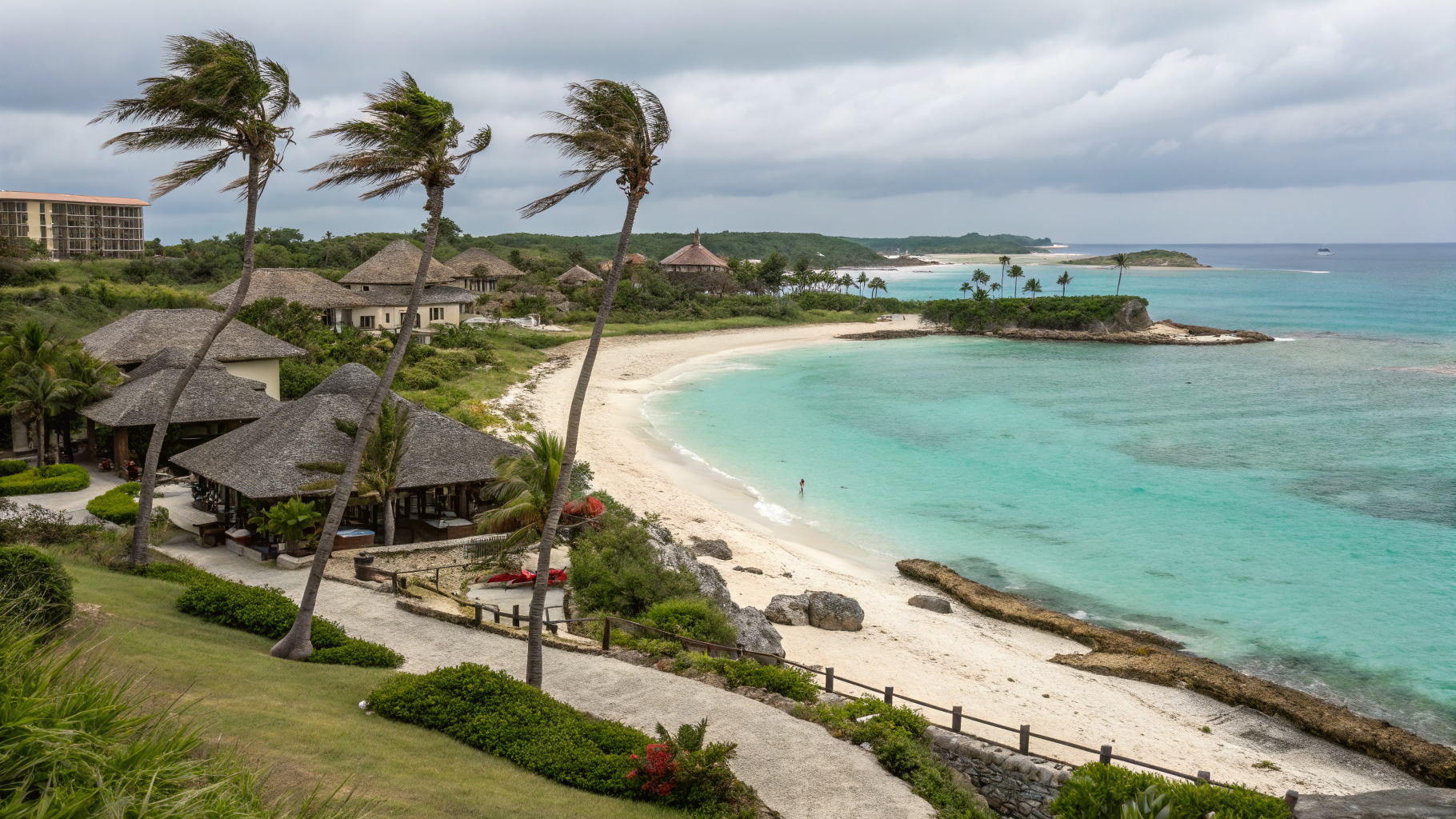
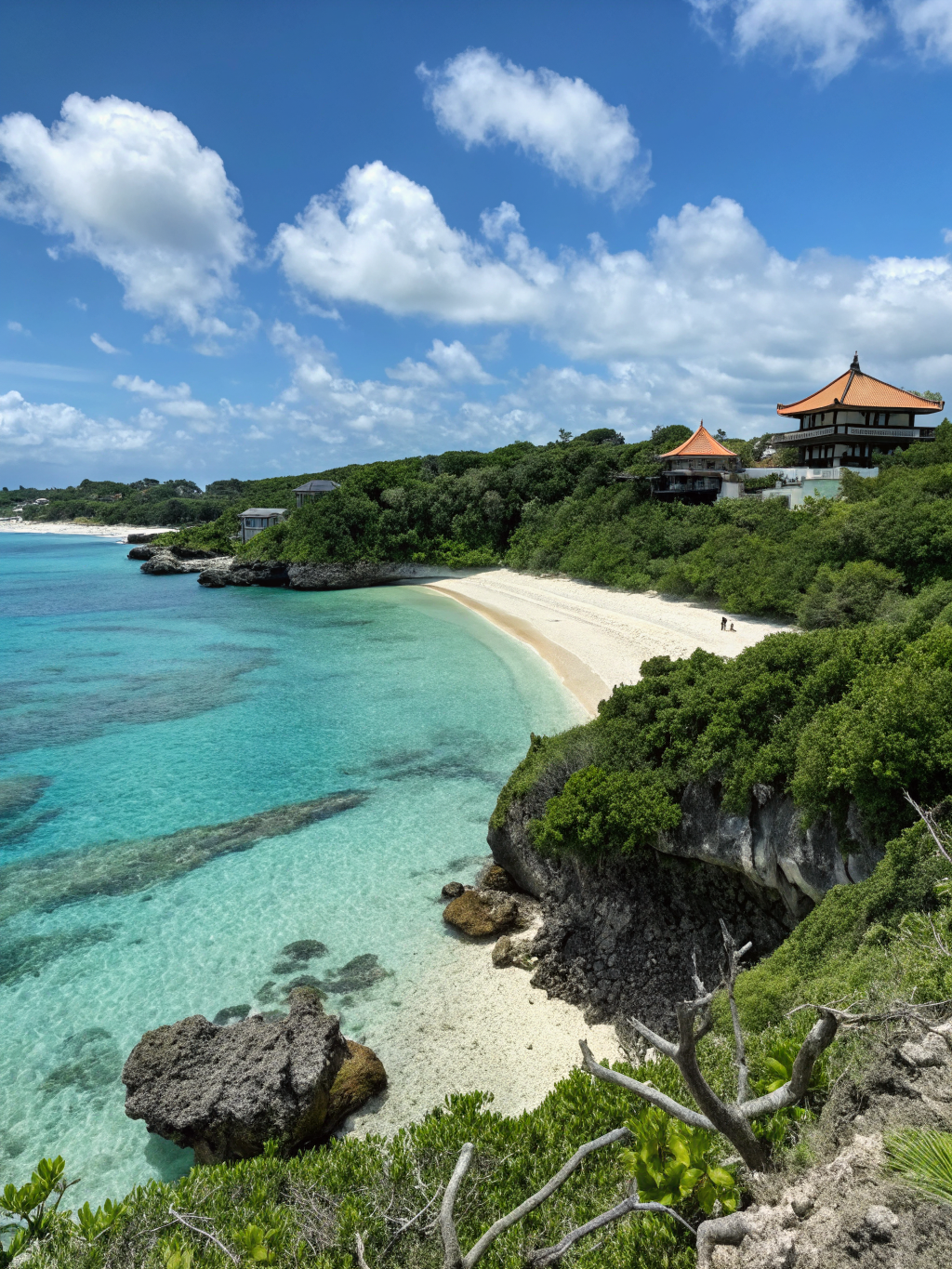
If you love the ocean, this destination demands your attention. Okinawa boasts some of the absolute clearest waters on planet Earth. Sea turtles swim right off the shoreline, and massive coral reefs harbor vibrant tropical fish. Scuba divers and snorkelers flock to these waters for a very good reason. The visibility stretches for dozens of meters, allowing you to easily spot manta rays or reef sharks hanging out in the depths. You rarely find this level of pristine marine access without paying premium Maldives or Bora Bora prices.
The Honest Truth: Is Okinawa worth visiting? For Every Single Traveler?
I absolutely adore these islands, but I always give my friends authentic advice. A vacation here differs drastically from a standard Tokyo excursion. You need to know what you sign up for before you lock in non-refundable hotels. Let me break down the reality of traveling to Japan’s southernmost prefecture so you can make an informed choice.
Pros of Heading South
- Year-round warmth: The subtropical climate guarantees mild winters and scorching, beach-ready summers.
- Distinct local food: Dieticians actively study the local diet because the residents live longer than almost anyone else in the world.
- Safety and cleanliness: You get the famous Japanese standard of safety combined with a totally relaxed beach environment.
- Incredible diving: You access world-class scuba diving spots right off the main island beaches.
Cons You Absolutely Need to Know
- Public transit issues: Unlike Tokyo, the main island severely lacks a comprehensive train network.
- Typhoon risk: Violent storms frequently threaten the islands between August and October. :/
- Spread out attractions: You spend a lot of time commuting if you stay in Naha but want to visit the northern beaches.
- Tourist crowds: Japanese locals flock here during domestic holidays, driving up prices massively.
Top Things You Must Do When You Visit Okinawa Prefecture
Filling your itinerary takes zero effort because this region offers endless activities. You can spend your mornings hiking through dense mangrove forests and your afternoons sipping local beer on a white sand coastline. I compiled my absolute favorite experiences that justify purchasing that extended domestic flight ticket.
Stuff Your Face with Real Okinawan Food
Food motivates my travel choices more than anything else. Mainland sushi and ramen deserve their stellar reputation, but Okinawan cuisine completely blew my mind. The local chefs fuse indigenous ingredients with American military surplus items to create purely unique comfort food. IMO, you commit a travel crime if you leave without eating at least three massive bowls of local noodles.
Here are the non-negotiable dishes you must eat:
- Okinawa Soba: Do not expect standard buckwheat noodles. These chefs serve thick, chewy wheat noodles drenched in a rich pork broth, topped with fall-apart tender pork belly.
- Taco Rice: Locals cleverly combined Tex-Mex taco ingredients with fluffy Japanese rice. Fast-food spots and fancy cafes both proudly serve this satisfying fusion dish.
- Goya Champuru: This traditional stir-fry mixes bitter melon, tofu, eggs, and sliced pork. The bitter taste shocks you at first, but it quickly becomes incredibly addictive.
Prowl Kokusai Dori Street for Souvenirs
Every major city needs a chaotic, vibrant main drag. Naha delivers Kokusai Dori, a bustling twomile stretch of shops, izakayas, and colorful markets. You can hunt down rare awamori (the potent local rice liquor) or buy quirky t-shirts. I love grabbing a cold Orion Beer and simply watching the crowds wander past the palm trees. Make sure you duck into the covered Makishi Public Market branching off the main street. Vendors there sell neon-colored fish out of an incredibly loud, energetic maze of stalls.
Ditch the Mainland for the Outer Islands
The main island holds plenty of charm, but the magic truly lives out in the Yaeyama and Miyako island groups. A short domestic flight transports you to totally isolated, untouched paradise zones. Ishigaki Island offers sweeping emerald bays where you view the ocean from steep green cliffs. Miyakojima features powder-soft sand beaches that stretch for miles without a single high-rise hotel in sight. If you crave intense nature and true quiet, you must add an outer island to your plans 🙂
How to Squeeze Japan’s Best Beaches into Your Itinerary
Logistics make or break tropical vacations. A bad commute ruins your beach mood entirely. You need a solid game plan before you depart, especially regarding transportation and scheduling. The regional layout requires strategy, so take notes on these crucial travel mechanics.
Renting a Car Beats Public Transit Every Time
You technically can use buses to travel up and down the main island. However, relying on buses wastes precious vacation hours. The timetable rarely aligns with your desired beach-hopping schedule. I fiercely recommend securing an International Driving Permit and renting a car. Driving gives you the ultimate freedom to chase sunsets, explore hidden coastal cafes, and skip the crowded tourist busses entirely. Just remember, the Japanese drive on the left side of the road! You adjust to the steering wheel placement surprisingly fast.
Settle on the Perfect Season to Book Your Flight
Timing dictates your experience here. Summer delivers peak beach conditions, but the high temperatures melt your energy levels fast. July and August bring blazing sun and swarms of domestic tourists on school holidays. Consequently, hotel rates skyrocket during these months. Spring (March to early May) and Autumn (late October to November) provide the ultimate sweet spots. You enjoy pleasant swimming weather without suffering through unbearable humidity or stressing over impending typhoons. Avoid “Golden Week” in early May at all costs unless you enjoy paying triple for basic accommodation.
Budget Breakdown: How Much Cash Does Okinawa Demand?
Money talks, and island destinations usually scream at your wallet. Surprisingly, this southern prefecture treats budget travelers fairly well. While tropical hubs in the Caribbean charge insane premiums, this region maintains standard Japanese pricing. Let us quickly analyze the typical costs you face during your adventure.
Accommodations Fit Every Wallet Size
You dictate your own spending based on your sleep preferences. Backpackers easily find clean, social hostels in Naha for under 30 USD a night. Mid-range travelers secure comfortable, modern business hotel rooms for around 70 to 120 USD. If you want the ultra-luxe resort experience with private infinity pools overlooking the East China Sea, prepare to drop 300 to 500 USD nightly. You secure the best rates by booking your rooms at least four months in advance.
Food Cost Keeps Your Bank Account Happy
Eating out rarely breaks the bank. A massive, soul-healing bowl of Okinawa soba sets you back maybe 6 or 7 USD. You grab filling taco rice bentos from local family-run shops for under 5 USD. Even sitting down at a lively izakaya to drink Orion beer and feast on grilled meats usually runs just 20 to 30 USD per person. Convenience stores like FamilyMart and Lawson sell cheap, high-quality rice balls and fried chicken if you need quick beach snacks.
Activities Deliver High Value
Most natural attractions cost absolutely nothing. You hike the cliffs, swim the public beaches, and wander the historic ruins totally free of charge. Snorkeling tours or beginner scuba diving packages cost around 50 to 90 USD, which completely beats prices in Hawaii or Australia. Entrance to the famous Churaumi Aquarium runs around 15 USD, making it one of the most affordable world-class facilities you will ever visit.
Final Verdict: Should You Book the Ticket?
Let us circle back to the main question driving your research. Is an Okinawa worth visiting? YES. Absolutely, undeniably, a thousand times yes. The unique blend of warm hospitality, bizarrely perfect ocean visibility, and rich ryukyu history creates a travel experience you literally cannot find anywhere else on the globe.
You break out of the standard Tokyo-Kyoto-Osaka travel loop. You challenge your palate with bitter melon and rich pork broths. You swim alongside ancient sea turtles and watch the sun dip below a perfectly clear horizon. The minor inconveniences of renting a car or navigating around typhoon season pale in comparison to the sheer beauty of the destination.
Stop hesitating, finalize your vacation days, and secure that flight to Naha. The island time waits for you. What do you think? Are you ready to trade the city skyline for wide open beaches? Let me hear your thoughts, and give this southern paradise a shot!