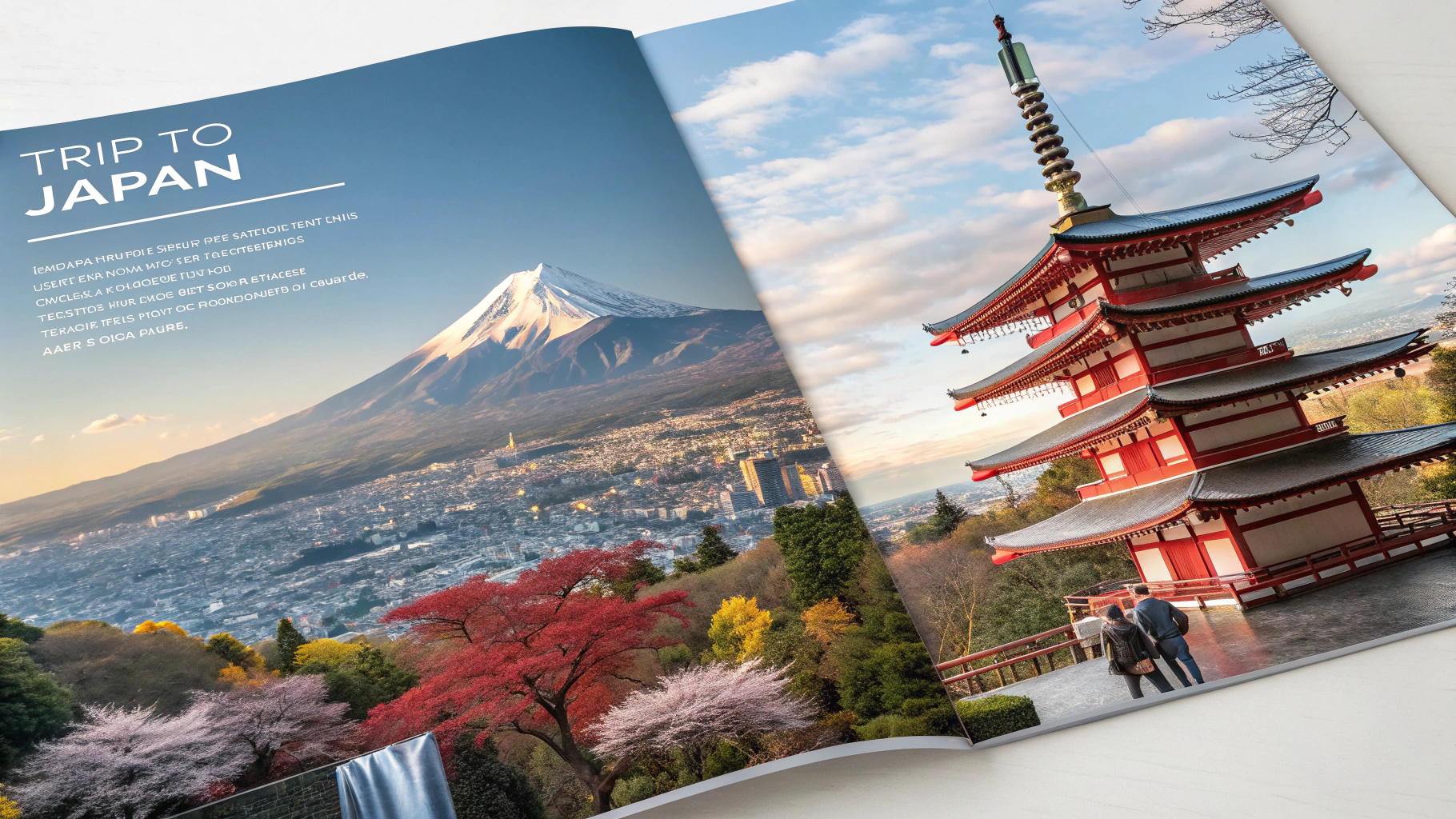
Trip to Japan Cost in 2026: Complete Budget Breakdown
So you’re dreaming about sushi, cherry blossoms, and bullet trains? Same! But let’s be real—before you start planning your japan trip, you need to know what you’re getting into financially. Japan has this reputation for being crazy expensive, and honestly? That can be true if you’re not careful. But here’s the good news: with the right planning, you can totally experience the magic of Japan without draining your bank account.
I’ve been researching and crunching numbers to give you the real deal on trip to japan cost for 2026. Whether you’re a budget backpacker or someone who wants a bit more comfort, I’ve got you covered with actual numbers, smart tips, and realistic expectations.
No time to read the whole post?
Here’s the quick version: A 10-day trip to Japan in 2026 will cost roughly $2,500-$3,500 for budget travelers, $4,000-$6,000 for mid-range comfort, and $7,000+ for luxury experiences. The biggest expenses are flights ($800-$1,500), accommodation ($30-$200 per night), and food ($20-$80 daily). Transportation passes like the JR Pass ($280-$570) can save you tons, and visiting during shoulder seasons (March-April or October-November) keeps costs lower. Pro tip: Get a prepaid SIM card instead of international roaming to save big.
Table of Contents
Breaking Down Your Japan Trip Budget
Let’s talk numbers. The trip to japan cost depends heavily on your travel style, but I’ll break this down into three realistic categories so you can figure out where you land.
Budget Traveler: You’re hitting up hostels, eating convenience store meals (which are surprisingly good btw), and using public transport like a local. Think $100-$150 per day.
Mid-Range Comfort: You want a decent hotel room, sit-down restaurant meals, and maybe a few fancy experiences. Budget around $200-$300 per day.
Luxury Experience: Five-star hotels, kaiseki dinners, private tours, and first-class train seats. You’re looking at $500+ per day easily.
For most people doing a typical 10-day trip, expect to spend between $2,500 and $6,000 total, including flights. Let’s break that down even more.
Flight Costs to Japan
This is usually your biggest single expense. Round-trip flights from the US to Japan in 2026 will probably run you anywhere from $800 to $1,500 depending on where you’re flying from and when you book.
West Coast departures (LA, San Francisco, Seattle) are cheaper—sometimes as low as $700 if you catch a sale. East Coast flights from New York or Boston? You’re looking at $1,200-$1,500 minimum.
My advice? Start watching flight prices about 6-8 months before your trip. Set up Google Flight alerts and be flexible with your dates. Flying midweek instead of weekends can save you $200-$300 right there. Also, consider flying into Osaka instead of Tokyo—sometimes it’s cheaper, and you can just take the shinkansen to Tokyo if that’s your main destination.
Accommodation Expenses
Where you sleep makes a HUGE difference in your overall trip to japan cost. Here’s what to expect per night:
Hostels: $25-$50 for a dorm bed. Tokyo and Kyoto hostels are clean, safe, and honestly pretty fun for meeting other travelers.
Budget Hotels & Capsule Hotels: $50-$80. Capsule hotels are a unique Japanese experience—tiny but efficient sleeping pods with shared bathrooms.
Mid-Range Hotels: $100-$180. Think business hotels or decent Airbnbs. Nothing fancy but comfortable and clean (Japan doesn’t do dirty hotels).
Luxury Hotels: $200-$500+. Traditional ryokans (Japanese inns) with kaiseki meals can cost even more but include incredible experiences.
For a 10-day trip, accommodation alone could range from $250 (budget hostels) to $2,000+ (luxury hotels). Most travelers I know aim for the $70-$120 per night range, which gives you comfort without breaking the bank.
Quick tip: Book early for popular seasons like cherry blossom time (late March-early April). Prices literally double, and availability disappears fast.
Daily Food Costs
Food in Japan is absolutely incredible, and here’s the cool part—it doesn’t have to be expensive. Your daily food budget depends entirely on how you want to eat.
Budget Eating ($20-$35 per day):
- Convenience store meals: $3-$7 (and they’re legit delicious)
- Cheap ramen or udon shops: $6-$10
- Kaiten sushi (conveyor belt sushi): $10-$15
- Supermarket bento boxes: $5-$8
Mid-Range Eating ($40-$80 per day):
- Sit-down restaurant meals: $15-$30 per meal
- Nicer sushi or tempura restaurants: $25-$50
- Coffee shops and cafes: $5-$8
- Occasional street food: $3-$8
Luxury Eating ($100+ per day):
- High-end sushi: $100-$300 per person
- Kaiseki (traditional multi-course meals): $80-$200+
- Michelin-starred restaurants: $150-$400
Honestly? I’d budget around $50 per day for food. This lets you enjoy amazing meals without constantly counting pennies, plus you can splurge on one or two fancy dinners during your trip.
Also, FYI—tipping isn’t a thing in Japan, so the price you see is what you pay. No mental math at the end of meals. 🙂
Transportation Within Japan
Getting around Japan is super easy thanks to their amazing train system, but it can get pricey if you’re not strategic.
JR Pass: This is your best friend for long-distance travel. A 7-day ordinary pass costs about $280 in 2026, and a 14-day pass runs around $450. If you’re doing Tokyo-Kyoto-Osaka-Hiroshima type trips, this pass pays for itself quickly since a single Tokyo-Kyoto shinkansen ticket costs about $130 one-way.
Local Transportation: Budget about $10-$20 per day for subways and local trains in cities. Tokyo’s subway system is extensive, and buying a Suica or Pasmo card (rechargeable transit cards) makes everything easier.
Taxis: Expensive! Starting fare is around $7-$10, and it climbs fast. Only use them when absolutely necessary or split with travel buddies.
For a 10-day japan trip, budget $300-$600 total for transportation depending on how much you move around. The JR Pass alone will eat up most of that budget, but it’s worth every penny.
Activities and Attractions
The good news? Many of Japan’s best experiences are cheap or even free. Temples, shrines, parks, and just wandering neighborhoods cost nothing.
Free Activities:
- Walking through Shibuya and Shinjuku
- Visiting most temples and shrines (many are free)
- Cherry blossom or autumn leaf viewing
- Exploring neighborhoods like Harajuku or Gion
Paid Attractions ($5-$30 each):
- Tokyo Skytree: $18-$28
- Osaka Castle: $9
- TeamLab digital art museums: $25-$35
- Traditional tea ceremonies: $25-$50
Special Experiences ($50-$200+):
- Sumo wrestling matches: $50-$200
- Private geisha dinner: $200-$500
- Mount Fuji guided tours: $100-$150
- Cooking classes: $80-$150
Budget around $300-$500 total for activities and entrance fees during a 10-day trip. You can definitely do more or less depending on your interests.
Other Expenses to Consider
Don’t forget these smaller costs that add up:
Travel Insurance: $50-$100 for a 10-day trip. Totally worth it IMO.
Visa Fees: Most Western passport holders get 90-day visa-free entry, so this is usually $0. Check your specific country’s requirements though.
Phone/Internet: Pocket WiFi rental costs about $8-$12 per day, or grab a prepaid SIM card for $30-$50 for your entire trip. Huge money saver compared to international roaming.
Souvenirs and Shopping: This is personal, but I’d budget at least $200-$300. Japanese snacks, cute stationery, and traditional crafts make great gifts, and you WILL want to buy stuff.
Laundry: If you’re traveling light, figure $5-$8 per load at coin laundries.
Sample Budget Breakdown
Let me put this all together with a realistic 10-day itinerary budget:
Budget Traveler Total: $2,500-$3,500
- Flights: $1,000
- Accommodation: $400 (hostels)
- Food: $300 (mostly cheap eats)
- Transportation: $350 (JR Pass + local trains)
- Activities: $200
- Other: $250
Mid-Range Traveler Total: $4,500-$6,000
- Flights: $1,200
- Accommodation: $1,200 (business hotels)
- Food: $600 (mix of casual and nice restaurants)
- Transportation: $500 (JR Pass + taxis occasionally)
- Activities: $400
- Other: $600
Luxury Traveler Total: $8,000-$12,000+
- Flights: $1,500 (business class)
- Accommodation: $3,000 (luxury hotels and ryokans)
- Food: $1,500 (high-end dining)
- Transportation: $800 (first-class JR Pass + taxis)
- Activities: $800 (private experiences)
- Other: $1,000+
Money-Saving Tips
Let me drop some real talk about cutting costs without sacrificing your experience:
Visit during shoulder season (March before cherry blossoms peak, May-June, or September-early November). You’ll save 30-40% on hotels and avoid massive crowds.
Eat lunch instead of dinner at fancy restaurants. Many high-end places offer lunch sets for half the dinner price.
Stay in one or two bases instead of hotel-hopping every night. Moving around constantly wastes time and money on luggage storage and transportation.
Buy attraction tickets online in advance for small discounts and to skip lines.
Hit up 100-yen stores (like Daiso) for snacks, small souvenirs, and travel essentials instead of convenience stores.
Take advantage of tax-free shopping at major stores—just bring your passport and spend over the minimum amount (usually around $50).
Final Thoughts
So what’s the real trip to japan cost in 2026? For most people doing a 10-day trip, plan on $3,500-$5,000 all-in. That gives you comfortable accommodation, great food, convenient transportation, and enough activities to create amazing memories.
Can you do it cheaper? Absolutely—I’ve seen people stretch $2,000 by staying in hostels and eating konbini (convenience store) meals. Can you spend way more? Also yes—the sky’s the limit with luxury ryokans and Michelin dining.The key is planning ahead, being smart about your big expenses (flights, hotels, JR Pass), and staying flexible. Japan is genuinely one of the most incredible countries I’ve researched, and the experience is worth every dollar.
Start saving now, book those flights when you see a good deal, and get ready for the adventure of a lifetime. Trust me, your future self will be thanking you while eating incredible ramen and watching Mount Fuji at sunrise. 😉