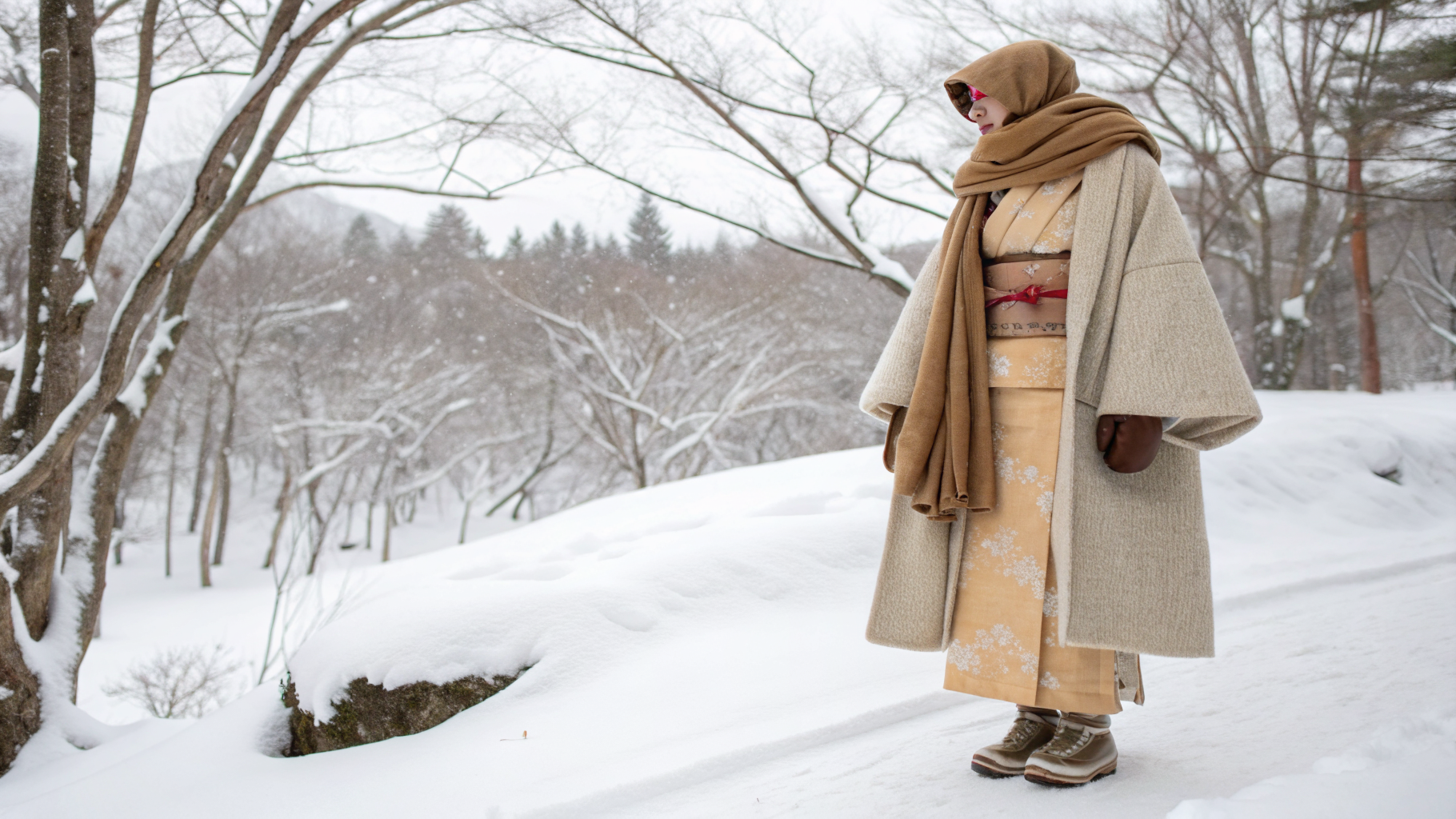
What to Wear in Japan in Winter: 7 Smart Packing Tips
When I was planning my japan trip during the coldest months, I spent hours scrolling through blogs, watching YouTube videos, and basically second-guessing every clothing choice. Here’s the thing: Japan’s winter isn’t just “cold”—it’s a whole vibe that changes depending on where you’re going. Knowing What to Wear in Japan in Winter can literally make or break your experience.
Trust me, you don’t want to be that person shivering outside a temple in Kyoto or sweating buckets on a heated Tokyo train because you over-layered. This guide breaks down exactly what you need to pack, how to layer like a pro, and which items are absolute must-haves for a Japanese winter adventure.
Table of Contents
Understanding Japan’s Winter Climate
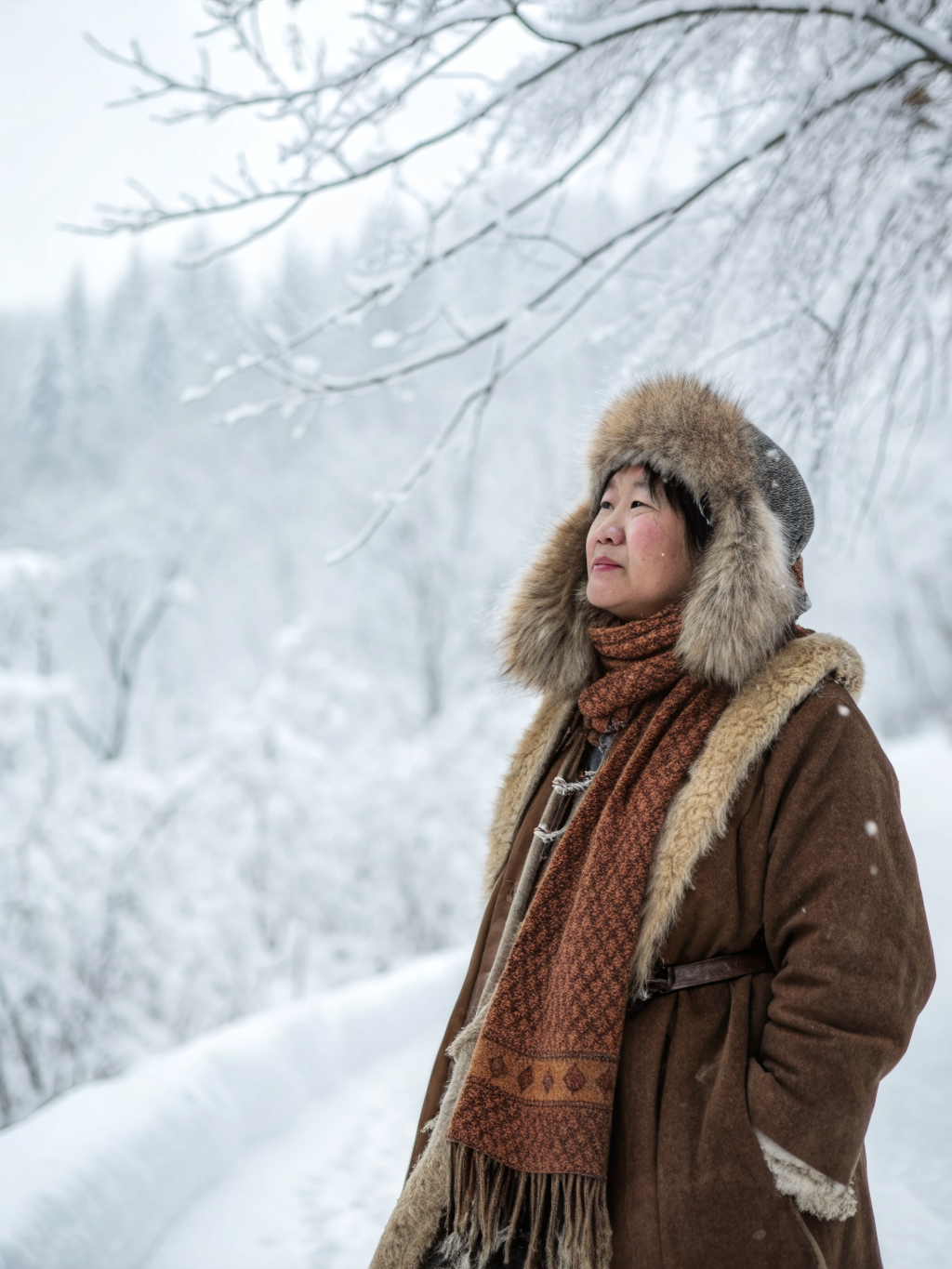
Before you start throwing clothes into your luggage, let’s get real about what Japanese winter actually feels like. December through February brings temps that range from freezing up north in Hokkaido (we’re talking -10°C or colder) to a chilly but manageable 5-10°C in Tokyo and Osaka. Kyoto sits somewhere in between and honestly, the dry cold there cuts through you more than you’d expect.
The humidity drops big time during winter, which sounds nice until your skin starts cracking and your lips feel like sandpaper. Bring lip balm and moisturizer—thank me later. Northern regions dump serious snow, while central and southern Japan stay mostly dry with occasional flurries. Okinawa? Totally different story. It’s mild enough that you might only need a light jacket.
One thing nobody warns you about: the massive temperature difference between outdoors and indoors. Japanese buildings crank the heat like it’s their job (because it literally is), so you’ll constantly be peeling off layers the second you step into a convenience store, restaurant, or train.
Smart Layering is Your Best Friend
Forget packing one giant puffy coat and calling it a day. The secret to mastering Japan winter clothing is all about versatile layering. This approach lets you adjust on the fly without lugging around unnecessary bulk.
Start with a thermal base layer—seriously, don’t skip this. I’m talking those thin but mighty long-sleeve tops and leggings that trap heat against your skin. Brands like Uniqlo (which you’ll find everywhere in Japan, FYI) sell Heat Tech gear that works wonders. Grab a couple so you can rotate them.
Your middle layer should add insulation without bulk. Think fleece pullovers, lightweight sweaters, or down vests. These trap warm air and give you wiggle room to add or remove depending on the situation. I usually pack two different options so I’m not wearing the same thing in every photo 🙂
The outer layer needs to block wind and potentially handle light snow or rain. A quality down jacket or insulated parka does the trick. Make sure it’s actually warm—this isn’t the time for fashion-over-function choices. You’ll wear this constantly when you’re outside exploring.
What to Wear in Japan in Winter?
Let’s break down the specific pieces you absolutely need in your suitcase:
Down Jacket or Insulated Coat – This is your MVP. Go for something packable if you’re tight on luggage space. It should hit at least mid-thigh for better coverage. Dark colors hide travel wear better than light ones (learned that the hard way).
Thermal Underwear – Both tops and bottoms. You’ll wear these under your regular clothes literally every single day. They’re thin enough that nobody knows you’re wearing them, but they make a huge difference in how cold you feel.
Waterproof Boots with Good Traction – Icy sidewalks in Japan are no joke, especially early morning or late evening. Boots should be comfortable for walking miles (because you will) and keep your feet dry. Bonus points if they’re cute enough to wear to a nice dinner.
Warm Accessories – Pack a thick scarf, gloves or mittens, and a beanie or warm hat. These small items make a massive difference when you’re outside for extended periods. I always bring two pairs of gloves because I inevitably lose one.
Wool or Thick Socks – Your feet will freeze in regular cotton socks. Bring several pairs of wool or thermal socks. Japanese hotels often provide slippers, but for outdoor exploration, you need the real deal.
Jeans or Insulated Pants – Regular jeans work fine for most of Japan’s cities, but if you’re heading to snowy areas, consider insulated or fleece-lined pants. They look normal but have that extra warmth factor.
Moisture-Wicking Shirts – For those overheated indoor moments. You’ll sweat on trains and in shops, so having shirts that dry quickly prevents that clammy feeling when you head back outside.
Regional Differences You Should Know
Planning a japan trip that hits multiple cities? Your packing needs might shift based on where you’re going.
Hokkaido demands your heaviest gear. We’re talking serious winter wonderland vibes with heavy snowfall and frigid temps. If you’re hitting Sapporo or skiing in Niseko, bring your warmest everything. Waterproof outer layers are non-negotiable here.
Tokyo and Osaka run milder but still cold enough that you’ll want all your layers. Temps hover around freezing in the morning and evening but warm up slightly during the day. The urban heat island effect actually helps a bit—all those buildings and people generate warmth.
Kyoto feels colder than the temperature suggests because of humidity and wind. Temple-hopping means you’re constantly outdoors, so dress warmer than you think you need to. Those beautiful open-air temple halls? Absolutely freezing.
Okinawa barely counts as winter weather. You might get away with just a light jacket or cardigan. Some tourists even hit the beach (the water’s cold, but the air is surprisingly pleasant).
What NOT to Pack
Let’s talk about the stuff that wastes precious suitcase space. Skip anything cotton-heavy as your base layer—it absorbs moisture and makes you colder. Those chunky cable-knit sweaters might look Instagram-worthy, but they’re bulky and don’t layer well under coats.
Don’t bring more than one heavy coat. You’ll wear the same one every day anyway, and packing multiple winter coats is ridiculous. Also, leave the high-fashion heels at home. Japanese streets involve tons of walking, stairs, and sometimes icy conditions. Cute boots? Yes. Impractical stilettos? Hard pass.
You also don’t need to pack a million outfits. Japanese laundromats are everywhere, most hotels offer laundry service, and honestly, you’ll probably buy clothes there anyway (Uniqlo and GU are dangerously affordable).
Outfit Combinations That Actually Work
Here’s a sample day outfit that keeps you comfortable: thermal long-sleeve top + flannel shirt or sweater + down jacket on top. Thermal leggings under jeans or insulated pants. Wool socks with waterproof boots. Beanie, scarf, and gloves when you head outside.
For a slightly dressier dinner look: thermal top + nice sweater or turtleneck + coat. Dark jeans or dress pants (the insulated kind if you have them). Ankle boots that can handle cold but look put-together. Swap the beanie for a nicer hat or just style your hair—indoor restaurants are heated anyway.
The temple-hopping outfit: Full thermal set + comfortable sweater + weatherproof jacket. You’ll be removing shoes constantly at temples, so socks that aren’t embarrassing matter here. Bring a scarf you can wrap around your face when the wind picks up.
Shopping for Winter Gear in Japan
Plot twist: you can actually buy most Japan winter clothing items after you arrive. Uniqlo stores are literally everywhere and their Heat Tech line is affordable and effective. If you forget gloves or need an extra scarf, Don Quijote (discount mega-stores) sells everything you could possibly need.
Department stores in major cities stock quality winter coats, boots, and accessories. The selection is often better than what you’d find back home, plus you get the experience of shopping in Japan (which is weirdly fun). Daiso and other 100-yen shops carry cheap basics like hand warmers, socks, and simple accessories.
That said, if you wear larger Western sizes, shopping in Japan gets trickier. Shoes above US men’s 10 or women’s 9 are hard to find. Plus-size clothing options are limited. If you fall outside Japanese standard sizing, definitely bring your essentials from home.
Final Thoughts
Packing for a Japanese winter doesn’t have to be stressful once you understand the climate and nail the layering strategy. Focus on versatile pieces you can mix and match, prioritize quality over quantity, and remember that you can always buy what you forgot.
The real game-changer is preparing for those indoor-outdoor temperature swings. Layers you can easily add and remove will save you from either freezing or sweating through your shirt fifty times a day. And honestly? Once you’ve got your Japan winter clothing sorted, you can focus on the actually important stuff—like which ramen shop to hit next or whether you have time for one more temple visit.
Winter in Japan is absolutely magical. The snow-covered temples, steaming hot springs, winter illuminations, and cozy izakayas make the cold totally worth it. Just dress smart, and you’ll be comfortable enough to enjoy every moment of your adventure.
So yeah, if you’ve been stressing about what to pack, hopefully this takes some pressure off. Trust the layers, bring good boots, and don’t overthink it. You’ve got this! Now go book that japan trip and get ready for an amazing winter adventure. 😉